You have not yet added any article to your bookmarks!
Join 10k+ people to get notified about new posts, news and tips.
Do not worry we don't spam!
Post by : Meena Ariff
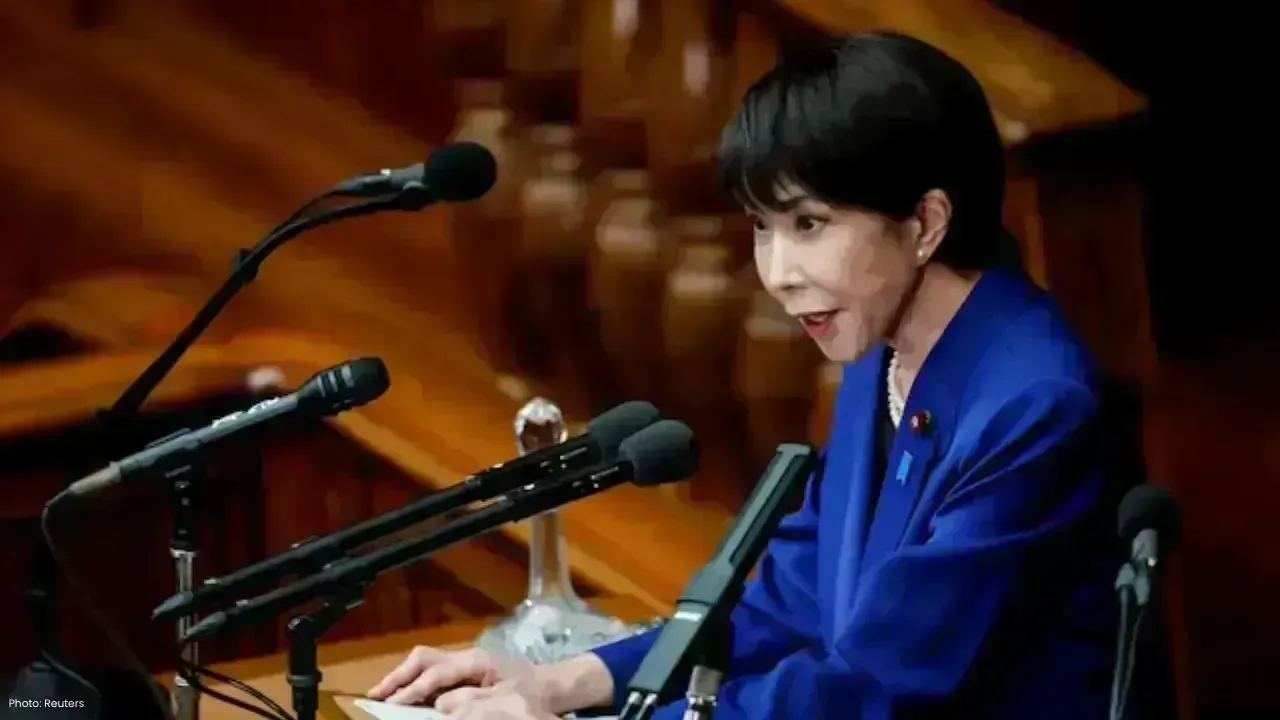
Japan is on the brink of a significant political event as Prime Minister Sanae Takaichi signals her intention to dissolve the country’s lower house of parliament at the very start of its regular session. This bold move is viewed as a strategic effort to seek a renewed public mandate by calling for an early general election, potentially reshaping the nation’s political landscape.
According to well-placed political sources, PM Takaichi has informed senior members of the ruling party about her plans to dissolve the lower chamber as soon as parliament convenes on January 23. If this plan is executed, Japan could hold a snap election in early February, possibly between February 8 and February 15. This would be a decisive moment in Japanese politics, as early elections are relatively rare and tend to reflect the government’s confidence in public support.
The prospect of an early election has ignited intense discussions across political parties and the media. Political analysts suggest that by calling a snap poll at this juncture, Prime Minister Takaichi aims to capitalize on favorable political conditions, consolidating her position and pushing forward key policies with a strengthened mandate from voters.
This election is likely to focus heavily on pressing national issues such as Japan’s economic recovery post-pandemic, regional security concerns amid rising geopolitical tensions, and domestic social policies. The prime minister’s decision also reflects a broader strategy to maintain political stability and navigate challenges both at home and abroad.
The ruling party is expected to quickly mobilize for an accelerated election campaign, while opposition groups prepare to contest vigorously. This fast-paced political environment could result in heightened public engagement and scrutiny, with voters closely watching how each party addresses urgent matters impacting the country’s future.
Should the dissolution take place as planned, it would trigger a constitutional process requiring the lower house to be dissolved within a fixed timeline, leading to nationwide elections. This would be the first major electoral test for PM Takaichi’s administration and a critical moment for Japanese democracy.
Japan stands at a pivotal political crossroads as Prime Minister Sanae Takaichi’s plans to dissolve the lower house set the stage for an early general election. The outcome of this election will significantly influence Japan’s domestic policy direction and its role on the global stage in the coming years.








George Russell Wins Dutch GP Sprint, Boosts Mercedes Morale
George Russell wins the Dutch GP Sprint from pole as Mercedes teammate Kimi Antonelli extends his F1

Australia 50/3 After Bangladesh Bowled Out for 64 in Second Test
Australia reached 50/3 after Bangladesh were bowled out for 64 in the second Test, with Mitchell Sta

Jordan Burroughs Returns to Wrestling with 2028 Olympic Dream
Jordan Burroughs returns to wrestling with Real American Freestyle as the Olympic champion eyes a po

Lamborghini Catches Fire on Singapore's ECP, Causing Heavy Traffic
A Lamborghini caught fire on Singapore's ECP, causing heavy traffic and bus delays. No injuries were

Bangkok Airport Duty-Free Area Flooded by Pipe Burst
A burst water pipe flooded the duty-free shopping area at Bangkok's Suvarnabhumi Airport on July 16,
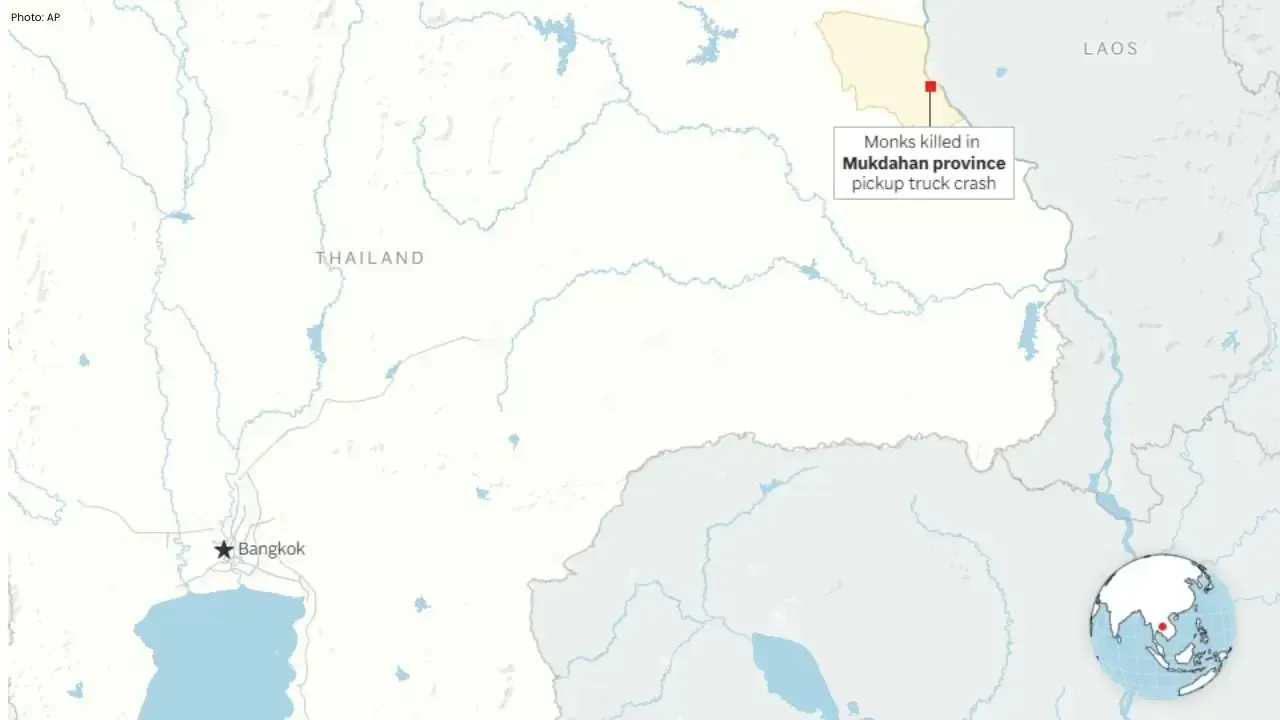
Nine Monks Killed in Thailand Pickup Truck Tragedy
An 11-year-old boy driving a pickup truck crashed into monks during a pilgrimage in northeastern Tha