You have not yet added any article to your bookmarks!
Join 10k+ people to get notified about new posts, news and tips.
Do not worry we don't spam!
Post by : Saif Rahman
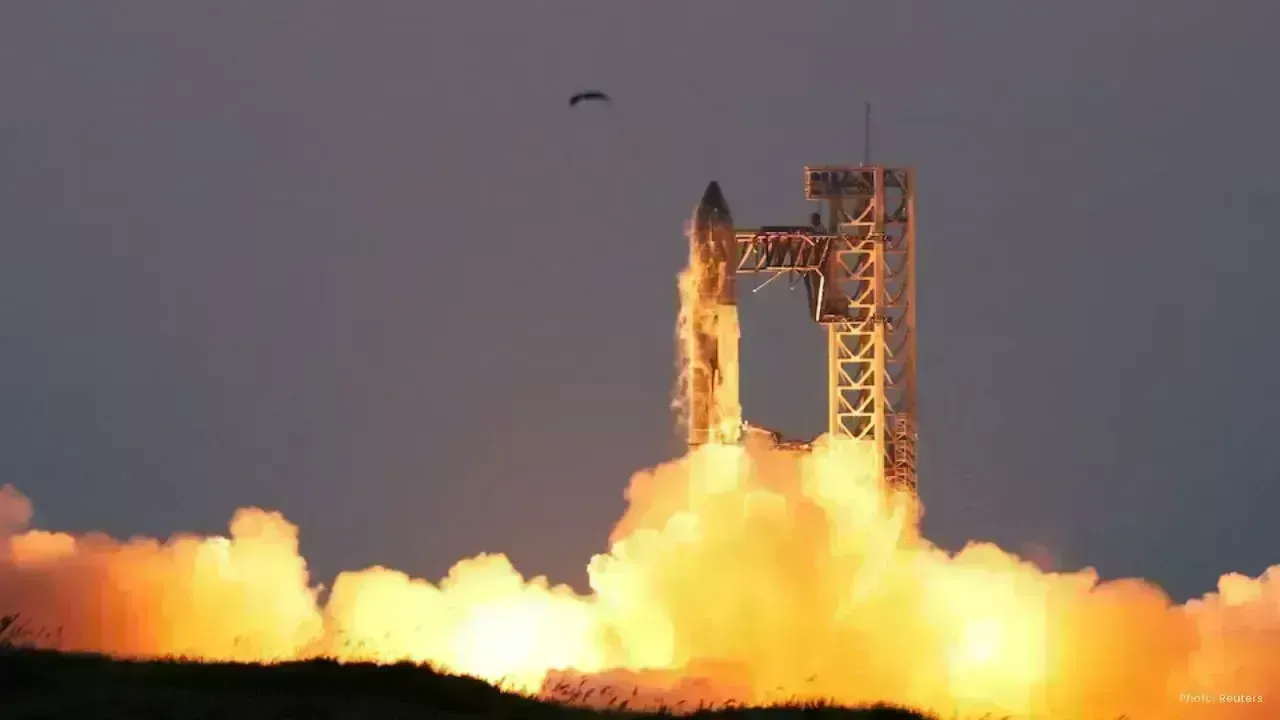
As the global space industry strides into 2026, optimism for sustained investment growth remains high after an unprecedented funding surge in 2025. Both governments and private investors are significantly increasing their capital allocation to space technology due to its critical importance for national security, communication, and economic progress.
According to Seraphim Space, funding for the space sector is expected to rise even further next year, driven by escalating governmental expenditures on defense-oriented satellite systems and heightened private sector interest in rocket launches and space infrastructure initiatives.
Space is being recognized not solely for research and exploration anymore; many nations are prioritizing it strategically. Satellites now serve a pivotal role in everyday life, bolstering mobile communications, weather monitoring, navigation, and defense mechanisms. As global rivalries intensify, countries are keen to safeguard their space assets while enhancing their capabilities.
Anticipated future investments are likely to center on national satellite systems, missile defense operations, and the incorporation of artificial intelligence within space technology sectors. As AI improves how companies gather and analyze data, this technology is optimizing satellites for enhanced performance.
Investor confidence is further boosted by the potential for a SpaceX public offering, which analysts believe could reshape the investment landscape by drawing in new investors and prompting other significant firms in the space sector to consider public listings.
The previous year, 2025, was remarkable for the space industry, seeing private investment spike by 48% to $12.4 billion, with the last quarter alone contributing $3.8 billion—indicative of vigorous industry momentum.
This upswing surpassed the prior investment pinnacle recorded in 2021, demonstrating a strong recovery from the downturn experienced in 2022. Relative to other tech sectors, the space market performed remarkably well, reflecting consistent investor trust.
The United States continued to dominate global investment, amassing $7.3 billion, which encompassed nearly 60% of total funding, primarily supporting launch services and defense projects, including advanced satellite and missile defense schemes.
Government backing underpinned this growth; President Donald Trump’s December executive order marked space as a national security and economic imperative, leading investors to anticipate enhanced funding and contracts for space enterprises.
While investment growth in Europe was slower, it remained stable. Asia maintained strong momentum, with China injecting about $2 billion into expanding its satellite production and launch capabilities.
As governments and businesses compete to exploit opportunities in space, this sector is set to become a cornerstone of global strategy. If current patterns persist, 2026 may herald even greater investments, representing another pivotal chapter in the global space industry's expansion.



George Russell Wins Dutch GP Sprint, Boosts Mercedes Morale
George Russell wins the Dutch GP Sprint from pole as Mercedes teammate Kimi Antonelli extends his F1

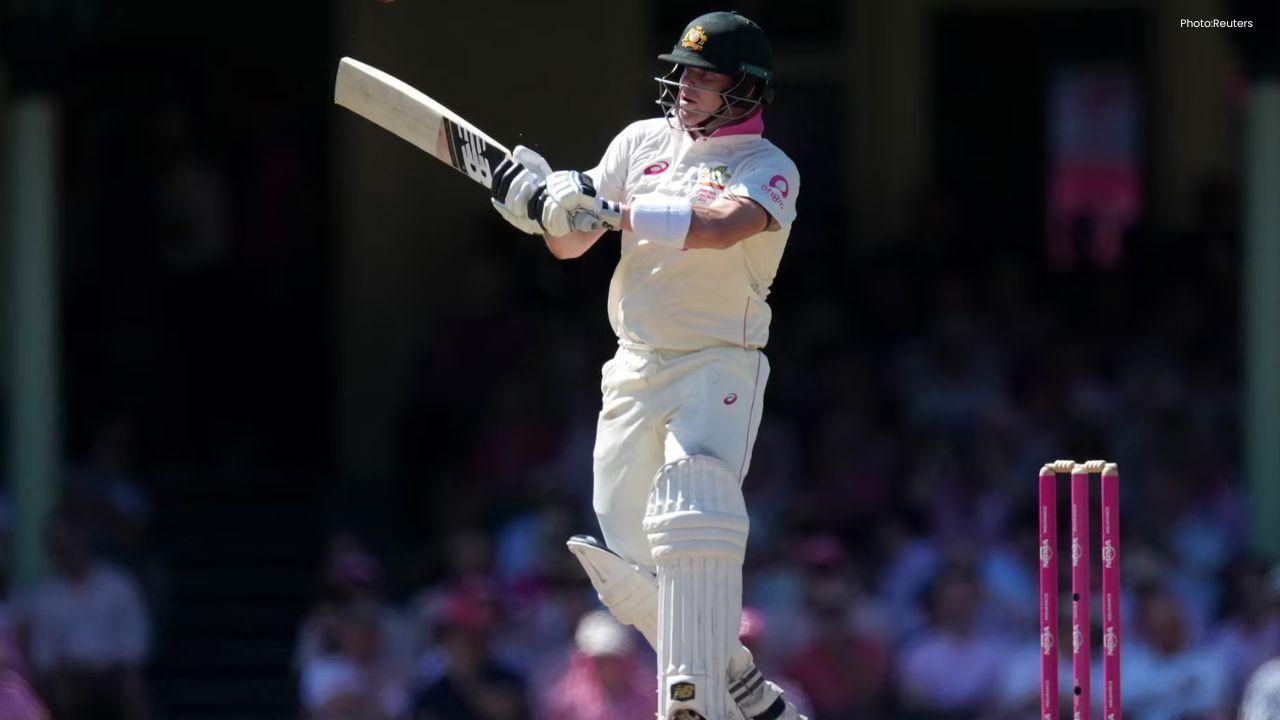
Australia 50/3 After Bangladesh Bowled Out for 64 in Second Test
Australia reached 50/3 after Bangladesh were bowled out for 64 in the second Test, with Mitchell Sta

Jordan Burroughs Returns to Wrestling with 2028 Olympic Dream
Jordan Burroughs returns to wrestling with Real American Freestyle as the Olympic champion eyes a po
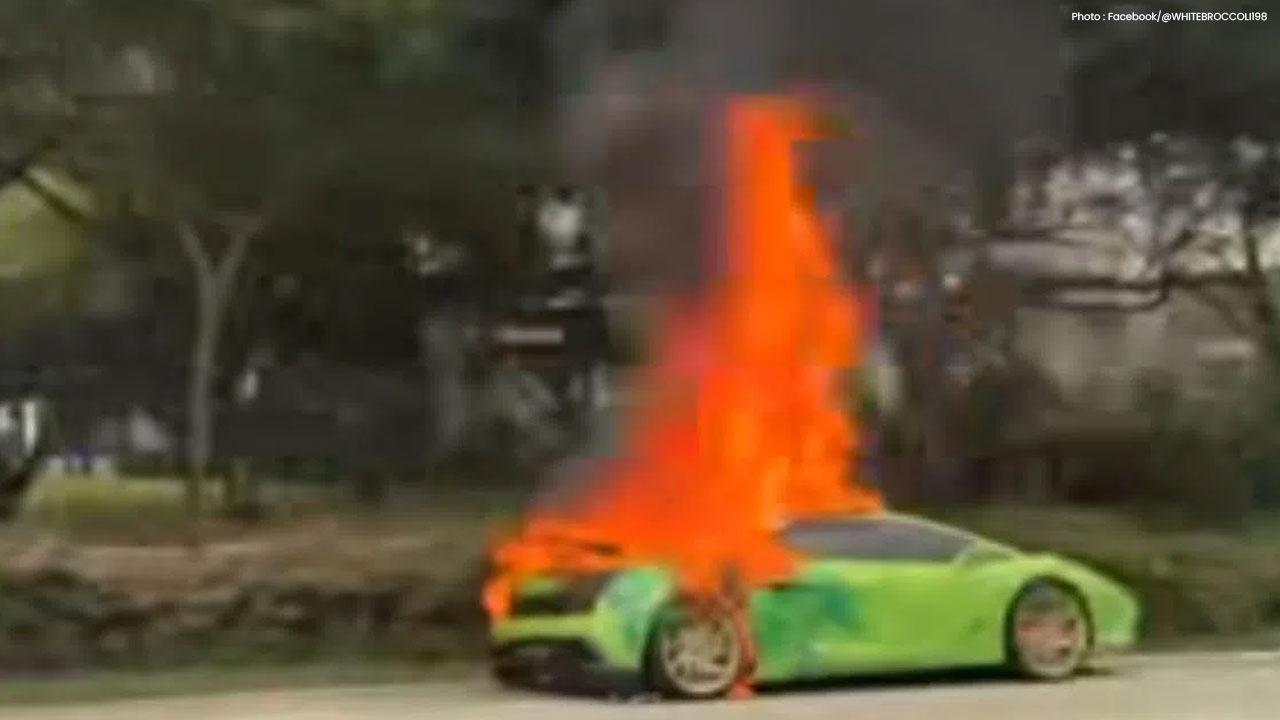
Lamborghini Catches Fire on Singapore's ECP, Causing Heavy Traffic
A Lamborghini caught fire on Singapore's ECP, causing heavy traffic and bus delays. No injuries were
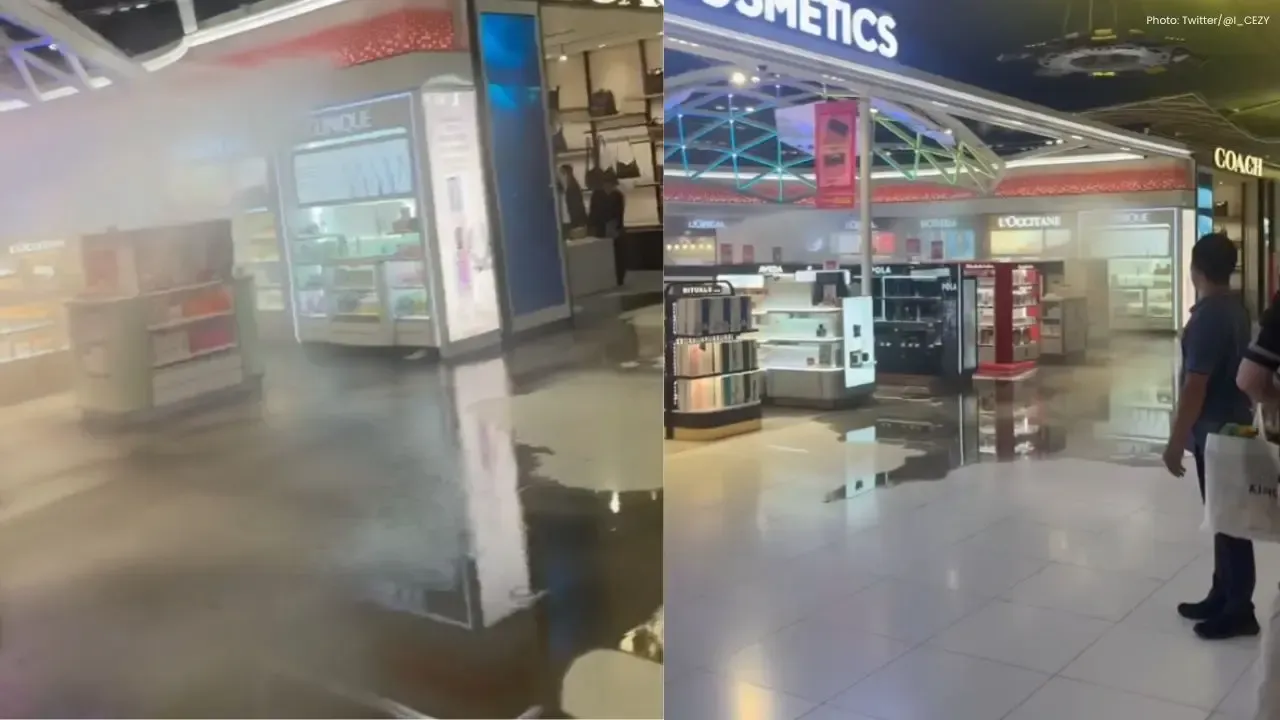
Bangkok Airport Duty-Free Area Flooded by Pipe Burst
A burst water pipe flooded the duty-free shopping area at Bangkok's Suvarnabhumi Airport on July 16,
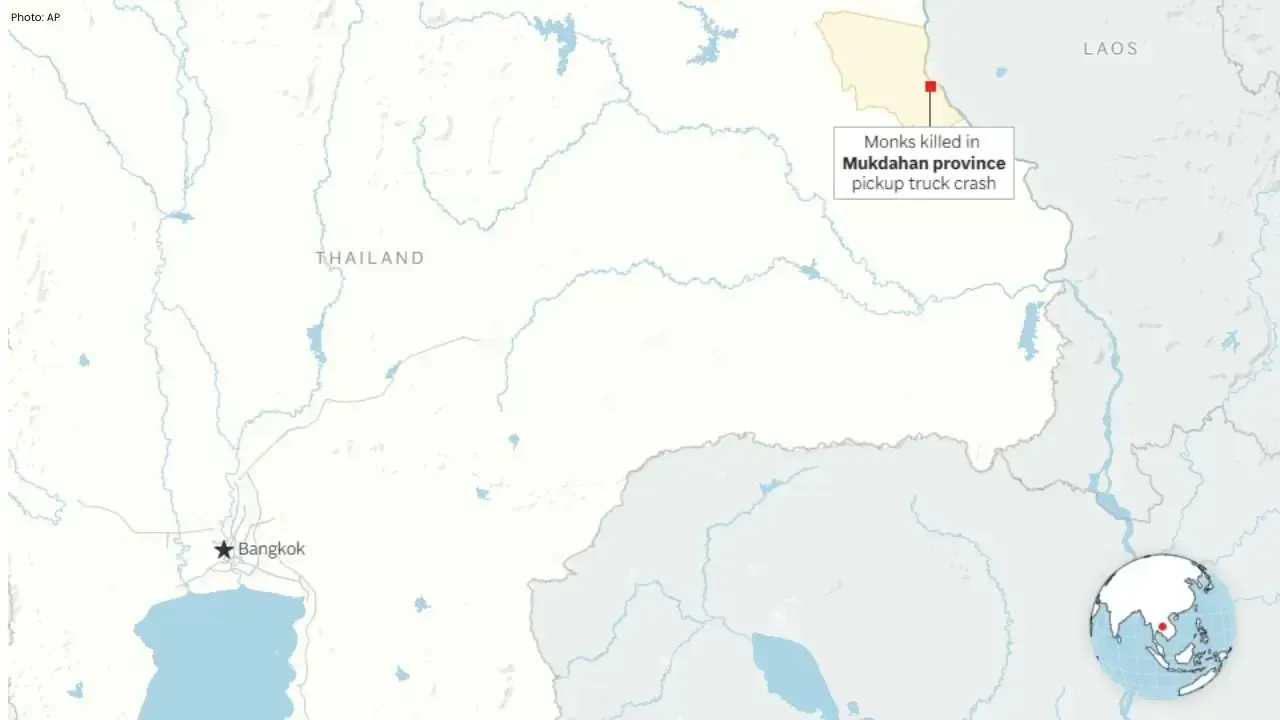
Nine Monks Killed in Thailand Pickup Truck Tragedy
An 11-year-old boy driving a pickup truck crashed into monks during a pilgrimage in northeastern Tha