You have not yet added any article to your bookmarks!
Join 10k+ people to get notified about new posts, news and tips.
Do not worry we don't spam!
Post by : Saif Rahman
Two decades back, the 2006 Winter Olympics ignited excitement and pride in Turin, an Italian city traditionally recognized for its industrial roots and as the birthplace of Fiat. The Games transformed Turin, showcasing it as a contemporary hub of culture, gastronomy, sports, and tourism. For many locals, the phrase “Passion lives here” encapsulates those moments of unity and optimism.
Thanks to the Olympics, Turin reshaped its global image, with new sports facilities constructed, infrastructure enhanced, and the debut of its first metro line. Public spaces became more inviting, and connections to nearby Alpine resorts were significantly improved. The local populace experienced a renewed sense of pride, as Turin evolved from an industrial town to a venue capable of hosting significant global events.
For both business leaders and city officials, the Olympics represented a unique occasion of collaboration. Public entities, private sectors, and volunteers united with a common purpose. Around-the-clock festivities filled the streets, creating an atmosphere many residents long for. The city saw a substantial uptick in tourism afterward, with flourishing museums and restored historic sites, enabling Turin to host major events like the Eurovision Song Contest and international tennis competitions.
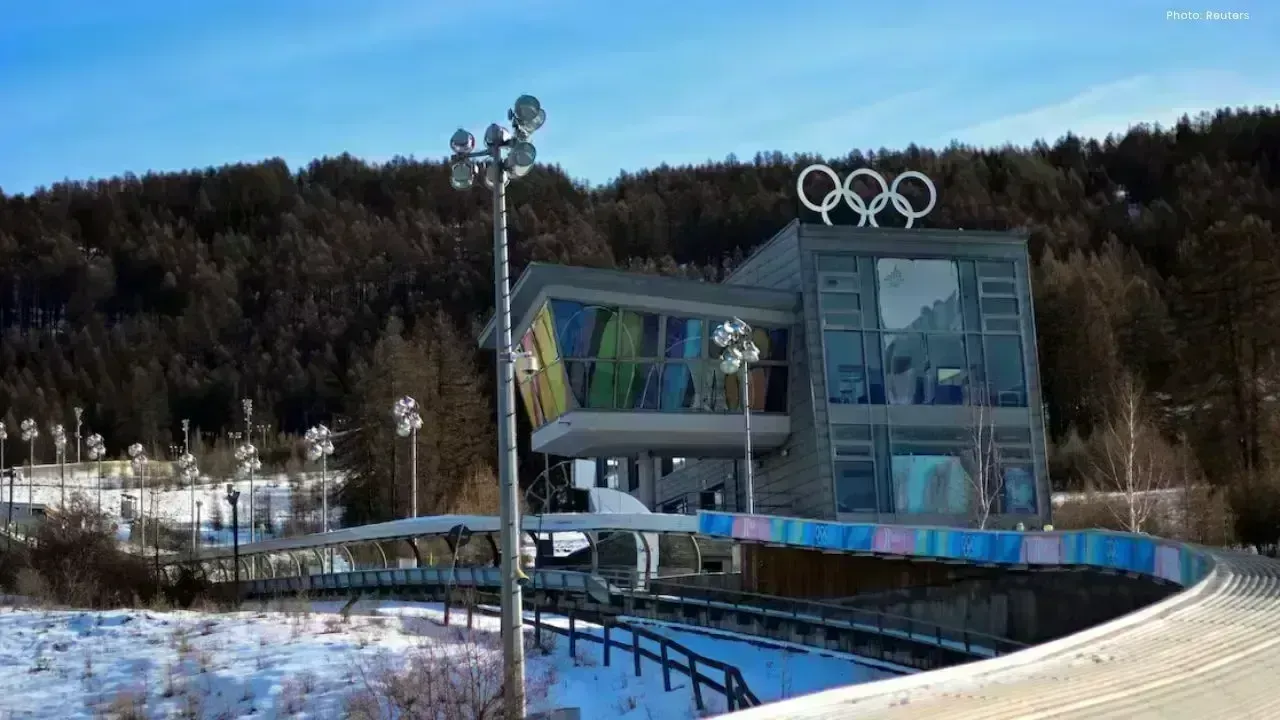
Yet, this victorious narrative carries a bittersweet twist. The Games left Turin grappling with substantial debts and a collection of underused or abandoned facilities. While certain venues adapted for new purposes, others languished in neglect. In nearby mountain areas, facilities like the Cesana bobsleigh track and the ski jumps in Pragelato have been shuttered for years, now deteriorating.
In the urban landscape, one Olympic Village fell into disrepair for years. Following instances of damage and illegal occupations, it was eventually converted into student housing and social accommodation, although remnants near the historic Fiat Lingotto factory remain silent and neglected. Community members lament missed chances for cultural or educational development.
The financial weight of the Olympics lingers, with estimates placing costs around 3.3 billion euros. While Turin reaped long-term benefits of approximately 2.5 billion euros in tourism and infrastructure, it faced a net deficit of roughly 1.3 billion euros. This financial strain resulted in significant budget cuts, heavily impacting social services and welfare programs.
Turin is still among Italy's most indebted cities, albeit on a path to recovery. Each year, substantial public funds are necessary just to manage the existing debt. Past city officials argue that this Olympic aftermath hampered Turin's capacity to invest in essential services like education and housing.
These experiences influenced Turin's approach to future Olympic endeavors. When the opportunity for the 2026 Winter Olympics arose, Turin proposed hosting using existing venues to minimize expenses. After this suggestion was declined, city officials opted against co-hosting with Milan and Cortina, arguing the minimal benefits of hosting select events against the potential financial burdens.
As Milan and Cortina gear up for the 2026 Games—expected to surpass 5 billion euros in costs—Turin's tale serves as a stark reminder. While grand sporting events can usher in pride and growth, they also entail significant risks. Without meticulous planning and realistic budgets, the euphoria surrounding the Games can yield prolonged financial hardship.
The legacy of the 2006 Turin Olympics is thus layered. It illustrated the potential for a city to reinvent itself while simultaneously demonstrating that passion alone cannot address financial realities. For upcoming Olympic hosts, Torino's story stands as both an inspiration and a cautionary lesson to heed.
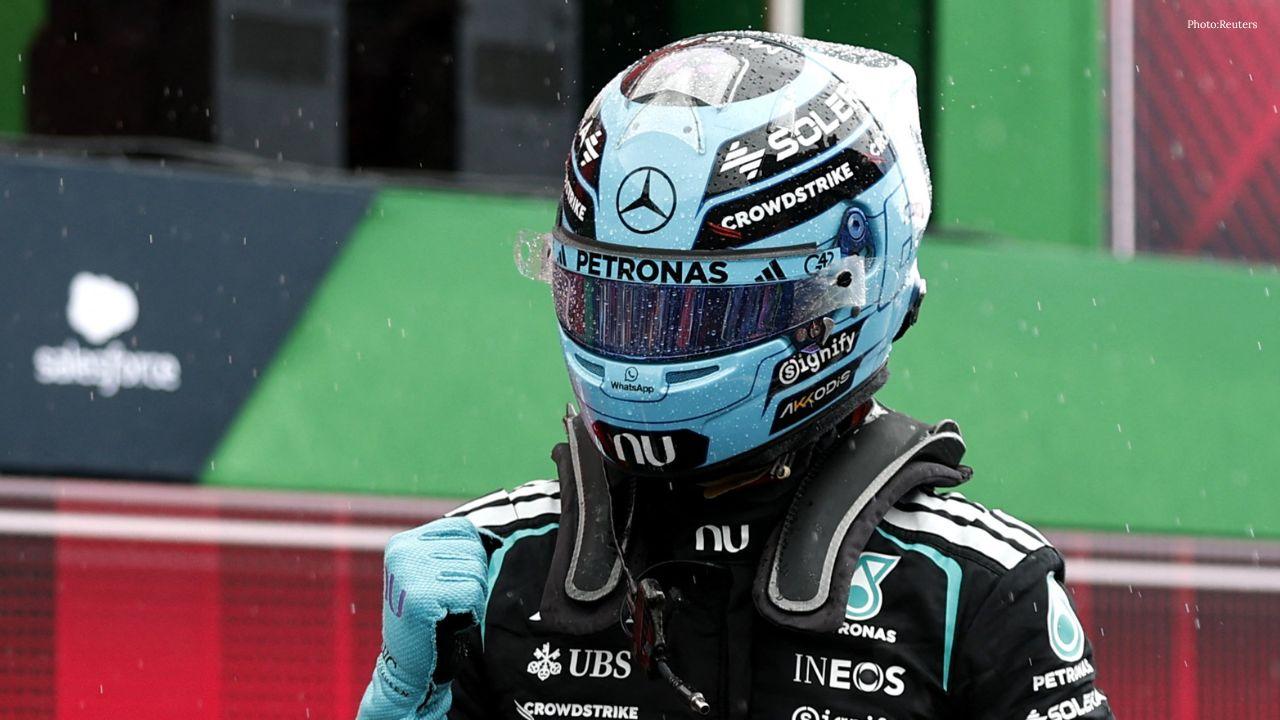





George Russell Wins Dutch GP Sprint, Boosts Mercedes Morale
George Russell wins the Dutch GP Sprint from pole as Mercedes teammate Kimi Antonelli extends his F1

Australia 50/3 After Bangladesh Bowled Out for 64 in Second Test
Australia reached 50/3 after Bangladesh were bowled out for 64 in the second Test, with Mitchell Sta

Jordan Burroughs Returns to Wrestling with 2028 Olympic Dream
Jordan Burroughs returns to wrestling with Real American Freestyle as the Olympic champion eyes a po
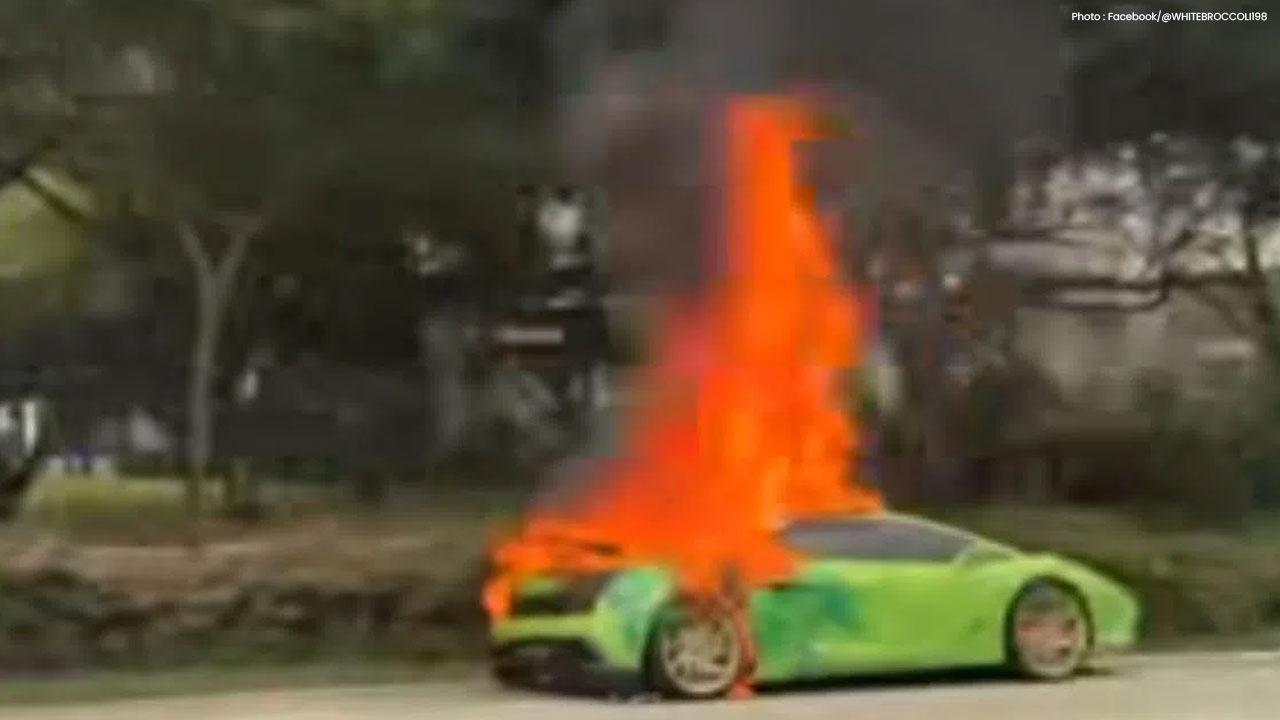
Lamborghini Catches Fire on Singapore's ECP, Causing Heavy Traffic
A Lamborghini caught fire on Singapore's ECP, causing heavy traffic and bus delays. No injuries were

Bangkok Airport Duty-Free Area Flooded by Pipe Burst
A burst water pipe flooded the duty-free shopping area at Bangkok's Suvarnabhumi Airport on July 16,
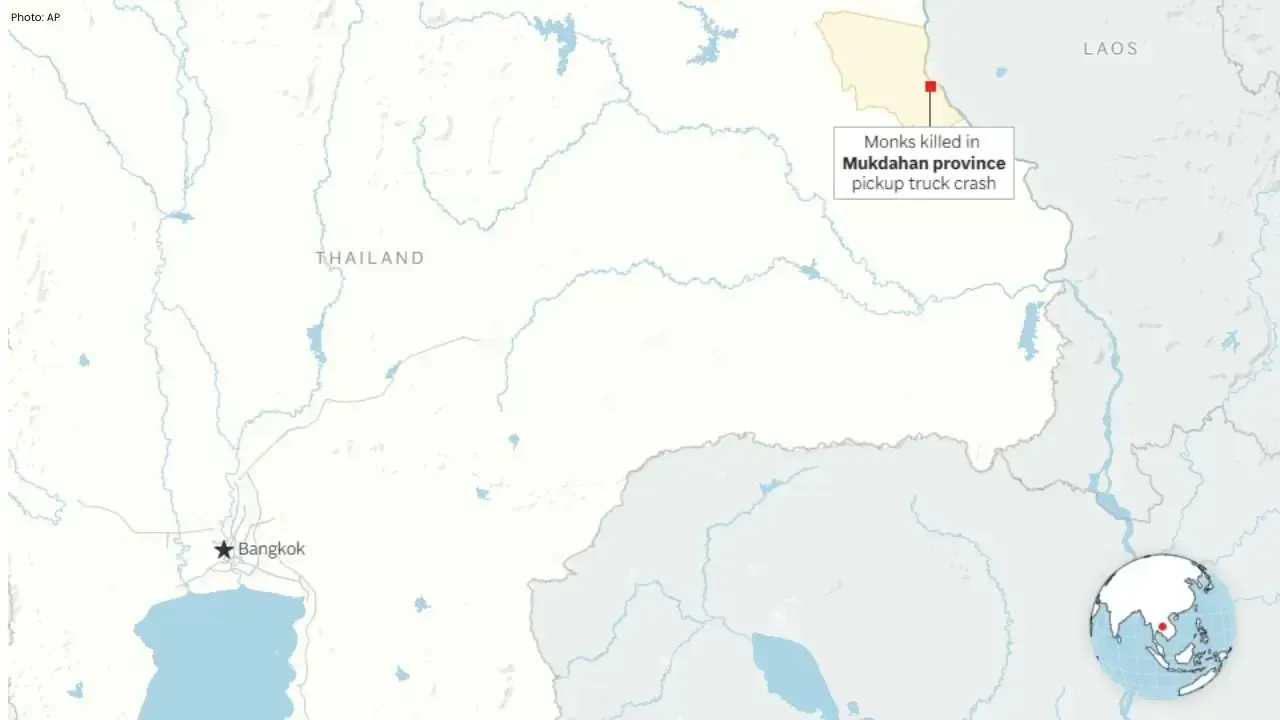
Nine Monks Killed in Thailand Pickup Truck Tragedy
An 11-year-old boy driving a pickup truck crashed into monks during a pilgrimage in northeastern Tha