You have not yet added any article to your bookmarks!
Join 10k+ people to get notified about new posts, news and tips.
Do not worry we don't spam!
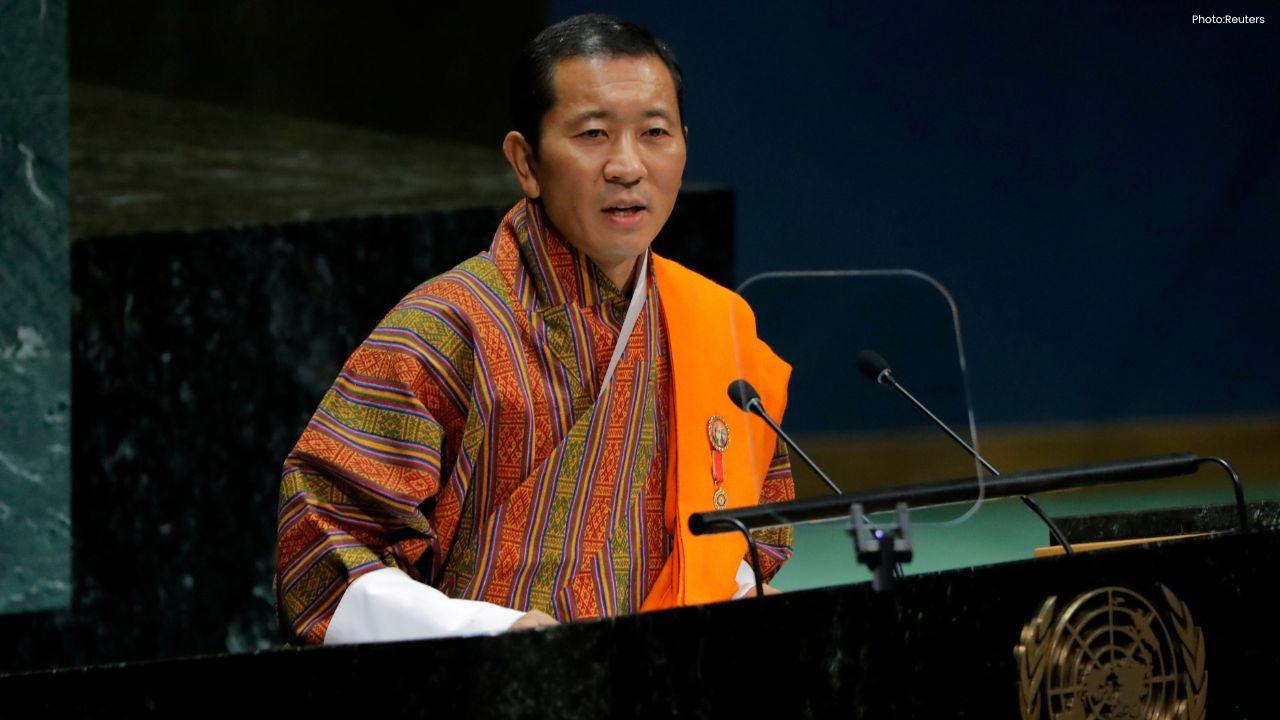
Post by : Rohit Dhiman
India and Bhutan are highlighting their longstanding relationship through a development partnership centred on connectivity, economic cooperation and regional growth. One of the projects drawing attention in this context is the Gelephu Mindfulness City, a major planned development in southern Bhutan close to the Indian border. The project has emerged as an important part of discussions around Bhutan's future economic development and its links with neighbouring India. Support for the initiative from Prime Minister Narendra Modi, the Government of India and the Government of Assam has also been highlighted. The development carries particular significance because of Gelephu's location. Situated in southern Bhutan near Assam, the city has the potential to strengthen existing links between Bhutan and India's northeastern region.
The Gelephu Mindfulness City is being developed in southern Bhutan as a large-scale economic and urban project. Its location near the Indian border gives it an important regional dimension. Gelephu is situated in Bhutan's Sarpang district and is connected geographically and commercially with India's northeastern region. As the project develops, these existing links could become increasingly important for trade, tourism, investment and movement between the two countries. The broader vision for the city includes modern infrastructure and economic opportunities while maintaining an emphasis on Bhutan's cultural identity, environmental priorities and approach to wellbeing. This combination is central to the concept behind the project. Rather than treating urban development only as an expansion of commercial and residential infrastructure, the initiative aims to create a development model incorporating economic activity, nature, culture and community life.
Prime Minister Narendra Modi's support for the initiative has been highlighted as part of India's broader engagement with Bhutan. The relationship between India and Bhutan has traditionally covered areas including infrastructure, hydropower, trade, education and people-to-people connections. In recent years, cooperation has also expanded into areas such as technology, connectivity and emerging economic opportunities. The reference to India's support for the Gelephu project underlines the importance of the initiative within the wider bilateral relationship. India's involvement is particularly relevant because of the project's location. Southern Bhutan is directly connected to India's northeastern states, meaning developments around Gelephu can have implications for cross-border connectivity and regional commerce.
The Government of Assam has also been mentioned in connection with support for the project. Assam's geographical proximity to southern Bhutan makes the state an important part of the wider regional picture. Gelephu's development could create opportunities for stronger links between Bhutan and Assam. Depending on future infrastructure and connectivity arrangements, these links could support tourism, commercial activity and the movement of goods and people. For Assam, closer engagement with southern Bhutan could also contribute to the state's role as a gateway between Bhutan and India's northeastern region. The potential benefits, however, will depend on the development of transportation infrastructure, border connectivity and economic networks over time.
The development of Gelephu is taking place against the backdrop of longstanding India Bhutan relations. India and Bhutan share close geographical, economic and cultural links. Their bilateral cooperation has included major development projects, particularly in the hydropower sector, as well as trade, education, infrastructure and connectivity. The two countries have also maintained strong government-level engagement over the years. Their relationship has gradually expanded beyond traditional development cooperation towards newer areas of economic and technological collaboration. The Gelephu project adds another layer to this relationship by focusing attention on southern Bhutan and its potential links with India's northeastern states.
For Bhutan, the project is being viewed as part of a broader effort to create new economic opportunities and diversify development. A large development centred around Gelephu could generate demand across several sectors, including tourism, hospitality, education, healthcare, technology, transportation and professional services. The city could also provide a platform for businesses and investors interested in accessing Bhutan while maintaining connections with nearby Indian markets. However, the long-term impact of such a large project will depend on how effectively infrastructure, investment, environmental protection and local economic participation are balanced.
The name Gelephu Mindfulness City reflects an important part of the project's concept. Bhutan has developed a distinctive international image around wellbeing, environmental conservation and cultural preservation. The proposed city seeks to incorporate these elements into a modern development framework. The project therefore goes beyond the idea of creating another commercial centre. Its vision includes a balance between economic development and the natural and cultural environment surrounding the area. That approach could become one of the defining features of the project as it moves forward.
The location of the city is one of its most significant characteristics. Gelephu lies close to India's Assam state, creating a natural point of interaction between Bhutan and the northeastern part of India. Existing border links already facilitate movement and commercial exchanges between the two countries. A larger economic centre in Gelephu could potentially increase the importance of these connections. Improved infrastructure could make it easier for tourists to travel between the two countries, for businesses to access regional markets and for communities on both sides of the border to maintain stronger economic links. The development could therefore have significance beyond Bhutan's domestic economy.
The project also reflects the broader idea of India Bhutan friendship, which has long been associated with mutual trust and development cooperation. Both countries have repeatedly placed emphasis on practical cooperation and close bilateral engagement. Their partnership has developed through infrastructure projects, energy cooperation, trade and strong people-to-people connections. The Gelephu initiative provides another area where these shared interests could come together. India's support and Assam's geographical proximity could help strengthen the project's regional connectivity, while Bhutan's development vision remains at the centre of the initiative.
The development of GMC could potentially influence economic activity across the wider India-Bhutan border region. A successful economic hub in southern Bhutan could attract businesses, tourists and service providers. It could also increase demand for transportation, hospitality and supporting infrastructure in nearby areas. For India's northeastern states, stronger links with Gelephu could provide additional opportunities for regional commerce and tourism. For Bhutan, the city could offer a way to create new economic activity while connecting the country more closely with neighbouring markets. The project's progress will therefore be watched not only in Bhutan but also across India's northeastern region.
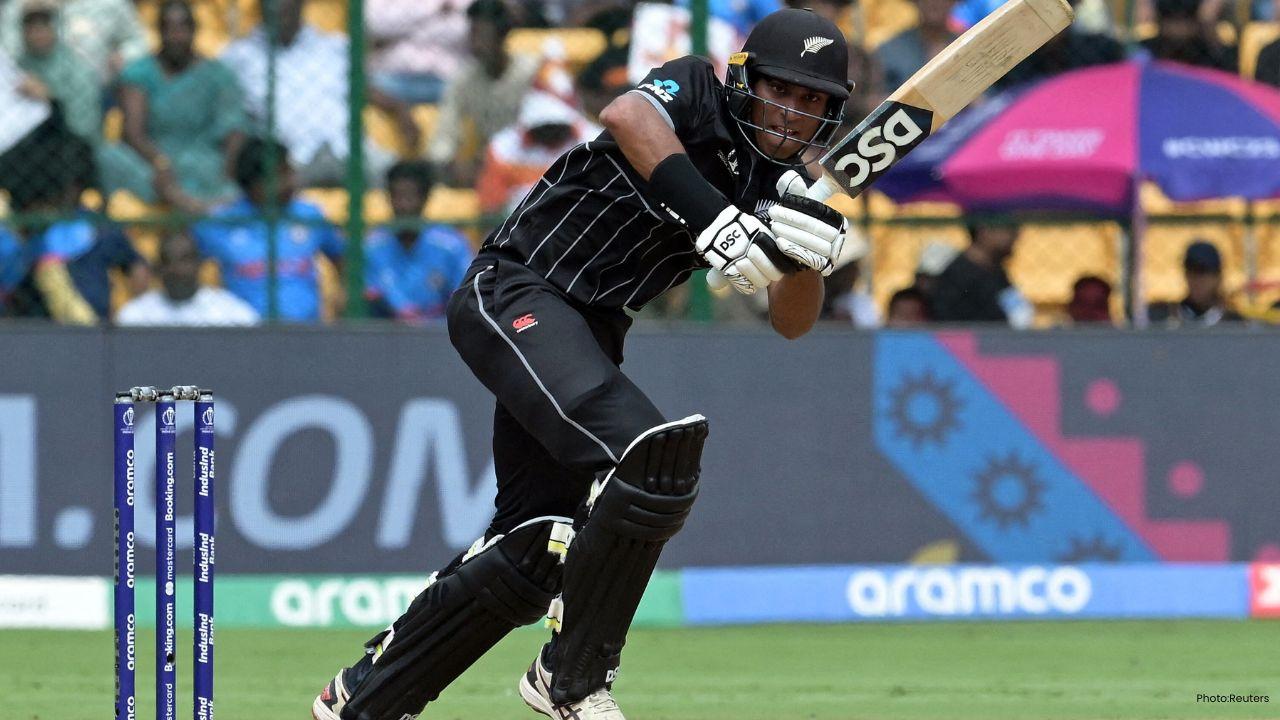
Read Also: Milne, Bracewell Return as Ravindra Misses New Zealand’s India T20 Series
Large-scale urban development also brings practical challenges. Infrastructure must keep pace with population and economic growth. Transportation networks need to be reliable, while environmental considerations are particularly important for a project that places sustainability and mindfulness at the centre of its identity. Another important factor will be ensuring that local communities can participate in and benefit from the economic opportunities generated by the development. The balance between investment, economic growth, environmental protection and Bhutan's cultural character will remain important as the project progresses.
Gelephu is located in southern Bhutan's Sarpang district, close to India's Assam state. The geographical position gives the development significance for both countries. Southern Bhutan already has established links with India's northeastern region, and the expansion of Gelephu could increase the importance of these connections. For Assam, the project could create opportunities related to tourism, trade and regional connectivity. For Bhutan, proximity to India provides access to a major neighbouring economy and transportation network. The wider region could therefore see greater economic interaction if infrastructure and cross-border connectivity continue to improve.
The Gelephu Mindfulness City is a major planned development in southern Bhutan designed around economic growth, modern infrastructure, sustainability, culture and wellbeing.
It is being developed in Gelephu in southern Bhutan's Sarpang district, close to India's Assam state.
India's support has been highlighted as part of the wider bilateral cooperation between India and Bhutan, particularly in development and regional connectivity.
Assam is geographically close to Gelephu. This proximity could support stronger connectivity, tourism and economic links between southern Bhutan and India's northeastern region.




Sri Lanka Economy Shows Resilience, But IMF Flags Growing Downside Risks
Sri Lanka economy remains resilient, but IMF warns of downside risks from energy costs, inflation an

Milne, Bracewell Return as Ravindra Misses New Zealand’s India T20 Series
New Zealand name squad for India T20 series as Rachin Ravindra misses the matches, while Adam Milne

David Miller Says Losing South Africa Contract Changes Nothing
David Miller remains committed to South Africa Cricket despite losing his national contract ahead of

Tiffany Teo Wins Singapore’s First Asian Games Gold in MMA
Singapore’s Tiffany Teo wins historic MMA gold at the Asian Games, securing the country’s first gold
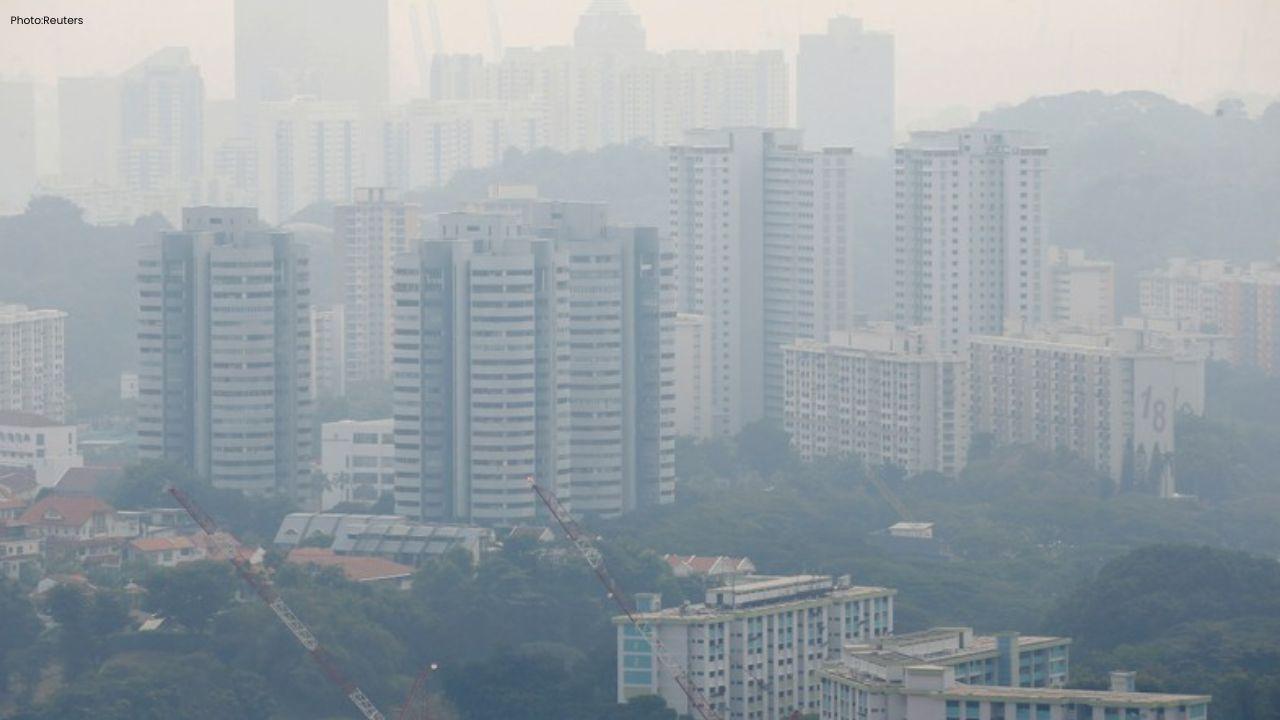
Air Quality Back At Unhealthy Levels In Central Singapore
Singapore haze returns as central PSI crosses 100, with smoke from fires in Sumatra and Kalimantan d
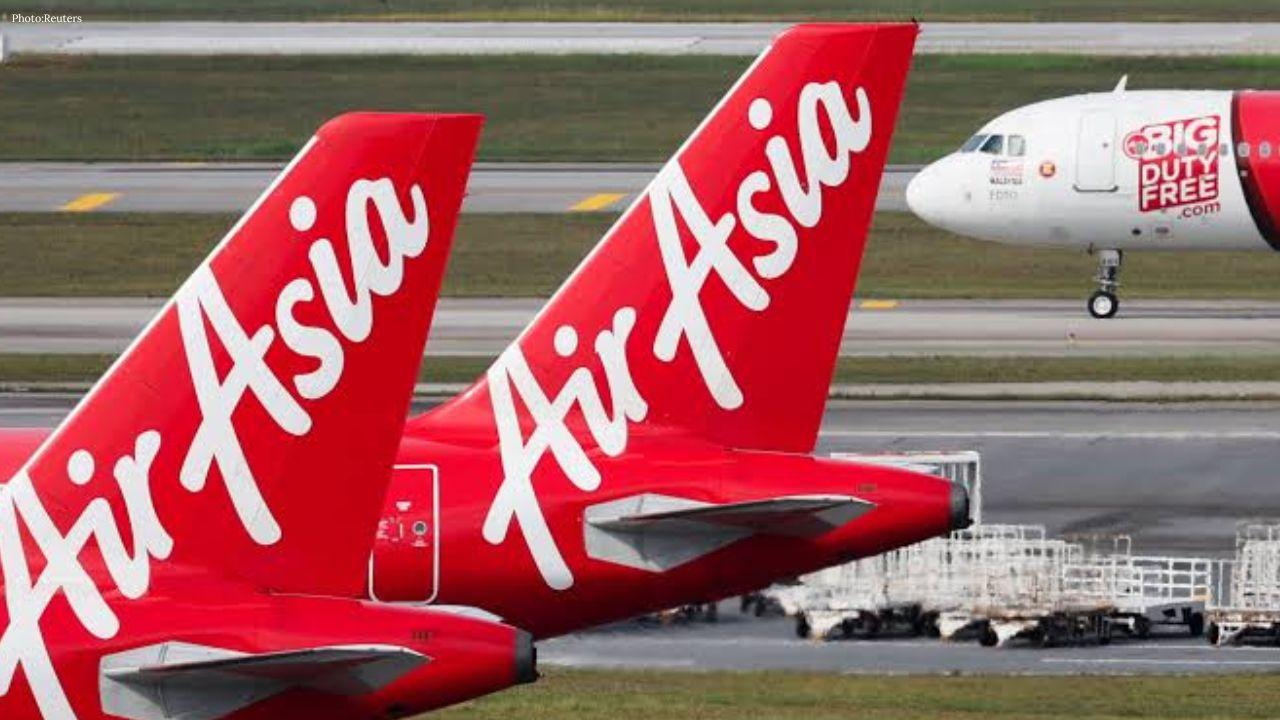
Don’t Lay Off Staff To Cut Costs, Union Urges AirAsia
Nufam urges AirAsia to protect workers as rising jet fuel costs and financial pressure raise concern