You have not yet added any article to your bookmarks!
Join 10k+ people to get notified about new posts, news and tips.
Do not worry we don't spam!
Post by : Rameen Ariff
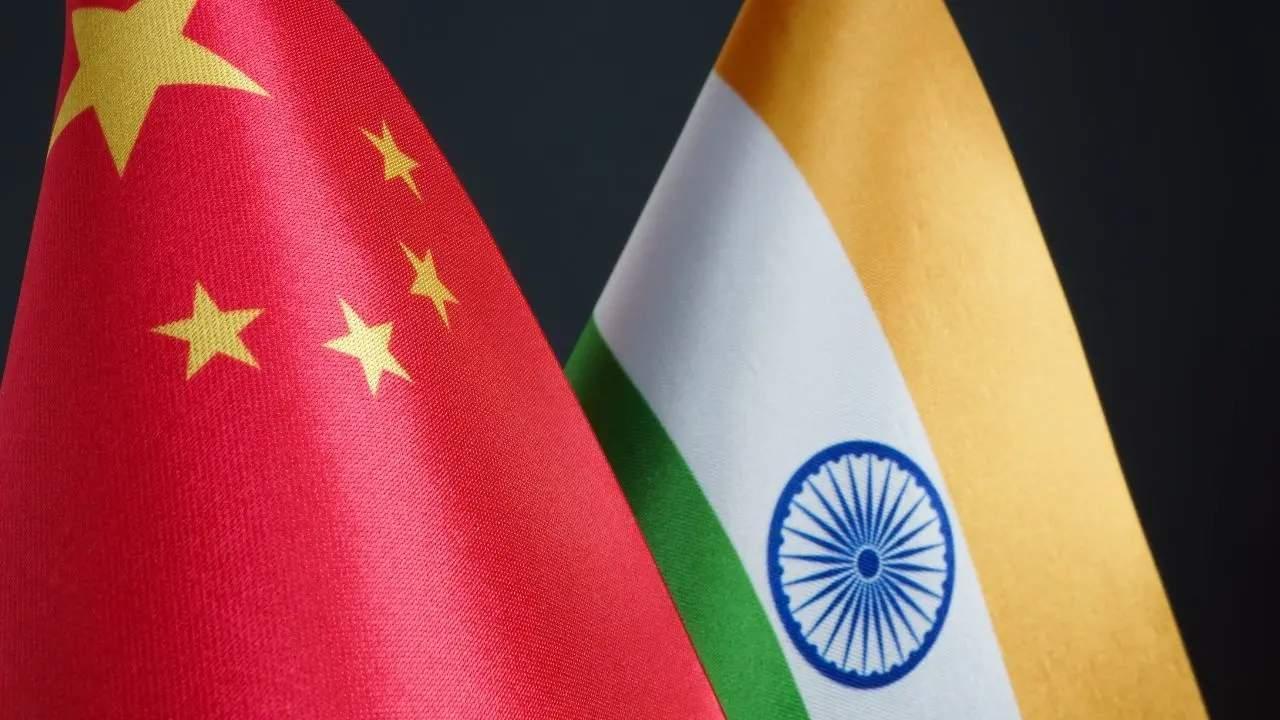
India has taken a significant step to accelerate business visas for Chinese professionals, aiming to strengthen economic ties with Beijing and address delays that have impacted key industries. For years, Chinese business visitors faced prolonged scrutiny and extensive vetting by multiple ministries, a process that had often stalled approvals for months. The move is seen as a major shift by the Indian government, designed to support sectors that rely heavily on Chinese technicians and specialized equipment.
Officials have confirmed that the administrative hurdles that once delayed visa approvals have now been removed, with business visas for Chinese professionals expected to be processed within four weeks. This policy change comes as part of a broader effort by Prime Minister Narendra Modi to cautiously rebuild engagement with China while simultaneously adjusting to steep tariffs imposed by the United States.
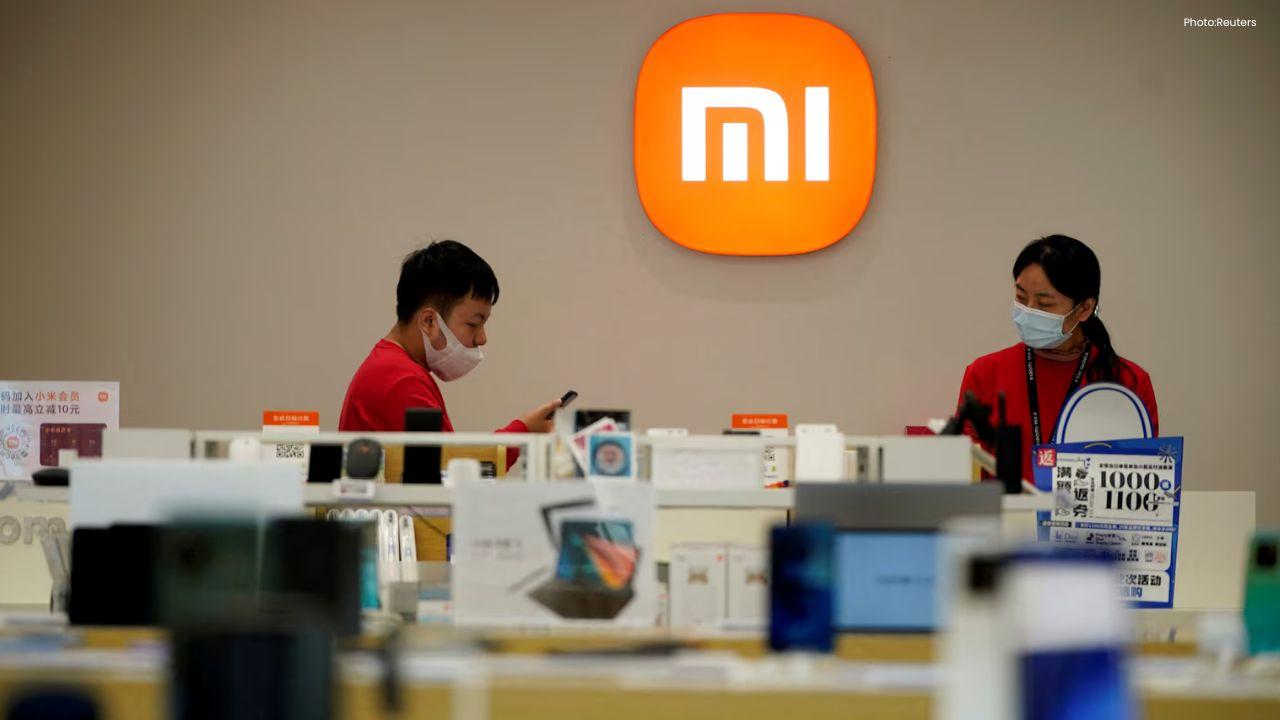
The prolonged visa delays had caused substantial economic losses for India. According to estimates by the Observer Research Foundation, the country lost approximately $15 billion in output over four years because electronics manufacturers struggled to bring in Chinese specialists essential for operating advanced machinery. Companies such as Xiaomi faced repeated setbacks due to the visa bottlenecks, highlighting the urgent need for reform.
The policy change follows Modi’s visit to China earlier this year, his first in seven years, during which he met President Xi Jinping to discuss ways to improve bilateral relations. Notably, direct flights between India and China resumed shortly after the visit, ending a suspension that had been in place since 2020.
This recalibration also aligns with India’s response to unexpected US tariffs. The United States imposed a 50 percent duty on Indian goods and introduced a 25 percent penalty on India’s purchase of Russian oil, prompting New Delhi to rethink its diplomatic priorities. In response, India has been working to reset ties with China, deepen cooperation with Russia, and continue trade negotiations with Washington. Additionally, the government has reduced consumption tax and eased labor regulations to attract more foreign investment.
While the Indian government has not yet issued an official statement confirming the visa changes, industry officials have welcomed the reform, noting that it will allow Chinese specialists to resume work in critical sectors, reduce production losses, and strengthen bilateral business cooperation. This policy shift signals India’s determination to prioritize economic recovery, maintain regional stability, and enhance trade ties with China while balancing international relations with other major powers.
This development is expected to benefit industries heavily reliant on Chinese technology and expertise, streamline operations for manufacturers, and improve India-China business relations at a crucial time for the global supply chain.
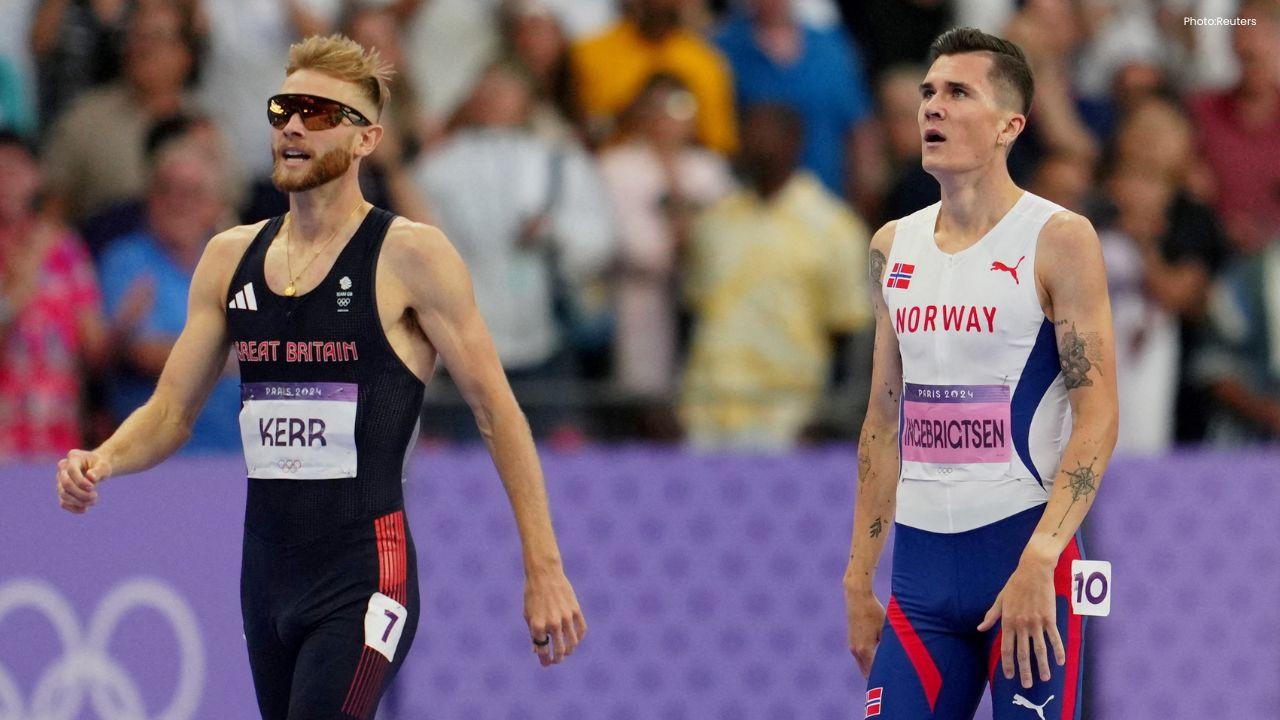

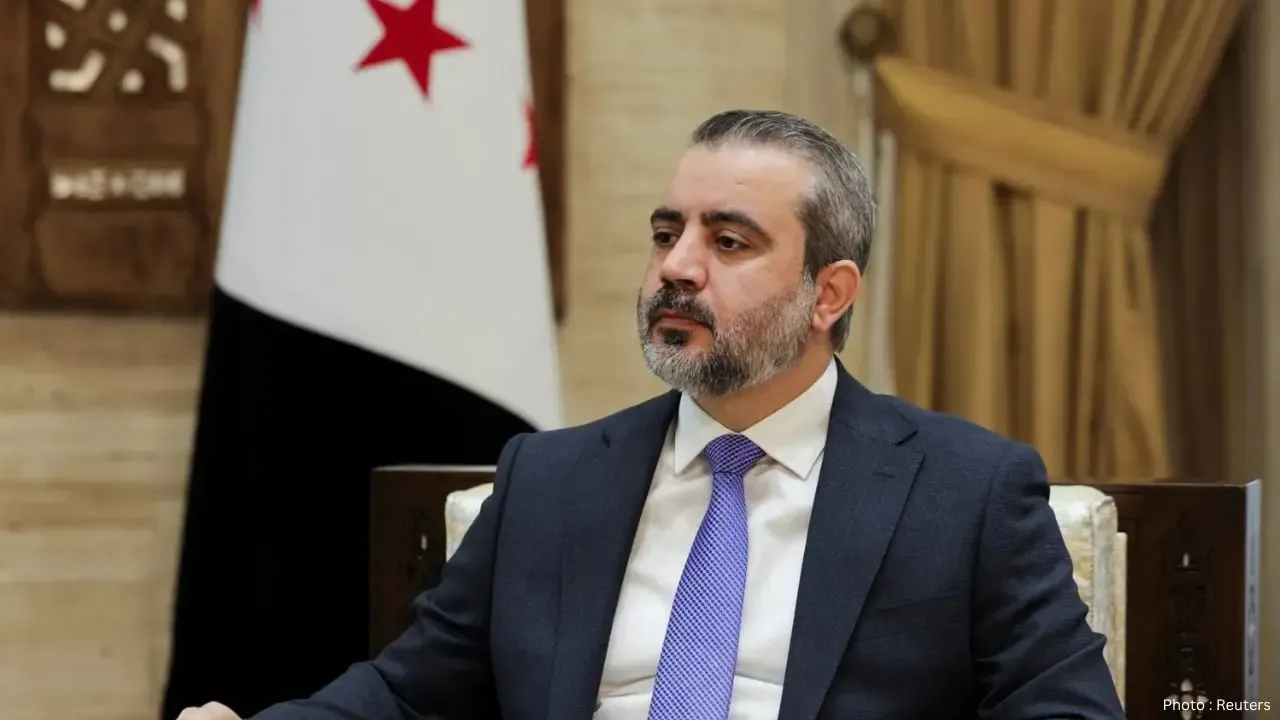

Josh Kerr and Jakob Ingebrigtsen Set for 1,500m Rivalry Rematch
Josh Kerr and Jakob Ingebrigtsen will renew their 1,500m rivalry at the Ultimate Championship in Bud

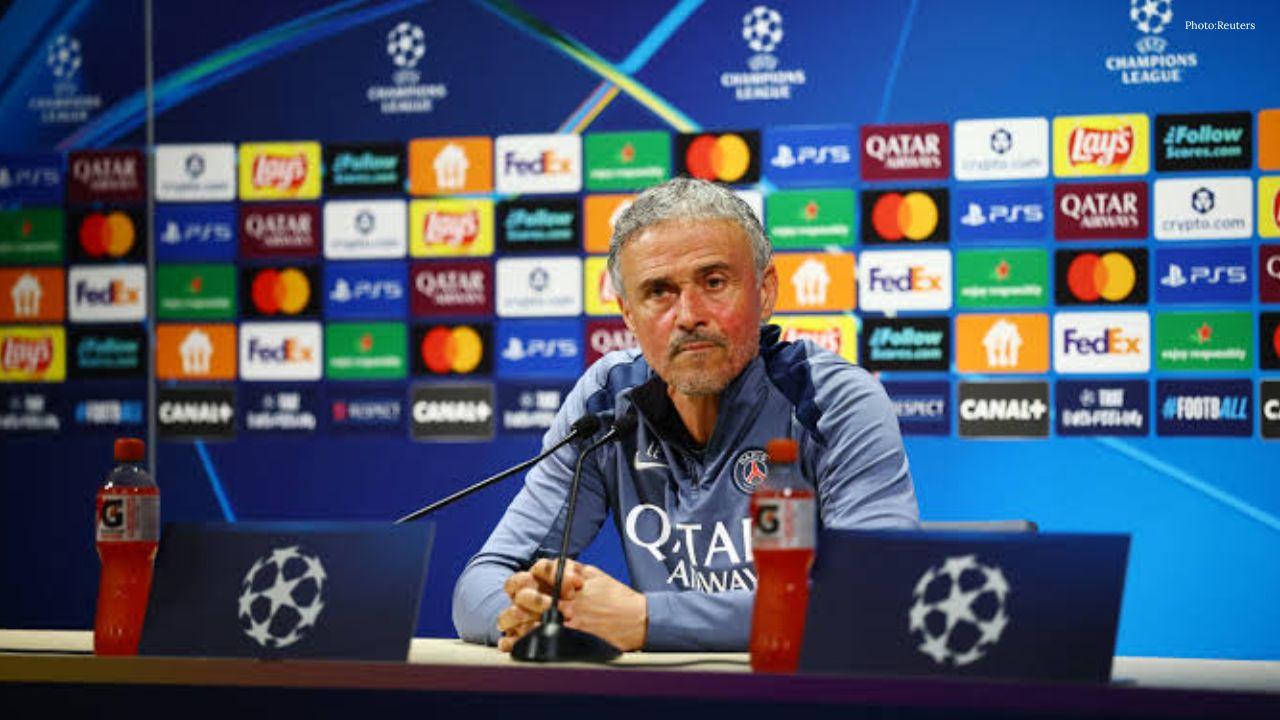
PSG Coach Luis Enrique Urges Players to Step Outside Comfort Zone
PSG coach Luis Enrique says players must leave their comfort zone and keep improving as the club tar

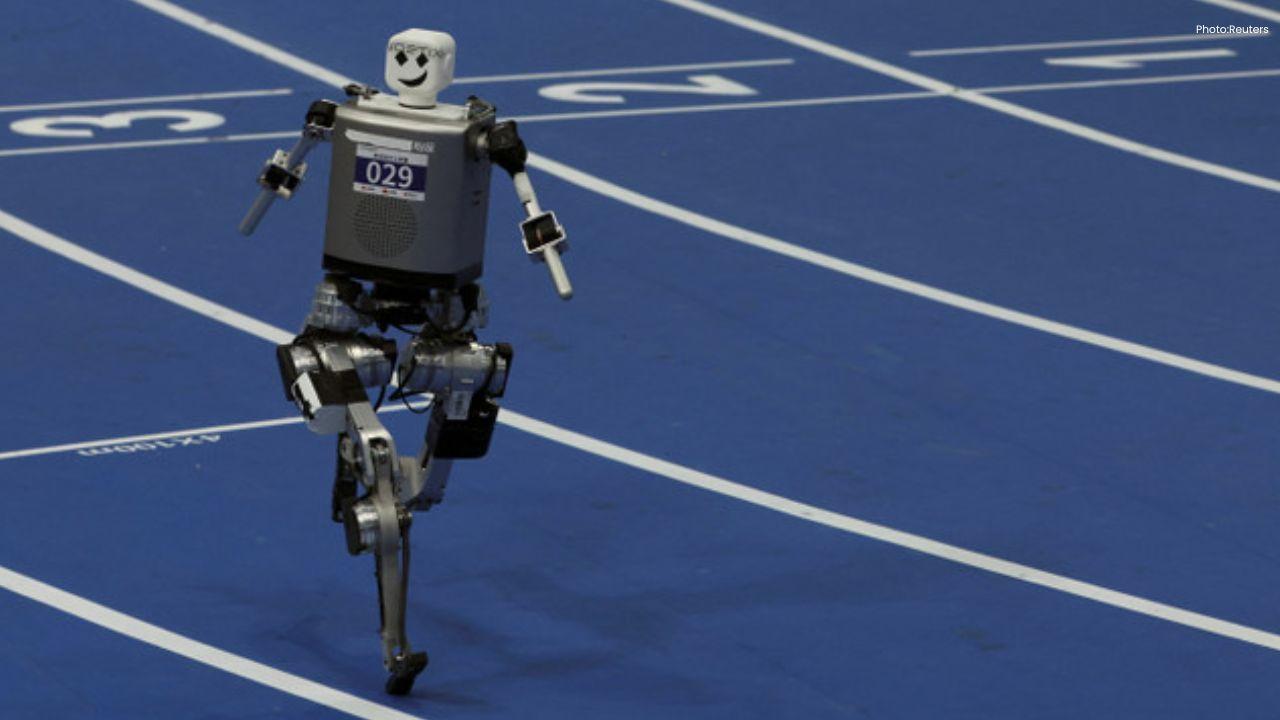
China’s Tiangong Sets New 400m Record at Robot Olympics
China’s Tiangong robot sets a new 400m record at the Robot Olympics, beating a South African robot i
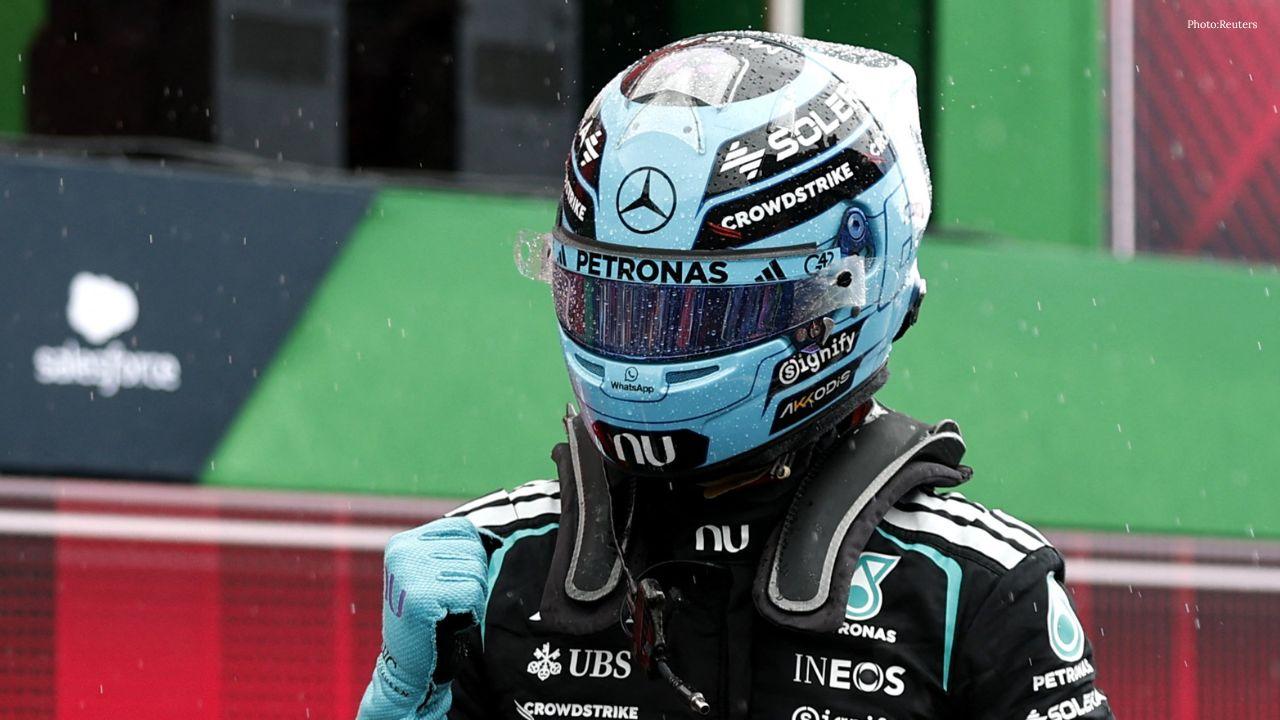
George Russell Wins Dutch GP Sprint, Boosts Mercedes Morale
George Russell wins the Dutch GP Sprint from pole as Mercedes teammate Kimi Antonelli extends his F1
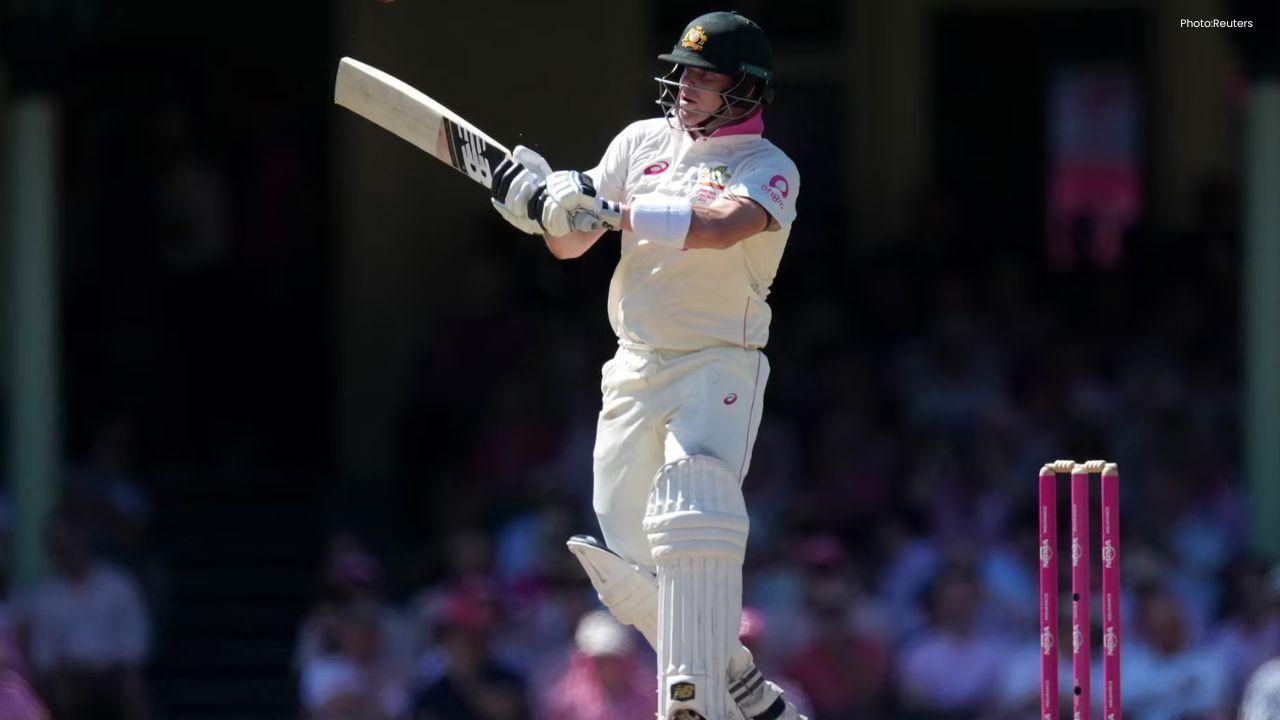
Australia 50/3 After Bangladesh Bowled Out for 64 in Second Test
Australia reached 50/3 after Bangladesh were bowled out for 64 in the second Test, with Mitchell Sta
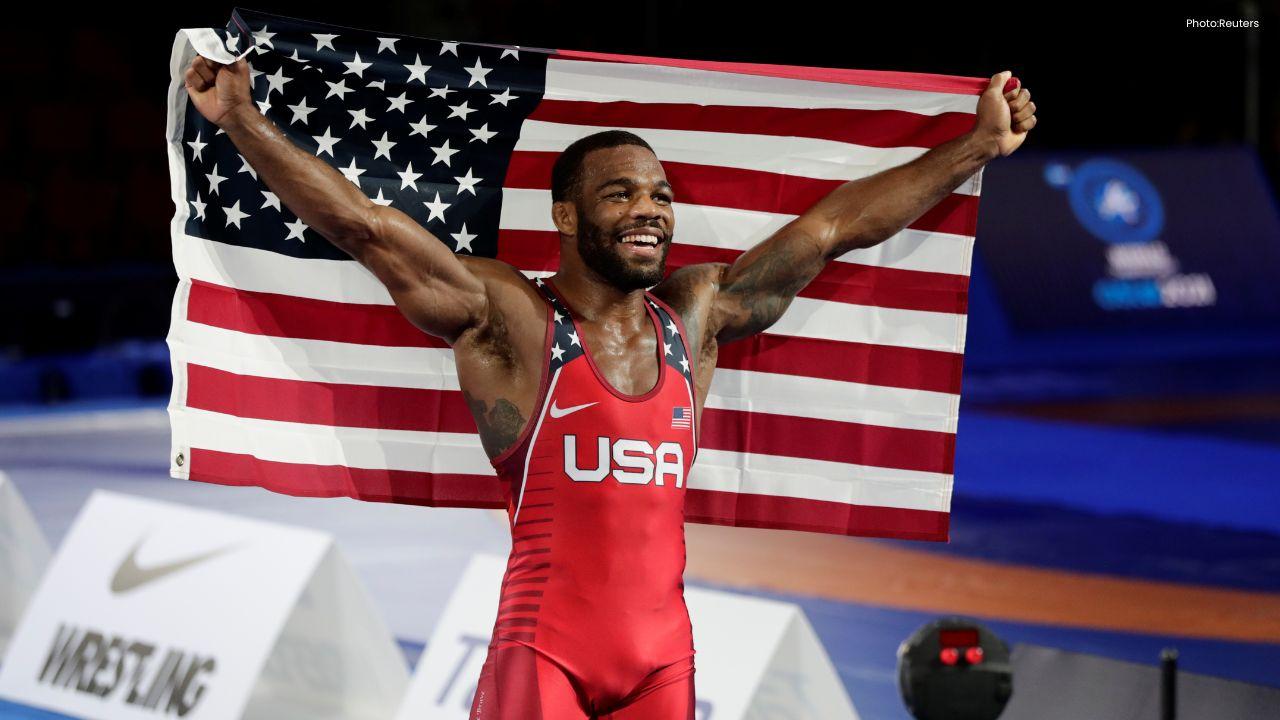
Jordan Burroughs Returns to Wrestling with 2028 Olympic Dream
Jordan Burroughs returns to wrestling with Real American Freestyle as the Olympic champion eyes a po