
You have not yet added any article to your bookmarks!
Join 10k+ people to get notified about new posts, news and tips.
Do not worry we don't spam!
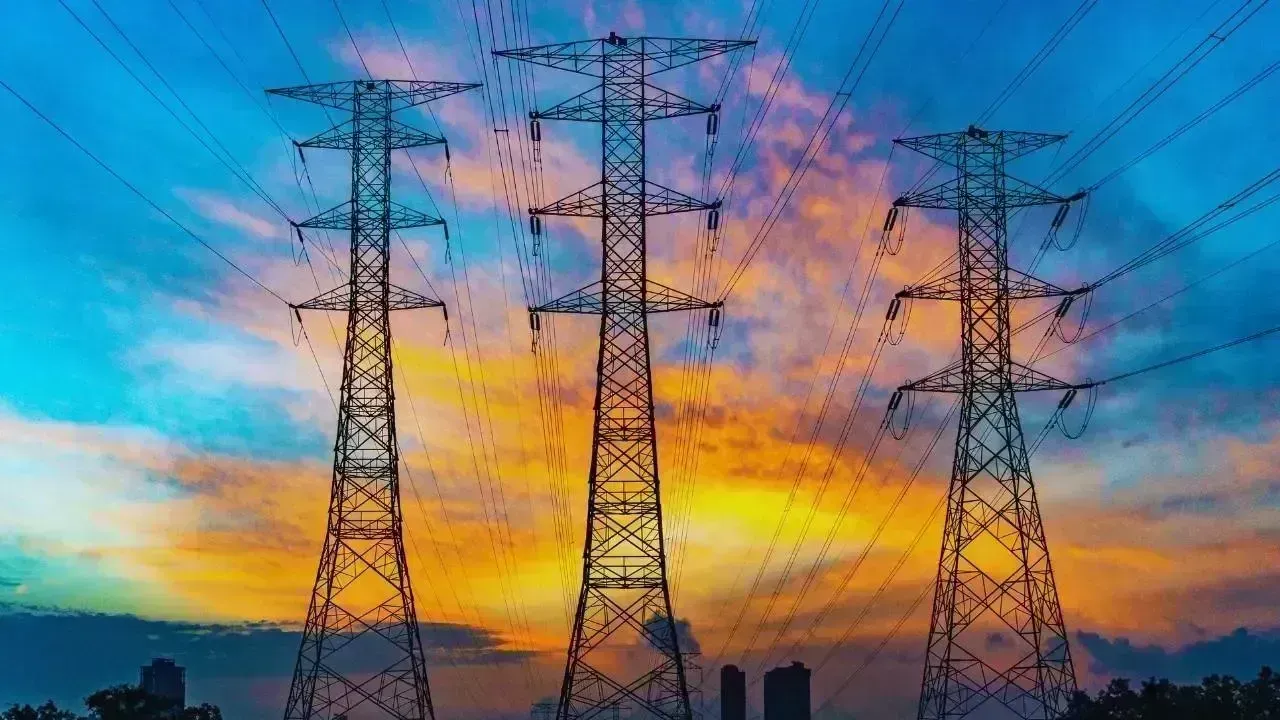
Post by : Anis Farhan
Electricity is often noticed only when it fails. For most of the year, power flows silently into homes, factories, hospitals, and digital networks without drawing attention. But when officials begin issuing alerts, when grid operators speak of “stress conditions,” and when demand charts hit record highs, electricity becomes a national concern.
India’s power grid is currently under such scrutiny. Rapid demand growth, heat-driven consumption spikes, uneven regional supply, and transmission constraints have pushed the system closer to its operational limits. While authorities have moved quickly to reassure the public, the situation highlights long-standing challenges in India’s energy architecture.
This is not a story of imminent collapse, but of a system operating under pressure — and what that pressure reveals about the future of India’s power needs.
Grid stress does not necessarily mean blackouts are inevitable. It refers to a condition where electricity demand approaches or temporarily exceeds comfortable supply margins, reducing the system’s flexibility to absorb shocks.
When reserves are thin, even minor disruptions — a plant outage, transmission fault, or sudden demand spike — can have outsized effects.
A stressed grid can still function, but with reduced safety buffers. Officials monitor frequency, load balance, and reserve margins continuously to prevent stress from tipping into failure.
One of the biggest drivers of recent stress has been extreme heat. Rising temperatures push air-conditioner usage sharply higher, especially in urban centres, causing sudden load spikes during peak hours.
Industrial production, infrastructure projects, and commercial activity have also contributed to higher baseline demand. Unlike seasonal household consumption, industrial load remains steady and difficult to curtail.
As more households adopt energy-intensive appliances, per-capita electricity consumption continues to rise, adding long-term pressure to the grid.
Officials from the Ministry of Power have stated that the system remains stable and that contingency plans are in place. According to them, demand-supply mismatches are being managed through real-time coordination and reserve deployment.
The Central Electricity Authority has acknowledged periods of tight supply but maintains that advance planning, improved forecasting, and inter-regional transfers are helping prevent widespread disruptions.
Major grid operators and transmission utilities have been instructed to remain on high alert, ensuring rapid response to faults and load imbalances.
India’s power generation capacity is not evenly spread. Some regions produce surplus electricity, while others rely heavily on imports from the national grid.
Even when sufficient power exists nationally, transmission constraints can prevent smooth flow across regions, intensifying stress in high-demand zones.
Heatwaves and storms do not affect all regions equally, leading to simultaneous spikes in demand and local disruptions.
Despite renewable expansion, coal remains the backbone of India’s electricity supply. Any disruption in coal availability immediately tightens supply margins.
Officials have flagged that coal stock levels at power plants are being monitored closely. Rail and port logistics play a critical role in maintaining steady generation.
While reducing coal dependence remains a long-term objective, officials emphasise that reliability cannot be compromised during peak demand periods.
Renewables now account for a growing portion of India’s installed capacity. During daylight hours, solar generation provides significant relief to the grid.
However, solar and wind generation are inherently variable. Sudden drops in output due to weather changes can add stress if not balanced by storage or backup capacity.
Grid stress highlights the urgency of investing in storage, forecasting tools, and flexible generation to integrate renewables smoothly.
Some transmission corridors are operating near capacity, particularly during peak demand. Aging infrastructure increases vulnerability to faults.
While new transmission projects are underway, they often lag behind demand growth, creating temporary choke points.
Smart grids, real-time monitoring, and automation are increasingly essential to manage complex load patterns.
While nationwide outages are unlikely, officials have not ruled out localised load management in extreme situations.
Industries may be asked to shift non-essential consumption away from peak hours to ease pressure on the grid.
Authorities often urge citizens to use electricity responsibly during peak hours, emphasising collective participation in grid stability.
Even brief disruptions can affect manufacturing, services, and digital infrastructure, leading to economic losses.
Running backup plants, importing power, or operating less efficient units raises overall system costs, which may eventually affect tariffs.
Reliable power supply is critical for investment sentiment. Persistent grid stress can raise concerns about infrastructure adequacy.
India has faced similar stress during past heatwaves and economic rebounds. Each episode has driven incremental improvements in planning and coordination.
Compared to earlier years, demand forecasting and inter-agency coordination have improved significantly, reducing the risk of sudden failures.
Grid operators are using advanced tools to manage frequency and load in real time, adjusting supply dynamically.
Surplus power from low-demand regions is being redirected to high-demand areas to maintain balance.
Backup generation and reserve margins are being prioritised during peak demand windows.
New thermal, hydro, and renewable projects are planned to meet rising demand over the next decade.
Battery storage and pumped hydro projects are increasingly seen as critical to reducing grid stress.
Encouraging efficient appliances, smart meters, and time-of-day pricing can flatten peak demand curves.
Climate change is increasing the frequency and intensity of heatwaves, storms, and floods, all of which strain power infrastructure.
Future grid planning must account for extreme conditions rather than historical averages.
Power concerns spread fast because electricity underpins daily life. Even precautionary advisories can trigger public anxiety.
Officials stress the importance of transparent, timely communication to prevent misinformation and panic.
Experts agree that current stress is manageable, but it serves as a warning that demand is outpacing infrastructure upgrades.
How effectively the grid handles these pressures will shape confidence in India’s energy transition.
India’s power grid is holding steady, but not without strain. Rising demand, climate-driven extremes, and infrastructure gaps have brought the system under stress, prompting heightened monitoring and official reassurances. While immediate risks appear contained, the episode underscores a larger truth: India’s energy ambitions require faster, smarter, and more resilient grid development.
The conversation now must move beyond crisis management to long-term preparedness. Because in a rapidly growing economy, electricity is not just a utility — it is the foundation of progress.
This article is for informational purposes only and does not constitute technical, regulatory, or investment advice. Power supply conditions and policy responses may change based on demand, weather, and operational factors. Readers are advised to rely on official communications for real-time updates.








AI Companies Expected to Drive Most US Earnings Growth in Q3
AI companies are expected to drive US third-quarter earnings growth as investors assess tech profits

Money Market Funds See Record Inflows as Global Bond Selloff Intensifies
Global money market funds attract $153.81 billion as bond yields rise, inflation fears persist and i

Meta Bans TikTok Ads on Facebook and Instagram in Seven Countries
Meta has banned TikTok ads in seven countries, escalating competition over social media users, adver

ASML and Zeiss Target Next-Generation Chip Technology in 10 Years
ASML and Carl Zeiss are developing Hyper NA technology to print smaller chip circuits, with the next

Rabada Misses First Australia Test as South Africa Pick Two Spinners
Kagiso Rabada misses the opener as South Africa vs Australia begins, with Anrich Nortje returning an

Starc Compares Australia's Tough Year to McIlroy's Major Sweep
Mitchell Starc says Australia winning three away Test series and the World Cup would match Rory McIl

