You have not yet added any article to your bookmarks!
Join 10k+ people to get notified about new posts, news and tips.
Do not worry we don't spam!
Post by : Anis Farhan
After years of disruption, uncertainty, and cautious travel, India’s tourism industry has entered a strong revival phase in 2026. Travel demand—both domestic and international—has surged, supported by improved connectivity, digital travel platforms, visa reforms, and a renewed appetite for experiences over possessions.
Tourism is no longer just about leisure. In 2026, it has become a driver of employment, regional development, and cultural diplomacy. From pilgrimage circuits and eco-tourism to luxury rail journeys and adventure travel, India’s tourism rebound is broad-based and accelerating.
Several structural shifts are driving the rebound:
Rising disposable incomes and travel-first spending habits
Improved highways, airports, and regional connectivity
Strong push for spiritual and heritage tourism
Growing global interest in experiential and sustainable travel
Social media-driven destination discovery
Together, these forces are transforming both traditional and lesser-known destinations.
Kashmir has emerged as one of India’s most visited destinations in 2026, marking a dramatic turnaround.
Improved security perception
Year-round tourism promotion
Winter sports and snow tourism
Enhanced flight connectivity
From Gulmarg’s ski slopes to Dal Lake’s houseboats, Kashmir has re-established itself as a premier all-season destination.
Ayodhya has become one of the fastest-growing tourism hubs in the country.
Completion of major religious infrastructure
Improved roads, railways, and airport connectivity
Massive rise in domestic pilgrimage travel
Ayodhya’s transformation has also boosted hospitality, retail, and local employment.
Varanasi continues to attract both domestic and international tourists in large numbers.
Riverfront redevelopment
Cultural and heritage tourism
Improved urban infrastructure
The city’s blend of ancient traditions and modern facilities has made it one of India’s most photographed destinations in 2026.
Lakshadweep has emerged as a major alternative to international island destinations.
Crystal-clear waters and coral reefs
Eco-sensitive tourism policies
Limited-capacity, high-value travel model
With controlled development and premium experiences, Lakshadweep is positioning itself as India’s answer to the Maldives.
Rajasthan continues to thrive by modernizing its heritage appeal.
Palace hotels and experiential stays
Cultural festivals and desert tourism
Luxury train journeys
Cities like Jaipur, Udaipur, and Jaisalmer remain top choices for both domestic and foreign travelers.
India’s Northeast has moved firmly into the tourism spotlight in 2026.
Meghalaya – waterfalls, caves, and eco-tourism
Sikkim – clean tourism and mountain retreats
Arunachal Pradesh – unexplored landscapes
Improved air connectivity and border tourism initiatives have unlocked the region’s potential.
Goa has reinvented itself beyond party tourism.
Wellness and yoga retreats
Monsoon tourism promotion
Heritage villages and hinterland travel
This diversification has helped Goa attract year-round visitors.
Kerala remains a global leader in responsible tourism.
Backwaters and Ayurveda tourism
Community-led eco-tourism
Strong international branding
Kerala’s model shows how sustainability and tourism growth can coexist.
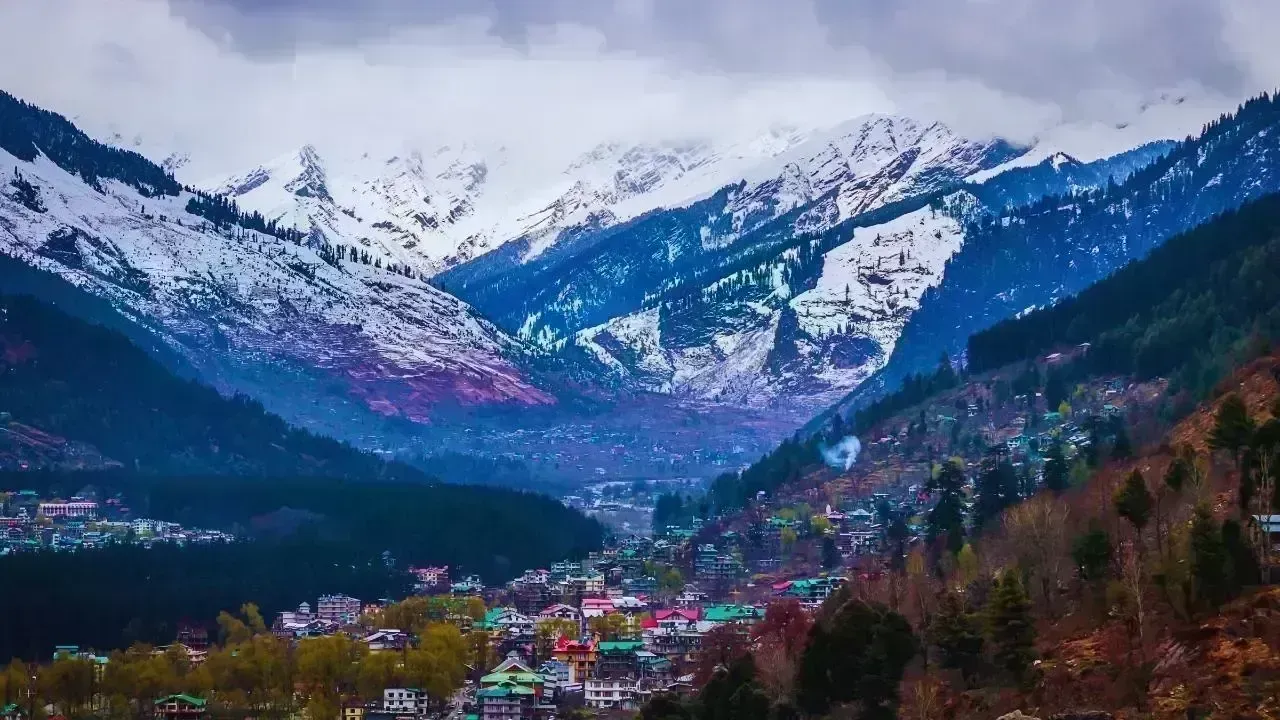
Himachal Pradesh and Uttarakhand continue to draw heavy footfall.
Work-from-mountains culture
Adventure tourism
Char Dham and religious circuits
Authorities are now focusing on crowd management and ecological balance.
India has seen a steady rise in foreign tourist arrivals in 2026, driven by:
Simplified visa processes
Global interest in spiritual and wellness travel
Competitive pricing compared to global destinations
Cities like Delhi, Mumbai, Agra, and Jaipur remain key gateways.
Major investments in:
New airports and regional routes
Expressways and highways
Digital ticketing and tourism apps
have reduced travel friction and boosted multi-destination trips.
Tourism is now a major contributor to:
Employment generation
MSME growth
State revenues
The rebound has benefited hotels, transport, handicrafts, and local businesses.
Despite the surge, challenges persist:
Over-tourism in sensitive areas
Environmental stress
Capacity constraints
Sustainable planning will be critical to maintain long-term growth.
Slow travel and longer stays
Experiential and local immersion
Wellness and spiritual journeys
Digital nomad tourism
India is adapting quickly to these global preferences.
For travelers, 2026 offers:
More destination choices
Better infrastructure
Improved safety and services
India is easier, richer, and more rewarding to explore than ever before.
India’s tourism rebound in 2026 is not just a recovery—it is a reinvention. The sector is moving beyond traditional circuits, unlocking new regions, empowering local communities, and redefining the travel experience.
From the Himalayas to the islands, from spiritual capitals to hidden villages, India’s destinations are telling new stories—and the world is listening.
As long as growth is balanced with sustainability, India’s tourism revival could become one of the country’s strongest economic and cultural success stories of the decade.
Disclaimer:
This article is for informational purposes only. Travel conditions, regulations, and infrastructure developments may change based on government policies and local guidelines.






Meta Bans TikTok Ads on Facebook and Instagram in Seven Countries
Meta has banned TikTok ads in seven countries, escalating competition over social media users, adver

ASML and Zeiss Target Next-Generation Chip Technology in 10 Years
ASML and Carl Zeiss are developing Hyper NA technology to print smaller chip circuits, with the next

Rabada Misses First Australia Test as South Africa Pick Two Spinners
Kagiso Rabada misses the opener as South Africa vs Australia begins, with Anrich Nortje returning an

Starc Compares Australia's Tough Year to McIlroy's Major Sweep
Mitchell Starc says Australia winning three away Test series and the World Cup would match Rory McIl

France’s Sesterce Plans $11 Billion AI Data Centre in Finland
Sesterce plans a $11 billion AI data centre in Finland, with major expansion, green energy plans and

Danaher to Launch AI-Powered Autonomous Research Lab in 2027
Danaher plans an AI research lab for 2027, combining robotics and automation to speed up drug discov