You have not yet added any article to your bookmarks!
Join 10k+ people to get notified about new posts, news and tips.
Do not worry we don't spam!
Post by : Anis Farhan
Photo:Reuters
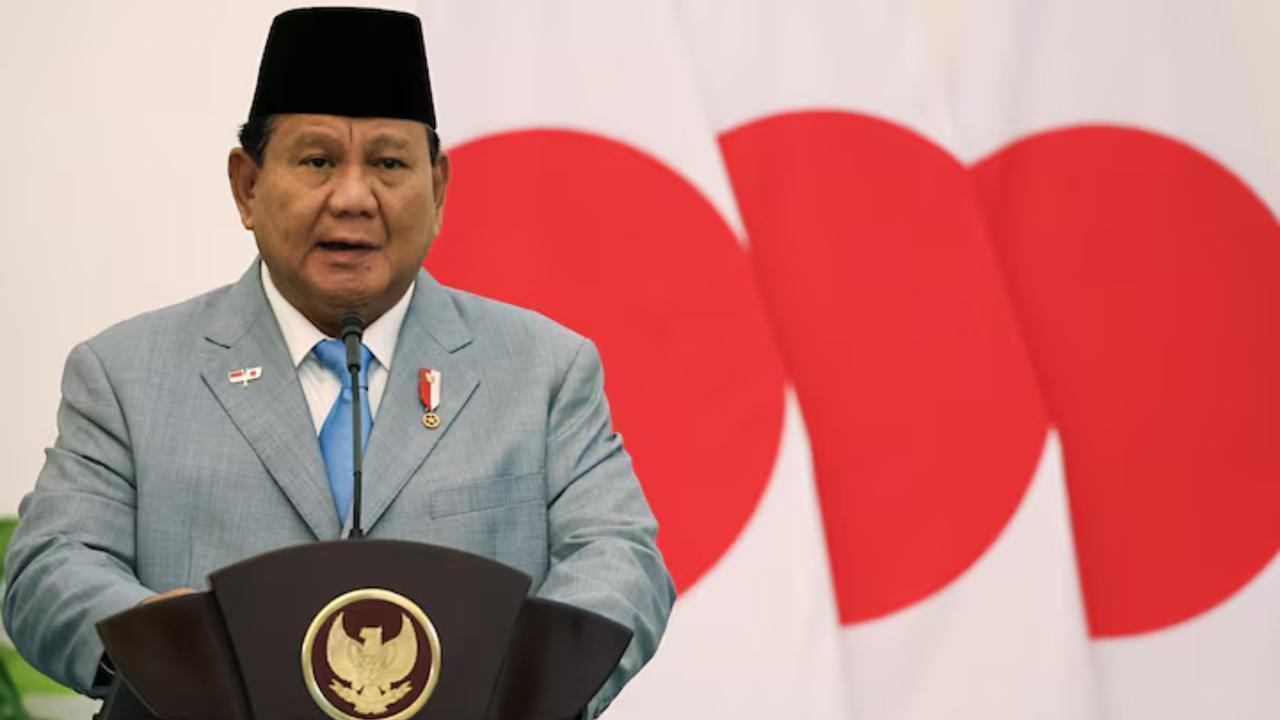
In a surprising shift from traditional civil-military boundaries, Indonesia’s Ministry of Defence has announced that the country’s military will begin manufacturing and distributing medicines for civilian use. This move is part of a broader government strategy to bolster domestic pharmaceutical production and reduce reliance on imported drugs. While the policy is being positioned as a national resilience measure, it has ignited widespread debate and drawn serious concern from civic bodies, rights advocates, and public health professionals.
The plan involves state-owned military firms partnering with pharmaceutical entities to produce essential drugs, including antibiotics, anti-malarials, and chronic illness medications. According to officials, the initiative aims to boost healthcare security, especially in remote regions where supply chains remain unreliable. The Defence Ministry has stated that the military’s robust logistical capabilities make it a practical player in drug distribution.
However, rights groups argue that this blurs critical lines between civilian and military jurisdictions. Civic watchdogs fear that increased military involvement in civilian sectors could erode transparency, weaken regulatory safeguards, and concentrate too much power in an institution that is already under limited civilian oversight. Human rights organizations have cited past instances of military-led projects in Indonesia that operated with minimal public scrutiny, raising red flags about governance.
Indonesia’s health and civic policy experts have also expressed discomfort with the lack of clear checks and balances. Dr. Siti Rahmawati, a Jakarta-based public health analyst, voiced strong reservations: “The military is designed for defense and national security, not health governance. Injecting military control into public health delivery risks undermining democratic accountability.”
This development also comes amid broader trends of military expansion under the current administration, which has actively promoted defense forces’ participation in disaster relief, infrastructure, and now public health. President Joko Widodo has argued that the military’s discipline, scale, and organization make it well suited to handle large-scale initiatives. While this approach has yielded operational success in emergencies, experts warn that normalizing military roles in peacetime governance can have long-term implications for civil liberties and institutional balance.
The Indonesian Medical Association (IDI) has cautiously welcomed the potential to expand pharmaceutical output but demanded full adherence to health safety regulations. The group emphasized that all medicines manufactured must meet national and international standards and be subject to independent evaluation by civilian regulatory agencies.
Legal analysts are equally concerned about how this policy might affect the country’s legislative framework. The Indonesian Constitution provides for strict separation of military and civilian spheres. Critics argue that this initiative, while well-intentioned on paper, could set a dangerous precedent unless embedded within a clear legal and ethical structure.
International observers are also watching closely. Indonesia, as Southeast Asia’s largest democracy, has often been seen as a barometer for civil-military relations in the region. A shift toward deeper military involvement in civilian life could influence policy models in neighboring countries, particularly those with histories of authoritarian rule.
Despite the criticism, government spokespeople maintain that the plan is about national interest, not military overreach. They have promised transparency, public reporting, and regulatory collaboration. Still, many remain unconvinced, urging parliamentary oversight and third-party monitoring mechanisms to be put in place before any rollout begins.
This policy push comes at a time when access to affordable medicine is a pressing issue across Indonesia. The COVID-19 pandemic exposed severe gaps in the country’s pharmaceutical self-reliance. By involving the military, the government likely hopes to fast-track infrastructure deployment and logistical support. However, the social and political costs of doing so remain an open question.
Civil society groups are now mobilizing to call for public forums, expert panels, and regulatory input into the policy framework. Some are even demanding that the plan be halted until a more robust legal mechanism is created to define and limit military roles in this context.
As Indonesia enters a new era of national development, the line between efficiency and overreach is being closely scrutinized. While the military’s role in disaster response has been largely applauded, its entry into the pharmaceutical sector raises fundamental questions about transparency, authority, and the future shape of governance in one of Asia’s most influential democracies.
This article was written for Newsible Asia to deliver accurate and up-to-date reporting on critical civic developments across the Asian region. Information presented is based on public records, official statements, and expert interviews. Newsible Asia does not hold liability for changes in government policy or independent interpretations following publication.



PSG Coach Luis Enrique Urges Players to Step Outside Comfort Zone
PSG coach Luis Enrique says players must leave their comfort zone and keep improving as the club tar

China’s Tiangong Sets New 400m Record at Robot Olympics
China’s Tiangong robot sets a new 400m record at the Robot Olympics, beating a South African robot i

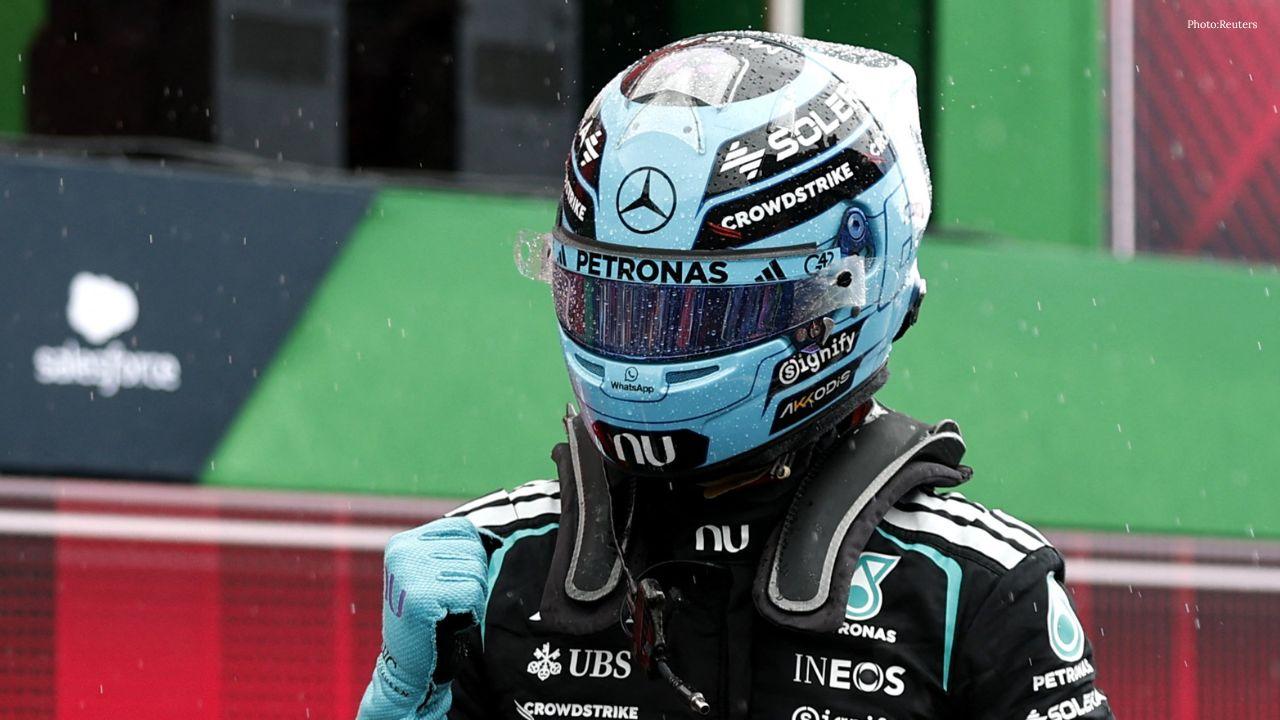
George Russell Wins Dutch GP Sprint, Boosts Mercedes Morale
George Russell wins the Dutch GP Sprint from pole as Mercedes teammate Kimi Antonelli extends his F1
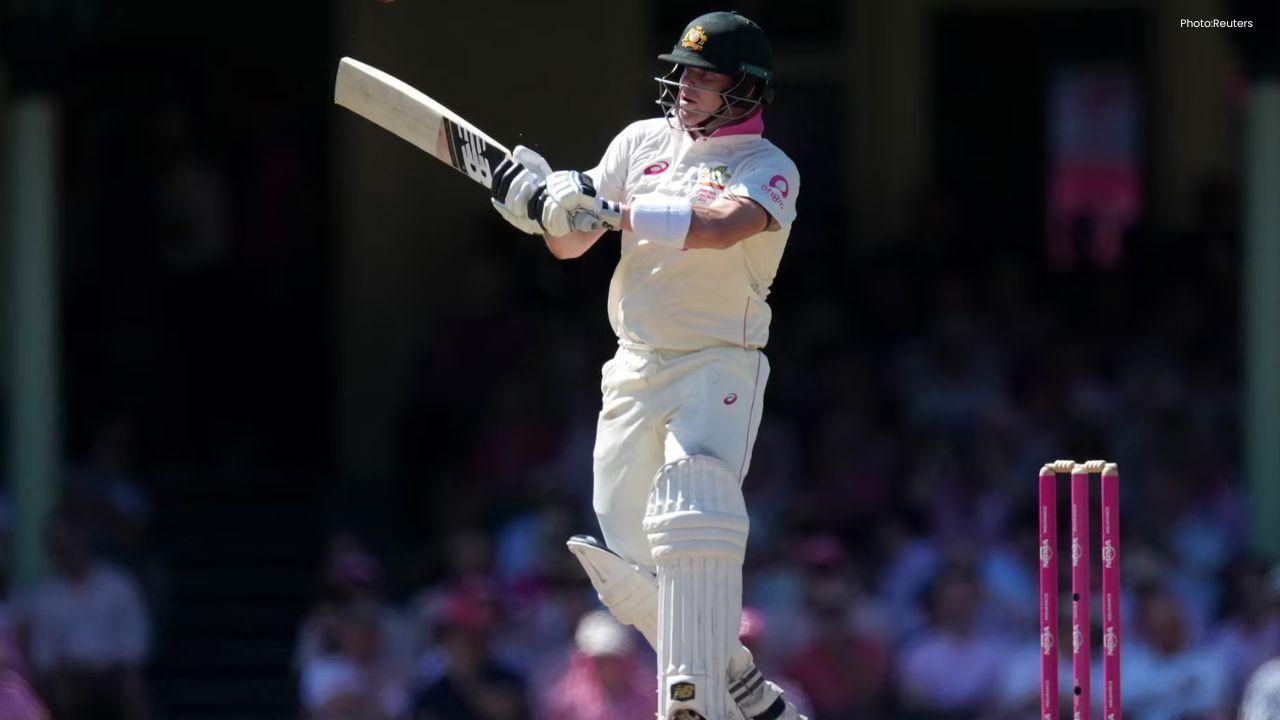
Australia 50/3 After Bangladesh Bowled Out for 64 in Second Test
Australia reached 50/3 after Bangladesh were bowled out for 64 in the second Test, with Mitchell Sta

Jordan Burroughs Returns to Wrestling with 2028 Olympic Dream
Jordan Burroughs returns to wrestling with Real American Freestyle as the Olympic champion eyes a po

Lamborghini Catches Fire on Singapore's ECP, Causing Heavy Traffic
A Lamborghini caught fire on Singapore's ECP, causing heavy traffic and bus delays. No injuries were