
You have not yet added any article to your bookmarks!
Join 10k+ people to get notified about new posts, news and tips.
Do not worry we don't spam!
Post by : Saif Rahman
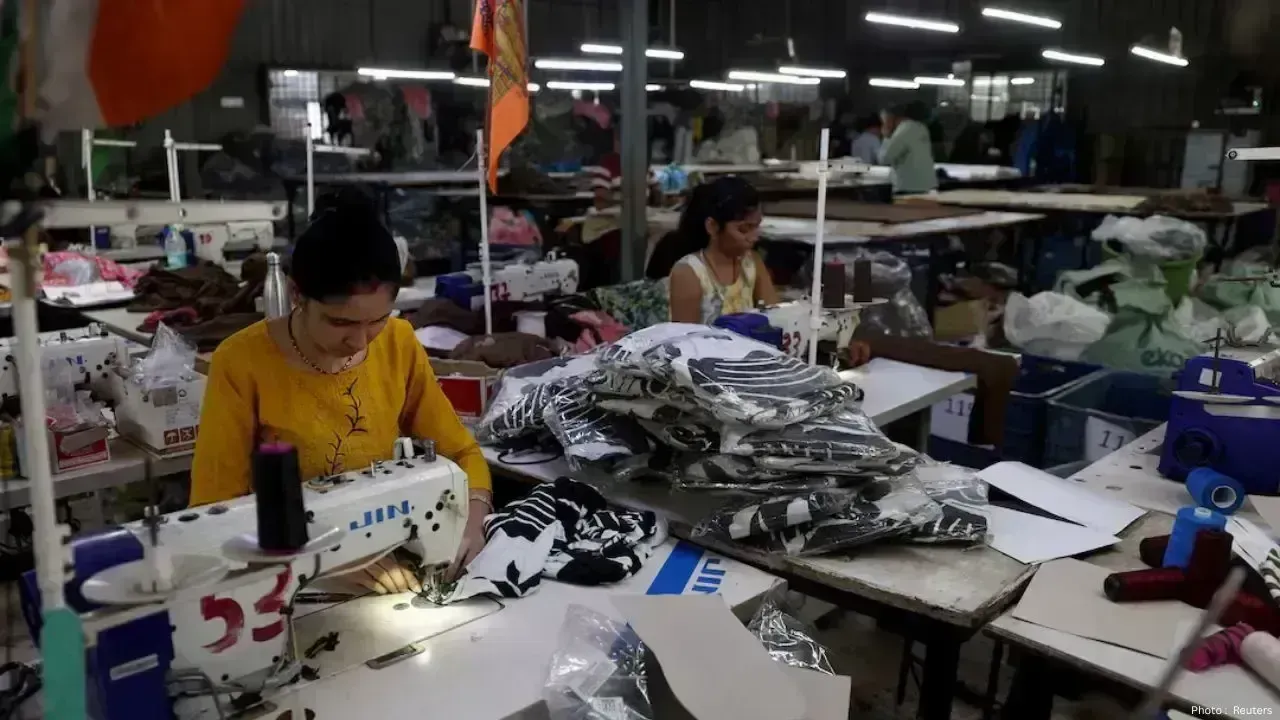
Current tensions surrounding Iran are leaving a significant mark on the global fashion landscape. Not only are political and oil markets affected, but now a wave of upheaval is shaking Asia’s textile industry, particularly in polyester production, a critical element for fast fashion globally.
Polyester, an essential fabric found in various apparel ranging from sportswear to trendy casual outfits, derives from petroleum-based sources, linking its pricing directly to fluctuations in oil markets. As the ongoing conflict pushes fuel costs upward, polyester production is becoming increasingly expensive.
Major textile manufacturing regions like India and Bangladesh are feeling the weight of these circumstances. These countries are highly reliant on imported resources and consistent energy supplies, both of which have seen costs spike and availability constrained due to the crisis.
Recent data indicate that fundamental components necessary for polyester, such as purified terephthalic acid (PTA) and monoethylene glycol (MEG), have surged nearly 30%. This situation is forcing creators to either scale back their production or struggle to fulfill the high global demand.
The ripple effects extend beyond factories. The entire supply line is experiencing a rise in costs, affecting chemicals, dyes, and transportation. Furthermore, essentials like cooking gas are becoming scarce in key textile production areas, resulting in labor shortages.
This scenario illustrates the intricate connections woven through the global economic fabric. A conflict in a single area can ripple through industries located continents away. The fashion sector, particularly reliant on promptness and affordability, is incredibly prone to such disruptions.
Fast fashion entities like Zara and H&M depend on Asian production capabilities for their vast clothing inventories at low prices. When manufacturing expenses rise, these firms are left with a daunting decision: either absorb increasing costs or pass them along to consumers.
At this moment, some retailers benefit from advance orders placed prior to the crisis, but such immunity may be fleeting. As they begin to reorder, escalating material prices might soon compel a price hike for consumers globally.
The issue extends to other related sectors influenced by petrochemicals. Numerous everyday items, including footwear and packaging materials, rely on petroleum-based inputs. Heightened oil prices will consequently inflate production costs across various markets.
Long-term stability is another pressing concern. With polyester constituting nearly 59% of all textile fibers globally, interruptions in oil supply can create extensive repercussions within the fashion sector.
Moreover, this situation emphasizes the vulnerabilities associated with narrowly defined supply lines. The Strait of Hormuz, a crucial corridor for oil shipments, becomes central to this predicament, with any disruptions impacting not only energy markets but also sectors that rely on petroleum products.
Asian nations face particularly severe outcomes, as many remain heavily dependent on Middle Eastern oil for their industries. Disrupted supply chains here will inevitably lead to production slowdowns, heightening costs and hindering economic growth.
This crisis prompts vital inquiries into the sustainability of global supply networks. Companies may be compelled to reevaluate their material sourcing strategies and risk management approaches. The diversification of supply routes and investment in alternative materials could emerge as imperative considerations for the future.
This unfolding situation starkly highlights that industries like fashion are inherently intertwined with broader global dynamics, including energy markets and political climates. Continuing tensions predictably mean that pressures on the textile industry will persist for the foreseeable future.
The next few months will prove essential. Prolonged conflict may extend these impacts even further, culminating in raised prices, diminished production levels, and a slowdown in the worldwide fashion landscape.










PM Modi Pays Tribute to Mahatma Gandhi, Urges People to Support Khadi
PM Modi pays tribute to Mahatma Gandhi on Gandhi Jayanti and urges citizens to support Khadi and the

Amazon Seeks to Offload $8 Billion in Nvidia Chips to Investors
Amazon plans to move $8 billion in Nvidia chips to investors, using a new financing model to strengt

Samsung Raises Galaxy S26 Prices as Memory Chip Costs Rise
Samsung raises Galaxy S26 prices in South Korea as rising memory chip costs put pressure on smartpho

Lewis Hamilton Calls Singapore Grand Prix One of F1's Toughest Races
Lewis Hamilton discusses the demanding Singapore Grand Prix and brings Plus44 and Almave to Singapor

Denmark's Pandora Opens World's Largest Jewellery Factory in Vietnam
Pandora opens its largest jewellery factory in Vietnam, expanding global production, strengthening s

Gautam Gambhir Questions Batting-Friendly Pitches After India's Record ODI Chase
Gautam Gambhir questions batting-friendly ODI pitches after India’s record chase, calling for a bett

