You have not yet added any article to your bookmarks!
Join 10k+ people to get notified about new posts, news and tips.
Do not worry we don't spam!
Post by : Saif Rahman
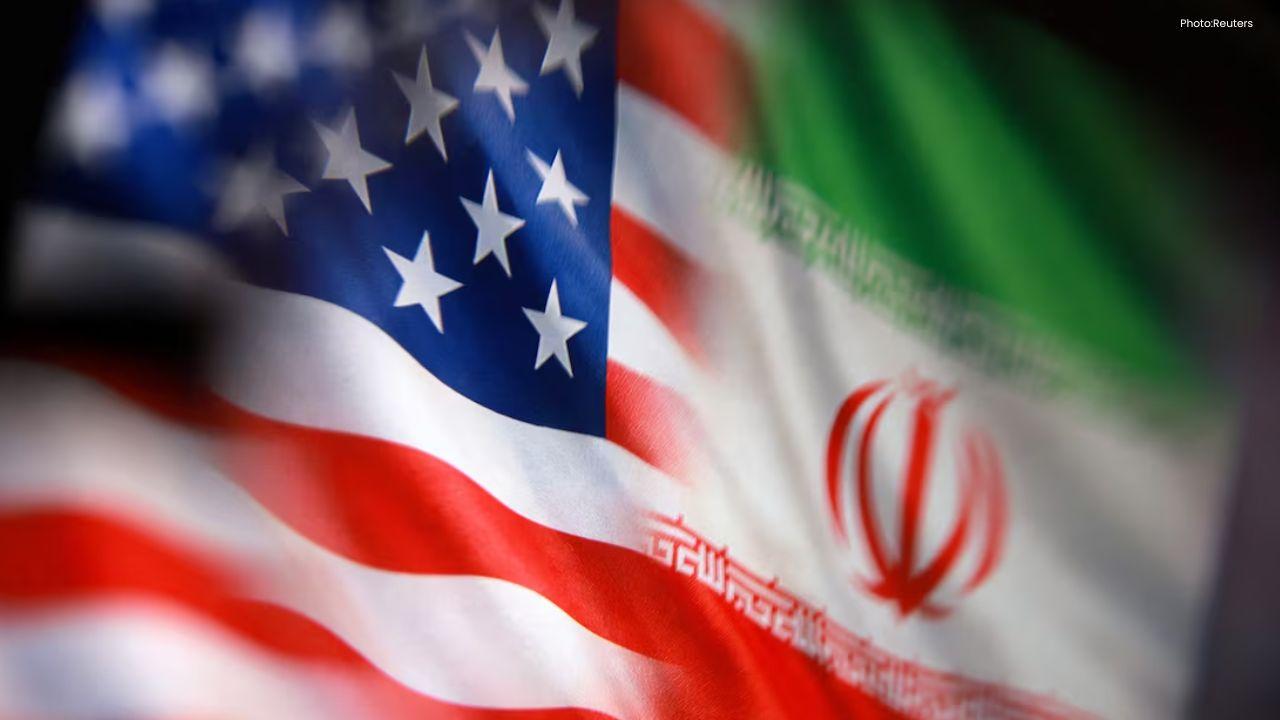
According to human rights organizations, more than 3,000 individuals have perished in a wave of nationwide protests in Iran. The unrest, which ignited in late December, is now considered one of the most lethal episodes of internal turmoil since the 1979 Islamic Revolution.
A U.S.-based human rights group reports that the casualties include almost 2,900 protesters among the total of 3,090 fatalities. These figures were compiled from family accounts, local intel, and online documentation. The fatalities were predominantly due to the forceful actions taken by security forces to quell the demonstrations throughout the nation.
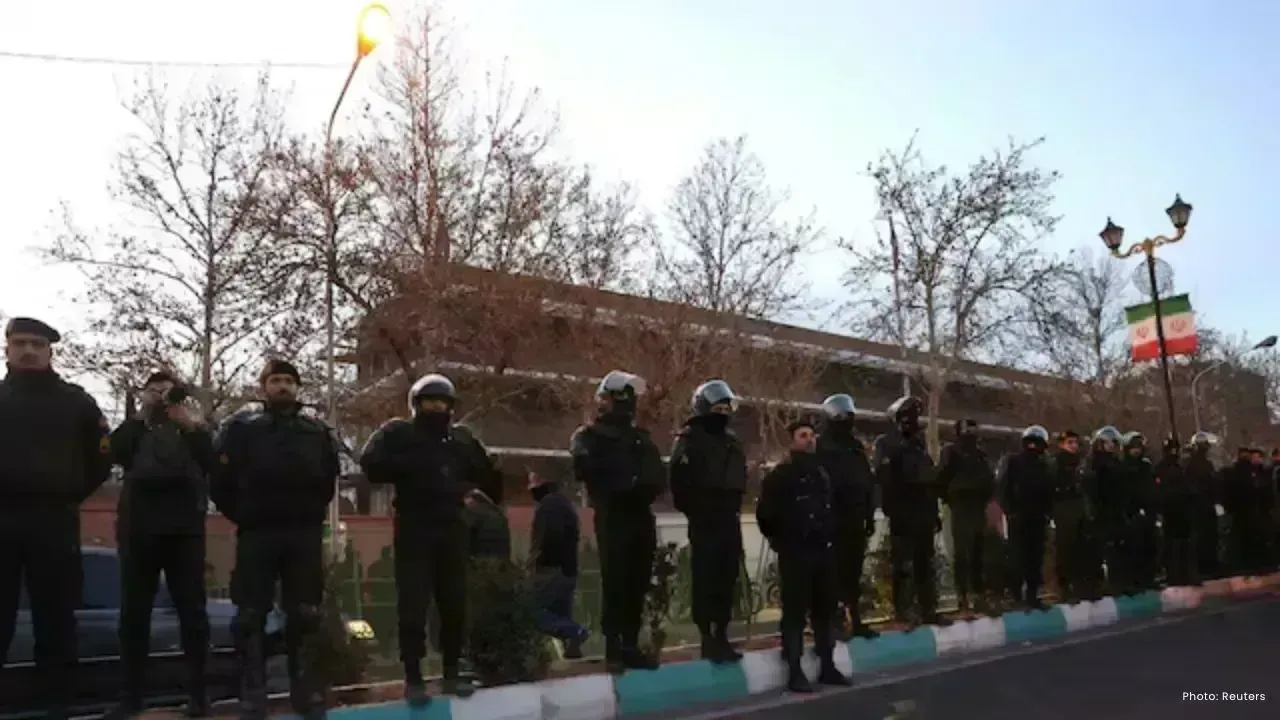
Initiating on December 28, the protests erupted in response to rampant price surges, rising unemployment, and pervasive economic distress. Over time, the discontent evolved into broader demands for political reform and a halt to clerical governance. Major protests erupted in Tehran and other cities, resulting in confrontations between demonstrators and law enforcement.
Recently, the atmosphere in the streets appears less tumultuous. Residents reported that Tehran has been tranquil for several days, with significant protests noticeably absent. Surveillance drones were observed, indicating a heightened security presence. Other cities also reported diminished crowds, suggesting that the government's crackdown may have subdued the protests, at least for the moment.
A critical measure implemented by the authorities has been the enforced internet shutdown. Iran faced nearly eight days of an extensive blackout, severely hindering communication and information exchange. Monitoring organizations noted a slight improvement in connectivity, but access remains minimal compared to usual levels. Iranians abroad have reported brief communications with relatives inside the country.
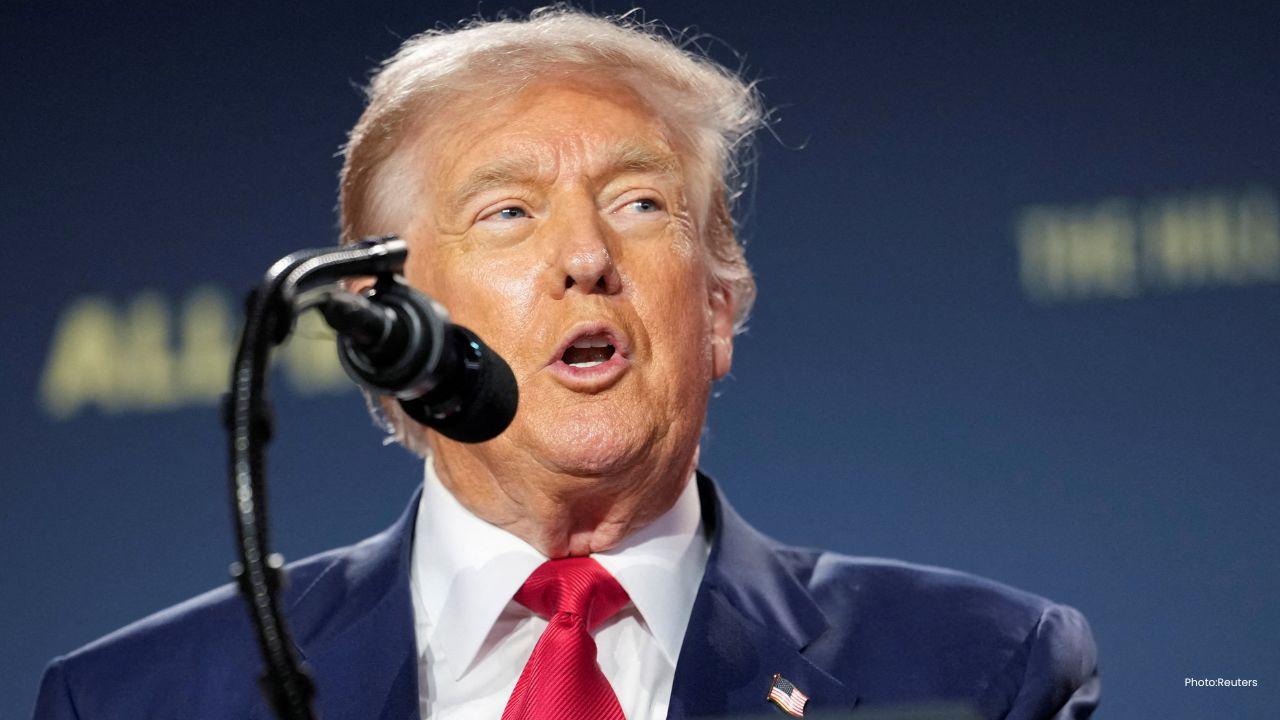
As reports of violence escalate, international scrutiny has intensified. U.S. President Donald Trump stated that Iran’s government halted intended executions of protesters, although there has been no official confirmation from Iran regarding such plans. Human rights organizations persist in raising concerns about the risks faced by numerous detainees.
Foreign nationals in Iran, including Indian students and pilgrims, have been largely sheltered indoors and struggling to reach their families amid the blackout. A medical student shared experiences of fear and outrage prevalent on the streets, including instances of violent clashes.
India’s government confirmed that commercial flights are continuing and is taking measures to secure the welfare of its citizens in Iran. Other nations are similarly monitoring the evolving scenario as concerns regarding human rights and regional stability rise.
Though the environment might seem more tranquil, activists continue to emphasize the underlying anxiety, arrests, and profound public dissent. The full ramifications of the protests are expected to unfold over the forthcoming weeks, with the significant loss of life likely leaving lasting scars on the Iranian populace.


George Russell Wins Dutch GP Sprint, Boosts Mercedes Morale
George Russell wins the Dutch GP Sprint from pole as Mercedes teammate Kimi Antonelli extends his F1

Australia 50/3 After Bangladesh Bowled Out for 64 in Second Test
Australia reached 50/3 after Bangladesh were bowled out for 64 in the second Test, with Mitchell Sta

Jordan Burroughs Returns to Wrestling with 2028 Olympic Dream
Jordan Burroughs returns to wrestling with Real American Freestyle as the Olympic champion eyes a po
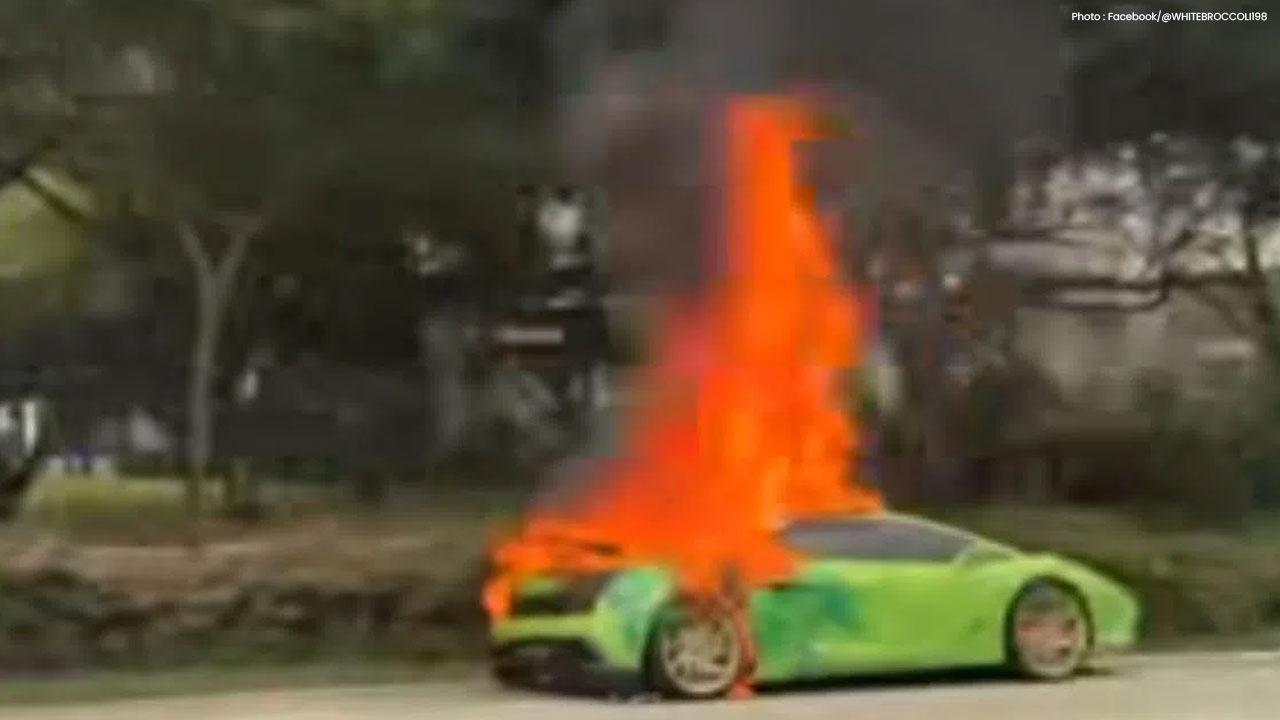
Lamborghini Catches Fire on Singapore's ECP, Causing Heavy Traffic
A Lamborghini caught fire on Singapore's ECP, causing heavy traffic and bus delays. No injuries were
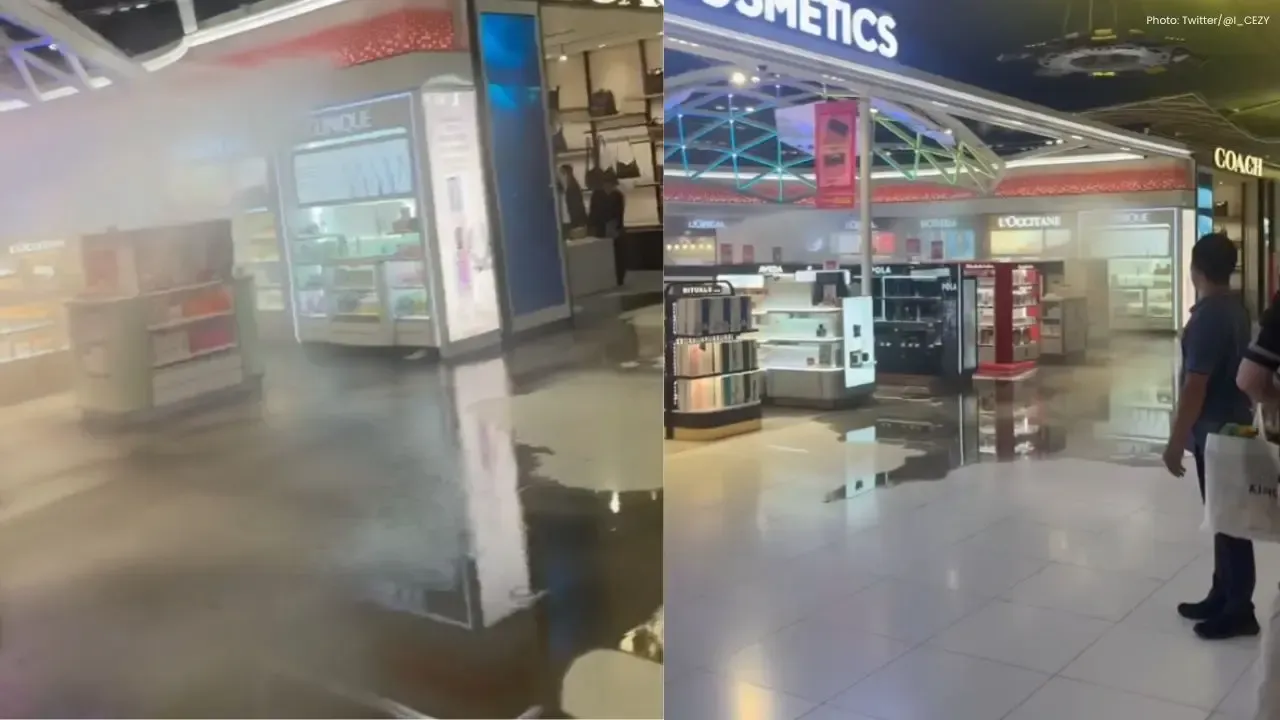
Bangkok Airport Duty-Free Area Flooded by Pipe Burst
A burst water pipe flooded the duty-free shopping area at Bangkok's Suvarnabhumi Airport on July 16,
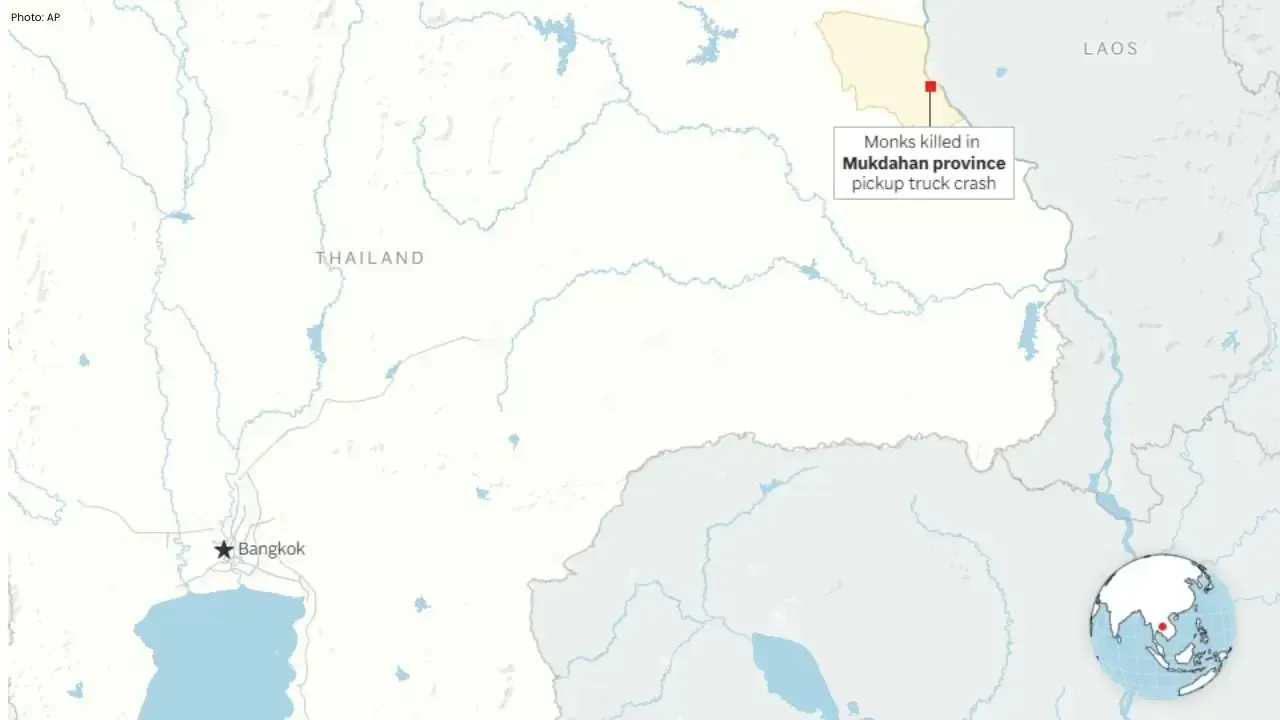
Nine Monks Killed in Thailand Pickup Truck Tragedy
An 11-year-old boy driving a pickup truck crashed into monks during a pilgrimage in northeastern Tha