You have not yet added any article to your bookmarks!
Join 10k+ people to get notified about new posts, news and tips.
Do not worry we don't spam!
Post by : Meena Ariff
Fresh intelligence inputs and regional assessments have raised serious concerns over Pakistan’s Inter-Services Intelligence (ISI) allegedly working to inflame anti-India sentiment amid Bangladesh’s ongoing political instability and violence.
Officials tracking developments in Dhaka say a coordinated narrative has emerged from sections of the Pakistani media ecosystem and select political voices. Unverified claims accusing India’s Research and Analysis Wing (RAW) of involvement in the murder of Bangladeshi student leader Sharif Osman Hadi have surfaced, despite Bangladeshi authorities themselves stating that the investigation is still at an early stage and the motive remains unclear.
Indian officials describe these allegations as deliberately timed and misleading. According to them, the goal is to project Bangladesh’s internal unrest as an externally driven crisis and drag India into the narrative. Notably, no country other than Pakistan has publicly blamed India for the situation unfolding in Bangladesh.
The rhetoric intensified after a video message by Kamran Sayeed Usmani, a leader of Pakistan’s ruling Pakistan Muslim League-Nawaz (PML-N), went viral. In the video, Usmani blamed India for the instability in Bangladesh and issued provocative threats, including references to missile attacks. Security officials have dismissed the remarks as irresponsible and inflammatory, warning that such statements are designed to keep tensions alive rather than contribute to peace or dialogue.
Intelligence sources say there is a clear pattern behind this messaging. By blaming India, the ISI and its allies are attempting to internationalise Bangladesh’s domestic crisis, deflecting attention from internal political manoeuvring. Officials argue that the unrest has roots in long-standing interference by Pakistan’s deep state, which allegedly worked to weaken former prime minister Sheikh Hasina’s position and strengthen Jamaat-e-Islami’s influence.
Observers note that Jamaat-e-Islami has historically been viewed as closely aligned with ISI interests, a perception shared by multiple regional and international stakeholders. The international community, officials say, is well aware of these linkages and has not endorsed the claims being made against India.
Historical grievances also play a role. Analysts point out that Pakistan has never fully reconciled with the outcome of the 1971 war, which led to the creation of Bangladesh. Intelligence assessments suggest that the current effort to fuel anti-India sentiment is partly driven by a desire to reopen old wounds and turn Bangladeshi public opinion against New Delhi through misinformation.
However, political dynamics within Bangladesh appear to be shifting. The Bangladesh National Party (BNP), once seen as closer to Jamaat-e-Islami, has recently distanced itself from both Jamaat and alleged ISI influence. Party leaders have signalled a focus on development and stability rather than ideological extremism, a move welcomed by sections of the electorate.
The BNP’s decision to contest elections independently has reportedly unsettled Jamaat and its backers. With the Awami League barred from participating, several poll projections indicate that the BNP stands a strong chance of emerging victorious in the February 2026 elections.
The party’s prospects may also be boosted by public sympathy for its ailing leader and former prime minister Khaleda Zia. Additionally, the expected return of her son, Tarique Rahman, after 17 years in exile is seen as a morale booster for party workers and supporters.
Security agencies warn that these developments have increased anxiety among Jamaat-linked groups. Intelligence inputs suggest that violence is being deliberately stoked to create fear and suppress voter turnout. By discouraging citizens from voting, these groups allegedly hope to influence the electoral outcome.
Analysts say while international pressure is mounting to ensure elections are held on schedule, serious questions remain about their fairness. There is growing concern that either a short postponement or a deeply contested election could lie ahead.
Officials maintain that alongside attempts to influence the polls, the spread of anti-India narratives is a calculated strategy to divert attention from internal political struggles in Bangladesh. With global scrutiny intensifying, they believe such efforts may ultimately fail, but warn that the coming months could remain volatile.









Lamborghini Catches Fire on Singapore's ECP, Causing Heavy Traffic
A Lamborghini caught fire on Singapore's ECP, causing heavy traffic and bus delays. No injuries were

Bangkok Airport Duty-Free Area Flooded by Pipe Burst
A burst water pipe flooded the duty-free shopping area at Bangkok's Suvarnabhumi Airport on July 16,
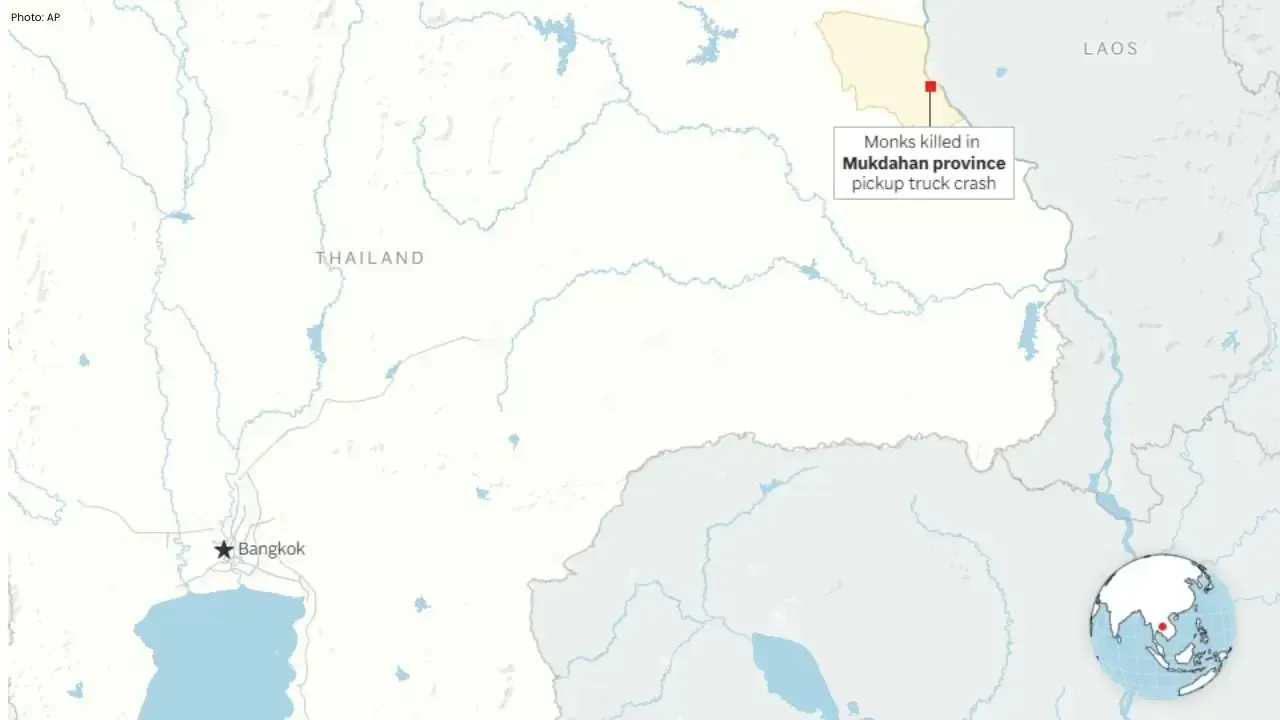
Nine Monks Killed in Thailand Pickup Truck Tragedy
An 11-year-old boy driving a pickup truck crashed into monks during a pilgrimage in northeastern Tha
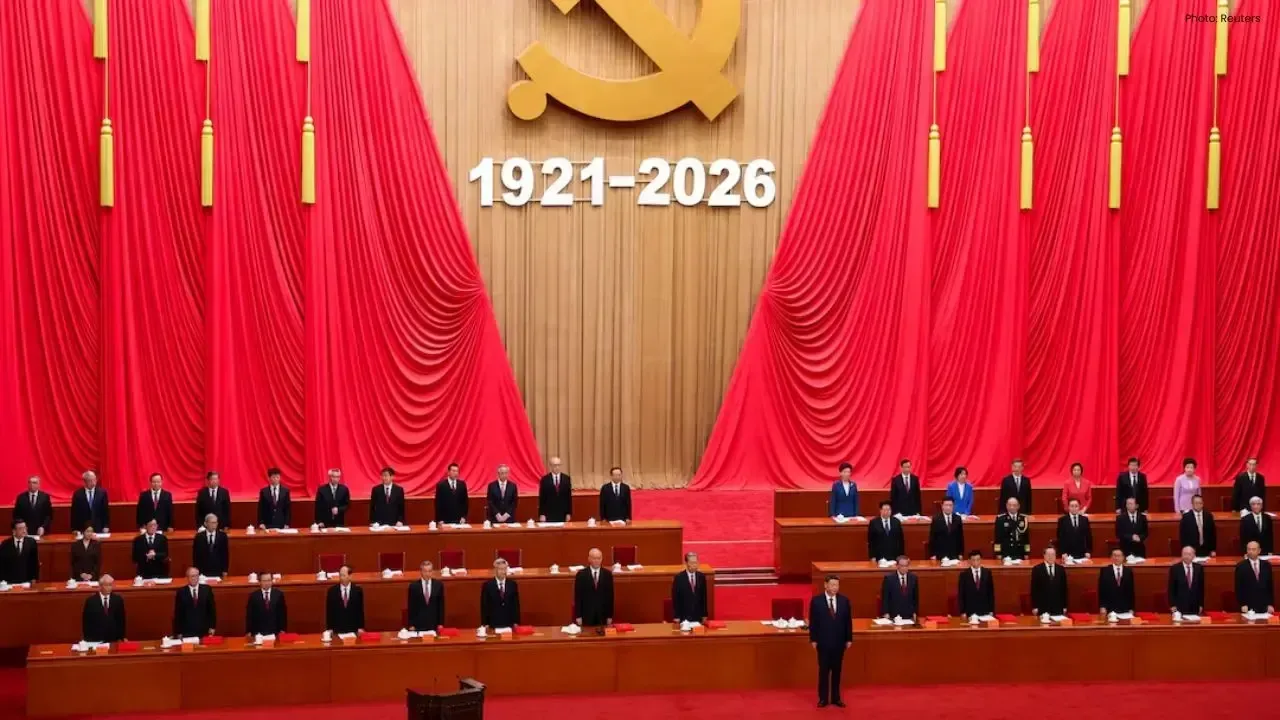
Anwar Congratulates Xi on CPC's 105th Anniversary
Malaysia reaffirms strong ties with China as PM Anwar Ibrahim sends a congratulatory letter to Presi
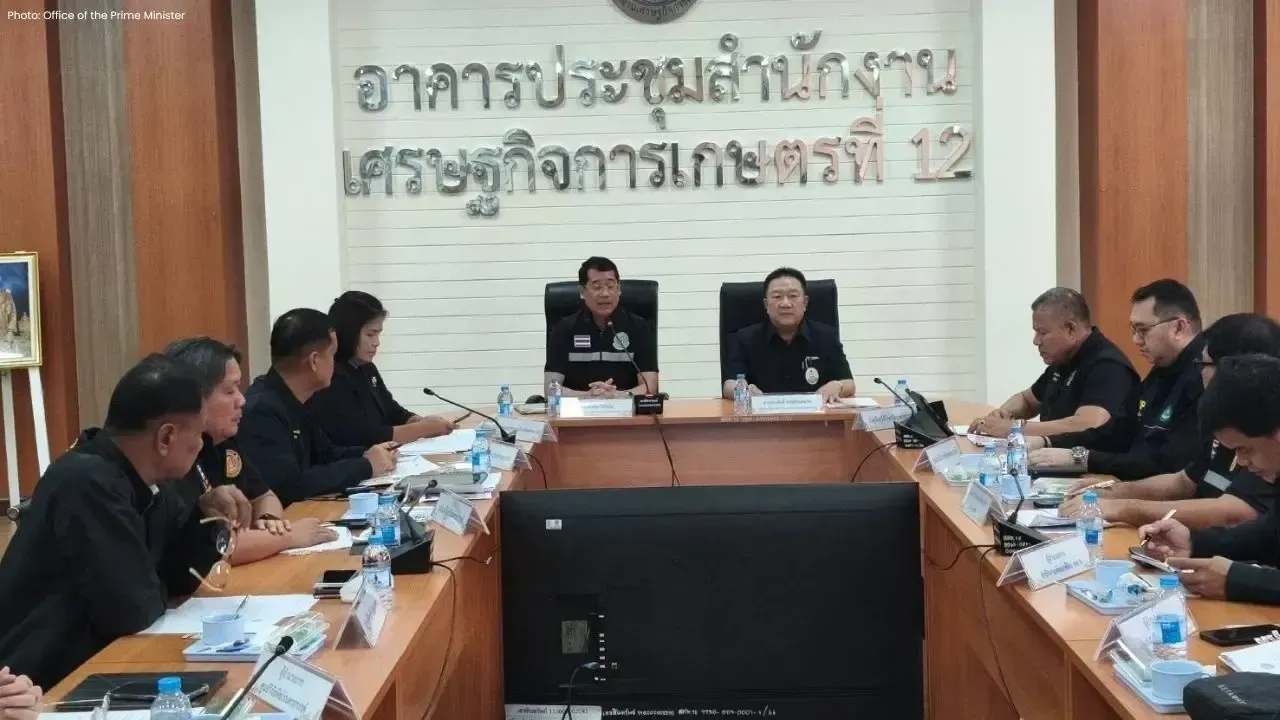
Thai Agriculture Team Reviews 2026 Farm Development Plans
Agriculture Ministry officials inspected livestock and organic rice projects in Nakhon Sawan to moni

Thailand, Canada Boost Ties in PM-Level Phone Talks
Thailand and Canada agreed to strengthen trade, security, OECD cooperation and ASEAN-Canada FTA talk