You have not yet added any article to your bookmarks!
Join 10k+ people to get notified about new posts, news and tips.
Do not worry we don't spam!
Post by : Meena Ariff
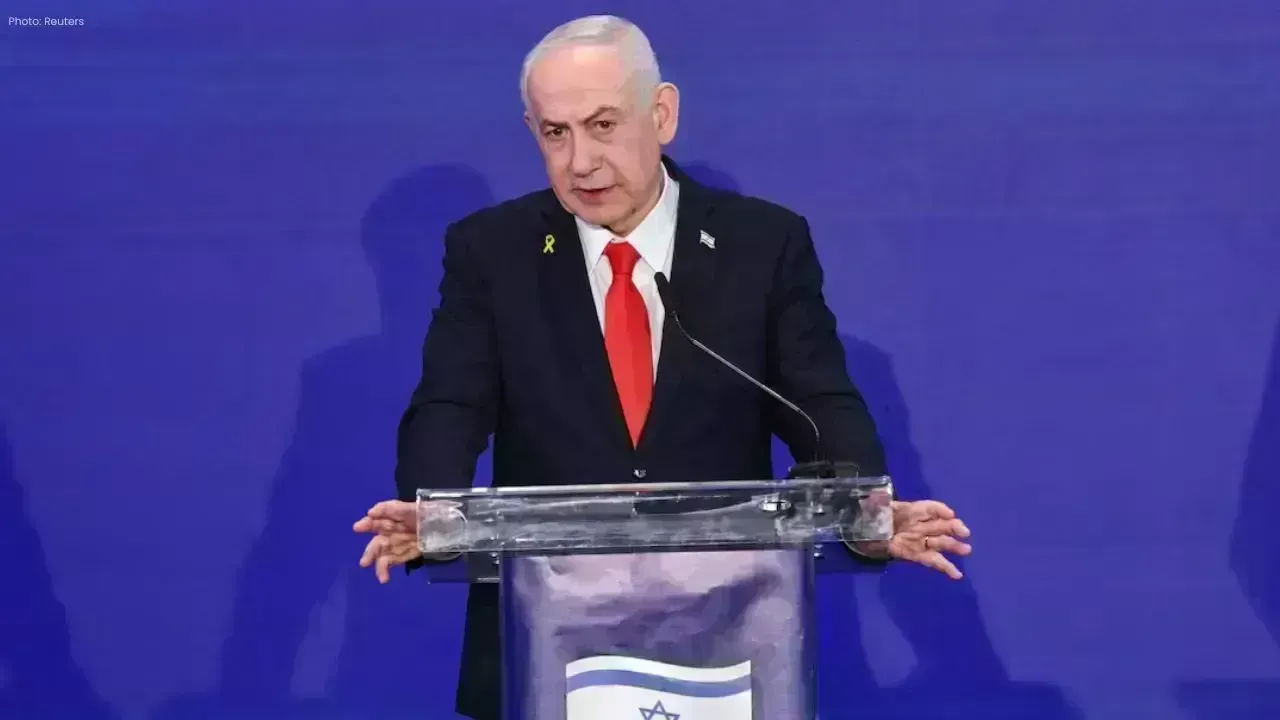
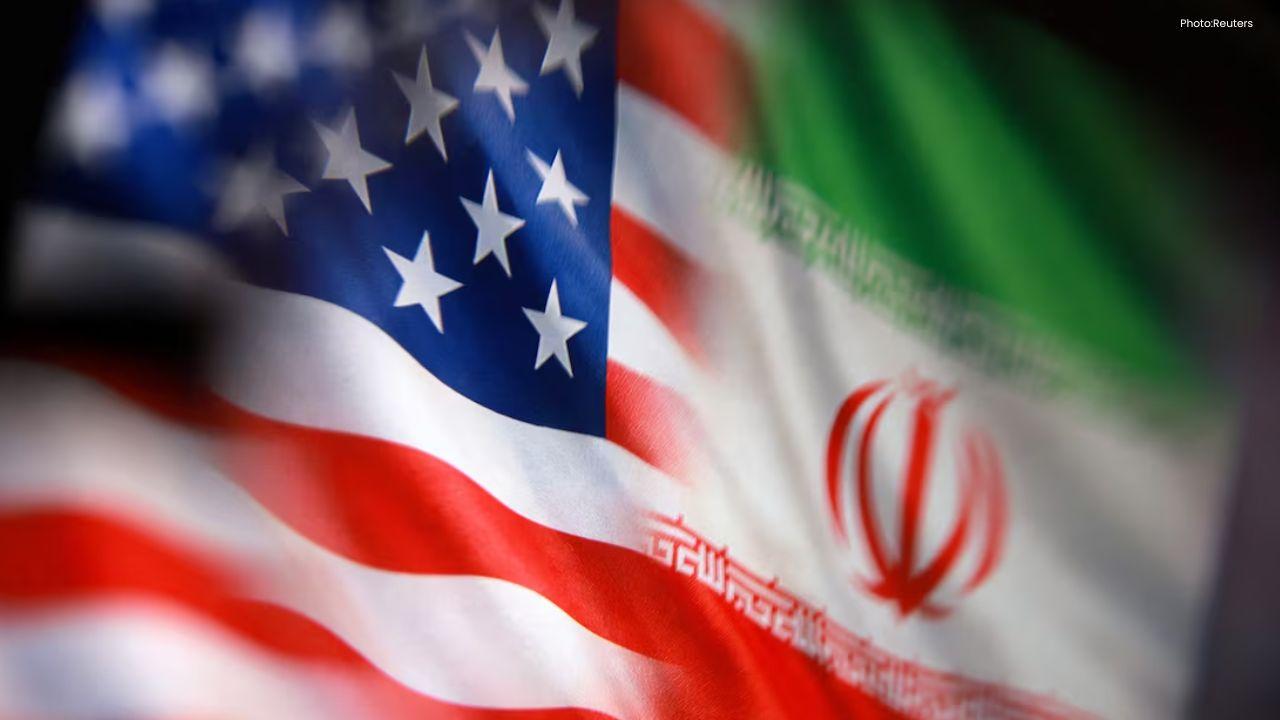
During a press gathering in Jerusalem, Israeli Prime Minister Benjamin Netanyahu, alongside Greek Prime Minister Kyriakos Mitsotakis and Cypriot President Nikos Christodoulides, acknowledged heightened concerns regarding Iranian military exercises. Nonetheless, Netanyahu refrained from detailing specific activities.
Reports from Iranian state media indicated that missile drills recently took place across various Iranian cities. This is the second occurrence in a short timeframe, highlighting Iran’s intent to bolster its missile capabilities.
Iran’s ballistic missile program is perceived by western nations as a significant risk to Middle Eastern stability. These missiles are viewed not merely as military assets but also as potential carriers for nuclear warheads, should Iran pursue nuclear armament. Iran denies intentions of developing nuclear weapons, advocating for its rights to peaceful nuclear energy.
In the last ten years, Israel, Greece, and Cyprus have strengthened their relationships, spurred by collective worries over Turkey’s expanding influence in the eastern Mediterranean. Such collaboration has resulted in improved security and economic partnerships among the three nations.
Netanyahu remarked that despite Israel’s substantial accomplishments during its recent conflict with Iran in June, the core expectations from both Israel and the U.S. regarding Iran remain constant. A primary expectation is for Iran to lower its uranium enrichment, pivotal in nuclear weapon development.
Addressing his impending meeting with U.S. President Donald Trump, Netanyahu indicated that discussions will center on these expectations, reiterating that Israel does not pursue confrontation with Iran. Instead, they aim to cultivate “stability, prosperity, and peace” throughout the region.
Beyond Iran, Netanyahu intends to advance discussions on Trump’s Gaza plan and the threats posed by Hezbollah, the militant group from Lebanon.
The leaders agreed to bolster their security cooperation and unveiled plans for a significant infrastructure initiative. This venture seeks to establish a connection from India to Europe via sea and rail, described by President Christodoulides as a “southeastern gateway” linking Europe, the Middle East, and beyond.
They also plan to create an undersea power cable that integrates their electricity grids with those of Europe and the Arabian Peninsula, enhancing energy collaborations.
Prime Minister Mitsotakis of Greece emphasized the nation’s role as an emerging energy hub in southeastern Europe, especially for liquefied natural gas, and affirmed that interconnection initiatives are a priority for all three nations.
Following the conference, Israeli Energy Minister Eli Cohen conveyed to Reuters the importance of this trilateral meeting amidst efforts by certain nations to destabilize the region, although he refrained from naming these countries specifically.
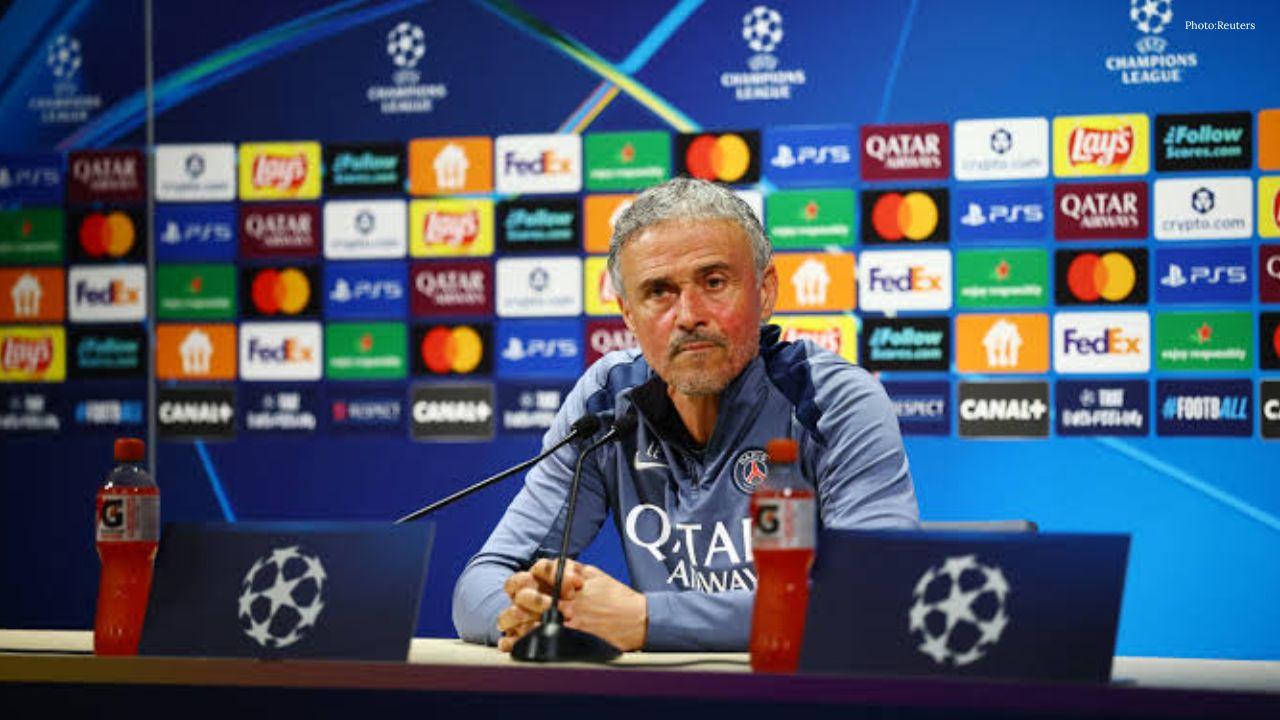


PSG Coach Luis Enrique Urges Players to Step Outside Comfort Zone
PSG coach Luis Enrique says players must leave their comfort zone and keep improving as the club tar

China’s Tiangong Sets New 400m Record at Robot Olympics
China’s Tiangong robot sets a new 400m record at the Robot Olympics, beating a South African robot i

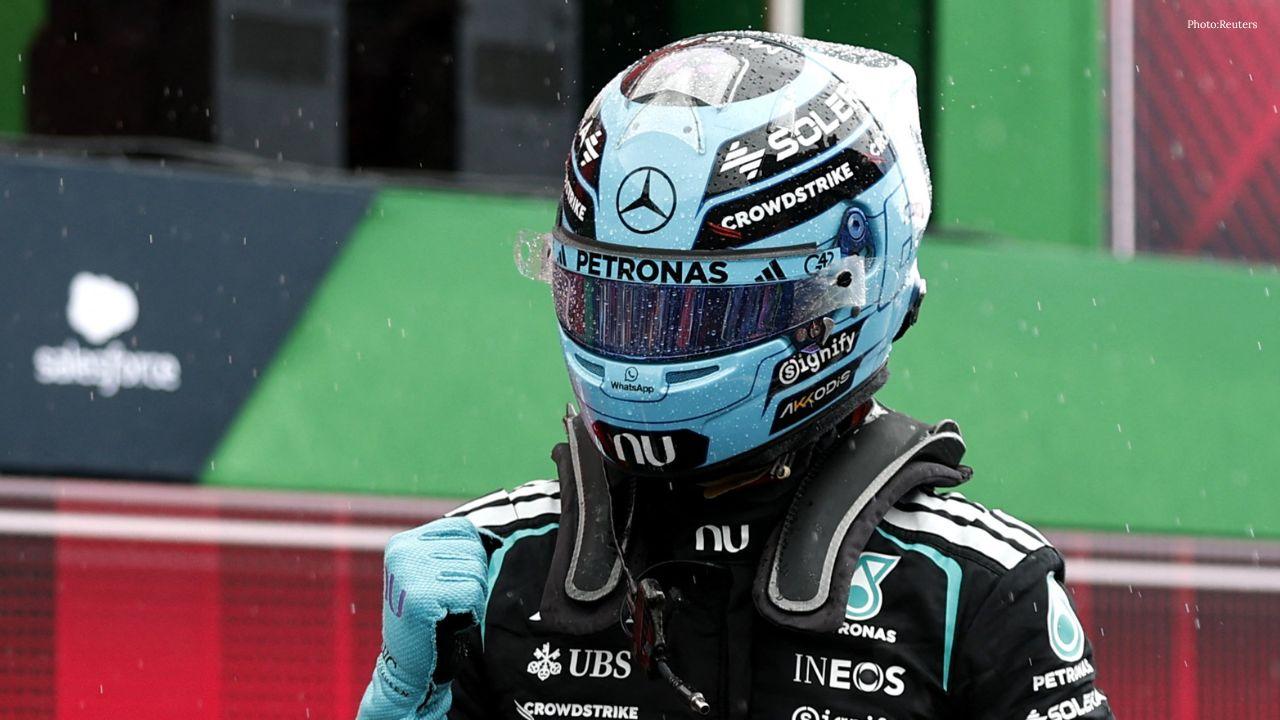
George Russell Wins Dutch GP Sprint, Boosts Mercedes Morale
George Russell wins the Dutch GP Sprint from pole as Mercedes teammate Kimi Antonelli extends his F1
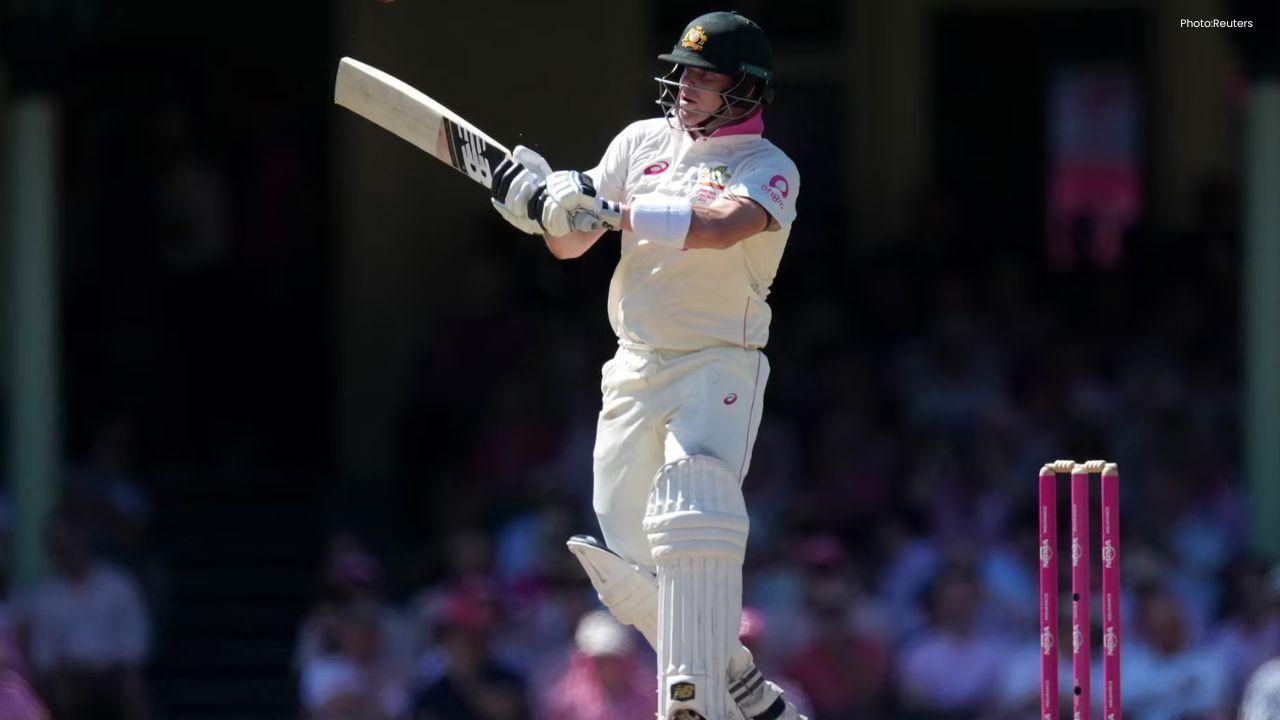
Australia 50/3 After Bangladesh Bowled Out for 64 in Second Test
Australia reached 50/3 after Bangladesh were bowled out for 64 in the second Test, with Mitchell Sta

Jordan Burroughs Returns to Wrestling with 2028 Olympic Dream
Jordan Burroughs returns to wrestling with Real American Freestyle as the Olympic champion eyes a po

Lamborghini Catches Fire on Singapore's ECP, Causing Heavy Traffic
A Lamborghini caught fire on Singapore's ECP, causing heavy traffic and bus delays. No injuries were