You have not yet added any article to your bookmarks!
Join 10k+ people to get notified about new posts, news and tips.
Do not worry we don't spam!
Post by : Meena Ariff
Photo: Reuters
Earthquakes remain impossible to predict, according to scientists worldwide. Experts agree that it is not possible to tell the exact time, place, or strength of an earthquake with current technology. However, a popular Japanese manga has caused widespread panic and made many people worried about an upcoming megaquake in Japan.
The manga is called “The Future I Saw” and was written by Ryo Tatsuki, a retired manga artist who is now in her 70s. The 2021 reprint of her manga warns that a huge earthquake with a magnitude above 8.0 on the Richter scale will hit on July 5. It also says this earthquake will cause a massive tsunami three times bigger than the one during the 2011 Great East Japan Earthquake.
The first edition of the manga, published in 1999, mentioned a “great disaster” happening in March 2011. Later, in March 2011, a real earthquake and tsunami struck Japan, killing more than 18,000 people and causing the Fukushima Daiichi nuclear power plant disaster. Because her earlier manga mentioned 2011, many readers believe her current prediction might come true as well.
Last month, Tatsuki told a national newspaper that the July 5 megaquake prediction “may not happen,” but she did not fully withdraw her warning. Many people continue to share her claims on social media, adding to the fear among citizens. Her manga has sold more than 1 million copies in Japan, and social media posts about the predicted megaquake have received millions of views.
These fears have started to affect travel and tourism in Japan. In recent weeks, two airlines based in Hong Kong have reduced their flights to southern Japan because fewer people are buying tickets. Many tourists are cancelling their plans due to the fear of the megaquake. The Tokushima Tourism Promotion Division said, “We are surprised that such rumours have led to cancellations.”
The Japanese government has warned the public not to believe such predictions. In April, it released a statement saying, “Predicting earthquakes by specifying the date, time, and location is difficult with current scientific knowledge.”
Last month, Ryoichi Nomura, director-general of the Japan Meteorological Agency (JMA), said in a news conference that it was “regrettable that people are being affected by baseless information in this age of modern science.”
Japan is known as one of the most earthquake-prone countries in the world. This is because it lies on the Pacific Ring of Fire, an area with many active tectonic plates that often move and cause earthquakes.
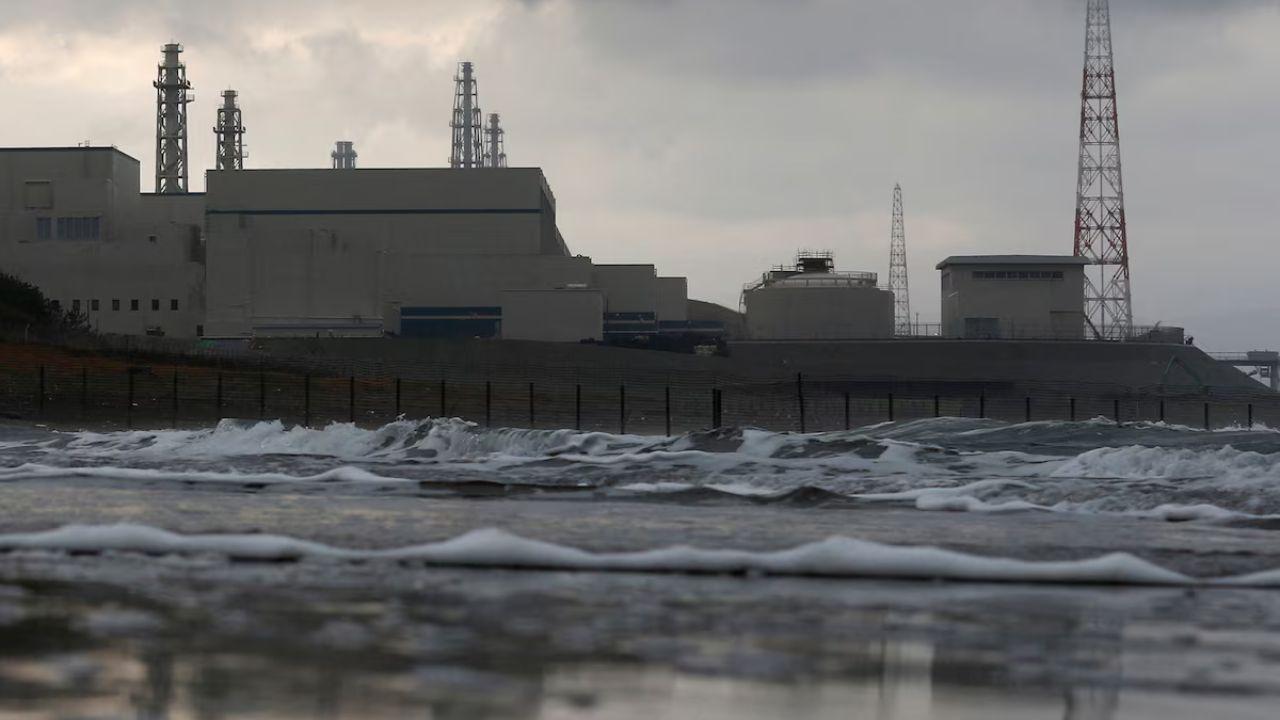
In August last year, JMA issued an advisory saying that “the likelihood of a new major earthquake is higher than normal” in relation to the Nankai Trough, which is a 560-mile ocean trench to the south of Japan. Scientists say earthquakes arising from the Nankai Trough are often called “the original definition of the Big One.”
Earlier this year, a government panel released a report stating that there is an 80% chance of a megaquake along the Nankai Trough in the next 30 years. In the worst-case scenario, such an earthquake could lead to the deaths of up to 298,000 people, and cause massive destruction along Japan’s southern coast.
Japan experiences about 1,500 earthquakes every year, which is almost one-fifth of all earthquakes that happen globally. Because of this, Japan has spent many decades preparing for such disasters. The government has strict building rules to make sure buildings are earthquake-resistant. Schools and offices conduct regular earthquake drills to teach people how to stay safe. There are also early warning systems that alert people seconds before an earthquake strikes, giving them time to take cover.
Despite the understandable concern, experts say there is no scientific method to predict earthquakes precisely. The JMA has strongly urged people not to act out of fear or take irrational actions driven by anxiety. People are advised to rely only on official information sources, such as:
These organisations provide reliable and accurate updates about earthquakes.






Josh Kerr and Jakob Ingebrigtsen Set for 1,500m Rivalry Rematch
Josh Kerr and Jakob Ingebrigtsen will renew their 1,500m rivalry at the Ultimate Championship in Bud

PSG Coach Luis Enrique Urges Players to Step Outside Comfort Zone
PSG coach Luis Enrique says players must leave their comfort zone and keep improving as the club tar

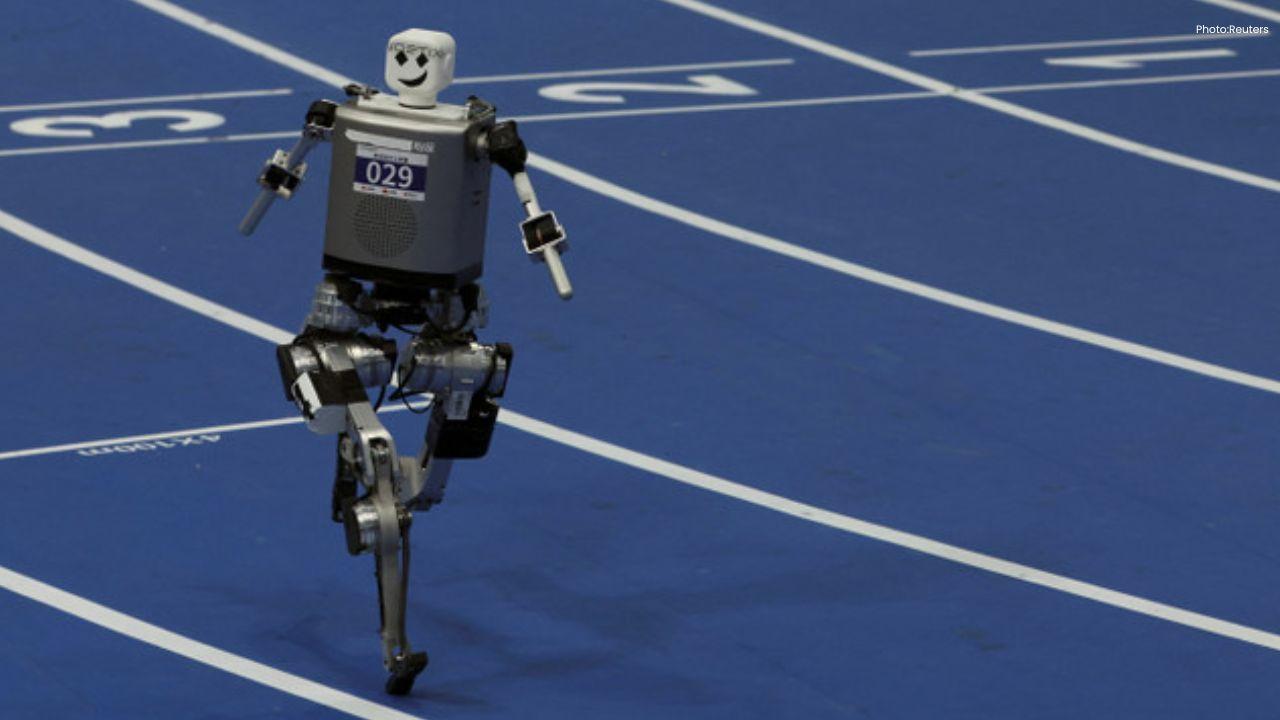
China’s Tiangong Sets New 400m Record at Robot Olympics
China’s Tiangong robot sets a new 400m record at the Robot Olympics, beating a South African robot i

George Russell Wins Dutch GP Sprint, Boosts Mercedes Morale
George Russell wins the Dutch GP Sprint from pole as Mercedes teammate Kimi Antonelli extends his F1
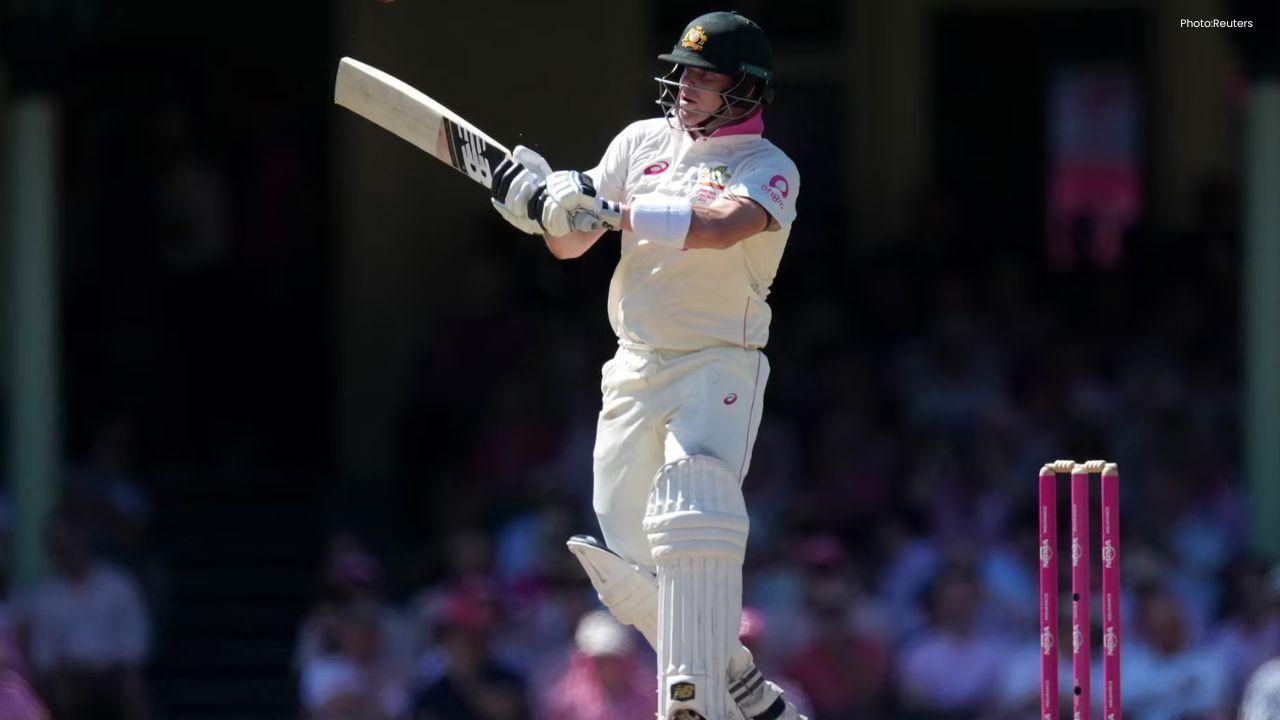
Australia 50/3 After Bangladesh Bowled Out for 64 in Second Test
Australia reached 50/3 after Bangladesh were bowled out for 64 in the second Test, with Mitchell Sta

Jordan Burroughs Returns to Wrestling with 2028 Olympic Dream
Jordan Burroughs returns to wrestling with Real American Freestyle as the Olympic champion eyes a po