You have not yet added any article to your bookmarks!
Join 10k+ people to get notified about new posts, news and tips.
Do not worry we don't spam!
Post by : Rameen Ariff
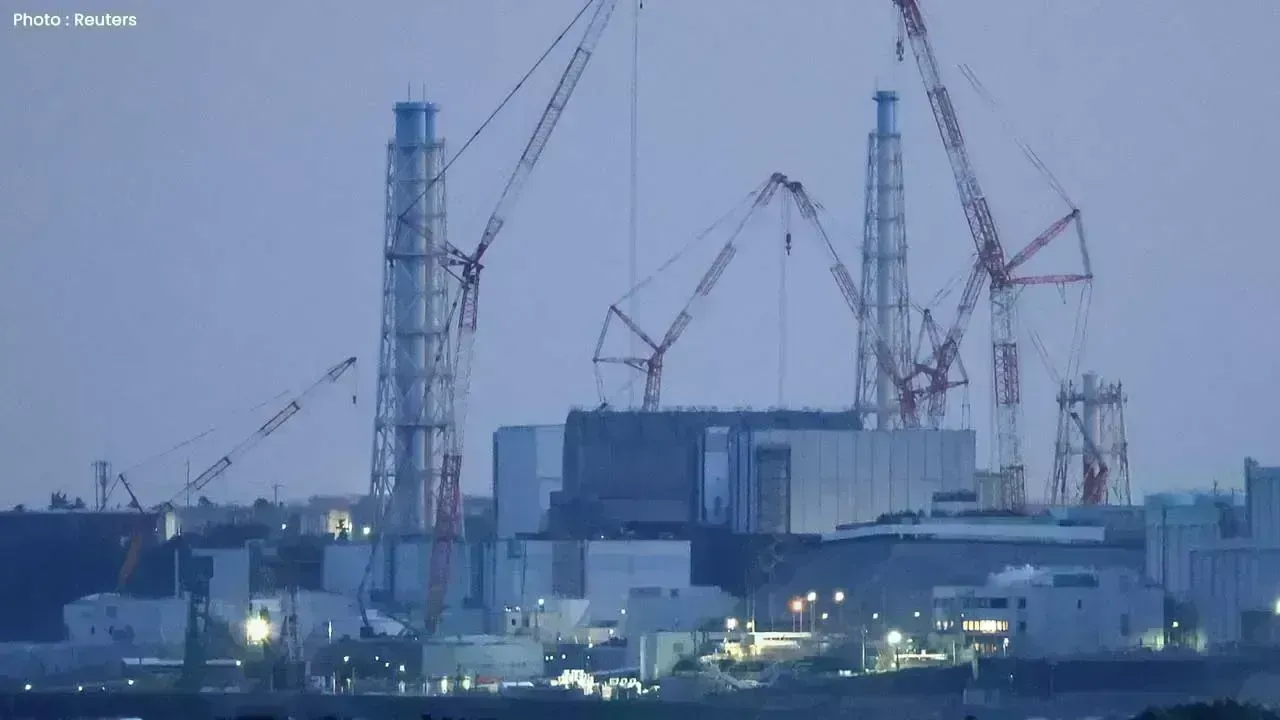
Japan is preparing to restart the world’s biggest nuclear power plant, nearly 15 years after the Fukushima nuclear disaster. The plant is located in Niigata region, around 220 kilometres from Tokyo, along the sea.
The nuclear plant is called Kashiwazaki-Kariwa. It was shut down in 2011 after a huge earthquake and tsunami badly damaged the Fukushima Daiichi nuclear plant. That disaster was one of the worst nuclear accidents in history.
After the Fukushima incident, 54 nuclear reactors across Japan were closed. Over the years, Japan slowly restarted some of them. So far, 14 reactors are working again, out of 33 that are still usable.
Now, the Kashiwazaki-Kariwa plant is expected to restart soon. This plant has seven reactors. If approved, the first reactor may start working from January 20.
The plant is run by the same company that operated the Fukushima plant. The company has promised that such an accident will never happen again. It said safety steps are stronger and that people living in Niigata will be protected.
To gain public trust, the company also promised to invest 100 billion yen in the Niigata area over the next 10 years.
However, many local people are still worried and afraid.
A government survey showed that 60% of residents feel the plant is not ready to restart. Nearly 70% said they do not trust the company to safely run the plant.
One of the protesters is Ayako Oga, a 52-year-old farmer. She moved to Niigata after leaving her home near Fukushima in 2011. Her old house was inside the danger zone, where people were forced to leave.
She says the restart brings back fear and painful memories. She still feels stress and fear because of what happened during the Fukushima disaster.
Even the governor of Niigata, who supports the restart, said he hopes Japan can one day use energy that does not scare people.
On Monday, local lawmakers will vote on whether they trust the governor’s decision. This vote is very important. If it passes, the plant restart will move ahead.
If the plant starts, it could increase electricity supply to the Tokyo area by 2%. Japan says it needs more power because it still depends heavily on oil, gas, and coal from other countries.
Last year alone, Japan spent a huge amount of money buying fuel from abroad. The country also expects power use to rise in the future because of data centres and new technology.
Japan plans to increase nuclear power so it can cut pollution and reduce fuel costs. The goal is to make nuclear power 20% of total electricity by 2040.
Still, many people fear the risk.
For people like Oga, every update about the Japan nuclear plant restart feels like reliving the past. She plans to protest outside the assembly building as the vote takes place



Lamborghini Catches Fire on Singapore's ECP, Causing Heavy Traffic
A Lamborghini caught fire on Singapore's ECP, causing heavy traffic and bus delays. No injuries were

Bangkok Airport Duty-Free Area Flooded by Pipe Burst
A burst water pipe flooded the duty-free shopping area at Bangkok's Suvarnabhumi Airport on July 16,
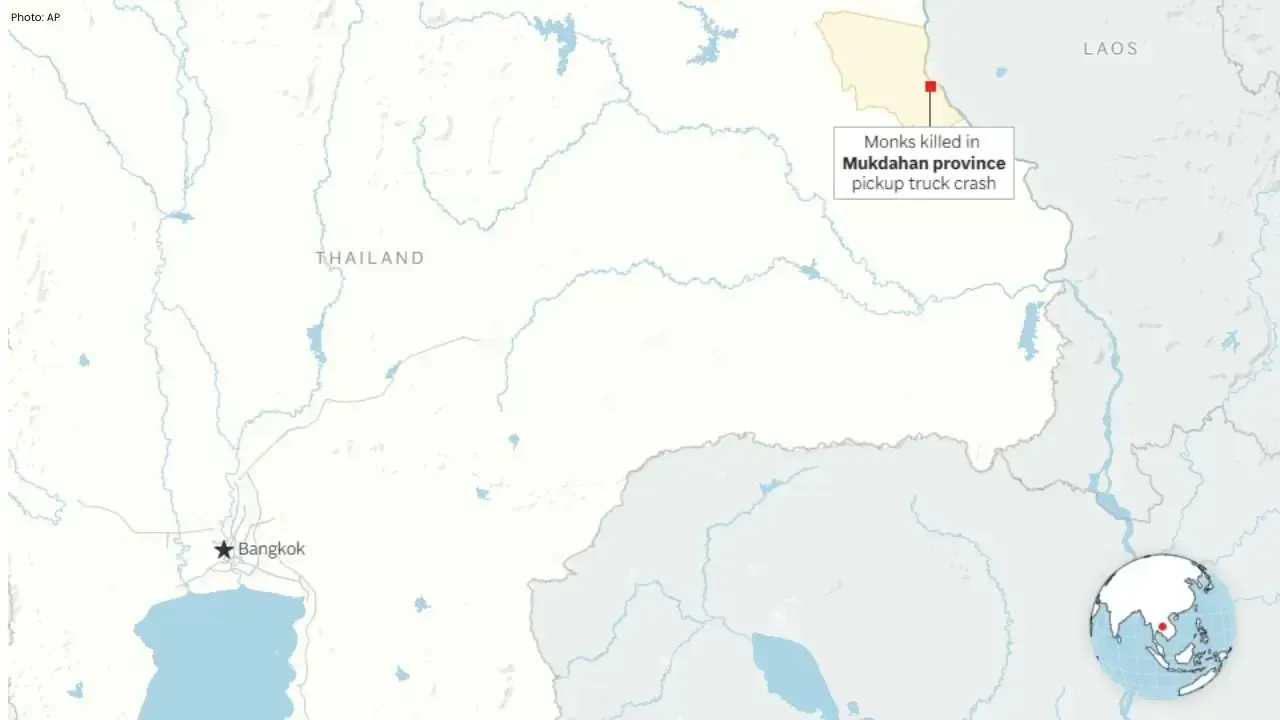
Nine Monks Killed in Thailand Pickup Truck Tragedy
An 11-year-old boy driving a pickup truck crashed into monks during a pilgrimage in northeastern Tha

Anwar Congratulates Xi on CPC's 105th Anniversary
Malaysia reaffirms strong ties with China as PM Anwar Ibrahim sends a congratulatory letter to Presi
Thai Agriculture Team Reviews 2026 Farm Development Plans
Agriculture Ministry officials inspected livestock and organic rice projects in Nakhon Sawan to moni

Thailand, Canada Boost Ties in PM-Level Phone Talks
Thailand and Canada agreed to strengthen trade, security, OECD cooperation and ASEAN-Canada FTA talk