You have not yet added any article to your bookmarks!
Join 10k+ people to get notified about new posts, news and tips.
Do not worry we don't spam!

Post by : Meena Ariff
Japan’s Prime Minister Sanae Takaichi is reportedly considering a significant policy move to suspend the sales tax on food as part of her campaign strategy ahead of a general election planned for next month. According to informed sources, the government and Takaichi’s Liberal Democratic Party (LDP) are conducting a careful review of the potential market impact before making a final decision on the proposal.
Currently, Japan imposes an 8 percent consumption tax on food sales, which contributes substantially to government revenue. Suspending this tax could lead to an estimated loss of around 5 trillion yen annually (equivalent to roughly US$31.6 billion). The scale of this revenue cut makes the proposal a major financial decision, one that officials have so far declined to comment on publicly.
Prime Minister Takaichi is expected to officially dissolve the Japanese parliament this Friday, setting the stage for a snap election that could take place on February 8, according to reports from two lawmakers within the LDP. This early election call is seen as a move by Takaichi to secure public approval for her spending plans, which have recently caused concern among financial markets due to their potential economic impact.
In October, the Liberal Democratic Party formed a coalition government with the right-leaning Japan Innovation Party, commonly known as Ishin. This political alliance has paved the way for Takaichi to become Japan’s first female prime minister, marking a historic moment in the country’s political landscape.
As part of their coalition agreement, the LDP and Ishin have reportedly agreed to consider new legislation that would exempt food and beverages from the consumption tax for a period of two years. However, specific details about how this exemption would be implemented or its broader economic implications have not yet been disclosed.
This potential suspension of the food sales tax is viewed as a strategic effort to alleviate the financial burden on consumers amid rising living costs, while also attempting to stabilize the market ahead of the upcoming election. The government’s final decision will likely balance the need for economic relief with concerns over significant revenue loss and fiscal responsibility.
As the election approaches, all eyes will be on Prime Minister Takaichi and her administration to see how they manage this delicate economic challenge and whether the tax suspension plan gains traction among voters and lawmakers alike.
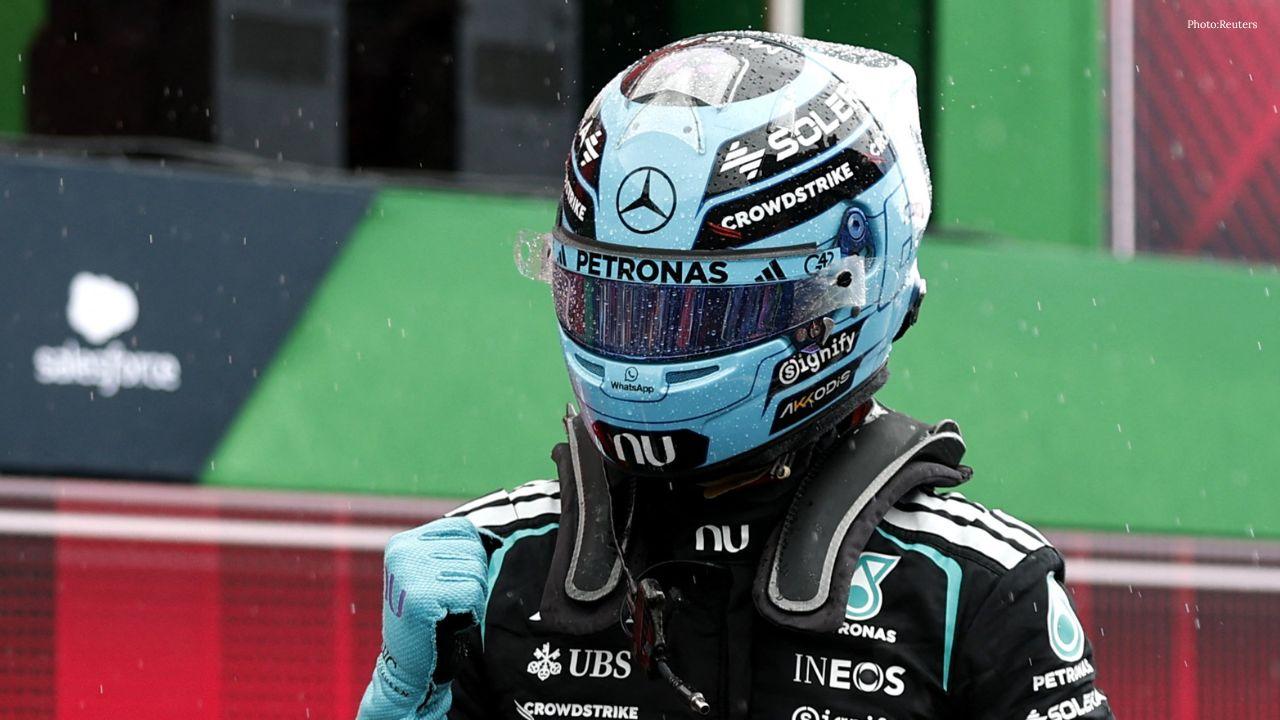






George Russell Wins Dutch GP Sprint, Boosts Mercedes Morale
George Russell wins the Dutch GP Sprint from pole as Mercedes teammate Kimi Antonelli extends his F1

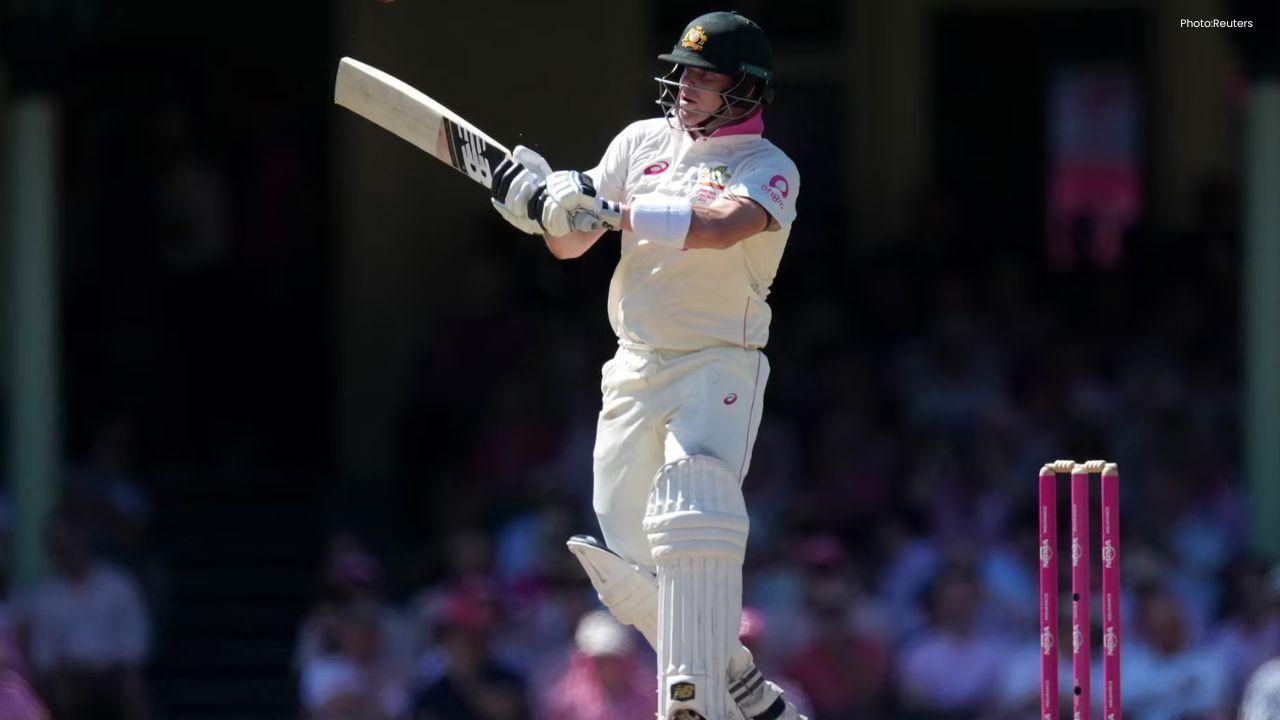
Australia 50/3 After Bangladesh Bowled Out for 64 in Second Test
Australia reached 50/3 after Bangladesh were bowled out for 64 in the second Test, with Mitchell Sta

Jordan Burroughs Returns to Wrestling with 2028 Olympic Dream
Jordan Burroughs returns to wrestling with Real American Freestyle as the Olympic champion eyes a po

Lamborghini Catches Fire on Singapore's ECP, Causing Heavy Traffic
A Lamborghini caught fire on Singapore's ECP, causing heavy traffic and bus delays. No injuries were

Bangkok Airport Duty-Free Area Flooded by Pipe Burst
A burst water pipe flooded the duty-free shopping area at Bangkok's Suvarnabhumi Airport on July 16,
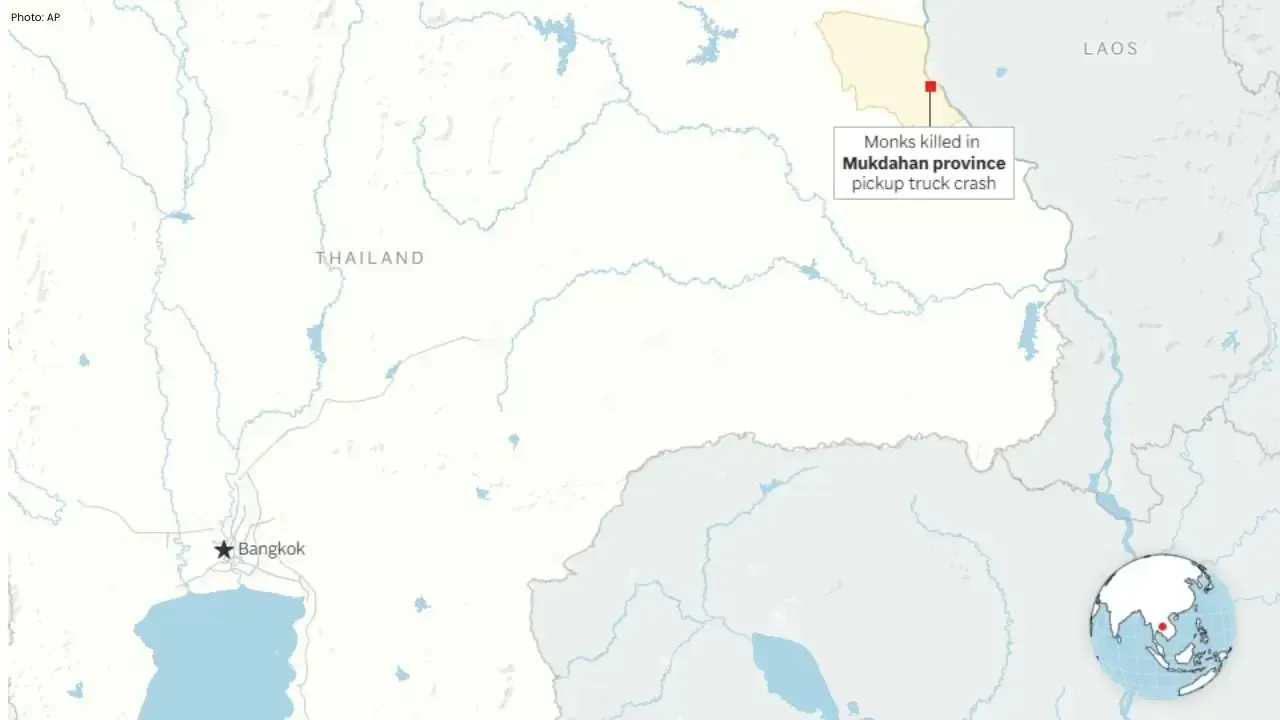
Nine Monks Killed in Thailand Pickup Truck Tragedy
An 11-year-old boy driving a pickup truck crashed into monks during a pilgrimage in northeastern Tha