You have not yet added any article to your bookmarks!
Join 10k+ people to get notified about new posts, news and tips.
Do not worry we don't spam!
Post by : Meena Ariff
Photo: Wikipedia
The government has introduced a new system to manage electricity prices called the Automatic Fuel Adjustment (AFA). This system is designed to make electricity pricing more transparent, accurate, and better aligned with the current global fuel market. It replaces the older method called the Imbalance Cost Pass-Through (ICPT), which reviewed electricity tariffs only once every six months. Now, under the new system, reviews will be done every month, giving users more timely and fair pricing based on actual fuel costs.
Why the Change?
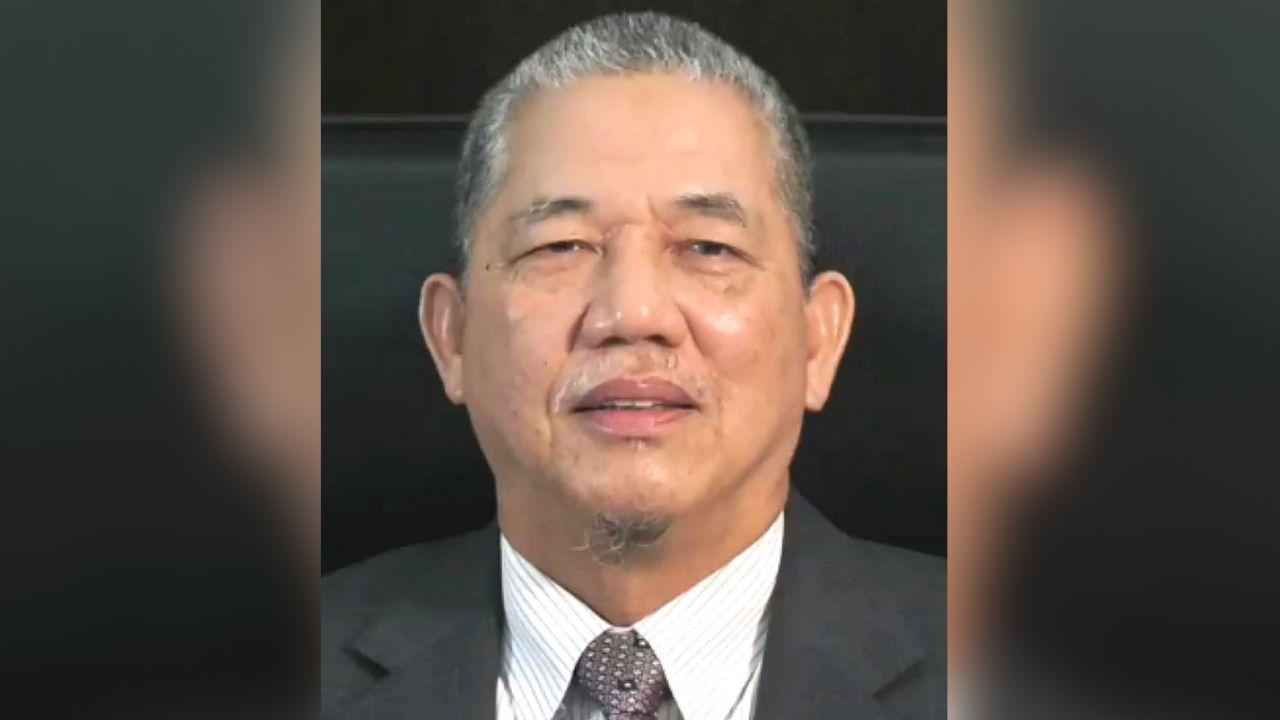
The Deputy Prime Minister, who also leads the Ministry of Energy Transition and Water Transformation, explained the need for this change. According to him, fuel prices across the world change often. So, it’s only fair that electricity tariffs also change in response to those fuel prices. That way, people are not paying too much or too little, and it reflects the real cost of energy production.
Monthly Review Brings More Accuracy
Before this new system, the electricity tariffs were updated every six months. This often caused a delay in responding to changes in global fuel prices. Now, with the Automatic Fuel Adjustment (AFA), tariffs will be updated every month, making it easier to reflect real-time fuel prices.
For example, in August, the government announced that due to a drop in fuel prices, a rebate of 1.545 sen per kilowatt-hour (kWh) will be given to users. This rebate will apply to the electricity used between August 1 and August 31. This would not have been possible under the old system.
What Does This Mean for Domestic Users?
If your household uses less than 600 kWh of electricity per month, you won’t be affected by the AFA. That means no extra charges due to fuel price changes. This is a big relief for families who use electricity wisely and keep their consumption under control.
However, if your monthly usage goes above 600 kWh, you will need to pay extra based on the current cost of fuel used in power generation, such as gas or coal. The idea here is to encourage people to use energy responsibly and not waste it.
New Way to Classify Electricity Users
Another major change under the new system is how users are grouped. Earlier, electricity users were divided based on economic sectors, like residential, commercial, or industrial. But now, they will be grouped according to their voltage usage level. This change is meant to make the system more fair and efficient.
Encouraging Renewable Energy Use
The government is also encouraging big energy users to consider switching to renewable energy, such as installing solar panels on their buildings. By doing this, they can save money on electricity and also help protect the environment.
The idea is to reduce the nation’s dependence on fossil fuels, which are not only expensive but also harmful to the planet. The government wants to move towards clean and green energy, and this new tariff system supports that goal.
Objectives Behind the New System
This new monthly tariff review and classification system is not just about changing prices. It is part of a larger plan to build a better energy future for Malaysia. The system follows four key principles:
More Details in the New Structure
This detailed breakdown helps users understand exactly what they are paying for. It also exposes the real costs behind generating and supplying electricity to homes, shops, and factories.
A Step Toward a Greener Future
The government sees this new system as a step toward the energy transition agenda. It wants to build a sustainable and affordable energy system for everyone in the country. By encouraging energy savings and pushing for renewable energy use, the government hopes to create a cleaner and safer environment for future generations.
The energy minister stressed that the new system will help control energy consumption, reduce dependency on fossil fuels, and save costs for users in the long run. He believes that these changes are important for Malaysia’s future growth and environmental protection.
When Will the New Tariff Schedule Start?
The revised electricity tariff schedule for Peninsular Malaysia will officially take effect from July 1, 2025. Until then, preparations and awareness campaigns will be carried out to help people understand the changes and how they will affect their bills.
What Should Users Do Now?
This new electricity tariff system in Peninsular Malaysia is a bold step toward a fairer, greener, and more transparent future. While some users may need to adjust their habits, the changes are designed to protect small users, encourage responsible energy use, and prepare the country for long-term sustainability.
With careful planning and public awareness, this system can lead to better energy management, cost savings, and a cleaner environment for all Malaysians.




George Russell Wins Dutch GP Sprint, Boosts Mercedes Morale
George Russell wins the Dutch GP Sprint from pole as Mercedes teammate Kimi Antonelli extends his F1

Australia 50/3 After Bangladesh Bowled Out for 64 in Second Test
Australia reached 50/3 after Bangladesh were bowled out for 64 in the second Test, with Mitchell Sta

Jordan Burroughs Returns to Wrestling with 2028 Olympic Dream
Jordan Burroughs returns to wrestling with Real American Freestyle as the Olympic champion eyes a po

Lamborghini Catches Fire on Singapore's ECP, Causing Heavy Traffic
A Lamborghini caught fire on Singapore's ECP, causing heavy traffic and bus delays. No injuries were

Bangkok Airport Duty-Free Area Flooded by Pipe Burst
A burst water pipe flooded the duty-free shopping area at Bangkok's Suvarnabhumi Airport on July 16,
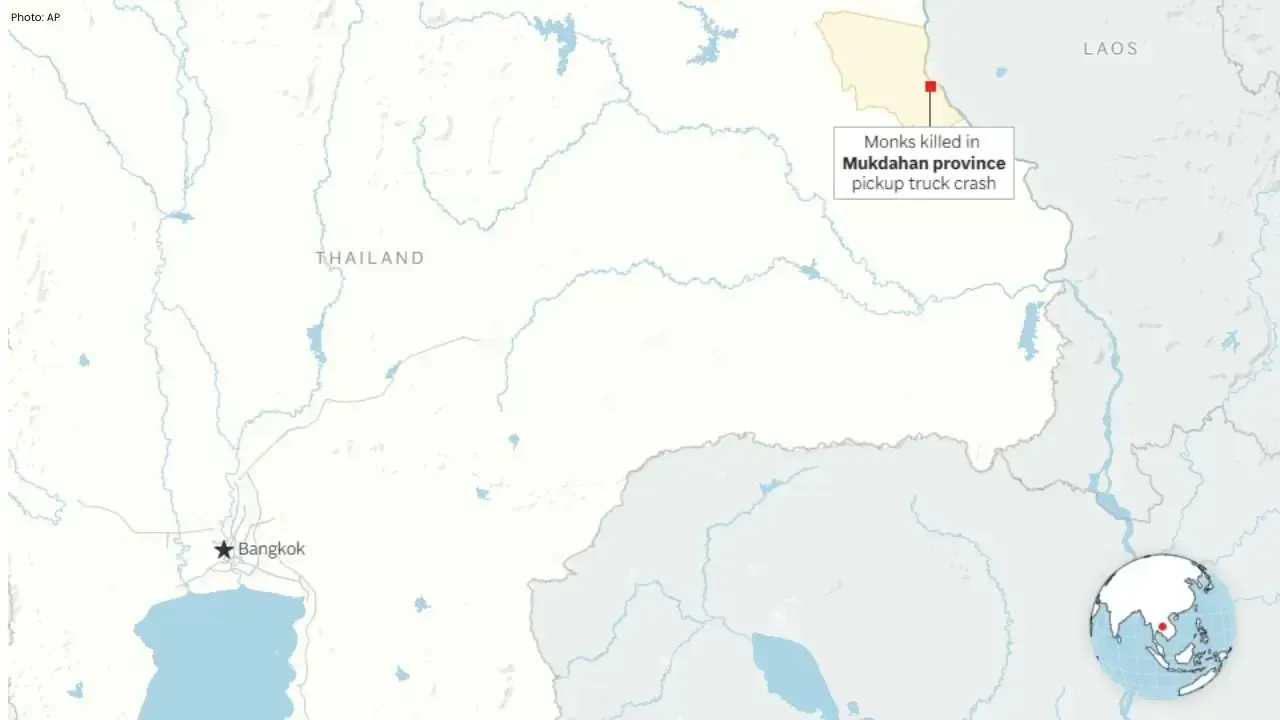
Nine Monks Killed in Thailand Pickup Truck Tragedy
An 11-year-old boy driving a pickup truck crashed into monks during a pilgrimage in northeastern Tha