You have not yet added any article to your bookmarks!
Join 10k+ people to get notified about new posts, news and tips.
Do not worry we don't spam!
Post by : Rameen Ariff
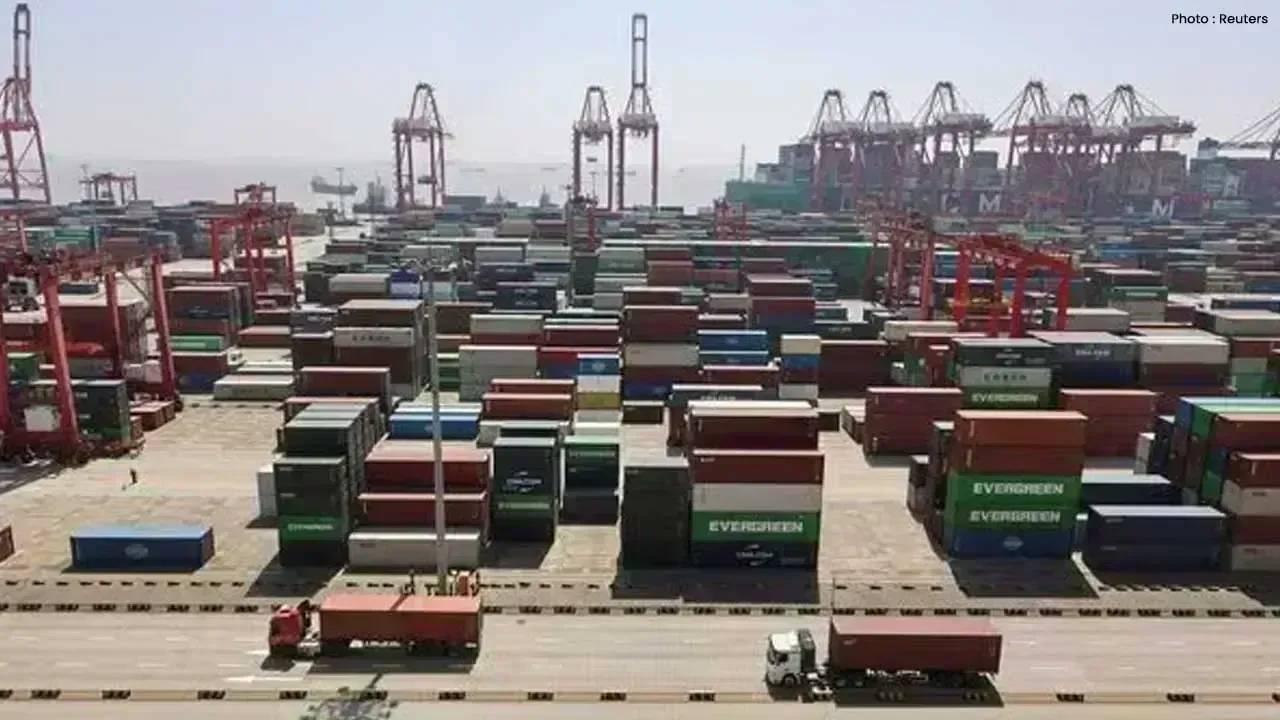
Mexico has imposed steep tariffs of up to 50 percent on imports from India, a move that could significantly affect Indian exports to Mexico, particularly in the automobile sector. This decision comes amid ongoing pressure from the United States for Mexico to reduce business with China, even as local Mexican business groups warned that higher tariffs would increase costs and disrupt trade.
The new tariffs cover a wide range of goods, including auto parts, light vehicles, clothing, textiles, toys, furniture, plastics, footwear, steel, household appliances, leather products, aluminum, paper, motorcycles, perfumes, and cosmetics. However, Indian car exporters are expected to face the brunt of this policy. The rise in duties on vehicles from 20 percent to 50 percent is projected to impact shipments worth around $1 billion from major Indian automakers such as Volkswagen, Hyundai, Nissan, and Maruti Suzuki.
Trade between India and Mexico has steadily grown over the years, increasing from $7.9 billion in 2019-20 to more than $8.4 billion in 2023-24, according to the Confederation of Indian Industry (CII). Indian automobile exports have been a key contributor to this trade, and the new Mexican tariffs now put these shipments under severe pressure. Skoda Auto Volkswagen alone accounts for nearly half of India’s car exports to Mexico, while Hyundai, Nissan, and Suzuki collectively contribute hundreds of millions of dollars in annual exports.
The Society of Indian Automobile Manufacturers (SIAM), which represents these companies, had previously requested the Indian commerce ministry to intervene and urge Mexico to maintain the status quo on vehicle tariffs. In a letter sent to government officials, SIAM highlighted that Indian vehicles are designed for the Mexican market, are mostly compact models under one-litre engine capacity, and do not compete with high-end cars produced in Mexico for the North American market. Despite this, the proposed tariff hike was finalized, leaving Indian exporters facing a difficult business environment.
Industry experts say this move could force Indian automakers to rethink their Mexico-centric export strategies. For many car manufacturers in India, exports are vital to maintaining production levels, achieving economies of scale, and offsetting slower domestic sales. The sudden increase in tariffs may disrupt these plans, affecting profit margins and potentially slowing growth in one of India’s key overseas markets.
Volkswagen India’s head, Piyush Arora, emphasised the importance of the Mexican market, noting that India has been a strong manufacturing and export hub for many years, supplying vehicles to over 40 countries. He said, “Mexico has consistently been one of our important export markets, given the rising demand and traction of India-made models.”
Analysts suggest that Mexico’s decision is influenced heavily by pressure from the United States and its review of the US-Mexico-Canada trade agreement (USMCA). The tariff increase comes as Mexico faces US levies on steel, aluminum, and the automotive sector, and is seen as a strategy to navigate complex international trade pressures. However, this policy has drawn criticism for potentially disrupting supply chains, raising inflation, and creating uncertainty for Indian exporters and other industries, including plastics, chemicals, and textiles.
With Indian car exports to Mexico representing a small but critical segment of the market—approximately 6.7 percent of annual passenger vehicle sales—the latest tariff measures could slow growth and force manufacturers to adjust their long-term export plans. India’s third-largest car export market now faces barriers that could reshape trade strategies and highlight the challenges of global trade amid rising protectionism.
As India assesses its next steps, the focus remains on mitigating the impact on automobile exports while maintaining strong bilateral trade relations with Mexico. The coming months will be critical for Indian car makers, commerce officials, and industry stakeholders as they navigate these new Mexican tariffs and explore solutions to protect India’s export interests.








Josh Kerr and Jakob Ingebrigtsen Set for 1,500m Rivalry Rematch
Josh Kerr and Jakob Ingebrigtsen will renew their 1,500m rivalry at the Ultimate Championship in Bud

PSG Coach Luis Enrique Urges Players to Step Outside Comfort Zone
PSG coach Luis Enrique says players must leave their comfort zone and keep improving as the club tar

China’s Tiangong Sets New 400m Record at Robot Olympics
China’s Tiangong robot sets a new 400m record at the Robot Olympics, beating a South African robot i
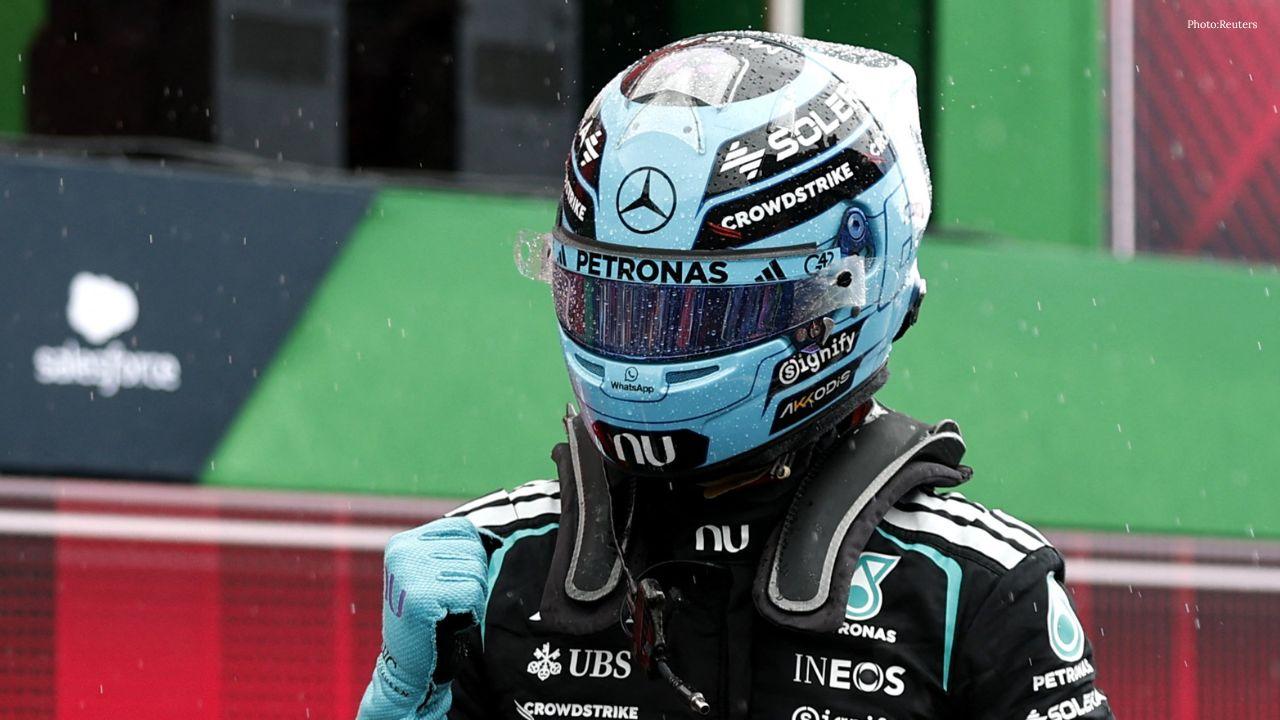
George Russell Wins Dutch GP Sprint, Boosts Mercedes Morale
George Russell wins the Dutch GP Sprint from pole as Mercedes teammate Kimi Antonelli extends his F1
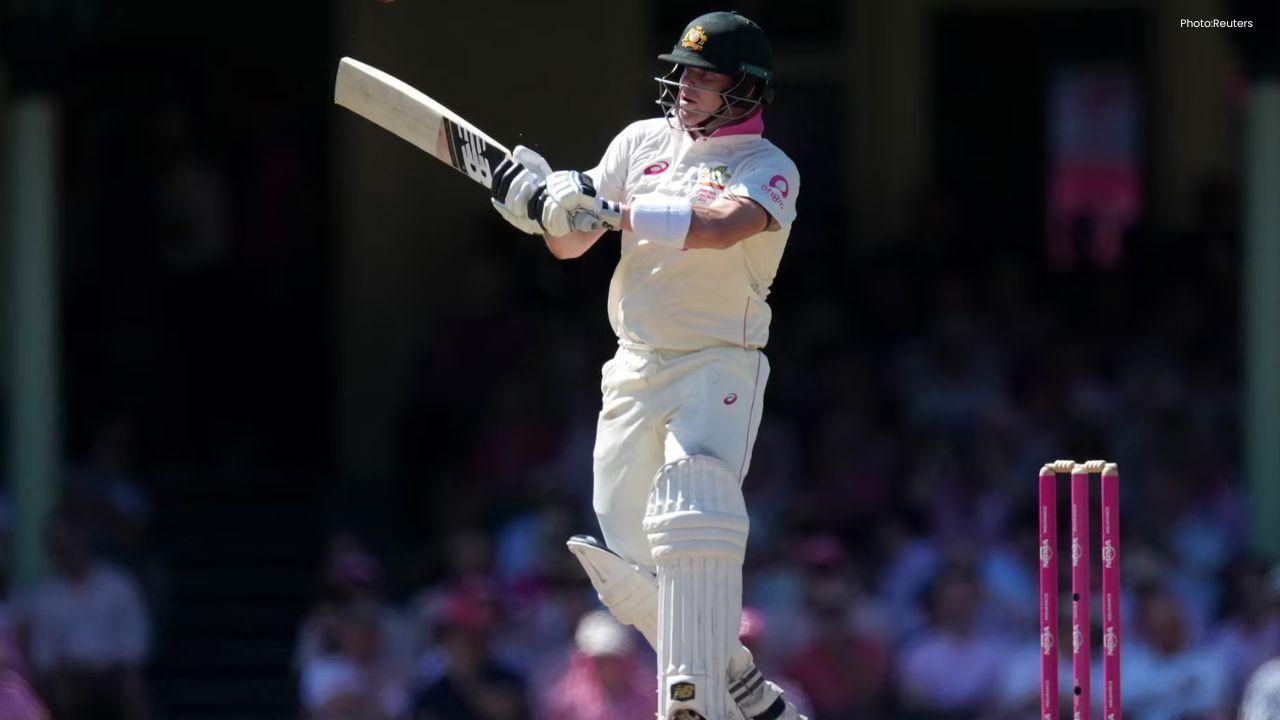
Australia 50/3 After Bangladesh Bowled Out for 64 in Second Test
Australia reached 50/3 after Bangladesh were bowled out for 64 in the second Test, with Mitchell Sta

Jordan Burroughs Returns to Wrestling with 2028 Olympic Dream
Jordan Burroughs returns to wrestling with Real American Freestyle as the Olympic champion eyes a po