You have not yet added any article to your bookmarks!
Join 10k+ people to get notified about new posts, news and tips.
Do not worry we don't spam!

Post by : Rameen Ariff
Mexico has taken a significant step toward reshaping its trade landscape by approving steep tariff hikes on imports from China and several other Asian countries. The decision, passed by Mexico’s Senate on Wednesday, is set to take effect from next year and aims to protect domestic industries facing intense competition from low-cost foreign goods.
The new tariff plan, which was earlier cleared by the lower house, increases duties to as high as 50 per cent on a wide range of products coming from countries without formal trade agreements with Mexico. This list includes China, India, South Korea, Thailand and Indonesia. Many of these goods – such as automobiles, auto parts, textiles, clothing, plastics and steel – play a major role in the Mexican market, making the tariff increase a highly impactful move. For most items, Mexico will impose tariffs of up to 35 per cent.
The Bill secured strong political backing in the Senate, passing with 76 votes in favour, just five against and 35 abstentions. The final version is less aggressive than an earlier proposal that stalled months ago. That earlier version suggested higher tariffs on nearly 1,400 product lines but was later softened to reflect reduced duties on two-thirds of those items.
As expected, China reacted strongly to Mexico’s decision. The Chinese Ministry of Commerce said it would closely monitor Mexico’s tariff changes and evaluate how they affect bilateral trade. It warned that these new measures could “substantially undermine” the interests of both countries’ businesses. The ministry stressed its long-standing opposition to unilateral tariff increases and urged Mexico to correct what it called “protectionist practices.” China’s Foreign Affairs Ministry also noted that turning away from global economic cooperation would harm both sides.
Analysts believe several factors drove this decision. One of the biggest motivations is Mexico’s desire to strengthen its position ahead of the next review of the US-Mexico-Canada Agreement (USMCA). At the same time, the Mexican government expects the higher tariffs to generate about US$3.76 billion in additional revenue in 2026, helping reduce the country’s fiscal deficit.
Senator Mario Vazquez from the opposition PAN party explained that the tariffs could help shield domestic producers from Chinese competition and protect Mexican jobs. However, he also admitted that the tariff increase will ultimately raise prices for consumers, and he emphasised the importance of ensuring that these additional funds are used to build stronger production chains within the country.
In contrast, Senator Emmanuel Reyes from the ruling Morena party defended the move strongly. As chairman of the Senate Economy Committee, he said the tariff adjustments are meant to reinforce Mexico’s role in global supply chains, safeguard employment in critical sectors and serve the broader interests of the nation’s economic strategy. According to him, the tariffs are not just a new revenue source but also a policy tool that shapes Mexico’s long-term trade direction.
Mexico had already signaled this shift in September when it announced upcoming tariff increases on automobiles and various other goods from China and other Asian markets. The decision comes at a time when the United States is urging Latin American nations to reduce their economic dependency on China, as both global powers compete for influence across the region.
Mexico’s new tariff regime marks one of its boldest trade policy moves in recent years, reflecting a balancing act between domestic industry protection, global trade pressure and the need to maintain stable economic growth.








Josh Kerr and Jakob Ingebrigtsen Set for 1,500m Rivalry Rematch
Josh Kerr and Jakob Ingebrigtsen will renew their 1,500m rivalry at the Ultimate Championship in Bud

PSG Coach Luis Enrique Urges Players to Step Outside Comfort Zone
PSG coach Luis Enrique says players must leave their comfort zone and keep improving as the club tar

China’s Tiangong Sets New 400m Record at Robot Olympics
China’s Tiangong robot sets a new 400m record at the Robot Olympics, beating a South African robot i
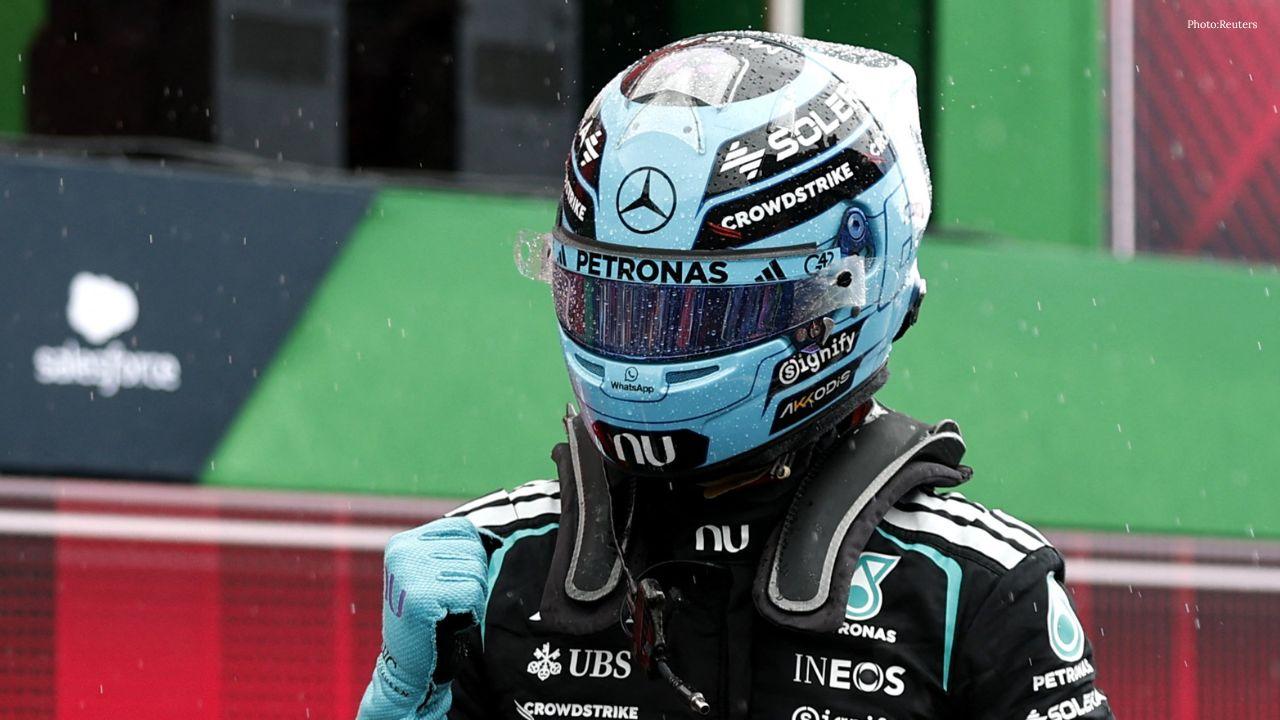
George Russell Wins Dutch GP Sprint, Boosts Mercedes Morale
George Russell wins the Dutch GP Sprint from pole as Mercedes teammate Kimi Antonelli extends his F1
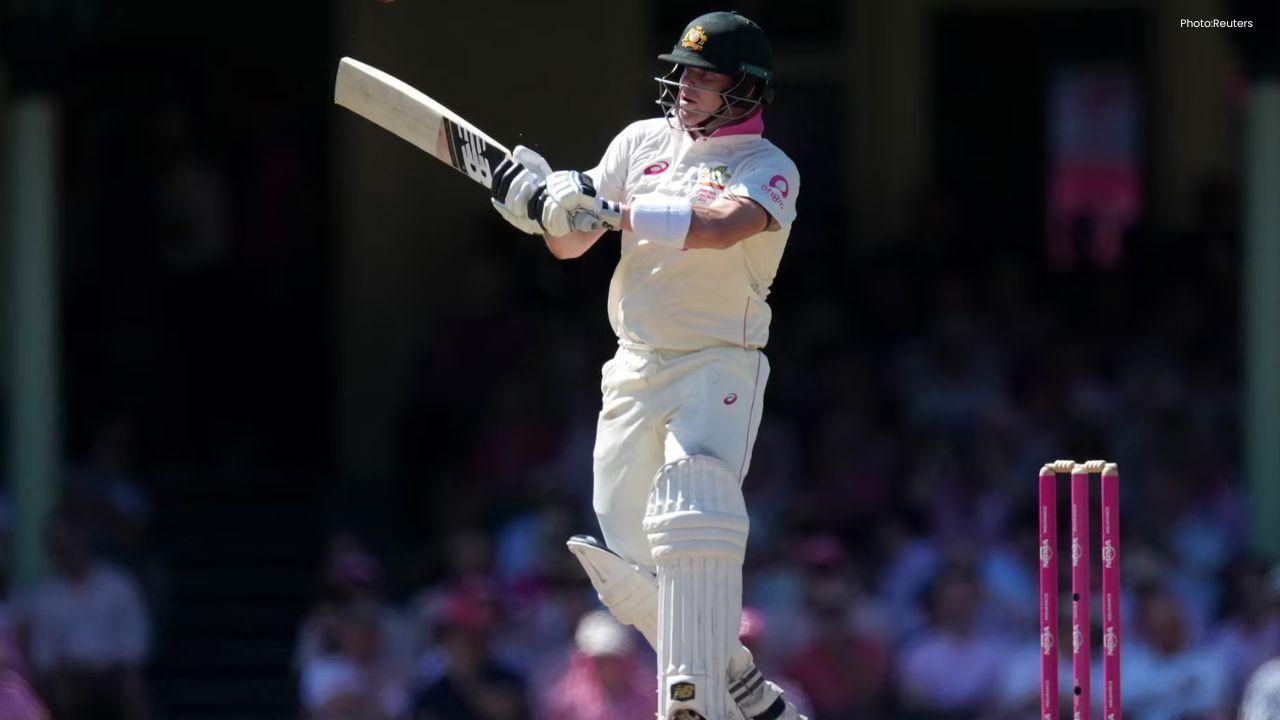
Australia 50/3 After Bangladesh Bowled Out for 64 in Second Test
Australia reached 50/3 after Bangladesh were bowled out for 64 in the second Test, with Mitchell Sta
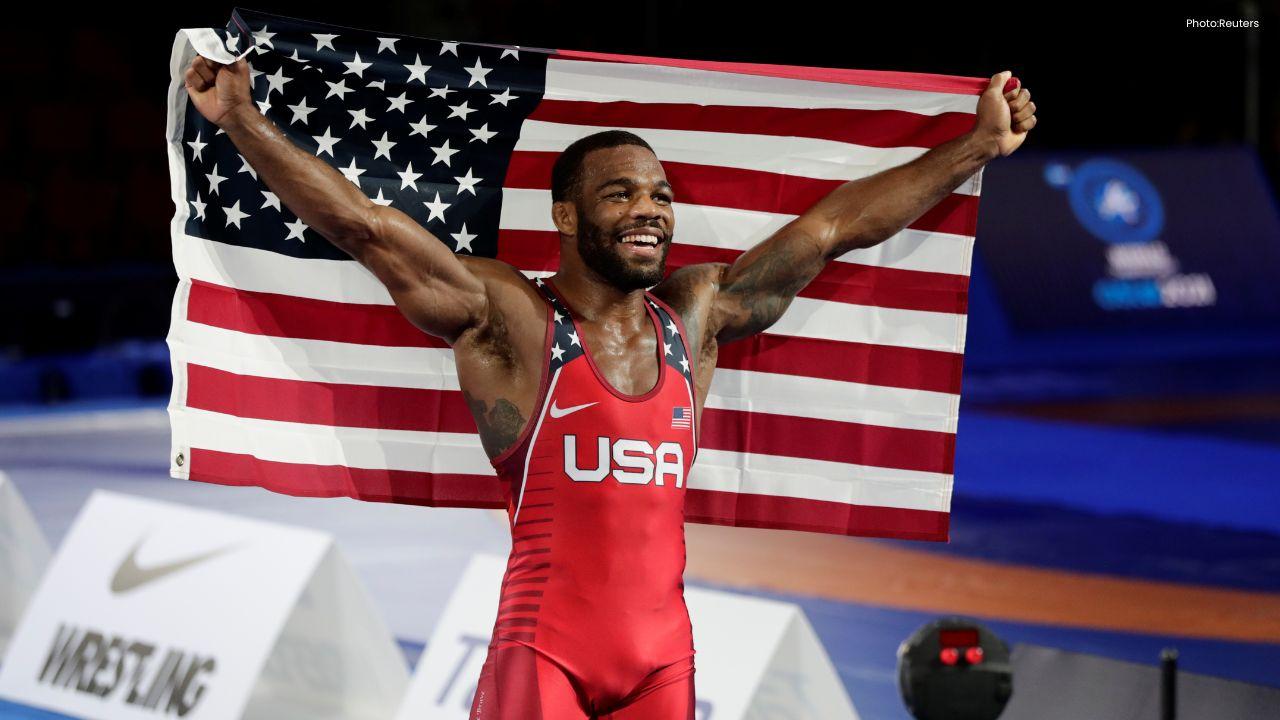
Jordan Burroughs Returns to Wrestling with 2028 Olympic Dream
Jordan Burroughs returns to wrestling with Real American Freestyle as the Olympic champion eyes a po