You have not yet added any article to your bookmarks!
Join 10k+ people to get notified about new posts, news and tips.
Do not worry we don't spam!
Post by : Saif Rahman
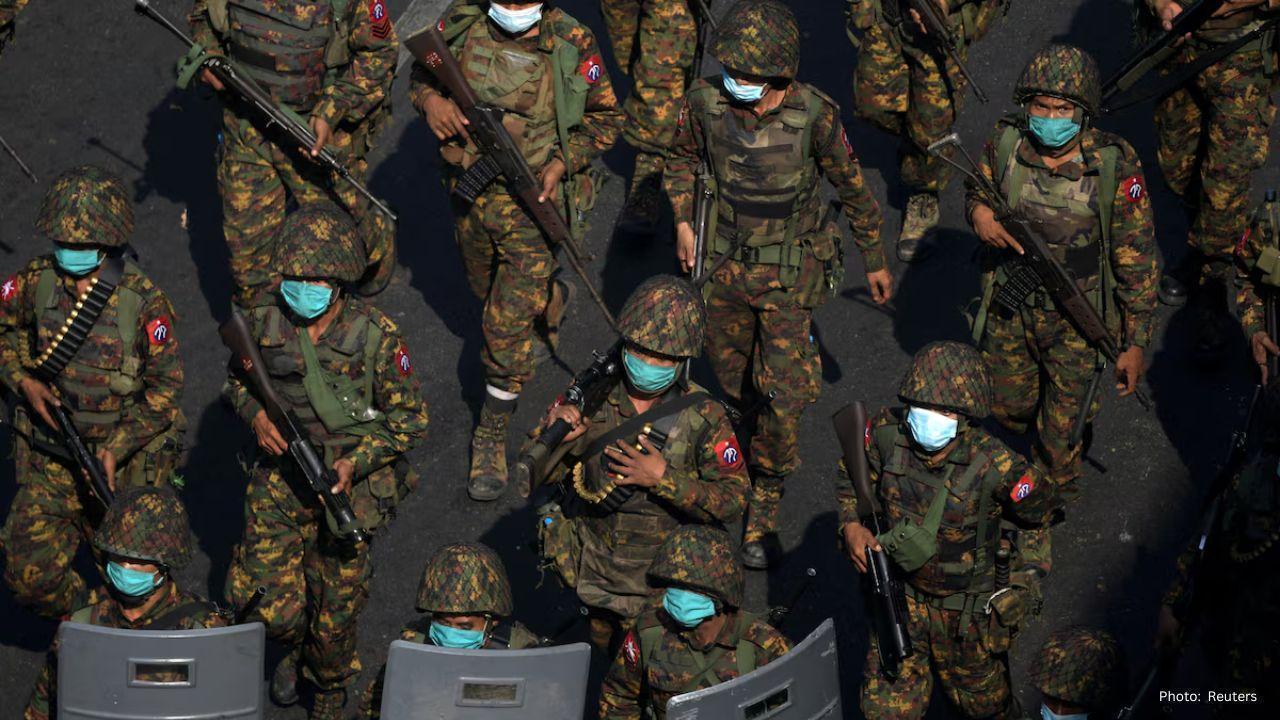
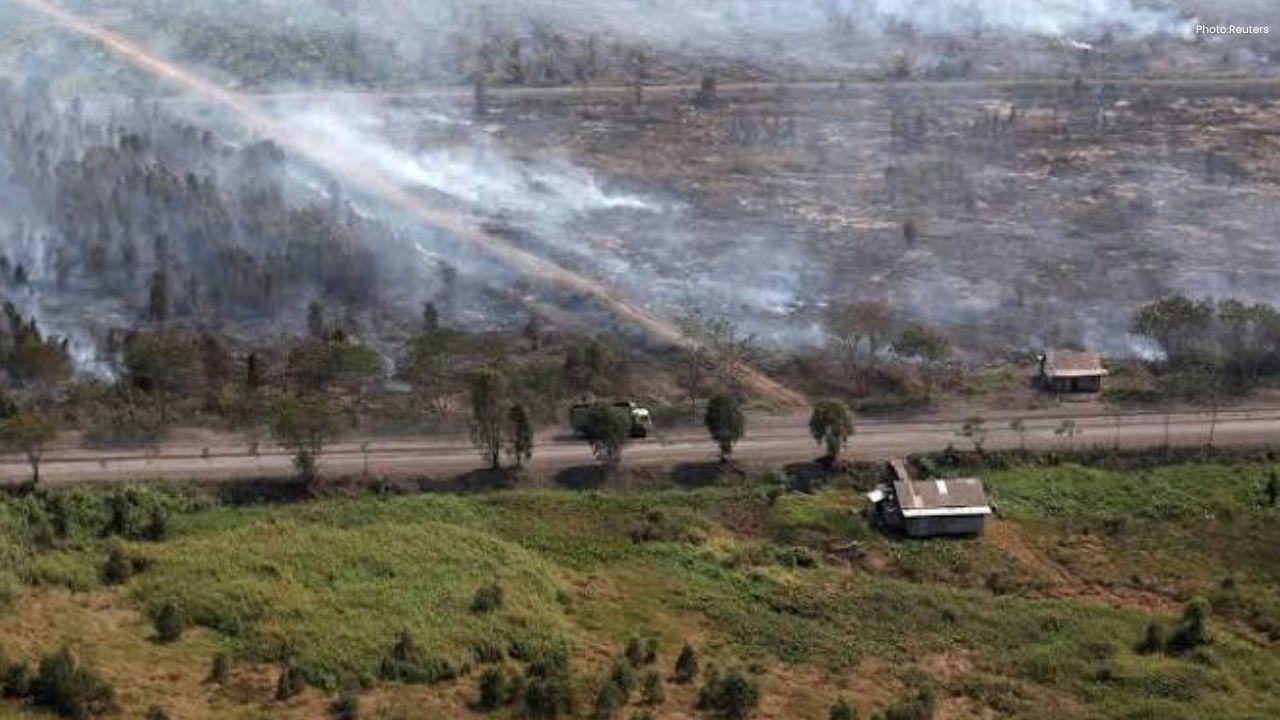
The military regime in Myanmar has shifted its approach to tackling the ongoing civil war. In response to significant defeats and territorial losses to opposition forces, the junta is employing tougher strategies. This includes the conscription of young citizens, increased drone usage, and large-scale troop assaults aimed at overwhelming resistance positions.
Rebels in central Myanmar have reported that these clashes have been particularly severe. Their defenses were subjected to relentless drone strikes and heavy artillery bombardments. Following these aerial assaults, waves of soldiers advanced, often disregarding high casualty rates. Many rebels remarked that the military's tactics had dramatically changed from their previous fighting style. Ultimately, the immense pressure forced them to retreat to safer locales.
The strife began in Myanmar after the military coup in 2021, which ousted the elected government. Armed confrontations have escalated across the nation, with resistance groups now controlling numerous towns and border regions following a significant offensive in late 2023. This offensive inflicted severe damage on the military, revealing deficiencies in its leadership and training, leading many to believe that the junta's power was waning.
However, over the last year, the military has been steadily reorganizing. In early 2024, it instituted mandatory military service, integrating tens of thousands of new recruits into its forces. Though these recruits often lack effective training and morale, their sheer numbers allow for ongoing operations and quick replacements of losses.
Moreover, the military has replaced less experienced officers with seasoned leaders, ensuring units receive better rest periods between deployments, enhancing their combat readiness. These adjustments have enabled a more structured and prolonged military engagement.
Drones have become an essential asset for the junta. Various types of unmanned aerial vehicles are now used to surveil enemy movements, coordinate airstrikes, and execute direct attacks. This aerial capability has increased the accuracy and lethality of military operations. Although rebel factions also utilize drones, their lack of sophisticated countermeasures leaves them vulnerable.
Additionally, there has been a notable improvement in the speed of decision-making. Lower-ranking commanders can now more readily request air support, facilitating swift strikes on rebel locations ahead of ground troop assaults. This has led to enhanced collaboration between air and ground forces.
China plays a discreet yet influential role, aiming for regional stability. The Chinese government regards Myanmar's military as a vital ally and has exerted pressure to induce ceasefires among certain armed factions, subsequently limiting the flow of weaponry and funding to others. In several regions, some rebel groups have had to curtail their operations due to material shortages.
These changes have enabled the junta to reclaim certain territories, albeit with limited and inconsistent success. Numerous resistance factions remain robust, and no single side can claim full control over the nation. The conflict is extensive, spanning from the Chinese frontier to the Bay of Bengal.
The military's intensified efforts come as it prepares to conduct a general election later this month. International watchdogs and human rights organizations have expressed concerns regarding the fairness of the election, pointing out that significant opposition figures remain imprisoned and several parties are boycotting the process. For many citizens, the election seems disconnected from the realities of ongoing conflict and suffering.
The future of Myanmar remains precarious. While the military's revamped tactics could temporarily stall its decline, they also exacerbate hardships for civilians. The realities of forced conscription, airstrikes, and persistent hostilities have deepened the crisis in the country. Without sincere dialogue and peace initiatives, Myanmar is likely to endure escalating violence in the coming years.





Josh Kerr and Jakob Ingebrigtsen Set for 1,500m Rivalry Rematch
Josh Kerr and Jakob Ingebrigtsen will renew their 1,500m rivalry at the Ultimate Championship in Bud

PSG Coach Luis Enrique Urges Players to Step Outside Comfort Zone
PSG coach Luis Enrique says players must leave their comfort zone and keep improving as the club tar

China’s Tiangong Sets New 400m Record at Robot Olympics
China’s Tiangong robot sets a new 400m record at the Robot Olympics, beating a South African robot i
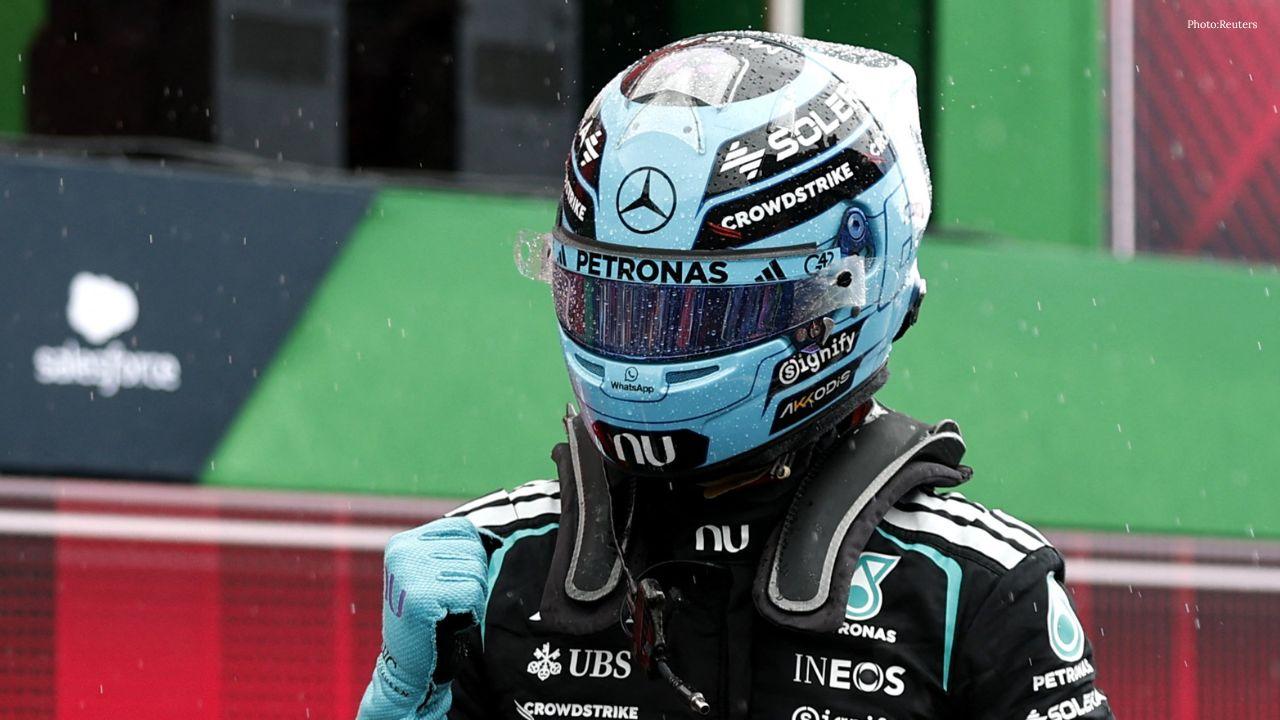
George Russell Wins Dutch GP Sprint, Boosts Mercedes Morale
George Russell wins the Dutch GP Sprint from pole as Mercedes teammate Kimi Antonelli extends his F1
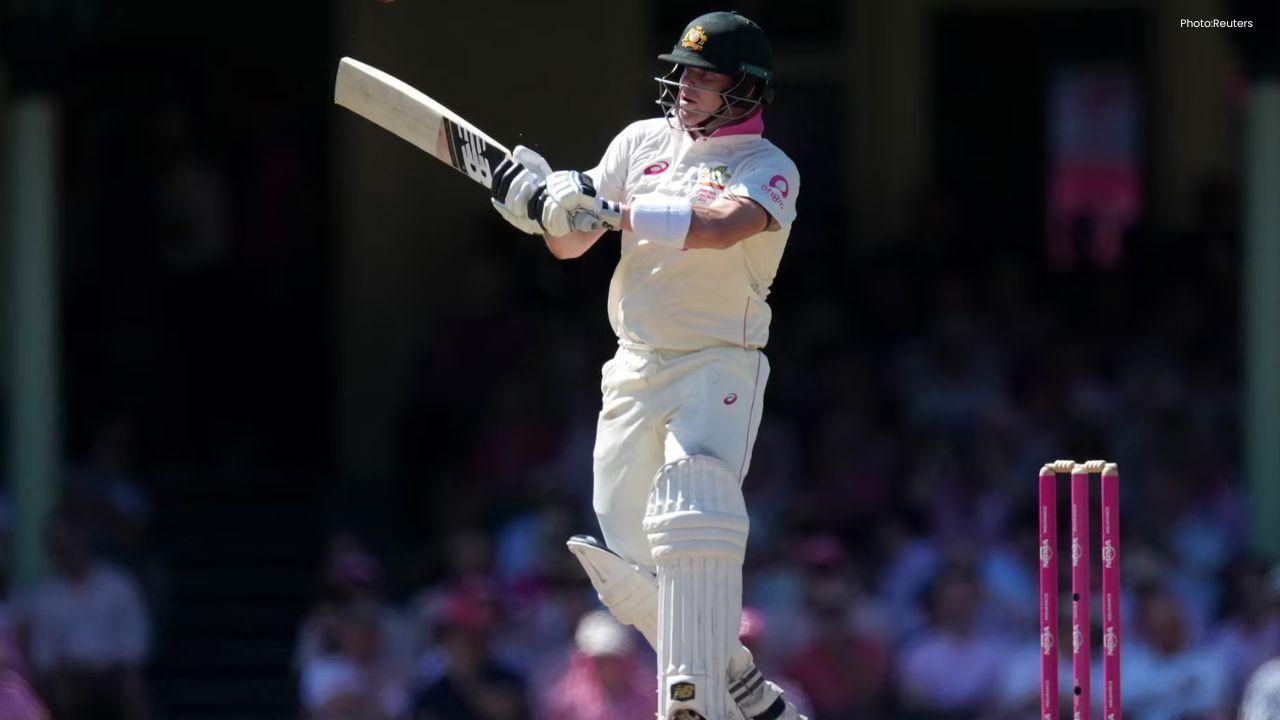
Australia 50/3 After Bangladesh Bowled Out for 64 in Second Test
Australia reached 50/3 after Bangladesh were bowled out for 64 in the second Test, with Mitchell Sta

Jordan Burroughs Returns to Wrestling with 2028 Olympic Dream
Jordan Burroughs returns to wrestling with Real American Freestyle as the Olympic champion eyes a po