
You have not yet added any article to your bookmarks!
Join 10k+ people to get notified about new posts, news and tips.
Do not worry we don't spam!
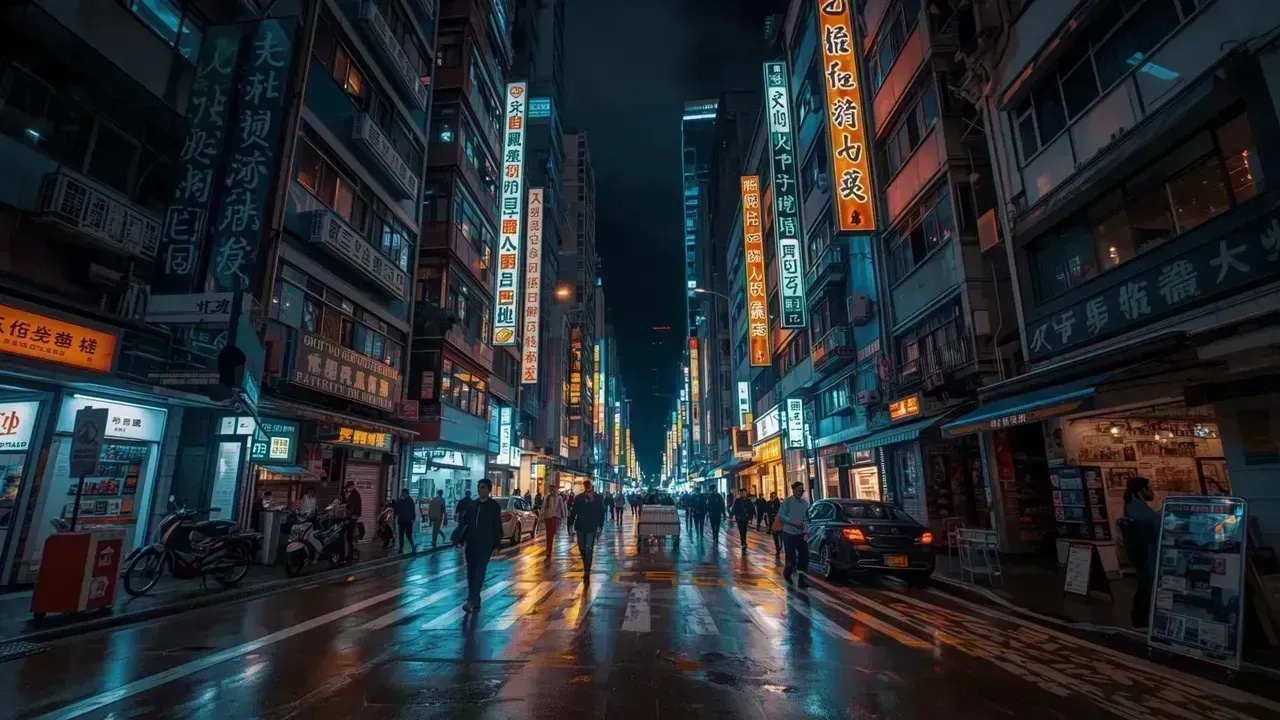
Post by : Samjeet Ariff
Often hailed as one of the world’s most efficient cities, Hong Kong showcases this efficiency through its public transport system. For newcomers, solo adventurers, families, and budget travelers alike, a frequently asked question is: Is it truly feasible to explore the entirety of Hong Kong using solely public transport?
The straightforward answer is absolutely—and it’s remarkably convenient. Indeed, in Hong Kong, public transport is not merely a supplementary choice; it is the primary and most intelligent way to traverse the city.
This comprehensive guide details how the public transport system of Hong Kong operates, its accessibility for tourists, the areas it covers, its costs, and why tourists rarely need taxis or personal vehicles.
As a densely populated, vertical metropolis with restricted land and high vehicle ownership costs, Hong Kong has invested substantially in a cohesive, rapid, and traveler-oriented public transport system.
Several characteristics make the city perfect for public transport exploration:
Compact layout with well-networked districts
High population density which supports frequent services
Clear bilingual signage in English and Chinese
Seamless connectivity among various transport modes
Safe, tidy, and punctual service
Public transport isn’t just an alternative—it’s the primary mode of travel for locals, greatly benefitting tourists.
Before delving into the transport mechanics, it’s essential to know about the Octopus Card, Hong Kong's smart payment solution.
Applicable across MTR trains, buses, trams, ferries, and minibuses
Usable in convenience stores, eateries, and vending machines
Removes the need for cash or repeated ticket purchases
Facilitates faster entry and exit at stations
For travelers, the Octopus Card alleviates language barriers, pricing confusion, and payment hurdles.
All you have to do is tap in and tap out. Fares are calculated automatically, and transitions between transport types feel integrated.
The Mass Transit Railway (MTR) serves as the backbone of Hong Kong's transport infrastructure.
The MTR links:
Hong Kong Island
Kowloon
New Territories
Airport and border crossings
Prominent tourist spots like Central, Tsim Sha Tsui, Causeway Bay, Mong Kok, Disneyland, and Ngong Ping cable car stations are all connected through the MTR.
Stations are adequately marked in English
Route maps are user-friendly
Announcements on platforms are bilingual
Trains arrive routinely
Even newcomers can navigate the MTR effortlessly.
The MTR in Hong Kong is particularly clean, air-conditioned, and secure, even during the evening. This makes it an excellent option for families and solo voyagers.
Though the MTR serves most significant zones, buses complement the system, particularly in picturesque and residential locales.
Comprehensive network extending to beaches, hiking paths, and local communities
Clear route indicators and digital screens
Stops announced in English
Economical fares
Buses are particularly advantageous for destinations like Repulse Bay, Stanley Market, Lamma Island ferry terminals, and scenic overlooks.
Hong Kong’s famous double-decker buses provide stunning views of the city at a fraction of the price compared to organized sightseeing tours.
The Hong Kong Tramways, affectionately known as “ding ding trams,” travel the northern coast of Hong Kong Island.
Flat fare irrespective of distance
Leisurely pace perfect for sightseeing
Routes through Central, Wan Chai, and Causeway Bay
Upper deck offers panoramic views
Though not the fastest option, trams deliver an authentic local flavor while journeying through bustling commercial areas.
The ferry system in Hong Kong serves both a functional and scenic purpose.
The Star Ferry connects Hong Kong Island with Kowloon and is often regarded as one of the most cost-effective ferry rides globally.
Exceptional skyline vistas
Very affordable
Frequent departures
Many travelers find that the ferry experience becomes a highlight of their trip rather than just a means of transport.
Public ferries connect the mainlands to:
Lantau Island
Lamma Island
Cheung Chau
Peng Chau
This makes island-hopping both economical and straightforward without resorting to private tours.
Hong Kong’s airport links are rated among the best worldwide.
The quickest path from the airport to the city
Clean, roomy, and accommodating for luggage
Direct connections to major stations
For budget-conscious travelers, airport buses offer:
Direct routes to hotels and neighborhoods
Cheaper than the Airport Express
Reliable timetables
You can access nearly any area of Hong Kong directly from the airport via public transport alone.
Almost all major attractions can be accessed via public transport.
Victoria Peak via MTR and Peak Tram or bus
Hong Kong Disneyland through a dedicated MTR line
Tian Tan Buddha via MTR and cable car or bus
Markets, temples, museums accessible via nearby stations
You generally won’t need more than one or two transfers.
One prevalent concern for tourists is the potential for language barriers.
Widespread English signage
Station maps that are visual and easy to follow
Transport staff frequently speak basic English
Clearly marked route information
Hong Kong consistently ranks among the most tourist-friendly transport systems in Asia.
While taxis in Hong Kong are reliable, they are pricier.
Predictable fares
No traffic-related stress
Faster travel during rush hours
No need for navigation apps
Most residents opt for public transport even if they can afford taxis, highlighting its efficiency.
Hong Kong has prioritized accessibility through significant investments.
Elevators and ramps available at stations
Priority seating for those in need
Audio announcements for improved understanding
Clear platform markings
This enhances independent travel for elderly individuals and those with mobility challenges.
Public transport in Hong Kong reaches its peak during weekday rush hours.
Travel during late morning or early afternoon hours
Avoid high-traffic commuting hours
Use ferries or trams for a more relaxed experience
Even during busy times, services remain punctual.
Public transport in Hong Kong is widely regarded as exceptionally safe.
Low incidents of crime
CCTV in operation
Well-lit stations for security
Strict enforcement of regulations
Tourists can confidently use public transport late into the night.
When you evaluate convenience, pricing, and accessibility, public transport frequently comes out on top.
Faster travel during congested periods
More economical for extended trips
Less mental strain navigating traffic
Better immersion in the city experience
Most visitors find that private cars are unnecessary.
Indeed. A significant number of travelers spend their entire stay utilizing:
MTR
Buses
Trams
Ferries
Additional pedestrian bridges and escalators further ease effort, making taxis an option rather than a necessity.
Exploring Hong Kong solely through public transport isn't just straightforward—it's one of the most enriching ways to discover the city. The system is expertly designed for efficiency, clarity, and inclusion. Tourists reap the benefits of infrastructure crafted for millions of daily users.
With just an Octopus Card and a bit of route knowledge, you're set to explore:
Urban hubs
Cultural precincts
Natural sites
Islands and beaches
Hong Kong demonstrates that public transport can be quick, comfortable, scenic, and stress-free—all at the same time.
This content is intended for informational use and is based on general travel conditions and publicly available transit policies. Please note that transport routes, fares, schedules, and accessibility features may evolve over time. We recommend checking official transport updates and planning according to personal needs and travel dates.










PM Modi Pays Tribute to Mahatma Gandhi, Urges People to Support Khadi
PM Modi pays tribute to Mahatma Gandhi on Gandhi Jayanti and urges citizens to support Khadi and the

Amazon Seeks to Offload $8 Billion in Nvidia Chips to Investors
Amazon plans to move $8 billion in Nvidia chips to investors, using a new financing model to strengt

Samsung Raises Galaxy S26 Prices as Memory Chip Costs Rise
Samsung raises Galaxy S26 prices in South Korea as rising memory chip costs put pressure on smartpho

Lewis Hamilton Calls Singapore Grand Prix One of F1's Toughest Races
Lewis Hamilton discusses the demanding Singapore Grand Prix and brings Plus44 and Almave to Singapor

Denmark's Pandora Opens World's Largest Jewellery Factory in Vietnam
Pandora opens its largest jewellery factory in Vietnam, expanding global production, strengthening s

Gautam Gambhir Questions Batting-Friendly Pitches After India's Record ODI Chase
Gautam Gambhir questions batting-friendly ODI pitches after India’s record chase, calling for a bett

