You have not yet added any article to your bookmarks!
Join 10k+ people to get notified about new posts, news and tips.
Do not worry we don't spam!
Post by : Jyoti Singh
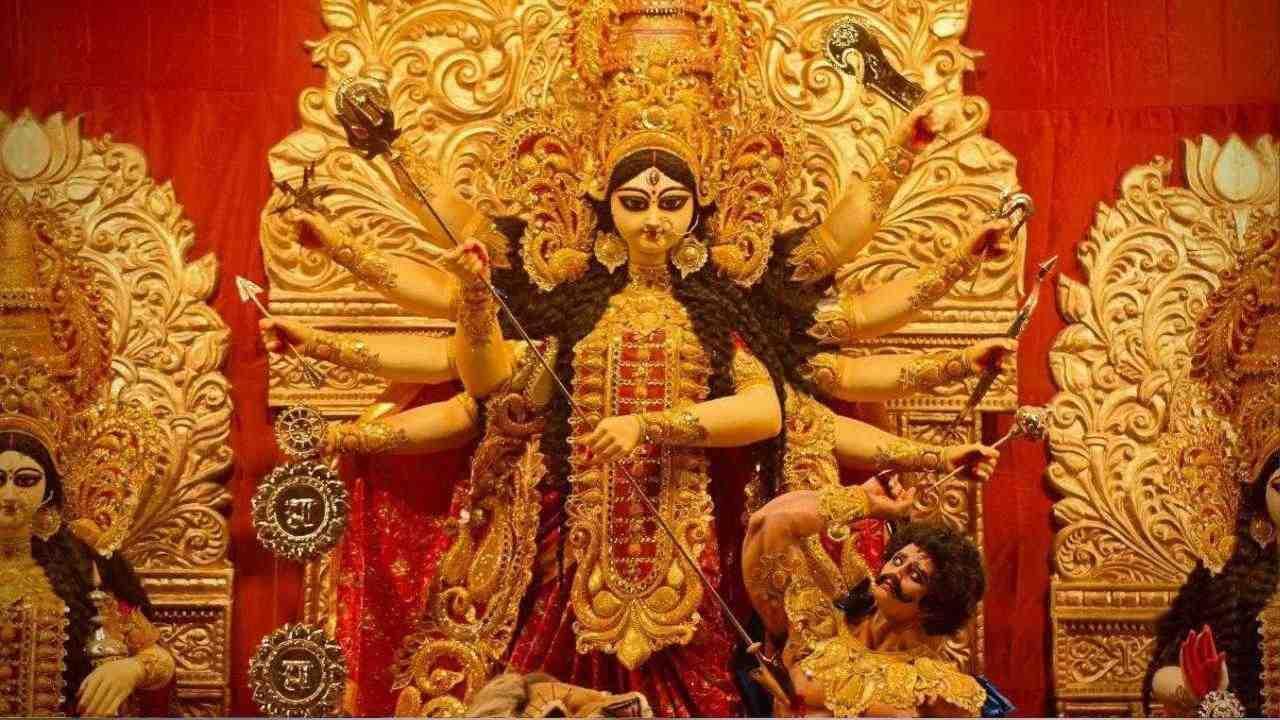
India is a land of festivals, and among them, Navratri holds a very special place. It is not just a festival but a celebration of faith, devotion, and spirituality. Navratri, which means “nine nights,” is dedicated to the worship of nine different forms of Goddess Durga, also known as the Nine Mata. Each day of Navratri is devoted to one form of the goddess, and together, these nine days represent the triumph of good over evil, hope over despair, and light over darkness.
People across India and in many parts of the world celebrate Navratri with prayers, fasting, music, dance, and devotion. The nine goddesses worshipped during this festival are not only seen as divine powers but also as symbols of courage, wisdom, strength, and compassion. The festival teaches us to embrace these qualities in our own lives.
Navratri is more than a festival; it is a journey of the soul. Each of the nine days is linked with a particular goddess who represents a different aspect of life. From strength and knowledge to peace and prosperity, the nine forms of the goddess remind us of the balance that life requires.
During Navratri, devotees clean their homes, decorate temples, and participate in prayers with devotion. Many people observe fasts to purify their body and mind. In states like Gujarat, people perform Garba and Dandiya Raas, while in West Bengal, the festival merges with Durga Puja where Goddess Durga’s victory over the demon Mahishasura is celebrated. The spiritual essence of Navratri lies in realizing that the divine feminine power exists in every part of the universe and within ourselves.
On the first day of Navratri, devotees worship Goddess Shailputri, the daughter of the Himalayas. She is considered the purest form of Mother Nature and represents strength, stability, and new beginnings. Shailputri rides a bull and holds a trident and a lotus, symbolizing courage and divine power.
Her story reminds us that true strength comes from purity and determination. Worshipping her on the first day is believed to bring stability in life and help devotees start the nine-day journey with clarity and devotion. She teaches that no matter how big the challenge, with inner strength and faith, one can overcome it.
On the second day, Goddess Brahmacharini is worshipped. She is the goddess of meditation, penance, and devotion. Her name means “one who follows the path of devotion.” She carries a rosary and a water pot, representing purity and spiritual focus. Her form teaches us patience, faith, and the value of dedication in life.
The third day of Navratri is dedicated to Goddess Chandraghanta, who is known for her bravery and courage. She is depicted with a half-moon on her forehead and rides a tiger. Chandraghanta is considered a fierce form of the goddess who protects her devotees from negativity and fear. Worship of Chandraghanta is believed to bring courage, peace, and harmony into the lives of devotees.
The fourth day is dedicated to Goddess Kushmanda, believed to be the creator of the universe. Her name means “the one who created the cosmic egg.” She is worshipped as the goddess of prosperity, energy, and health. Her blessings bring happiness and remove worries from life.
On the fifth day, devotees worship Goddess Skandmata, the mother of Lord Kartikeya. She is a symbol of love, motherhood, and protection. Skandmata rides a lion and carries her child in her lap, showing the power of a mother’s love. Worshipping her is believed to bring peace in the family and blessings for children.
The sixth day belongs to Goddess Katyayani, who is one of the fiercest forms of Durga. She was born to destroy the demon Mahishasura. She carries weapons and rides a lion, representing supreme power and justice. Devotees believe that worshipping Katyayani helps in removing obstacles, bringing justice, and fulfilling desires.
The seventh day of Navratri is dedicated to Goddess Kaalratri, the most fierce and powerful form of the goddess. Her dark appearance symbolizes the destruction of evil and the removal of fear. Though terrifying to demons, she is very protective and kind to her devotees. Worshipping Kaalratri is believed to remove darkness, negativity, and ignorance from life.
On the eighth day, devotees worship Goddess Mahagauri, who represents purity, calmness, and forgiveness. She is dressed in white and rides a bull. Her form is gentle and serene, bringing peace and blessings to devotees. Worshipping Mahagauri helps people achieve inner peace and purify their hearts.
The ninth and final day of Navratri is dedicated to Goddess Siddhidatri, the one who grants siddhis or spiritual powers. She represents completeness, perfection, and divine blessings. Devotees believe that by worshipping Siddhidatri, they can receive wisdom, prosperity, and spiritual fulfillment. With her blessings, the nine-day festival comes to an end, leaving behind a sense of renewal and devotion.
This article is written for educational and informational purposes only. It does not replace spiritual guidance or religious practices. Readers are encouraged to follow traditions as per their faith and community. Newsible Asia does not take responsibility for any personal interpretations or practices based on this article.









Rabada Misses First Australia Test as South Africa Pick Two Spinners
Kagiso Rabada misses the opener as South Africa vs Australia begins, with Anrich Nortje returning an

Starc Compares Australia's Tough Year to McIlroy's Major Sweep
Mitchell Starc says Australia winning three away Test series and the World Cup would match Rory McIl

France’s Sesterce Plans $11 Billion AI Data Centre in Finland
Sesterce plans a $11 billion AI data centre in Finland, with major expansion, green energy plans and

Danaher to Launch AI-Powered Autonomous Research Lab in 2027
Danaher plans an AI research lab for 2027, combining robotics and automation to speed up drug discov

Musk Welcomes German Support for Tesla Driver Assistance Tech as EU Approval Push Continues
Elon Musk welcomes Germany's backing for Tesla FSD as the company seeks EU approval amid speed, safe

Microsoft and Nvidia CEOs to Unveil AI Laptop at San Francisco Event
Microsoft and Nvidia showcase a new AI laptop with RTX Spark chips as they push powerful local AI co