
You have not yet added any article to your bookmarks!
Join 10k+ people to get notified about new posts, news and tips.
Do not worry we don't spam!
Post by : Meena Ariff
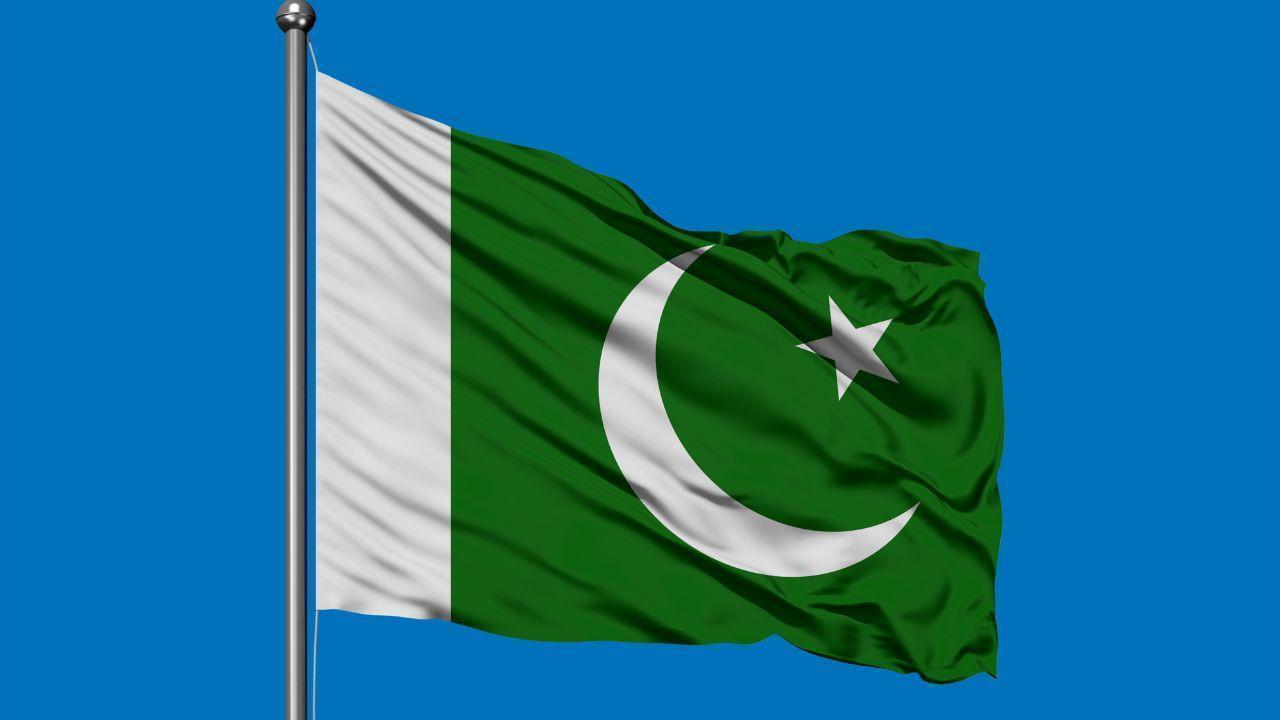
In a major political development, nine lawmakers in Pakistan have been disqualified from their seats following their conviction in cases related to the violent events of May 9. These incidents, which erupted after the arrest of a former Prime Minister in a corruption case, led to widespread protests and riots in various parts of the country.
The Election Commission officially announced the disqualification of these nine individuals on Tuesday, stating that their seats are now vacant and by-elections are expected to be held soon. Among the disqualified members are leaders from both the National Assembly and the Senate, including the Opposition Leader in the National Assembly and the Senate, along with several Members of the National and Punjab Assemblies.
Who Was Disqualified?
The list of disqualified lawmakers includes:
Interestingly, three out of the nine disqualified members are from Faisalabad, a city that saw intense clashes during the May 9 protests.
Background: The May 9 Violence
The May 9 riots were sparked by the arrest of a popular political figure in a corruption investigation. Angry supporters took to the streets, leading to clashes with law enforcement, damage to public property, and chaos in several cities. An anti-terrorism court in Faisalabad recently sentenced 108 individuals to 10 years in prison for their role in the riots.
Legal Controversy and Questions Raised
While the Election Commission moved forward with disqualifications, several legal experts and political leaders are questioning the fairness of these actions.
One senior legal figure stated that the disqualification process appears rushed and lacking proper legal procedure. According to Pakistan’s Constitution, specifically Article 63(1)(h), a person can only be disqualified if convicted of a serious crime involving moral wrongdoing and sentenced to more than two years in prison, and only if five years have passed since their release.
The same legal expert pointed out that these disqualifications were based on convictions from trial courts, which are not final. If an appeal is still pending in a higher court, the conviction is not considered complete. Therefore, the disqualification cannot legally take place until all appeals have been decided.
What the Constitution Says
The Constitution of Pakistan provides protections to individuals under Article 10A, which guarantees a fair trial. This includes the right to be presumed innocent until proven guilty in a final judgment. Disqualifying someone based on a case that is still being appealed violates this basic right.
In a previous case from 2018, the Supreme Court ruled that disqualification under Article 63(1)(h) requires a final conviction — one that has gone through the full legal process and appeals.
The legal advisor also said that the Election Commission does not have the power to act like a court. It is supposed to be an administrative body that follows the law, not interprets it on its own. By disqualifying individuals before their legal process is complete, the Commission is overstepping its role.
More Lawmakers Previously Disqualified
Before this latest round of disqualifications, several other lawmakers had already lost their seats. These included:
In addition, Jamshed Dasti was disqualified on July 15 due to alleged fake educational credentials. However, a Lahore High Court order recently halted the by-election that was scheduled after his disqualification.
Impact on Politics and Democracy
Many observers believe that this wave of disqualifications could deeply affect the upcoming elections and political stability in the country. If lawmakers are removed from office without a complete legal process, it could create a dangerous precedent.
Experts say that political accountability must go hand in hand with legal fairness. Disqualifying representatives without allowing them to exhaust their legal rights damages public trust in democratic institutions.
What’s Next?
With multiple seats now vacant and appeals pending in higher courts, the political scene in Pakistan remains tense. By-elections are expected to be held for the vacant seats, but only if the courts do not intervene again.
The coming weeks will be crucial in determining how these legal and political battles unfold — and whether the principles of justice and fair trial will be upheld.
Nine lawmakers have been disqualified after their convictions in cases tied to the May 9 protests. Legal experts argue that these decisions may violate constitutional protections, as the convictions are not yet final. The situation raises concerns about the role of the Election Commission and the future of democratic institutions in the country.










PM Modi Pays Tribute to Mahatma Gandhi, Urges People to Support Khadi
PM Modi pays tribute to Mahatma Gandhi on Gandhi Jayanti and urges citizens to support Khadi and the

Amazon Seeks to Offload $8 Billion in Nvidia Chips to Investors
Amazon plans to move $8 billion in Nvidia chips to investors, using a new financing model to strengt

Samsung Raises Galaxy S26 Prices as Memory Chip Costs Rise
Samsung raises Galaxy S26 prices in South Korea as rising memory chip costs put pressure on smartpho

Lewis Hamilton Calls Singapore Grand Prix One of F1's Toughest Races
Lewis Hamilton discusses the demanding Singapore Grand Prix and brings Plus44 and Almave to Singapor

Denmark's Pandora Opens World's Largest Jewellery Factory in Vietnam
Pandora opens its largest jewellery factory in Vietnam, expanding global production, strengthening s

Gautam Gambhir Questions Batting-Friendly Pitches After India's Record ODI Chase
Gautam Gambhir questions batting-friendly ODI pitches after India’s record chase, calling for a bett

