You have not yet added any article to your bookmarks!
Join 10k+ people to get notified about new posts, news and tips.
Do not worry we don't spam!
Post by : Rameen Ariff
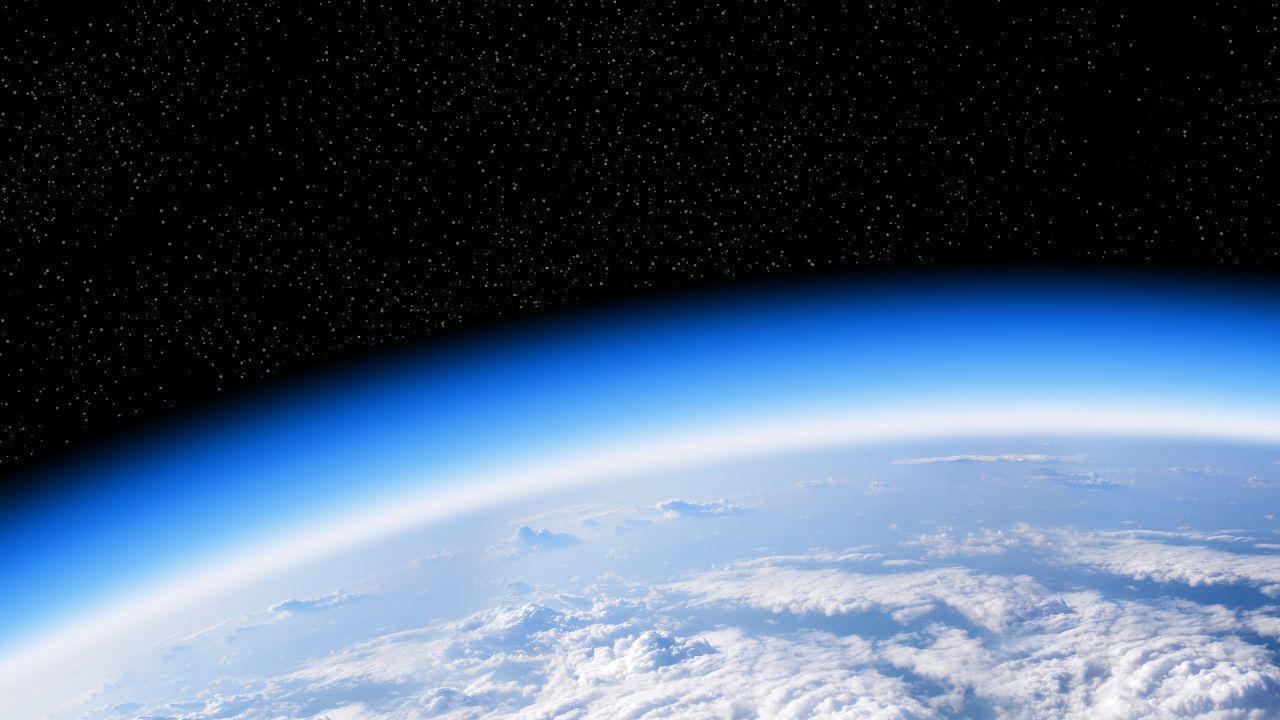
The Earth's ozone layer is slowly healing. Scientists say it is on track to return to the size it was in the 1980s by the middle of this century. This is very good news for our planet. The World Meteorological Organization (WMO) recently released its 2024 Ozone Bulletin, showing important progress. The report was shared on World Ozone Day, a special day to remember how countries around the world work together to protect the ozone.
What Is the Ozone Layer and Why Is It Important?
The ozone layer is a thin layer of gas high in the sky. It acts like a shield around the Earth. This shield protects us from harmful ultraviolet (UV) rays coming from the sun. Without it, people could get very bad sunburns, skin cancer, eye problems like cataracts, and even animals and plants would suffer.
But for many years, the ozone layer was getting thinner. Harmful chemicals, called ozone-depleting substances, were being released into the air. These chemicals were used in things like refrigerators, air conditioners, and even hairsprays.
The Global Effort to Save the Ozone Layer
In 1985, scientists discovered a large hole in the ozone layer over Antarctica. This was a big alarm for the world. Soon after, in 1985, the Vienna Convention was signed by many nations to protect the ozone layer. Then, in 1987, the Montreal Protocol was agreed upon by countries around the world. It was a strong promise to stop using ozone-damaging chemicals.
Thanks to the Montreal Protocol, more than 99% of these harmful chemicals have been banned or removed. This is one of the biggest successes in global environmental action.
What Does the 2024 Report Say?
The WMO’s 2024 Ozone Bulletin showed that the Antarctic ozone hole was smaller than in recent years. It reached its maximum size on September 29, with a mass deficit of 46.1 million tonnes. This is smaller than the big holes seen between 2020 and 2023.
Scientists also said the start of the hole forming was slower than before. Instead of forming early in the season, the hole appeared later. This is a strong sign that the ozone layer is beginning to recover.
Matt Tully, Chair of WMO's Scientific Advisory Group on Ozone and Solar UV Radiation, said that even though there has been great progress, work is not finished. The world must still carefully watch the ozone layer and keep controlling the use of harmful chemicals.
Why Is This Good News?
If the ozone layer keeps healing, by the middle of this century, it will return to the way it was in the 1980s. This is important for many reasons:
Health Protection: The ozone layer blocks most of the sun's harmful UV rays. A healed ozone layer means fewer cases of skin cancer and cataracts in people.
Protects Nature: Plants, animals, and sea creatures are also saved from harmful UV rays. This helps keep ecosystems balanced and healthy.
Shows Global Success: The success of the Montreal Protocol shows that countries working together can solve big problems. It reminds the world that listening to science and acting together brings real change.
UN Secretary-General Antonio Guterres praised this achievement, saying it shows that "progress is possible when nations heed the warnings of science."
World Ozone Day: A Day of Celebration and Reminder
World Ozone Day is celebrated every year on September 16th. In 2024, it was extra special because it marked the 40th anniversary of the Vienna Convention. This convention was the first important step when countries united to save the ozone layer.
Celeste Saulo, WMO Secretary-General, said the theme for the day was “From Science to Global Action.” She explained that this means science must be used to make real and helpful decisions. Thanks to science, we now know how to stop the damage and how to heal the ozone layer.
What Are The Natural Factors?
The report said that part of the reason for smaller ozone depletion this year is natural. Some weather patterns and temperatures in the atmosphere have made the ozone hole smaller. But scientists made it clear that the long-term improvement is not just because of nature. It is mainly because of the global actions taken to reduce harmful chemicals.
Why Should We Care About The Future?
Even though the ozone layer is healing, the job is not finished. Scientists warn that continuous efforts are needed. Careful monitoring of chemicals that damage the ozone must continue. New substances that replace harmful ones should also be watched.
It is important to remember that the ozone layer helps protect life on Earth. Without it, the sun’s UV rays would harm people, plants, and animals. Healing the ozone layer means a safer, healthier planet for everyone.
The Role of Every Person
World Ozone Day reminds us that every person can help. Simple steps like using eco-friendly products, avoiding old refrigerators that use harmful chemicals, and spreading awareness about the importance of the ozone layer can make a big difference.
It is not just the job of big governments or scientists. Each person can make small changes that help protect the ozone layer.
What Is Next for The Ozone Layer?
Experts believe that if the world keeps following the rules of the Montreal Protocol and continues to monitor ozone-depleting substances carefully, the ozone layer will fully recover by 2050.
This recovery will reduce the chances of skin cancer, cataracts, and damage to nature caused by UV rays. It will also remind us that working together, using science, and making careful decisions can solve big problems.
The 2024 report from the World Meteorological Organization brings hope. The smaller Antarctic ozone hole is proof that the global effort is working. While natural factors played a small role, the main reason for improvement is global action.
This success is a clear example that when nations unite and listen to science, they can protect our planet.
The ozone layer is slowly healing. And this gives us confidence that a safer and healthier Earth is possible if we continue to work together.






Rabada Misses First Australia Test as South Africa Pick Two Spinners
Kagiso Rabada misses the opener as South Africa vs Australia begins, with Anrich Nortje returning an

Starc Compares Australia's Tough Year to McIlroy's Major Sweep
Mitchell Starc says Australia winning three away Test series and the World Cup would match Rory McIl

France’s Sesterce Plans $11 Billion AI Data Centre in Finland
Sesterce plans a $11 billion AI data centre in Finland, with major expansion, green energy plans and

Danaher to Launch AI-Powered Autonomous Research Lab in 2027
Danaher plans an AI research lab for 2027, combining robotics and automation to speed up drug discov

Musk Welcomes German Support for Tesla Driver Assistance Tech as EU Approval Push Continues
Elon Musk welcomes Germany's backing for Tesla FSD as the company seeks EU approval amid speed, safe
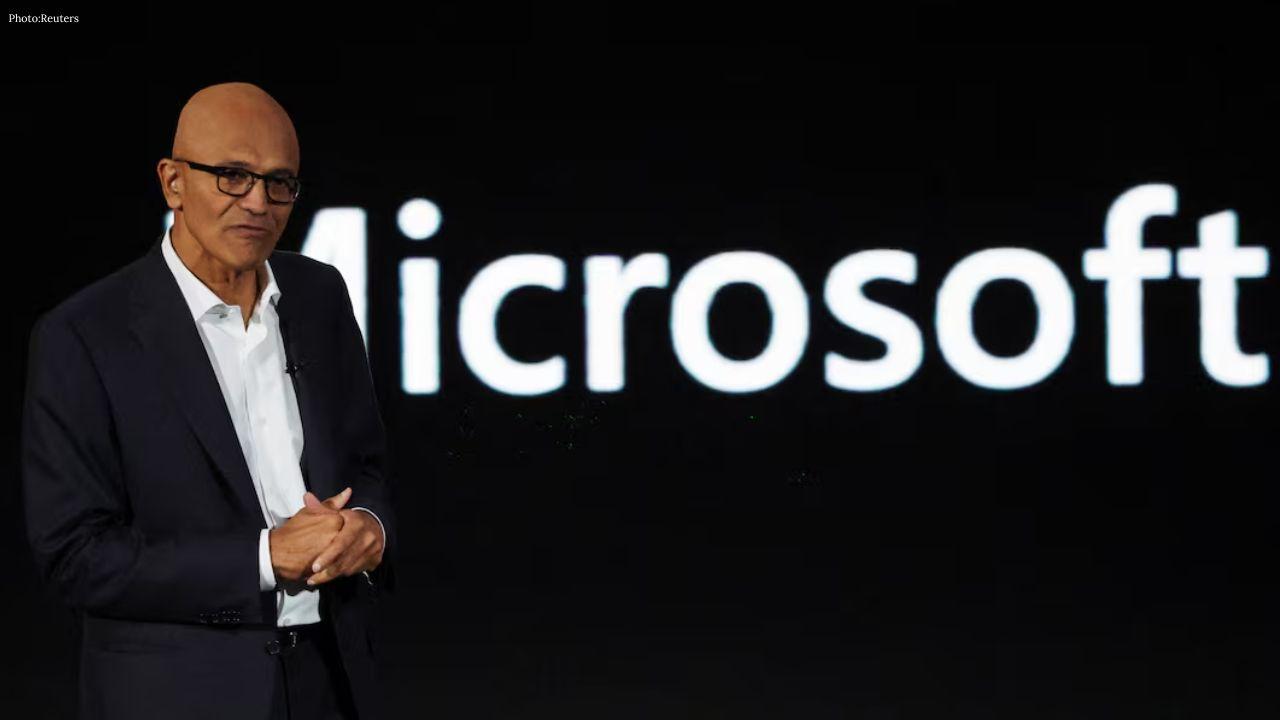
Microsoft and Nvidia CEOs to Unveil AI Laptop at San Francisco Event
Microsoft and Nvidia showcase a new AI laptop with RTX Spark chips as they push powerful local AI co