You have not yet added any article to your bookmarks!
Join 10k+ people to get notified about new posts, news and tips.
Do not worry we don't spam!
Post by : Rohit Dhiman
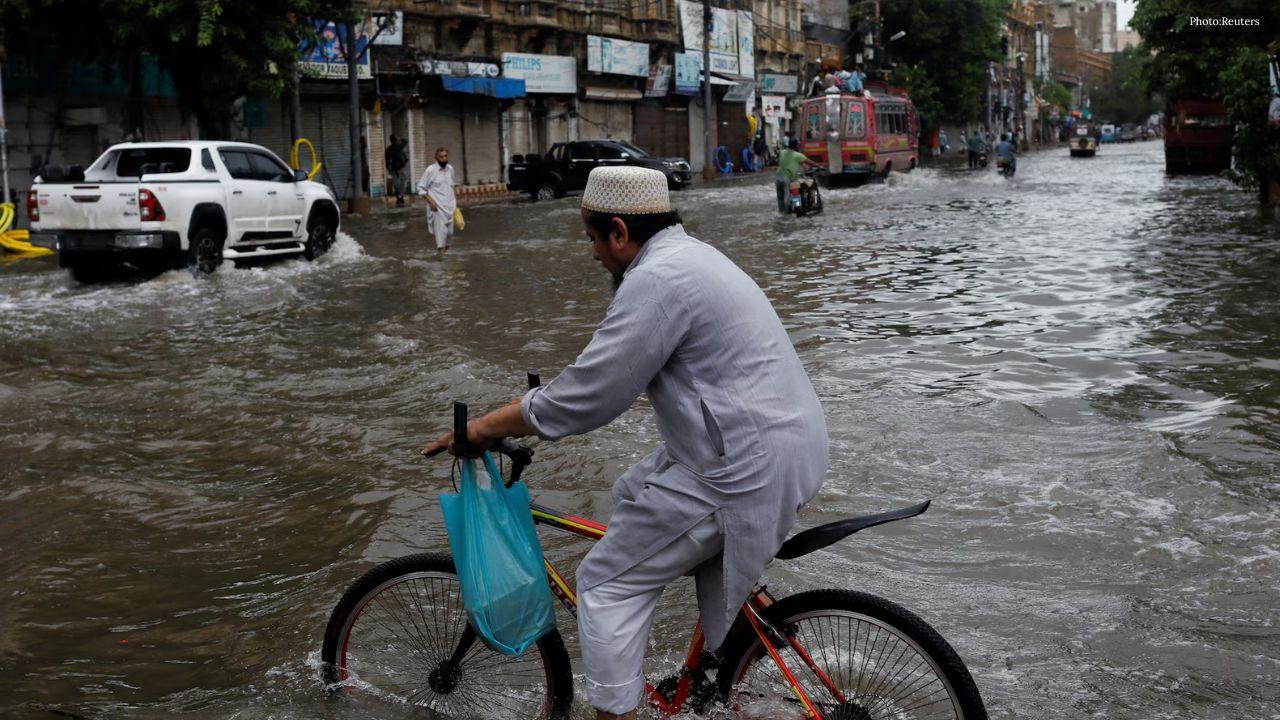
At least 175 people have lost their lives and hundreds more have been injured after intense rainfall and related disasters struck different parts of Pakistan during the ongoing monsoon season. The latest spell has created particularly dangerous conditions in Islamabad and Rawalpindi, where streets were inundated, vehicles became stranded and water entered low-lying areas and buildings. The situation became critical on Tuesday as persistent rainfall overwhelmed drainage systems in the two neighbouring cities. Several roads were covered by deep water, forcing residents and commuters to move cautiously through flooded streets. In some locations, vehicles were partially submerged as rainwater accumulated rapidly. Authorities have activated emergency measures in affected areas and warned residents to remain alert as further rainfall could increase the risk of flooding.. The disaster has highlighted the continuing vulnerability of densely populated Pakistani cities to intense seasonal rainfall and sudden water accumulation.
The worst urban disruption was reported in Pakistan's so-called Twin Cities. Heavy rainfall caused drains and waterways to swell, while water spread across roads and entered some basements. Rawalpindi's Nullah Lai rose to dangerous levels, raising concerns about possible overflow and further flooding in surrounding communities. Emergency personnel were deployed to monitor the waterway and respond to areas where residents were affected. In Islamabad, authorities reported around 150 millimetres of rainfall in the E-11 sector. An overflowing drain sent water onto nearby roads and into some basements, creating difficulties for residents and motorists. Traffic authorities also cautioned drivers about waterlogged roads, while emergency teams used dewatering pumps to remove accumulated water from vulnerable locations.
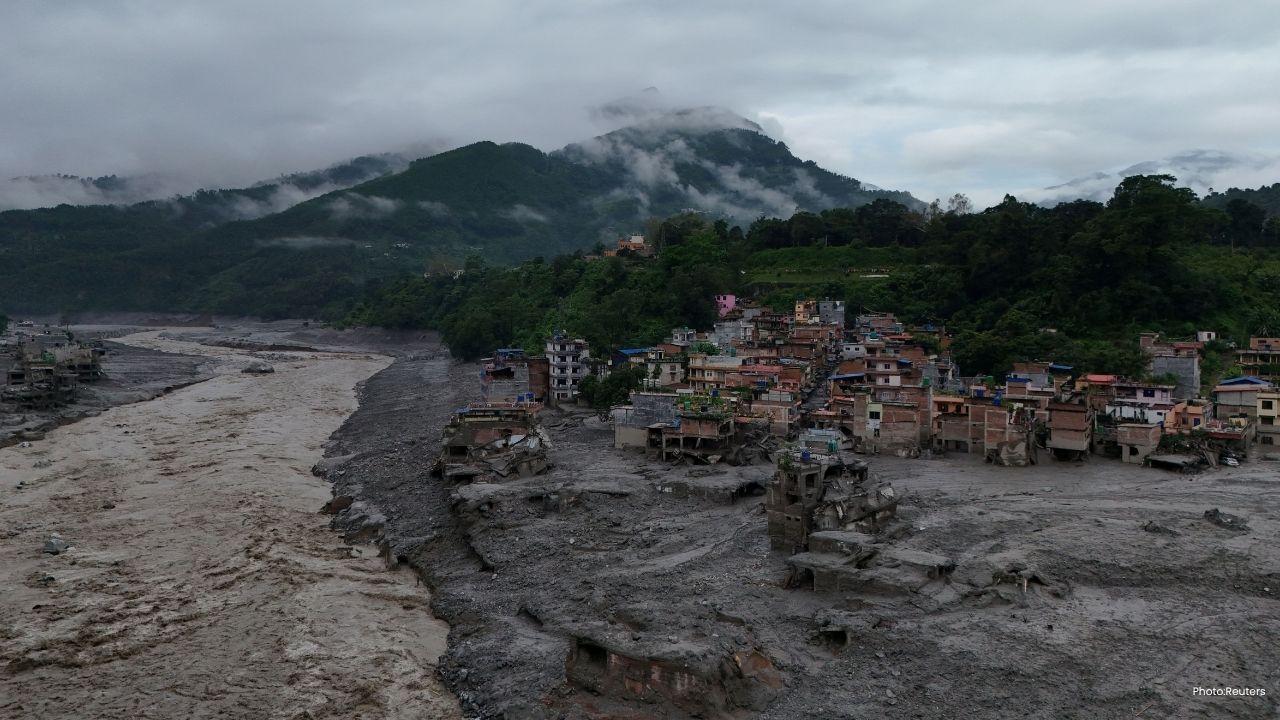
The National Disaster Management Authority said rain-related incidents, including flooding, landslides and lightning, have caused 175 deaths across Pakistan during the monsoon season. Around 500 people have also been injured. Khyber Pakhtunkhwa has recorded the highest number of fatalities, followed by Punjab. Deaths have also been reported in Sindh, Azad Jammu and Kashmir, Balochistan, Islamabad Capital Territory and Gilgit-Baltistan. The figures demonstrate that the emergency is not limited to the capital region. Communities in mountainous, river-adjacent and low-lying parts of the country remain exposed to additional hazards as rainfall continues. The authorities have also reported substantial damage to houses, roads and bridges, while livestock losses have added to the economic burden on affected communities.
The latest Pakistan Floods have affected multiple regions, with the situation becoming especially serious in areas where heavy rainfall has combined with inadequate drainage, swollen waterways and vulnerable settlements. According to the latest disaster assessment, 1,690 houses have been damaged nationwide. Of these, 579 have been completely destroyed while another 1,111 have suffered partial damage. The disaster has also damaged transportation infrastructure. More than 34 kilometres of roads have been affected and 41 bridges have been destroyed, while more than 1,400 livestock have reportedly perished. These losses could make recovery more difficult for families already struggling with disrupted livelihoods and damaged property.
The latest Heavy Rain spell has exposed the difficulties faced by major Pakistani cities when rainfall arrives in a short period. Urban flooding can develop rapidly when drainage networks are unable to handle large volumes of water. Roads can become impassable within a short time, while underground areas, basements, homes and commercial properties may also be affected. The Pakistan Meteorological Department has warned that further rainfall could cause urban flooding and increase water levels in streams and drainage channels around Islamabad and Rawalpindi. The immediate concern for authorities is therefore not only the water already accumulated in affected areas but also the possibility of another intense spell worsening the situation.
The Islamabad Flood situation forced authorities to respond quickly in several parts of the capital. Residents were seen moving through waterlogged streets, while vehicles struggled to navigate roads covered by rainwater. Some areas experienced flooding after drainage channels overflowed. The E-11 sector was among the locations reporting significant rainfall, with around 150 millimetres recorded. The accumulation of water created problems for homes, roads and underground spaces. Emergency teams were deployed with pumps and other equipment to remove standing water and assist affected communities. Authorities also urged motorists to avoid unnecessary travel through flooded areas.
The Rawalpindi Flood emergency became particularly concerning as the water level in Nullah Lai continued to rise. Nullah Lai is a major drainage channel running through Rawalpindi and has historically posed a flood risk during periods of intense rainfall. When large quantities of water enter the drainage system in a short period, nearby communities can face rapidly changing conditions. On Tuesday, authorities monitored the water level closely and implemented emergency measures. Schools and educational institutions were closed in Rawalpindi as a precaution, while emergency services continued operating. The closure was intended to reduce the movement of students and families during a period when roads and low-lying locations were affected by water.
The wider Monsoon Rains emergency extends well beyond Islamabad and Rawalpindi. The NDMA has warned of possible flooding in parts of Gilgit-Baltistan, Khyber Pakhtunkhwa, Azad Jammu and Kashmir and Punjab. Authorities have been advised to closely monitor rivers, streams and canals because rainfall in upper areas can increase water flows downstream. Several districts have been identified as vulnerable, including areas around Chitral, Swat, Dir, Mansehra, Abbottabad and Nowshera in Khyber Pakhtunkhwa. In Punjab, the warning covers areas including Lahore, Gujranwala, Sialkot, Gujrat, Sheikhupura, Narowal and Kasur, along with several other districts.
Read Also: Paredes Questions Argentina Future After Suspension and Messi Exit
The possibility of Flash Floods remains one of the biggest concerns as rainfall continues. Flash flooding can occur suddenly when intense rainfall overwhelms drainage channels or when water rapidly moves from higher ground toward populated areas. Such events leave little time for residents to react, particularly in low-lying settlements. The NDMA has directed local administrations to keep emergency resources ready and ensure that evacuation arrangements are available where required. Authorities are also monitoring vulnerable rivers, streams and canals because additional rainfall in northern and upper regions could increase water flows and worsen conditions downstream.
Beyond the loss of life, the disaster has created a significant economic and humanitarian challenge. Hundreds of homes have been destroyed completely, while many others have suffered partial damage. Families living in affected communities may face prolonged difficulties as they attempt to repair houses, restore access roads and protect their livelihoods. Damage to bridges and roads could also complicate rescue and relief operations, particularly in remote or mountainous districts. Livestock losses are another concern because many rural families depend on animals for income, food and agricultural activity. The destruction of these resources can extend the financial impact of a disaster long after floodwaters recede.
Pakistan's disaster management agencies have urged local administrations to remain prepared for further deterioration in weather conditions. The NDMA has advised authorities in vulnerable areas to maintain emergency arrangements, monitor water levels and keep evacuation resources available. In Islamabad and Rawalpindi, emergency workers have already been using dewatering equipment in flooded locations. Traffic officials have also warned motorists about dangerous road conditions. The Pakistan Meteorological Department continues to monitor the weather system, with officials warning that additional rainfall could create further urban flooding and increase flows in streams and drainage channels.
Repeated episodes of intense rainfall are increasing concerns about Pakistan's vulnerability to extreme weather. The country faces a combination of geographical and climatic risks. Mountainous regions can experience sudden runoff and landslides, while densely populated urban centres can struggle with large volumes of water falling within a short period. The impact can become particularly severe when heavy rainfall coincides with already saturated ground, swollen waterways or limited drainage capacity. The latest disaster once again demonstrates how quickly extreme weather can disrupt transportation, education, businesses and daily life.
The immediate priority is to protect lives, evacuate people from high-risk locations and prevent additional casualties. Emergency agencies are expected to continue monitoring water levels and rainfall forecasts. Communities located close to drains, rivers, streams and low-lying areas are likely to remain under particular watch. Authorities will also need to assess damaged houses, bridges and roads once the weather improves. Restoration of transport links and basic services will be essential for affected communities. For residents, emergency officials are encouraging caution, particularly during periods of intense rainfall. Avoiding flooded roads, staying away from fast-moving water and following evacuation instructions can help reduce the risk of further loss of life.
At least 175 people have died in rain-related incidents across Pakistan during the current monsoon season, according to the latest NDMA figures. Around 500 people have been injured.
Islamabad and Rawalpindi were among the worst-affected urban areas during the latest rainfall spell, with roads flooded and drainage channels reaching dangerous levels.
Rawalpindi is particularly vulnerable when intense rainfall causes Nullah Lai and connected drainage channels to rise rapidly, potentially affecting surrounding low-lying areas.
Further rainfall could increase urban flooding, raise river and stream levels and create additional risks in vulnerable and low-lying areas.
The current emergency is affecting several parts of Pakistan rather than being limited to the capital. Khyber Pakhtunkhwa, Punjab, Azad Jammu and Kashmir, Gilgit-Baltistan, Sindh, Balochistan and Islamabad Capital Territory have all reported rain-related impacts. The Potohar region, including Islamabad, Rawalpindi, Attock, Chakwal and Jhelum, remains under particular attention because additional rainfall could increase water flows. The latest situation has therefore become a nationwide disaster-management challenge, requiring coordination between weather authorities, local administrations, emergency services and communities.







Zverev Survives Sonego Scare in Five-Set US Open Thriller
Alexander Zverev survives a huge US Open scare against Lorenzo Sonego, fighting back from two sets d

Heavy Rains Kill 175 as Floods Sweep Across Pakistan
Pakistan faces deadly floods as heavy monsoon rain kills 175 people, injures 500 and inundates Islam

Paredes Questions Argentina Future After Suspension and Messi Exit
Leandro Paredes questions his Argentina future after a 10-match suspension, while Lionel Messi's ret

Markets Slide as Middle East Tensions Push Oil and Yields Higher
Asian stocks fall as Middle East tensions lift oil prices and bond yields, raising inflation fears a

Swiatek Builds Confidence as Medvedev Fights to Rediscover His Form
Iga Swiatek enters the US Open with renewed confidence, while Daniil Medvedev aims to regain consist

Dollar Strengthens on Rate Hike Bets as Yen Falls Past 160
Dollar gains as rate hike expectations rise, while the yen falls past 160. Gulf tensions, oil prices