
You have not yet added any article to your bookmarks!
Join 10k+ people to get notified about new posts, news and tips.
Do not worry we don't spam!
Post by : Rameen Ariff
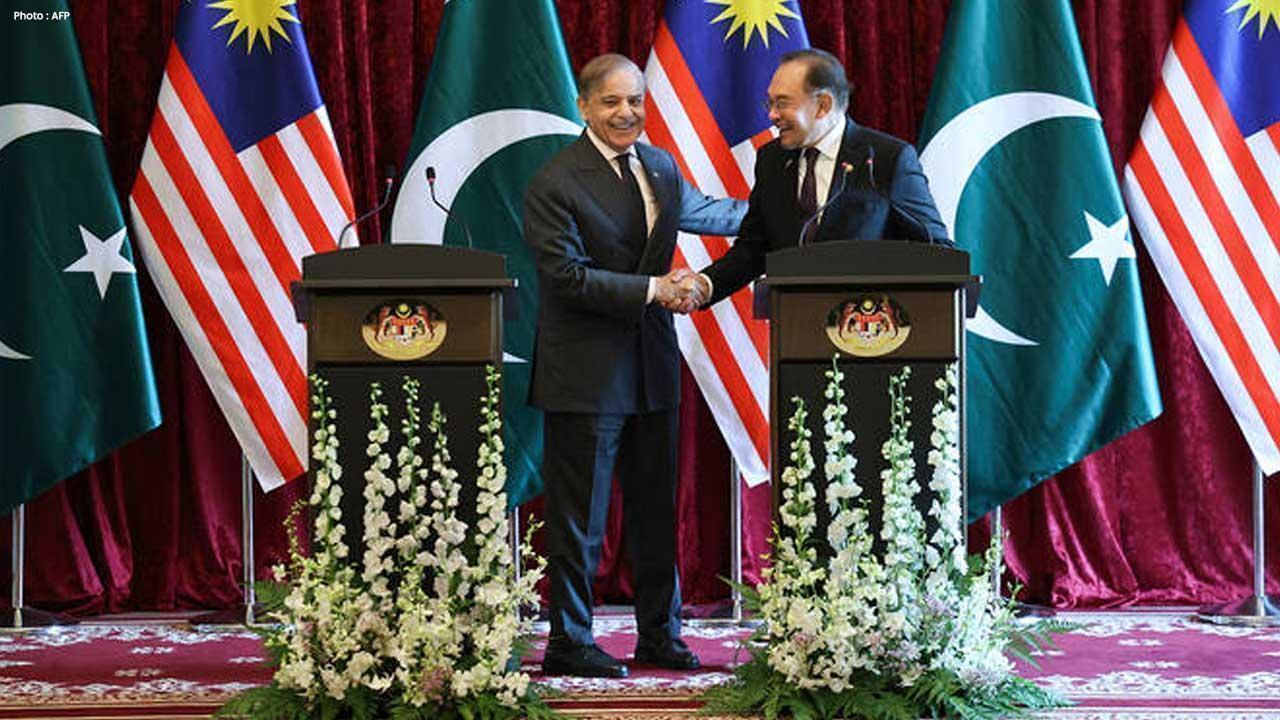
Pakistan and Malaysia have strengthened their economic and strategic ties with the announcement of a new $200 million halal meat trade quota and a commitment to deepen collaboration in multiple sectors, including the digital economy, agriculture, and education. This announcement came during Pakistani Prime Minister Shehbaz Sharif’s three-day official visit to Malaysia, where he held extensive talks with Malaysian Prime Minister Anwar Ibrahim.
During a joint press conference, Prime Minister Anwar highlighted that Malaysia had already increased rice imports from Pakistan and is now ready to facilitate beef and other halal meat imports under a newly agreed framework. The trade deal, valued at $200 million, will be regulated by market price mechanisms, and Pakistan assured that it would meet all halal certification requirements set by Malaysian authorities. Sharif emphasized that this cooperation aims to expand further in the coming years.
The discussions between the two leaders also explored collaboration in technology, including AI, digital industries, semiconductors, and STEM innovation. Sharif emphasized Pakistan’s growing potential in these sectors among Muslim nations and expressed interest in joint ventures combining Malaysian expertise with Pakistani talent. Both sides reaffirmed commitments under the Malaysia-Pakistan Closer Economic Partnership Agreement (MPCEPA), which provides preferential access for goods and services between the two countries.
Beyond trade, the leaders touched on global and regional issues, including counterterrorism efforts and support for peace initiatives in South Asia. Both backed US-led efforts for a ceasefire and humanitarian access in Gaza. Cultural diplomacy was also part of the visit, with Sharif launching the Urdu translation of Ibrahim’s book “SCRIPT,” aimed at strengthening people-to-people and cultural ties between Islamabad and Kuala Lumpur.
Bilateral trade between Pakistan and Malaysia currently stands at approximately $1.4 billion annually. In 2024, Pakistan exported goods worth about $515 million, including rice, textiles, seafood, and minerals, while Malaysia exported nearly $960 million worth of goods such as palm oil, machinery, rubber products, and organic chemicals, leaving Pakistan with a trade deficit of roughly $445 million. Officials noted a growing interest in diversifying trade beyond commodities, targeting higher-value manufactured goods, IT services, and halal-certified products.
The Malaysia-Pakistan Closer Economic Partnership Agreement, in effect since 2008, continues to support preferential market access. In October 2024, both countries signed four memorandums of understanding to enhance trade, investment, and industrial collaboration, with plans to renegotiate and modernize the bilateral free trade framework to reflect emerging opportunities in digital and sustainable sectors.
This visit marks Prime Minister Shehbaz Sharif’s first official trip to Malaysia and reflects Pakistan’s strategic intent to learn from Malaysia’s advancements in economic management, technology, and skills development while strengthening long-term trade and diplomatic relations between the two nations










PM Modi Pays Tribute to Mahatma Gandhi, Urges People to Support Khadi
PM Modi pays tribute to Mahatma Gandhi on Gandhi Jayanti and urges citizens to support Khadi and the

Amazon Seeks to Offload $8 Billion in Nvidia Chips to Investors
Amazon plans to move $8 billion in Nvidia chips to investors, using a new financing model to strengt

Samsung Raises Galaxy S26 Prices as Memory Chip Costs Rise
Samsung raises Galaxy S26 prices in South Korea as rising memory chip costs put pressure on smartpho

Lewis Hamilton Calls Singapore Grand Prix One of F1's Toughest Races
Lewis Hamilton discusses the demanding Singapore Grand Prix and brings Plus44 and Almave to Singapor

Denmark's Pandora Opens World's Largest Jewellery Factory in Vietnam
Pandora opens its largest jewellery factory in Vietnam, expanding global production, strengthening s

Gautam Gambhir Questions Batting-Friendly Pitches After India's Record ODI Chase
Gautam Gambhir questions batting-friendly ODI pitches after India’s record chase, calling for a bett

