You have not yet added any article to your bookmarks!
Join 10k+ people to get notified about new posts, news and tips.
Do not worry we don't spam!
Post by : Saif Rahman
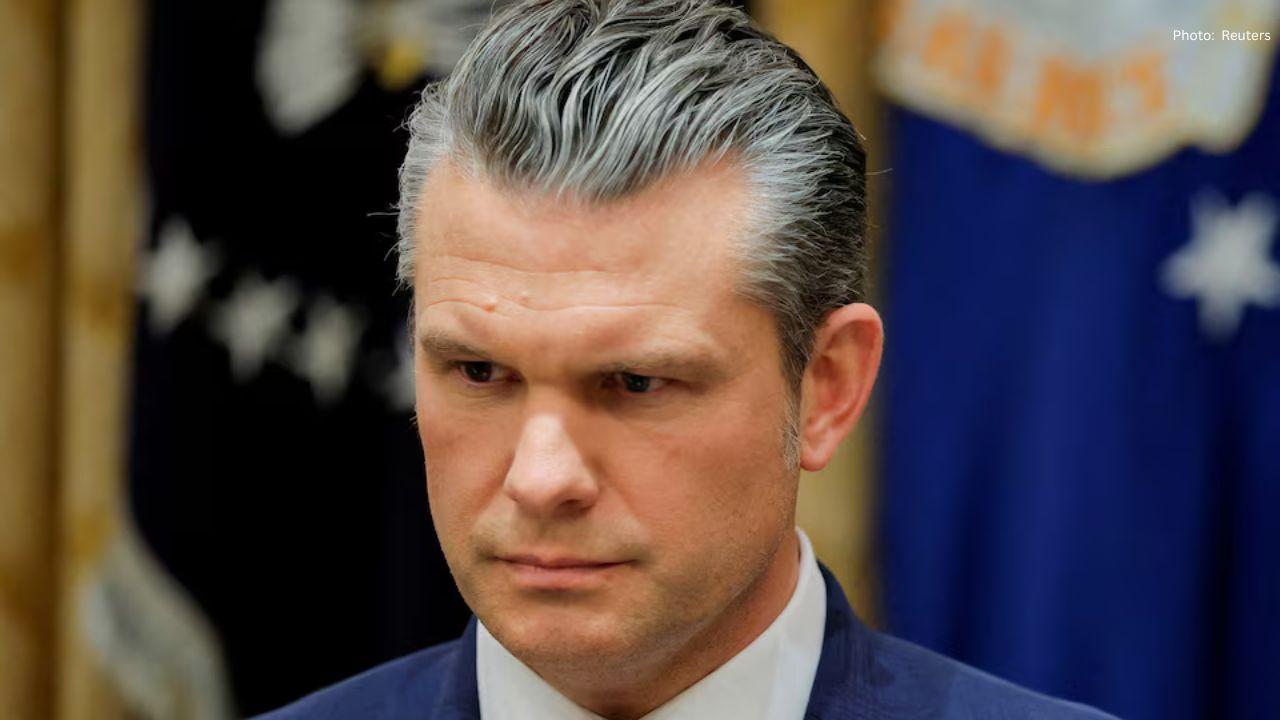
A Pentagon inquiry has brought to light significant concerns regarding U.S. Defense Secretary Pete Hegseth’s management of sensitive military data. Insider sources revealed that Hegseth utilized the messaging app Signal on his private device to disclose information about anticipated U.S. operations in Yemen. This has raised alarms about the potential interception of such information, endangering both U.S. personnel and the mission’s success.
The report, conducted by the Pentagon’s independent Inspector General, is yet to be made public, with officials predicting its release soon. While the review did not clarify whether the exchanged messages contained classified data, it's known that the defense secretary has the power to classify or declassify information at will.
Nonetheless, the Pentagon maintained that the investigation cleared Hegseth of wrongdoings. He affirmed this sentiment on social media, stating that no classified details were shared and deeming the issue resolved. However, the narrative becomes more intricate as Hegseth encounters escalating backlash concerning other military operations he oversaw, including strikes on alleged drug traffickers in the Caribbean.
Several Congressional members, particularly from the Democratic Party, expressed outrage at the findings. Representative Adam Smith, the leading Democrat on the House Armed Services Committee, described the report as “a scathing critique of an incompetent defense secretary.” He underscored Hegseth's poor judgment and lack of understanding regarding the duty to safeguard U.S. service members.
At the heart of the controversy is a Signal chat group involving President Donald Trump’s high-ranking national security officials. Hegseth communicated plans for U.S. strikes against Houthi fighters in Yemen via this group on March 15. The chat mistakenly included Jeffrey Goldberg, editor-in-chief of The Atlantic magazine, who later disclosed the conversation, sharing screenshots after Trump officials alleged exaggeration.
In the leaked screenshots, Hegseth appeared to discuss plans regarding the elimination of a Houthi militant leader just two hours before the covert operation. The Inspector General’s report highlights that the information he received at that time was classified, and any interception could have allowed adversaries to prepare or evade, further jeopardizing U.S. troops’ safety.
Hegseth has consistently denied transmitting military plans via Signal. He declined an interview request from investigators but did provide a written statement, asserting that he possesses the authority to declassify information as necessary and only disclosed what he deemed secure. He also suggested that political adversaries have fueled the investigation, despite the probe being initiated by bipartisan lawmakers.
Former defense officials expressed surprise at Hegseth’s defense stance, noting that timing and targeting specifics before military action are among the most sensitive national security concerns. Should the Houthi leadership have been informed of an impending strike, they could have either fled or relocated to populated areas, complicating U.S. military engagement without endangering civilian lives.
However, the report also indicated that the chat did not reveal specific target names or precise locations, seemingly lacking details that could directly implicate U.S. forces.
Senator Mark Warner, the senior Democrat on the Senate Intelligence Committee, remarked that the report illustrated Hegseth’s repeated use of Signal for official matters. Warner cautioned that this was not a singular lapse but indicative of a broader trend of poor judgment.
The Inspector General further observed that Hegseth had provided only a limited selection of his Signal messages, leading investigators to rely on The Atlantic's published screenshots, constraining their ability to fully ascertain what transpired.
As the report approaches public release, scrutiny surrounding Hegseth’s leadership and decision-making continues to mount. This situation adds pressure amid already heated discussions regarding military initiatives, national security, and political accountability. Whether the findings will trigger any subsequent action remains uncertain, yet the review has sparked a vital national dialogue about how senior officials manage sensitive information and the inherent risks of modern communication methods.





Josh Kerr and Jakob Ingebrigtsen Set for 1,500m Rivalry Rematch
Josh Kerr and Jakob Ingebrigtsen will renew their 1,500m rivalry at the Ultimate Championship in Bud

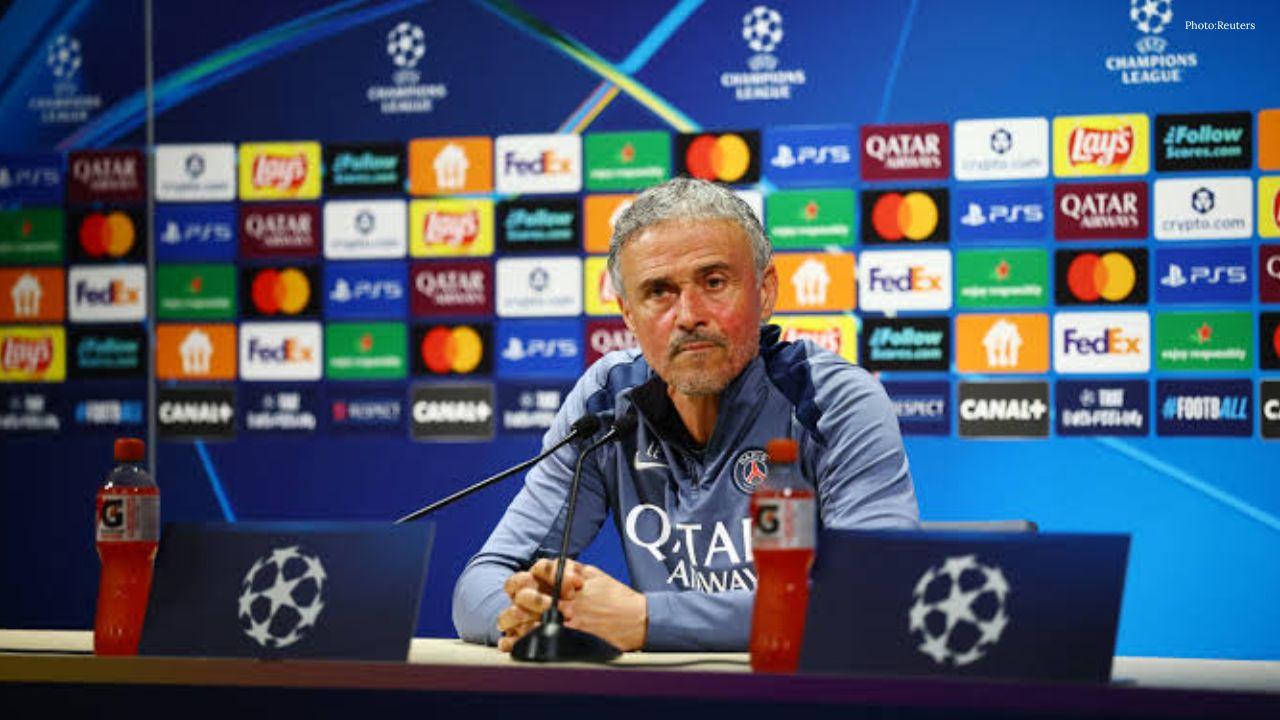
PSG Coach Luis Enrique Urges Players to Step Outside Comfort Zone
PSG coach Luis Enrique says players must leave their comfort zone and keep improving as the club tar

China’s Tiangong Sets New 400m Record at Robot Olympics
China’s Tiangong robot sets a new 400m record at the Robot Olympics, beating a South African robot i

George Russell Wins Dutch GP Sprint, Boosts Mercedes Morale
George Russell wins the Dutch GP Sprint from pole as Mercedes teammate Kimi Antonelli extends his F1
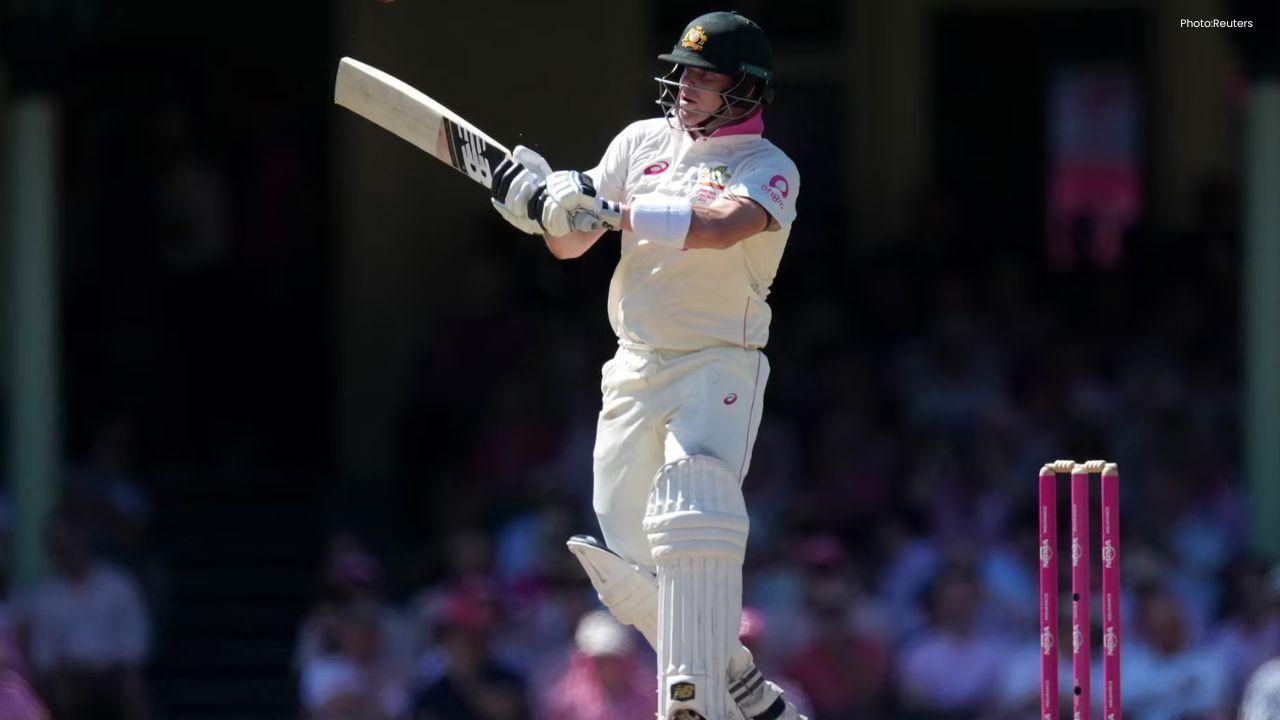
Australia 50/3 After Bangladesh Bowled Out for 64 in Second Test
Australia reached 50/3 after Bangladesh were bowled out for 64 in the second Test, with Mitchell Sta
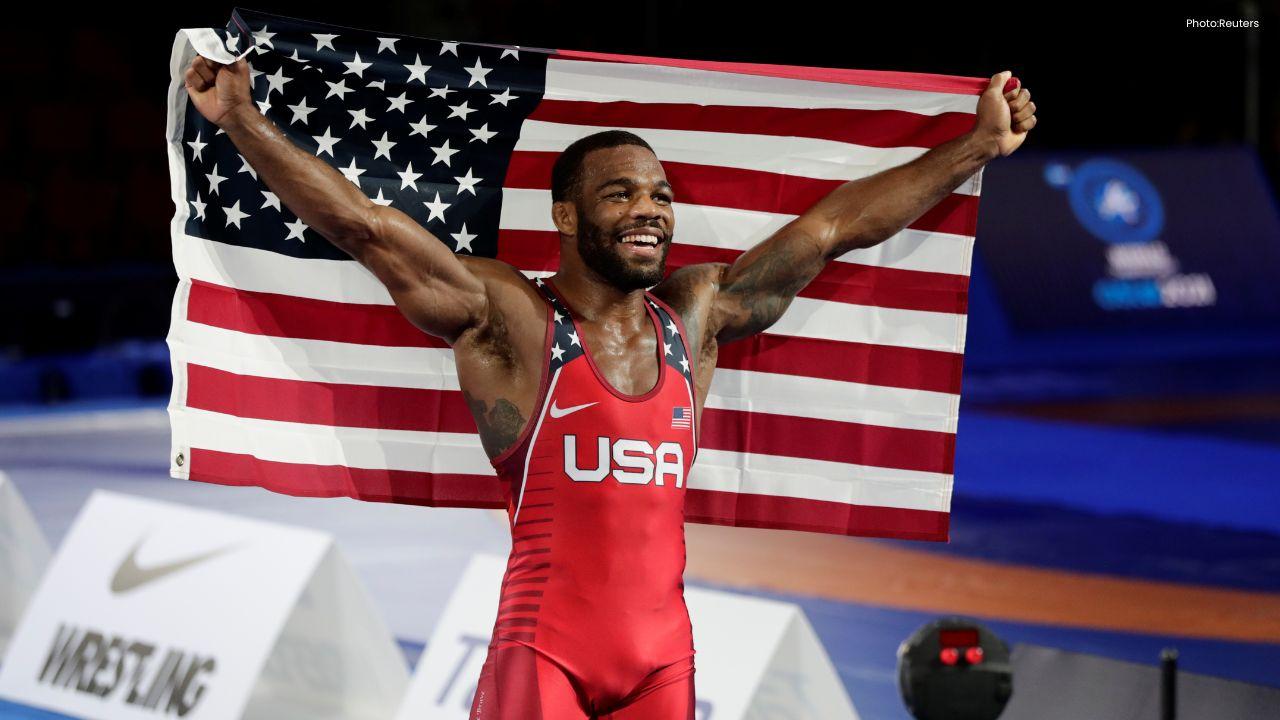
Jordan Burroughs Returns to Wrestling with 2028 Olympic Dream
Jordan Burroughs returns to wrestling with Real American Freestyle as the Olympic champion eyes a po