You have not yet added any article to your bookmarks!
Join 10k+ people to get notified about new posts, news and tips.
Do not worry we don't spam!

Post by : Meena Ariff
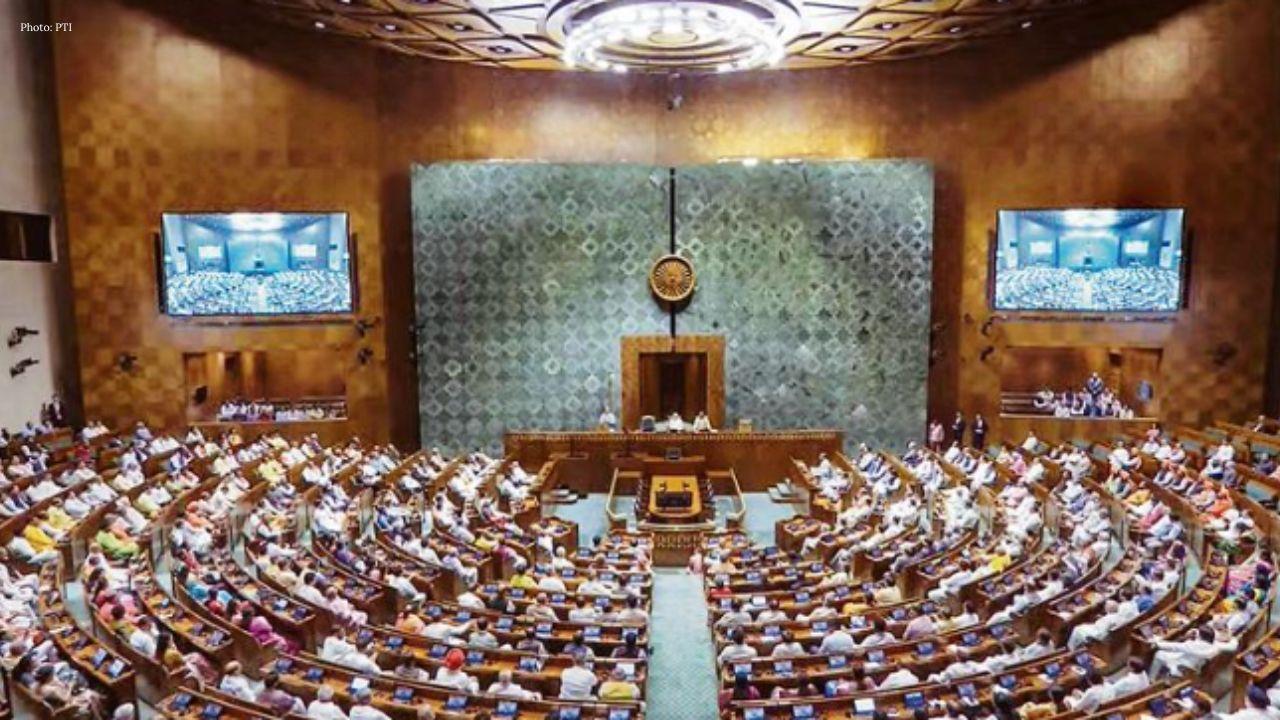
Conservative Leader Pierre Poilievre is preparing to introduce a motion in the House of Commons aimed at compelling the federal Liberals to clarify their position regarding a new oil pipeline from Alberta to the Pacific. This non-binding motion, inspired by recent agreements between Canada and Alberta, will inquire whether MPs support the construction of pipelines that could export over one million barrels of Alberta's bitumen daily to Asian markets from a British Columbia port.
Poilievre asserted that the federal government should “step aside” and expedite the permit process to facilitate construction. He indicated that if the Liberals endorse the motion, it could lead to “shovels in the ground,” whereas any dissent would signify a lack of governmental commitment.
This motion also calls for potential amendments to the Oil Tanker Moratorium Act, while ensuring adherence to Indigenous consultation requirements. Unlike the energy agreement with the federal government, Poilievre's proposal does not include conditions that Alberta accepted, such as improving its industrial carbon pricing framework.
Alberta Premier Danielle Smith hailed the federal agreement as “a significant moment for Alberta and all of Canada,” viewing it as an opportunity to boost Canada’s energy sector. Conversely, former cabinet minister Steven Guilbeault raised concerns about Alberta's ability to meet its environmental obligations, pointing to recent modifications in the province's carbon pricing system. Alberta’s Environment Minister, Rebecca Schulz, defended the revisions, claiming they enhance the framework to attract business investments in emission-reduction technologies.
Environment Minister Julie Dabrusin affirmed that the federal government anticipates Alberta to adhere to its climate commitments, which include a sixfold increase in the effective price of carbon credits to achieve a mutual goal of net-zero emissions by 2050.
Leaders from First Nations have voiced significant opposition to the agreement. The Assembly of First Nations chiefs unanimously voted to demand the withdrawal of the deal, emphasizing the necessity to protect the northern B.C. waters and recognize Indigenous rights. Poilievre acknowledged the importance of consultations but criticized the delays, arguing that pipeline planning should have commenced immediately following the election.
The forthcoming vote may put Liberal MPs, particularly those from areas that oppose or are impacted by the pipeline, in a precarious position, potentially unveiling internal schisms within the party. Experts contend that the motion could lay bare the broader conflicts between economic growth, energy exports, and environmental responsibilities in Canada.








Passengers Urged to Expect Stricter Checks at Thai Airports
Civil Aviation Authority of Thailand issues guidelines for tougher automated screenings in line with

Gold Rises on March 2 Amid Middle East Tensions Safe‑Haven Demand
Spot gold and futures climb sharply to multi‑week highs amid escalating geopolitical conflict while

UK France and Germany Say Ready to Back US Against Iran as Regional Tensions Rise
European powers signal willingness to take defensive action with US as Iran’s missile and drone stri
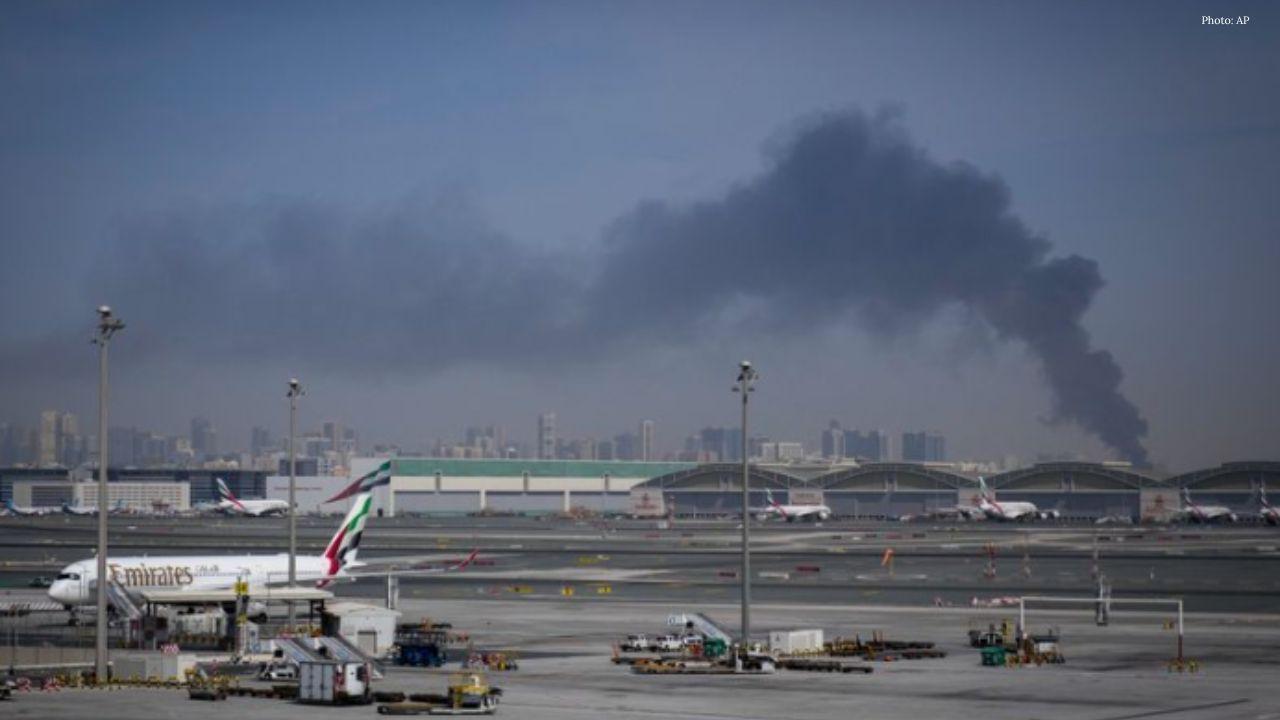
Iran Strikes Gulf Again Explosions Rock Dubai Doha and Manama as Airports Targeted
Regional conflict escalates after Iran expands strikes across major Gulf cities disrupting travel an

Critically Endangered Sumatran Elephant Calf Found Dead in Tesso Nilo National Park
Preliminary findings suggest fatal leg infection caused by snare wound investigation underway in Ria

IKN Authority Strengthens Local Businesses to Support Nusantara Capital Development
Skill training market access and creative economy programs aim to build a strong local economic ecos