
You have not yet added any article to your bookmarks!
Join 10k+ people to get notified about new posts, news and tips.
Do not worry we don't spam!
Post by : Samjeet Ariff
Dehydration can creep up faster than many might expect—whether from extended time outdoors, heavy physical activity, a warm environment, or prolonged hours in an air-conditioned setting without sufficient hydration. While initial dehydration may seem trivial, it can quickly escalate into fatigue, headaches, dizziness, dry skin, and reduced focus. Fortunately, there are straightforward, quick steps you can take to counter dehydration swiftly. This guide outlines rapid hydration strategies, what to avoid, and how to sustain hydration throughout the day.
Identifying dehydration timely is crucial. Early warning signs include dry mouth, dark urine, tiredness, dizziness, fast heartbeat, and difficulty concentrating. More severe dehydration could lead to confusion, muscle cramps, intense thirst, or reduced urine production. Recognizing these symptoms helps address dehydration before it escalates.
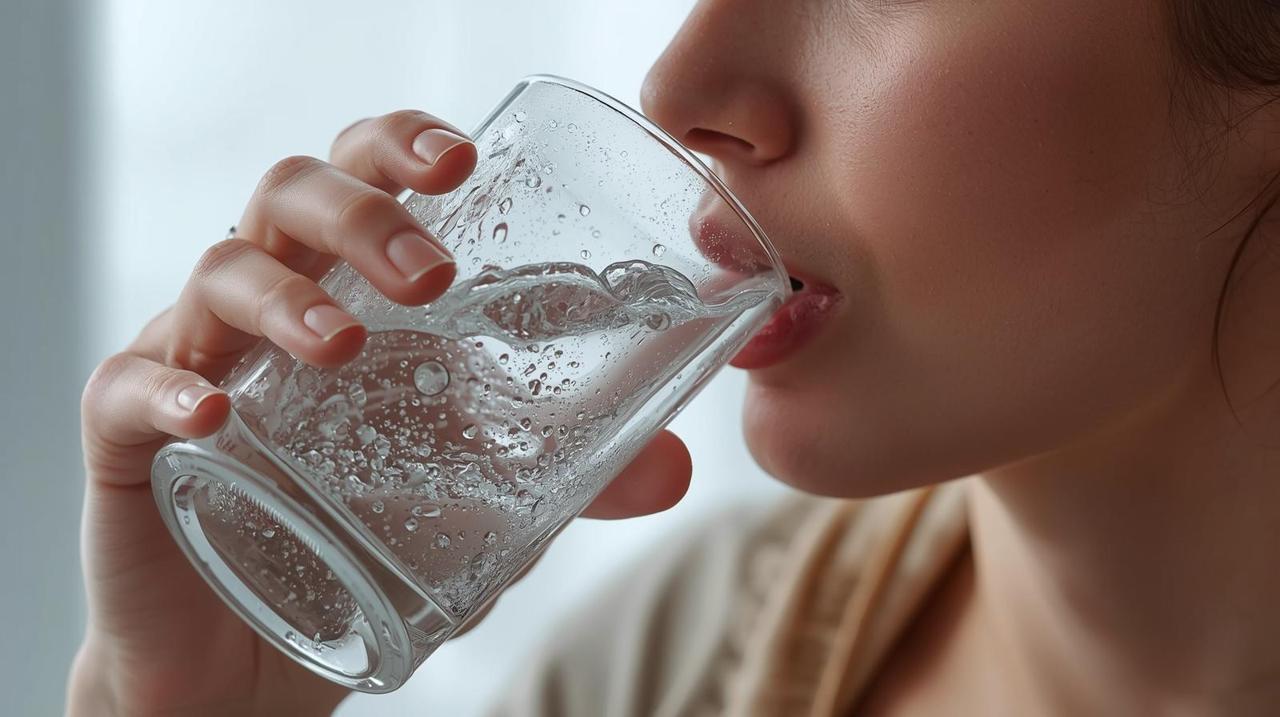
A rapid way to rehydrate is by taking small sips of water every few minutes. Gulping large amounts can irritate the stomach and hinder absorption. Smaller sips facilitate better absorption of fluids.
Strive for 200–300 ml every 20–30 minutes until you notice an improvement. Avoid chugging an entire bottle in one go.
During dehydration, your body loses vital minerals such as sodium, potassium, and magnesium. Simply drinking plain water may not suffice.
Oral rehydration solutions, electrolyte powders or tablets, coconut water, and DIY electrolyte drinks made with salt, sugar, and lemon.
These choices help replenish both fluids and minerals, enhancing your overall hydration effectiveness.
Foods rich in water content serve as effective hydration aids.
Watermelon, oranges, strawberries, cucumber, tomatoes, grapes, and celery.
These food options supply hydration along with fiber, vitamins, and minerals for holistic recovery.
Some beverages can contribute to fluid loss or impede hydration.
Coffee, energy drinks, alcohol, sugary sodas, and overly salty snacks or soups.
These drinks may exacerbate dehydration symptoms and hinder recovery.
A quick self-assessment involves gently pinching the skin on your hand or forearm.
If the skin snaps back quickly, hydration is improving. If it remains elevated or takes longer to return, dehydration might still be present.
This technique allows you to monitor your rehydration progress.
Warm broths are effective in restoring both fluids and electrolytes simultaneously, especially beneficial when dehydration is due to illness or overheating.
The sodium found in broth aids in fluid retention, facilitating faster absorption of water by your cells.
Excess heat leads to increased sweating, contributing to dehydration.
Seek shade, remove heavy clothing, take a cool shower, place a cold cloth on your neck, or rest in an air-conditioned environment.
Cooling reduces sweat loss and promotes efficient rehydration.
ORS packets are formulated with an optimal salt and sugar balance designed for maximum fluid retention.
Use after vomiting or diarrhea, intense exercise, during illness, or in cases of moderate dehydration.
They enable faster hydration compared to water alone and are endorsed by health professionals globally.
Addressing dehydration is only the initial step. A consistent routine protects against future instances.
Begin each day with a glass of water after waking. Keep a water bottle accessible throughout the day. Introduce electrolytes post-workout. Consume more hydrating fruits and veggies. Minimize caffeine and alcohol, particularly in hot weather.
An established routine significantly mitigates dehydration risk.
Most dehydration cases are manageable at home, but severe symptoms demand prompt medical attention.
Confusion, rapid pulse, faintness, excessively dry skin, dark urine, or lack of urination for eight hours.
Immediate care is crucial in these situations to avert complications.
This article presents general advice on managing mild dehydration and should not substitute for professional medical guidance. Severe dehydration or complications linked to illness, heatstroke, or underlying health issues require immediate medical attention. Always reach out to a qualified healthcare professional if symptoms persist or worsen.










Jacob Bethell Returns as England Name Squads for Australia Tour
England name ODI and T20 squads for the Australia tour, with Jacob Bethell returning from injury and

Beauden Barrett Opens Up About Mental Struggles During All Blacks Exile
Beauden Barrett discusses his confidence struggles after missing six tests, his return against Austr

IMF Says AI Investment Supports Global Growth Despite Energy Shock
IMF says AI investment is supporting global growth near 3%, with Asian economies benefiting from ris

Will O'Rourke Ruled Out of New Zealand's India Series
New Zealand fast bowler Will O'Rourke will miss the India series with hamstring and calf injuries as

AI Companies Expected to Drive Most US Earnings Growth in Q3
AI companies are expected to drive US third-quarter earnings growth as investors assess tech profits

Money Market Funds See Record Inflows as Global Bond Selloff Intensifies
Global money market funds attract $153.81 billion as bond yields rise, inflation fears persist and i

