
You have not yet added any article to your bookmarks!
Join 10k+ people to get notified about new posts, news and tips.
Do not worry we don't spam!
Post by : Saif Rahman
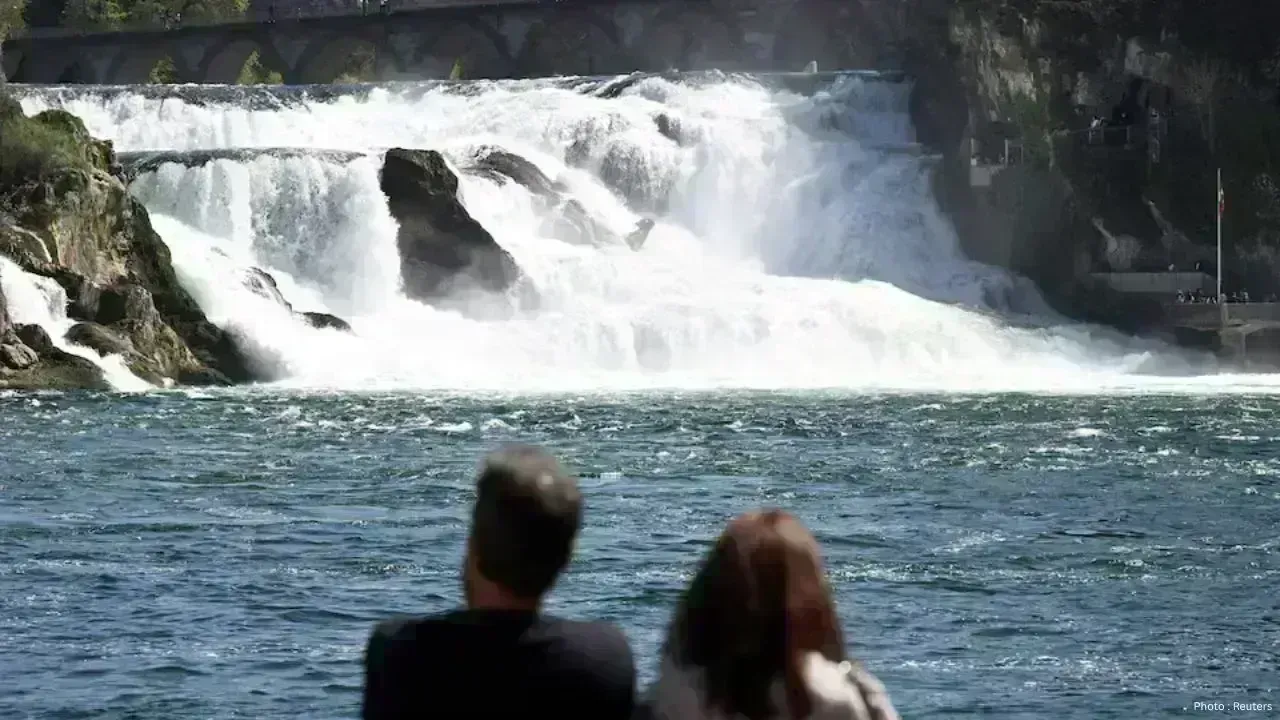
The Rhine River in Germany has seen a turnaround following consistent rainfall, which has elevated water levels along critical shipping channels. This development has enabled cargo vessels to start transporting larger loads again, offering much-needed relief to transporters, factories, and other businesses that rely heavily on this vital trade route.
As one of Europe’s key highways for waterborne traffic, the Rhine facilitates the movement of coal, fuel, chemicals, grains, steel, and various industrial goods between significant cities and ports. When water levels dip, vessels are unable to function at their full capacity, leading to delays and inflated shipping costs.
Recently, dry weather combined with low precipitation severely lowered water levels in parts of the Rhine. As a result, many cargo ships had to limit their loads, while shipping companies raised freight rates to offset their higher operating expenses.
The recent precipitation has positively impacted the scenario, with water levels rising in crucial sections, especially in the northern regions, thereby allowing many vessels to operate with near-standard capacity again. Key shipping hubs like Duisburg, Cologne, and Kaub have noted improved navigational conditions, although some segments still require reduced cargo capacity.
This recovery is vital for Germany's manufacturing sector, where many industries rely on consistent deliveries via the Rhine, as waterborne transport is frequently more economical and efficient than road or rail. Reduced water levels can hinder output, cause spikes in fuel expenses, and create broader supply chain issues across Europe.
This situation vividly illustrates the escalating influence of climate change on transportation infrastructure in Europe. Experts have warned that climate-induced challenges like droughts, heatwaves, and erratic rainfall patterns are becoming increasingly prevalent. Waterways such as the Rhine are particularly vulnerable to these ecological shifts.
Germany has faced similar difficulties historically. Previous drought spells have caused significant disruptions to shipping and adversely affected industrial output. Businesses across Europe encountered increased expenses as they sought alternative shipping methods.
While recent rains have offered some immediate reprieve, there are lingering concerns about forthcoming weather patterns. A return to dry conditions over the summer could precipitate new challenges for shipping operators and various industries.
Many analysts believe that governments and businesses must prioritize investments in climate resilience moving forward. This investment might encompass enhancements to water management systems, developing vessels suited for shallow waters, and bolstering alternative transport frameworks.
The Rhine River continues to be a cornerstone of Europe’s economic framework. Its recuperation following the recent rainfall has secured a short-term boost for cargo transport and commerce, yet it also underscores the pressing reality that climate change and severe weather can profoundly impact economies, industries, and everyday life across Europe.










PM Modi Pays Tribute to Mahatma Gandhi, Urges People to Support Khadi
PM Modi pays tribute to Mahatma Gandhi on Gandhi Jayanti and urges citizens to support Khadi and the

Amazon Seeks to Offload $8 Billion in Nvidia Chips to Investors
Amazon plans to move $8 billion in Nvidia chips to investors, using a new financing model to strengt

Samsung Raises Galaxy S26 Prices as Memory Chip Costs Rise
Samsung raises Galaxy S26 prices in South Korea as rising memory chip costs put pressure on smartpho

Lewis Hamilton Calls Singapore Grand Prix One of F1's Toughest Races
Lewis Hamilton discusses the demanding Singapore Grand Prix and brings Plus44 and Almave to Singapor

Denmark's Pandora Opens World's Largest Jewellery Factory in Vietnam
Pandora opens its largest jewellery factory in Vietnam, expanding global production, strengthening s

Gautam Gambhir Questions Batting-Friendly Pitches After India's Record ODI Chase
Gautam Gambhir questions batting-friendly ODI pitches after India’s record chase, calling for a bett

