
You have not yet added any article to your bookmarks!
Join 10k+ people to get notified about new posts, news and tips.
Do not worry we don't spam!
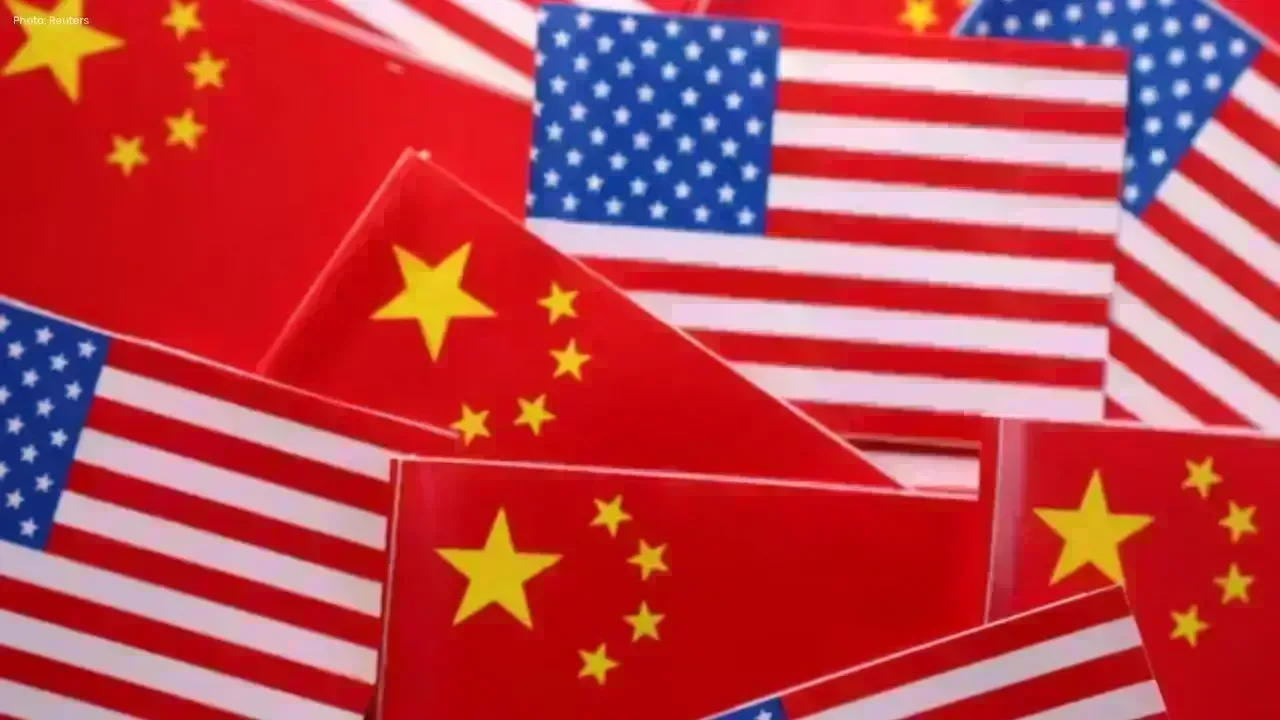
Post by : Shakul
China has strongly criticized a proposed United States law aimed at restricting China’s access to advanced semiconductor technology ahead of high-level talks between US President Donald Trump and Chinese President Xi Jinping in Beijing. The proposed legislation, known as the MATCH Act, is expected to become one of the major topics during discussions between the two global powers this week.
The MATCH Act was introduced in the US Congress last month and seeks to make it more difficult for Chinese companies to produce advanced artificial intelligence chips. The legislation focuses on limiting China’s access to important semiconductor manufacturing equipment supplied by major technology countries including the United States, Japan, and the Netherlands. The bill also proposes tighter controls on maintenance services and export licenses related to chipmaking tools.
Chinese officials have reacted strongly against the proposal and described it as an attempt by the United States to block China’s technological growth. According to reports, Chinese authorities summoned American diplomats in Beijing to formally complain about the legislation. Chinese officials also reportedly discussed the issue with representatives from the US semiconductor industry during meetings held in Washington earlier this year.
China’s Ministry of Commerce warned that the proposed law could seriously damage international trade and disrupt the global technology market. Officials accused the United States of pressuring allied countries into joining what Beijing described as a technological blockade against China. Chinese authorities stated that if the law is approved, Beijing would take necessary measures to protect the interests of Chinese technology companies and manufacturers.
In response to growing pressure from Washington, China has already introduced new legal tools and countermeasures that could be used if the MATCH Act becomes law. A recently announced Chinese decree allows authorities to place foreign individuals or organizations on a “Malicious Entity List” if they are found supporting harmful foreign restrictions against Chinese businesses. The move signals that Beijing is preparing for possible escalation in the ongoing technology conflict between the two countries.
The proposed legislation could directly affect major international companies that supply semiconductor equipment to China. Dutch technology company ASML and Japanese chip equipment manufacturer Tokyo Electron are among the companies expected to face stricter restrictions if the bill moves forward. These companies play an important role in the global semiconductor industry because they produce highly advanced machinery required for manufacturing artificial intelligence chips.
The issue highlights the growing rivalry between the United States and China over artificial intelligence, semiconductor technology, and global technological leadership. While the White House has not officially announced its position on the MATCH Act, political experts believe the discussions between Trump and Xi this week could shape the future of global technology trade. The meeting comes at a sensitive time as both countries attempt to maintain a fragile trade truce while managing increasing geopolitical and economic tensions.










PM Modi Pays Tribute to Mahatma Gandhi, Urges People to Support Khadi
PM Modi pays tribute to Mahatma Gandhi on Gandhi Jayanti and urges citizens to support Khadi and the

Amazon Seeks to Offload $8 Billion in Nvidia Chips to Investors
Amazon plans to move $8 billion in Nvidia chips to investors, using a new financing model to strengt

Samsung Raises Galaxy S26 Prices as Memory Chip Costs Rise
Samsung raises Galaxy S26 prices in South Korea as rising memory chip costs put pressure on smartpho

Lewis Hamilton Calls Singapore Grand Prix One of F1's Toughest Races
Lewis Hamilton discusses the demanding Singapore Grand Prix and brings Plus44 and Almave to Singapor

Denmark's Pandora Opens World's Largest Jewellery Factory in Vietnam
Pandora opens its largest jewellery factory in Vietnam, expanding global production, strengthening s

Gautam Gambhir Questions Batting-Friendly Pitches After India's Record ODI Chase
Gautam Gambhir questions batting-friendly ODI pitches after India’s record chase, calling for a bett

