
You have not yet added any article to your bookmarks!
Join 10k+ people to get notified about new posts, news and tips.
Do not worry we don't spam!
Post by : Saif Rahman
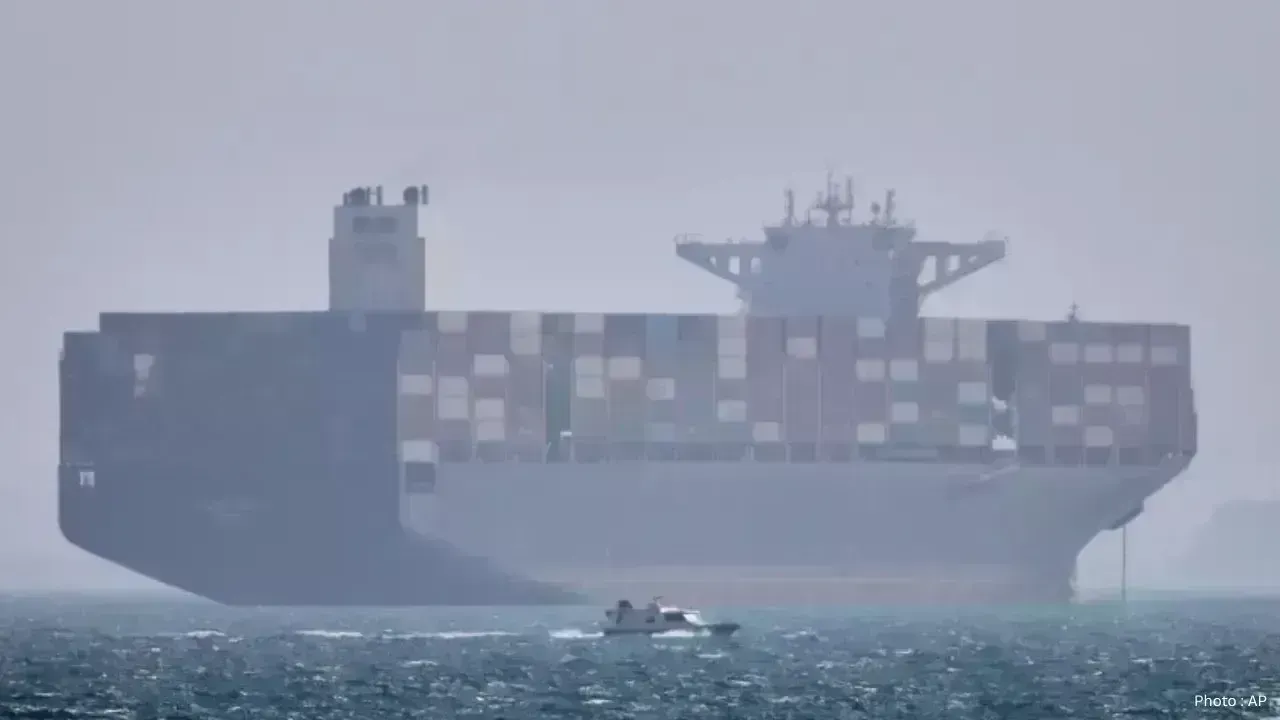
Recent escalations in the Strait of Hormuz have led to a significant spike in oil prices, raising alarm bells across global markets. This strategic waterway is vital for the transport of a substantial portion of the world’s oil, and its instability has raised doubts about the security of crude oil supply.
The Strait of Hormuz serves as a critical conduit for daily oil shipments, and any disruption can cause immediate ramifications for global oil supply chains. With recent incidents involving maritime attacks and increased military presence, the safety of oil transportation through this critical passage is now in jeopardy.
This rising tension has triggered a sharp increase in oil prices, as traders express concern over potential shortages. Historically, fears over supply disruptions lead to market fluctuations, and the current events have made phrases like oil prices surge 2026 and Strait of Hormuz conflict prominent in global discussions.
The implications of rising oil prices are far-reaching; higher fuel costs ultimately drive up transportation rates, leading to increased pricing of goods and services. Such inflationary pressures can strain economies, particularly for nations reliant on oil imports.
The ongoing crisis underscores the sensitivity of global financial markets to geopolitical tensions. A localized conflict can result in substantial price shifts on a worldwide scale, demonstrating the importance of stability in the Middle East to maintaining global economic equilibrium.
Long-term, the potential for escalating tensions could result in further disruptions of supply flows, pushing prices higher and posing serious challenges for multiple nations.
Efforts are underway to secure shipping lanes and mitigate the associated risks; however, uncertainty pervades the situation, and market reactions are swift and pronounced with each new development. Investors and state officials remain vigilant regarding the implications for global energy supplies.
The turmoil has brought to light the pressing need for energy diversification, prompting nations to invest more heavily in alternative energy solutions as a means to lessen reliance on oil. Emphasizing renewable resources and local production is becoming a necessary strategy for securing energy future.
Additionally, diplomatic initiatives aimed at easing tensions and ensuring safe navigation through the Strait of Hormuz are crucial. Cooperation and peace in this region are vital to stabilizing oil markets and safeguarding lucrative international trade flows.
This surge in oil prices, fueled by the volatility in the Strait of Hormuz, is a stark reminder of our intertwined global economy. Localized events can have rapid, far-reaching impacts, highlighting the need for careful conflict management and a commitment to maintaining stable energy supply channels.










PM Modi Pays Tribute to Mahatma Gandhi, Urges People to Support Khadi
PM Modi pays tribute to Mahatma Gandhi on Gandhi Jayanti and urges citizens to support Khadi and the

Amazon Seeks to Offload $8 Billion in Nvidia Chips to Investors
Amazon plans to move $8 billion in Nvidia chips to investors, using a new financing model to strengt

Samsung Raises Galaxy S26 Prices as Memory Chip Costs Rise
Samsung raises Galaxy S26 prices in South Korea as rising memory chip costs put pressure on smartpho

Lewis Hamilton Calls Singapore Grand Prix One of F1's Toughest Races
Lewis Hamilton discusses the demanding Singapore Grand Prix and brings Plus44 and Almave to Singapor

Denmark's Pandora Opens World's Largest Jewellery Factory in Vietnam
Pandora opens its largest jewellery factory in Vietnam, expanding global production, strengthening s

Gautam Gambhir Questions Batting-Friendly Pitches After India's Record ODI Chase
Gautam Gambhir questions batting-friendly ODI pitches after India’s record chase, calling for a bett

