You have not yet added any article to your bookmarks!
Join 10k+ people to get notified about new posts, news and tips.
Do not worry we don't spam!

Post by : Meena Ariff
Gambia on Monday told judges at the International Court of Justice (ICJ) that Myanmar deliberately targeted the Rohingya Muslim minority for destruction, subjecting them to violence, fear, and inhumane conditions that meet the legal definition of genocide.
Presenting its case before the United Nations’ top court, Gambia argued that Myanmar’s actions were part of a systematic and planned campaign aimed at eliminating the Rohingya as a distinct ethnic and religious group. The legal team said these actions included mass killings, widespread sexual violence, forced displacement, and the destruction of entire villages.
The case is historic, as it marks the first time in more than a decade that the ICJ is hearing a genocide case in full. The proceedings are being closely watched by governments, legal experts, and human rights organisations around the world.
According to Gambia, Myanmar’s military operations created living conditions intended to bring about the physical destruction of the Rohingya population. Hundreds of thousands were forced to flee across the border into Bangladesh, where many continue to live in overcrowded refugee camps under difficult conditions.
The court is examining whether Myanmar breached its obligations under the Genocide Convention by failing to prevent acts of genocide and by directly engaging in conduct prohibited under international law. Gambia brought the case on behalf of the Organisation of Islamic Cooperation, arguing that genocide is a crime of concern to the entire international community.
The outcome of the case could have far-reaching consequences beyond Myanmar. Legal analysts say the ruling may influence how future genocide cases are handled at the ICJ, including ongoing international legal disputes related to armed conflicts elsewhere.
While a final verdict may take several years, interim rulings and legal findings could shape global accountability standards and reinforce the principle that states can be held responsible for serious human rights violations.










Lamborghini Catches Fire on Singapore's ECP, Causing Heavy Traffic
A Lamborghini caught fire on Singapore's ECP, causing heavy traffic and bus delays. No injuries were

Bangkok Airport Duty-Free Area Flooded by Pipe Burst
A burst water pipe flooded the duty-free shopping area at Bangkok's Suvarnabhumi Airport on July 16,
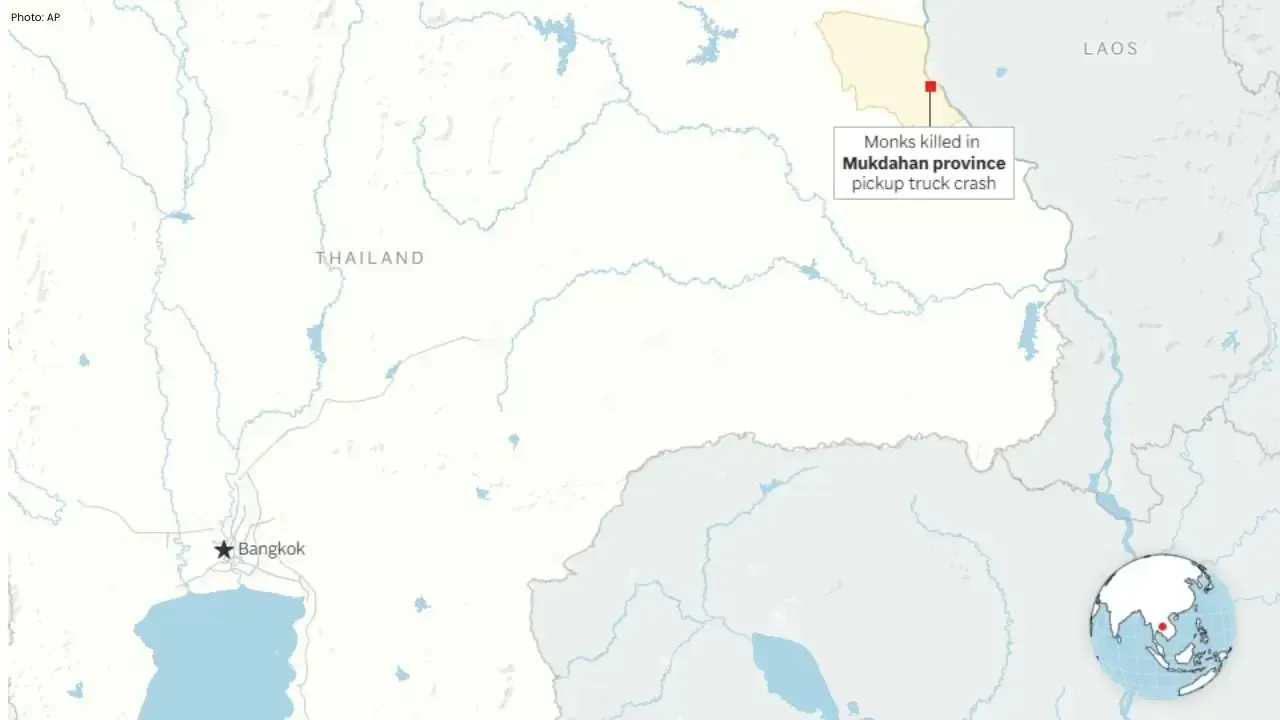
Nine Monks Killed in Thailand Pickup Truck Tragedy
An 11-year-old boy driving a pickup truck crashed into monks during a pilgrimage in northeastern Tha

Anwar Congratulates Xi on CPC's 105th Anniversary
Malaysia reaffirms strong ties with China as PM Anwar Ibrahim sends a congratulatory letter to Presi
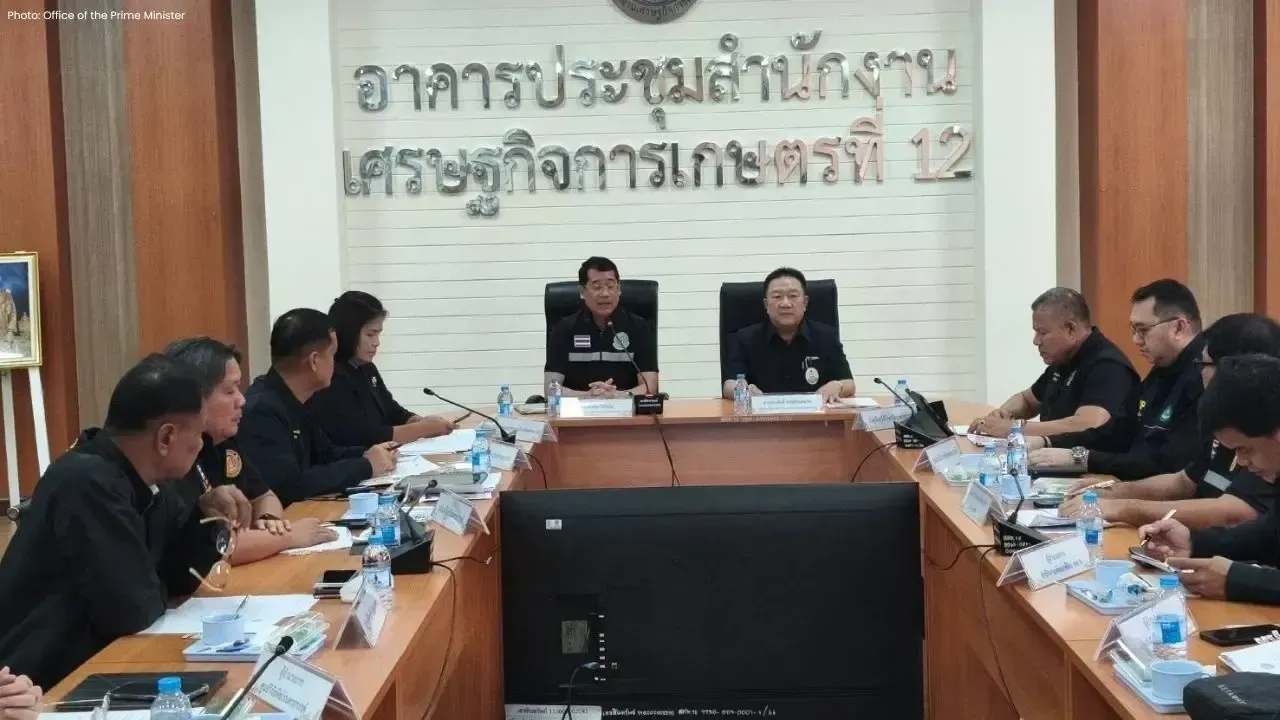
Thai Agriculture Team Reviews 2026 Farm Development Plans
Agriculture Ministry officials inspected livestock and organic rice projects in Nakhon Sawan to moni

Thailand, Canada Boost Ties in PM-Level Phone Talks
Thailand and Canada agreed to strengthen trade, security, OECD cooperation and ASEAN-Canada FTA talk