You have not yet added any article to your bookmarks!
Join 10k+ people to get notified about new posts, news and tips.
Do not worry we don't spam!
Post by : Meena Ariff
Russia has officially ended a self-imposed ban on the deployment of short- and medium-range nuclear missiles. This big decision was announced just days after repeated warnings from Russian officials about the growing presence of U.S. and NATO weapons near Russian borders.
The move marks a serious turn in international security relations and could lead to a new arms race between powerful countries like Russia and the United States.
What Did Russia Say?
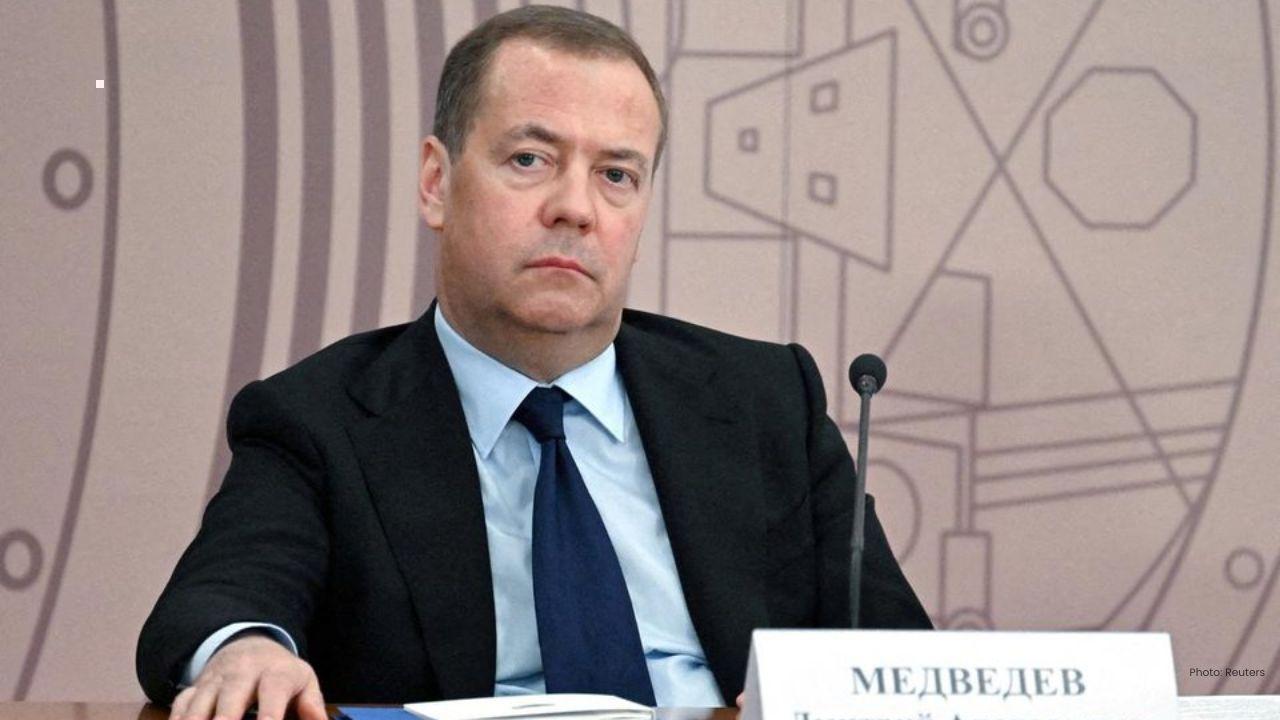
A top Russian leader, Dmitry Medvedev, made strong comments on social media. He said that NATO’s actions are forcing Russia to take this step. According to Medvedev, the countries in the NATO alliance are showing a clear anti-Russian attitude, and because of that, Russia has no choice but to change its missile policy.
Medvedev currently serves as the deputy head of Russia’s Security Council. He posted online that the latest decision to drop the moratorium is a direct answer to how NATO is acting. He warned that this is “a new reality” and added, “Expect further steps.”
Though he didn’t say exactly what these next steps would be, his message was clear — Russia is ready to act strongly if needed.
Why Is This Important?
This news matters because it brings back concerns about powerful nuclear weapons. The weapons in question are medium- and short-range nuclear missiles. These missiles can hit targets between 500 and 5,500 kilometers away.
Such missiles used to be banned under an agreement signed in 1987. That agreement was known as the Intermediate-Range Nuclear Forces (INF) Treaty. It was signed between the Soviet Union and the United States and helped reduce the number of dangerous weapons in Europe and other parts of the world.
But in 2019, the U.S. left the treaty, saying that Russia was not following the rules. After that, Russia said it would also no longer follow the agreement, but it would not deploy these types of missiles unless the U.S. did it first.
What’s Happening Now?
Now, Russia’s Foreign Ministry says the situation has changed. According to the ministry, the U.S. is getting ready to put medium- and short-range missiles in Europe and the Asia-Pacific region.
Because of this, Russia no longer sees any reason to follow the old agreement. It says the “conditions for maintaining a unilateral moratorium” are gone. That means Russia thinks it no longer needs to hold back on deploying these kinds of weapons.
The statement also mentions that the actions taken by the U.S. and NATO are seen by Russia as dangerous and meant to upset the balance of power.
Medvedev and Trump’s Heated Words
Adding to the tension, there has been a war of words between Dmitry Medvedev and former U.S. President Donald Trump.
Just a few days before Russia made this announcement, Donald Trump said he had ordered two U.S. nuclear submarines to move to “appropriate regions.” This was a direct reaction to Medvedev’s earlier warning about a possible war between the U.S. and Russia.
Trump didn’t say exactly where the submarines were sent, but many believe they were moved closer to areas where tensions with Russia are rising.
A New Phase in Global Security
Medvedev, once seen in the West as a soft-spoken and reform-minded leader, is now one of the most aggressive voices in Russia’s government. He regularly speaks in harsh terms about Western policies and defends strong military actions.
Experts believe that this latest move — ending the missile moratorium — could lead to more weapons being placed in Europe and Asia. This increases the risk of misunderstandings or even conflicts.
What Could Happen Next?
There is growing concern that more countries will now develop or acquire nuclear weapons. Talks between countries may become more difficult. The trust built over decades through arms agreements like the INF Treaty may break down completely.
For people living in Europe or nearby regions, the fear of missiles being deployed again so close to home is very real. Many remember the Cold War years when nuclear weapons were pointed at each other across short distances.
Global leaders and diplomats are now being urged to take steps to calm the situation and avoid a new arms race. The world has already faced the dangers of nuclear weapons once, and many hope we do not return to those dark days.


China Ousts Three Retired Generals from Top Political Advisory Body
CPPCC ousts retired PLA generals ahead of annual Two Sessions as broader anti‑corruption military sh

Japan Jobless Rate Rises to 2.7%
Japan sees first increase in jobless rate in five months as voluntary quits rise and job openings sl

Strong 6.1-Magnitude Earthquake Shakes Indonesia’s Sumatra Island
Tremors felt across region no immediate reports of damage or casualties as authorities monitor seism

Rizwan Sajan Reaffirms Trust in UAE’s Safety and Growth
Danube Group Chairman Rizwan Sajan assures residents and expatriates of safety in UAE, highlighting

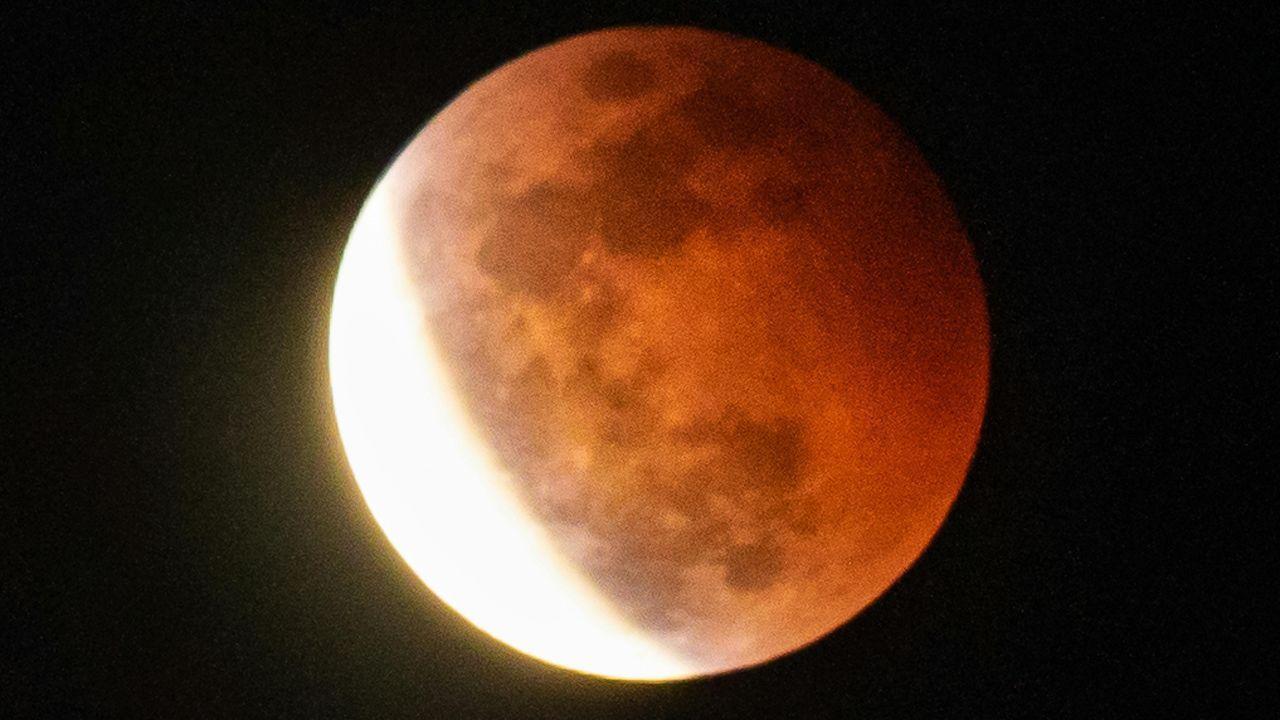
India Witnesses Chandra Grahan Blood Moon Visible in Parts of World
Skywatchers observe partial eclipse in India as total ‘Blood Moon’ visible across North America Aust
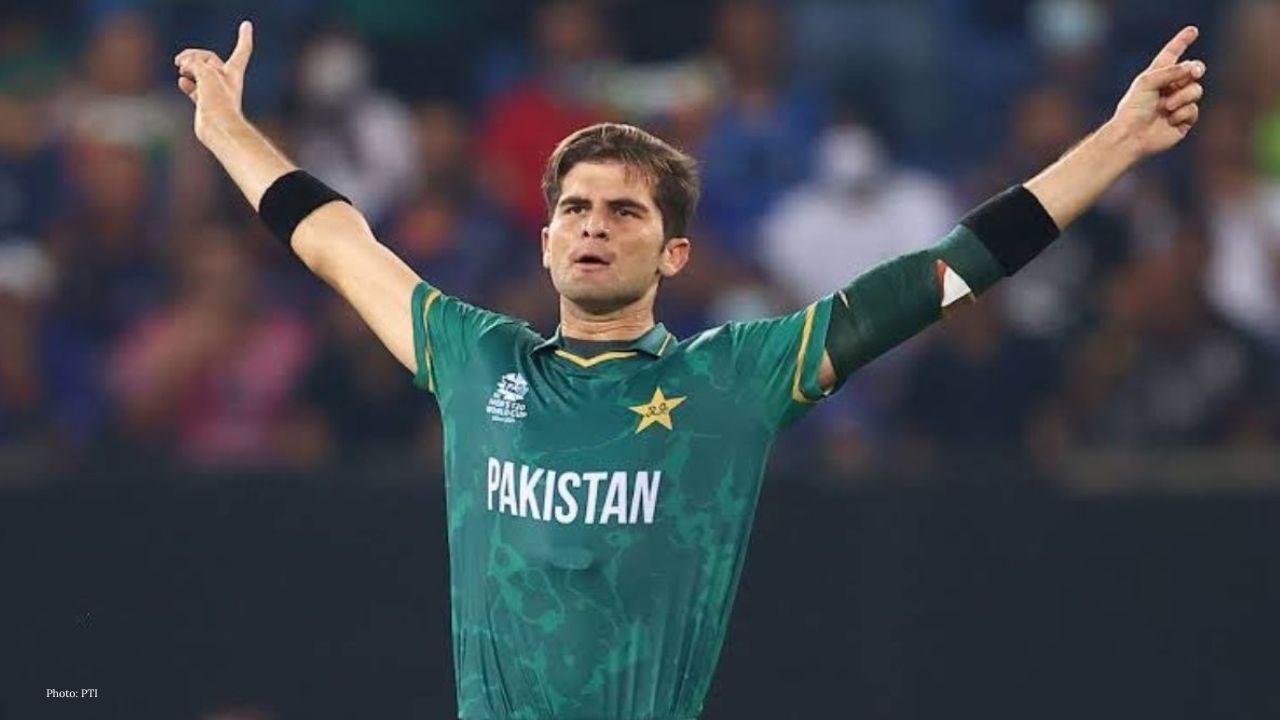
14 Pakistan Players Shortlisted for The Hundred 2026
ECB reiterates nationality will not influence selections as Haris Rauf and Shaheen Afridi headline P