You have not yet added any article to your bookmarks!
Join 10k+ people to get notified about new posts, news and tips.
Do not worry we don't spam!
Post by : Meena Ariff
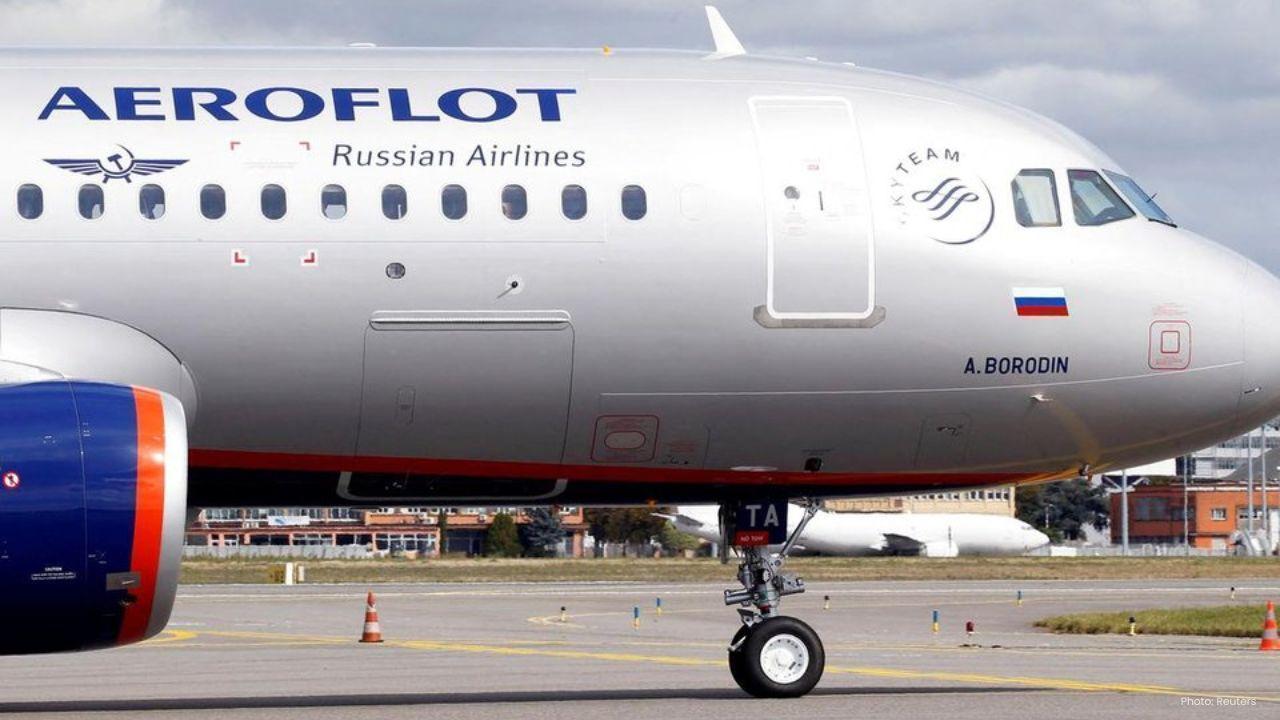
This year has been very tough for Russian aircraft makers. They planned to deliver 15 commercial jets, but only one was completed. This big slowdown happened mainly because Western countries have put strict sanctions on Russia, especially on aircraft parts. Also, high interest rates make it very expensive for companies to borrow money. These two factors together have caused major problems for Russia’s aviation industry.
Sanctions Block Russian Access to Foreign Aircraft Parts
After Russia invaded Ukraine in February 2022, many Western countries imposed strict sanctions. These sanctions stop Russian companies from buying aircraft parts from outside Russia. Most Russian airlines use planes made by Airbus and Boeing, which are foreign companies. These planes need parts made in other countries to work properly. Because of this, the Russian aviation industry is struggling to keep planes in the air.
Russia’s commercial aircraft fleet has more than 700 planes. Most are Airbus and Boeing jets. To keep these planes working, Russian airlines must find complicated and indirect ways to get spare parts. This makes maintaining the planes more difficult and more expensive.
No Quick Way to Replace Lost Technology and Parts
A person working inside Russia’s aviation industry said, “There are no parts base, no technology, no factories, no engineers.” He explained that building all of this from the beginning would take many years, maybe even decades. This is a big challenge for Russia because it is the largest country in the world, covering 11 time zones. Many regions depend heavily on planes to transport people and goods.
Recent Plane Crashes and Flight Cancellations Show Urgent Need for Change
The problems in Russian aviation are very urgent. At the end of July, an old Soviet-era plane called the Antonov An-24 crashed in Russia’s far east. This plane was built in 1976, and tragically, all 48 people on board died.
Soon after, Aeroflot, Russia’s main airline, had to cancel many flights because of a serious cyberattack. This cyberattack disrupted the airline’s operations and caused further problems.
Industrial Slowdown Affects Aviation and More
The troubles in aviation reflect a larger problem in Russia’s industry. In July, factory production fell at the fastest rate since March 2022. Many industries, like car making, coal mining, and metal exports, are shrinking. High interest rates make borrowing money costly and hurt businesses.
Investment expert Dmitry Polevoy said Russia’s industrial sector is “on the edge of a recession.” He explained that strict financial rules are affecting industries quickly and badly.
Declining Aircraft Deliveries Since 2021
In 2021, Russia added 52 new planes to its fleet. These included 27 Airbus jets, 3 Boeing jets, and 22 Sukhoi Superjets (which use some imported parts). These planes flew for airlines like Aeroflot, S7, Red Wings, Rossiya, and Ural Airlines.
Since then, Russia has added only 13 new planes: 12 Superjets and one Tupolev Tu-214. The Tupolev Tu-214 is a medium-sized plane used for short and medium flights. Russia’s First Deputy Prime Minister Denis Manturov uses this plane.
Production Goals Cut, Delays Continue
The Russian government has lowered its aircraft production goals many times. In mid-2024, the target dropped from 171 planes to only 21 by 2025. Officials said high interest rates made financing too expensive, forcing these cuts.
Rostec, the state company in charge of making Russian planes like the Superjet-100, Tupolev Tu-214, Ilyushin, and the new Yakovlev MC-21, missed many deadlines. Rostec’s CEO Sergei Chemezov said last year that Russia would build its passenger planes, but the delivery dates have been delayed multiple times.
Problems with New Russian Jets
The new MC-21 jet is made fully with Russian parts but weighs more than earlier versions that used imported parts. This extra weight lowers the plane’s flying range and fuel efficiency. Because of this, many airlines hesitate to use the MC-21.
Chemezov recently told the Prime Minister that mass production of the MC-21, Superjet-100, and IL-114 will only begin in 2026. This is two years later than planned.
Still Dependent on Foreign Parts
Even with efforts to make planes fully in Russia, the country still depends on parts from foreign suppliers. Customs data shows that in 2024, parts worth at least $300,000 were imported through middlemen in Turkey, China, Kyrgyzstan, and the UAE. These parts come from companies like France’s Safran, U.S. Honeywell, and Britain’s Rolls-Royce.
These companies say they follow sanctions strictly. Honeywell has said it does not sell to Russian companies and works to prevent unauthorized use of its products.
Parallel Imports and Workarounds
Russia has created a system called “parallel imports.” This means goods enter Russia through third countries without the original makers’ permission. This helps Russia get some aircraft parts despite sanctions.
Rising Ticket Prices and Help from Foreign Airlines
With fewer planes available and more people wanting to fly inside Russia, ticket prices have steadily increased during 2023 and 2024.
To help with the shortage of Russian planes, Moscow has asked airlines from nearby Central Asian countries like Kazakhstan and Uzbekistan to operate domestic flights inside Russia.
A Long and Difficult Road Ahead for Russian Aviation
The Russian aviation industry faces a very difficult future. Sanctions, financial challenges, and the need to build complicated technology from scratch make it hard to replace foreign planes and parts quickly. Although new Russian planes are being developed, delays and technical problems continue.
The government and companies like Rostec will need to work very hard to rebuild a self-sufficient aviation industry. Until then, Russian airlines will continue to struggle to keep planes flying safely and efficiently.






Josh Kerr and Jakob Ingebrigtsen Set for 1,500m Rivalry Rematch
Josh Kerr and Jakob Ingebrigtsen will renew their 1,500m rivalry at the Ultimate Championship in Bud

PSG Coach Luis Enrique Urges Players to Step Outside Comfort Zone
PSG coach Luis Enrique says players must leave their comfort zone and keep improving as the club tar

China’s Tiangong Sets New 400m Record at Robot Olympics
China’s Tiangong robot sets a new 400m record at the Robot Olympics, beating a South African robot i
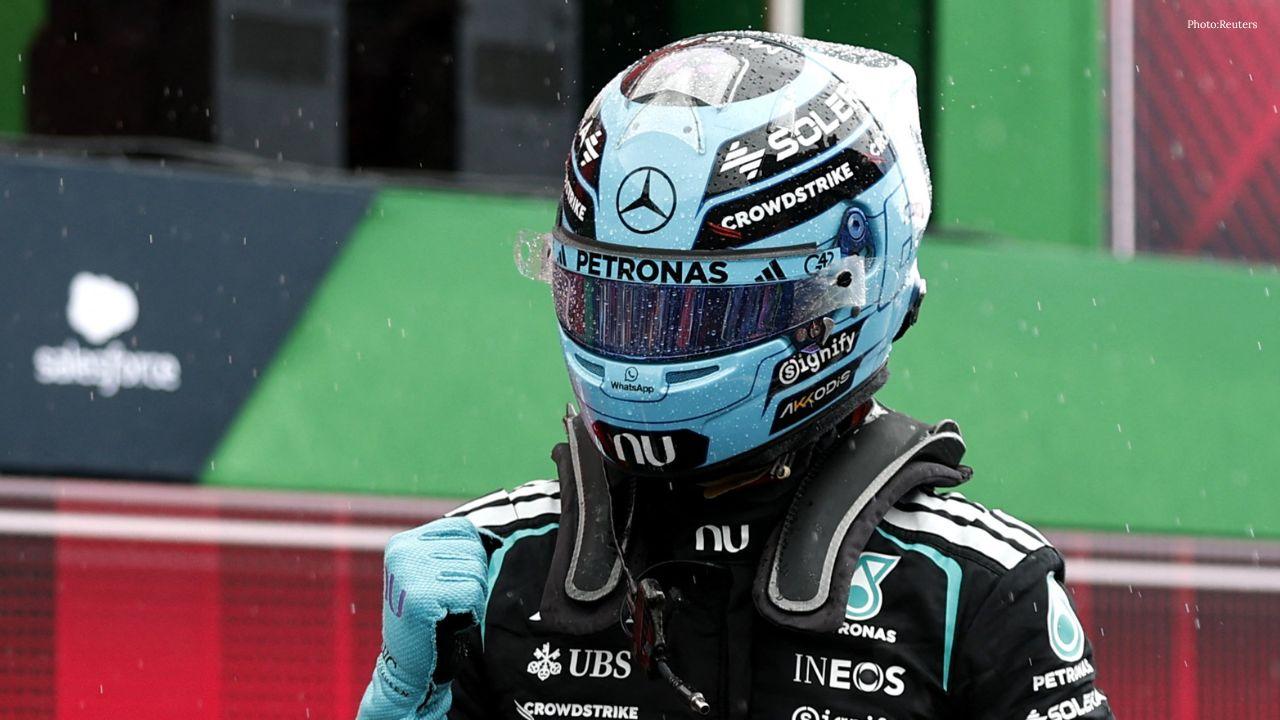
George Russell Wins Dutch GP Sprint, Boosts Mercedes Morale
George Russell wins the Dutch GP Sprint from pole as Mercedes teammate Kimi Antonelli extends his F1
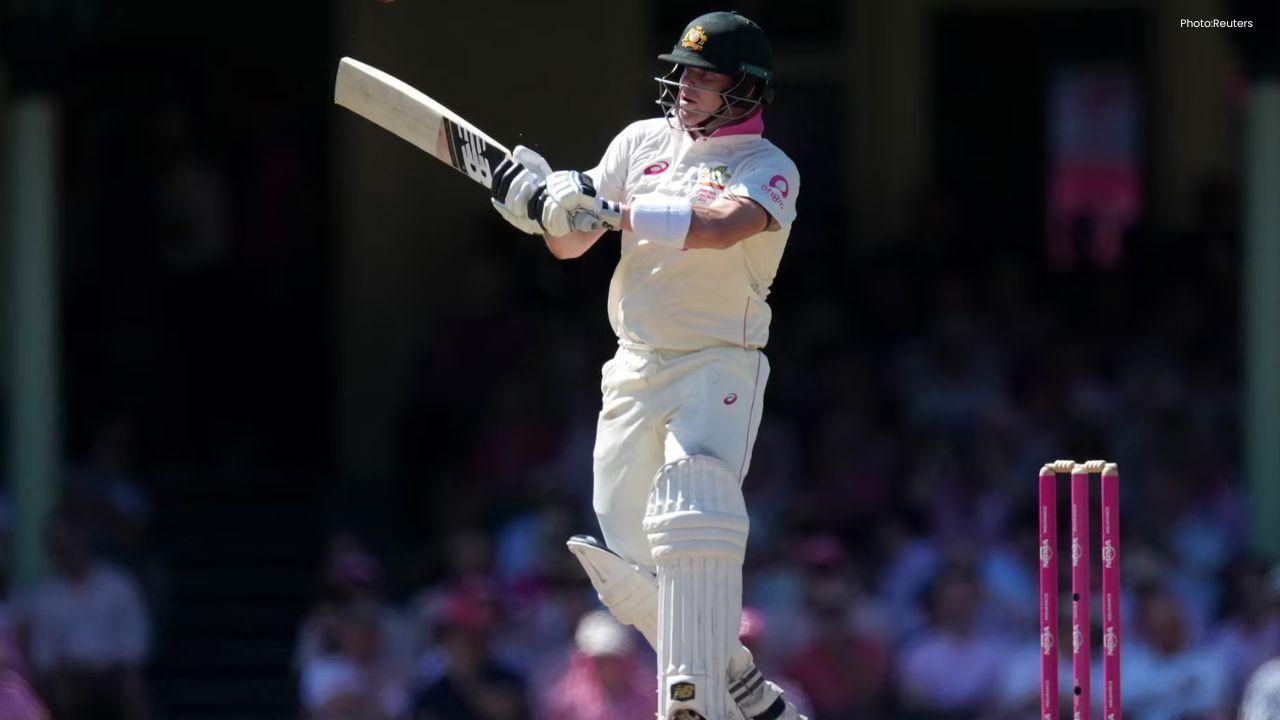
Australia 50/3 After Bangladesh Bowled Out for 64 in Second Test
Australia reached 50/3 after Bangladesh were bowled out for 64 in the second Test, with Mitchell Sta

Jordan Burroughs Returns to Wrestling with 2028 Olympic Dream
Jordan Burroughs returns to wrestling with Real American Freestyle as the Olympic champion eyes a po