
You have not yet added any article to your bookmarks!
Join 10k+ people to get notified about new posts, news and tips.
Do not worry we don't spam!
Post by : Rohit Dhiman
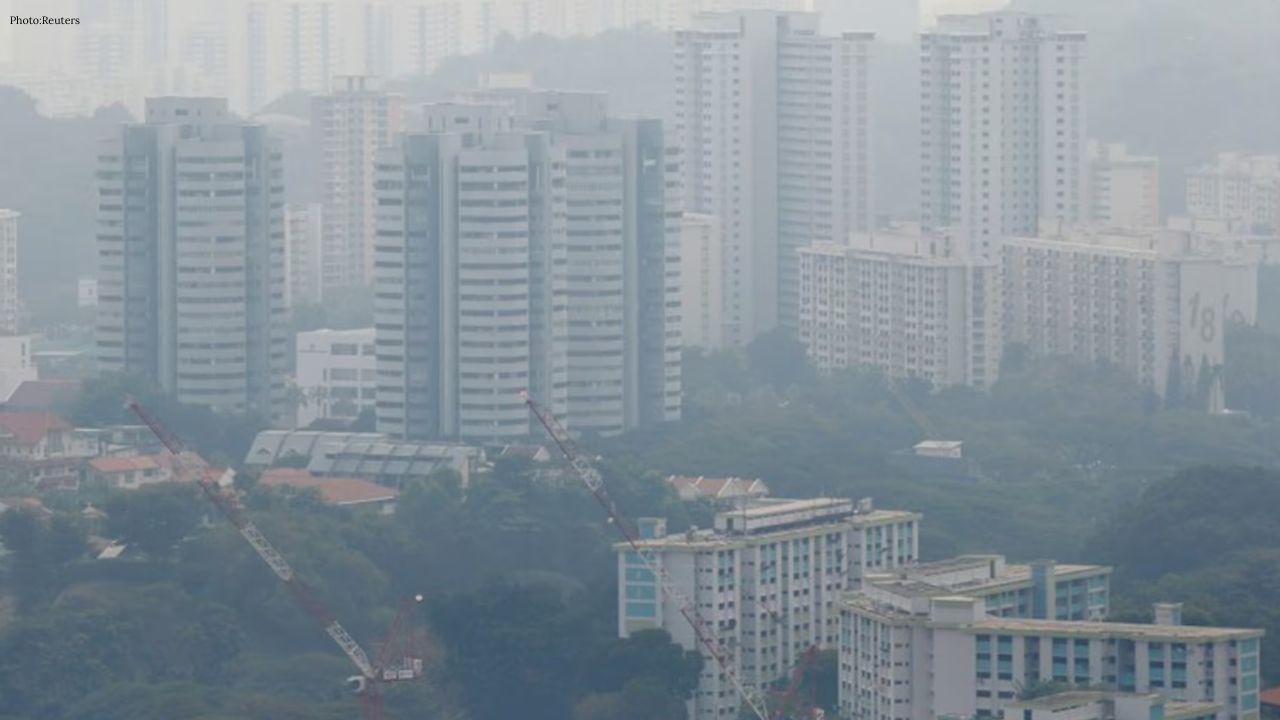
Singapore's air quality deteriorated on Monday, September 14, as the central part of the city-state moved back into the unhealthy range after several days of moderate readings. The deterioration came as dry weather and fire hotspots continued across parts of Indonesia, allowing haze to spread across the region. The Singapore air quality reading in the central region reached 102 on the 24-hour Pollutant Standards Index (PSI) at noon. The figure later increased to 108 at 2pm, marking another period of unhealthy conditions for residents in the affected areas. Authorities are closely monitoring the situation as regional weather conditions remain favourable for the development and movement of smoke and haze.
The latest deterioration has been associated with persistent Indonesia hotspots, particularly in areas of Sumatra and Kalimantan. Singapore's National Environment Agency said dry conditions were observed across much of the southern ASEAN region on Monday morning. Hotspots were detected in southern Sumatra, as well as western, central and southern Kalimantan. Smaller numbers of hotspots were also identified in parts of Peninsular Malaysia and Java. The NEA also reported moderate to dense haze over central and southern Sumatra and parts of western and central Kalimantan. These conditions have contributed to the return of Singapore haze, with air quality also affected in other parts of Southeast Asia.
The central region was the first area to cross the unhealthy threshold, recording a PSI of 102 at noon. By 2pm, the reading had risen to 108. Other regions recorded readings between 83 and 96, placing them below the unhealthy category but indicating that air pollution remained elevated. The PSI Singapore readings are based on a 24-hour measurement that reflects pollution levels over a sustained period. The unhealthy category begins at 101 and continues up to 200. A PSI between 201 and 300 is classified as very unhealthy, while readings above 300 fall into the hazardous category.
The haze was not limited to Singapore. Authorities observed transboundary haze in parts of Sarawak, Peninsular Malaysia and southern Vietnam. Monitoring stations in affected areas reported conditions ranging from moderate to unhealthy. This highlights the regional nature of the haze problem, as smoke generated by fires in one country can travel across national borders depending on wind and atmospheric conditions. The situation is being watched closely because continued dry weather and additional hotspots could prolong poor visibility and deteriorate air quality further.
Singapore's return to unhealthy air quality follows a similar episode earlier this month. On September 4, the central region's 24-hour PSI entered the unhealthy range for the first time since 2023. Following that development, the National Environment Agency began issuing daily haze advisories to provide residents with updated information about air quality conditions. The latest deterioration means authorities are again paying close attention to regional weather patterns, fire activity and the movement of haze across Southeast Asia.
The air pollution Singapore is experiencing can vary between regions and may change depending on weather conditions, wind direction and the concentration of particulate pollution. People who are particularly sensitive to poor air quality may need to pay closer attention to official advisories when pollution levels rise. Outdoor activities can also be affected when the PSI moves into higher categories. The NEA continues to monitor air quality across Singapore and regional conditions that could influence the movement of haze.
Read Also: Lamine Yamal Says Mbappe Is His Only Ballon d'Or Rival
Singapore's central region recorded a PSI of 108 at 2pm on September 14, putting it in the unhealthy range. Other regions recorded PSI levels between 83 and 96.
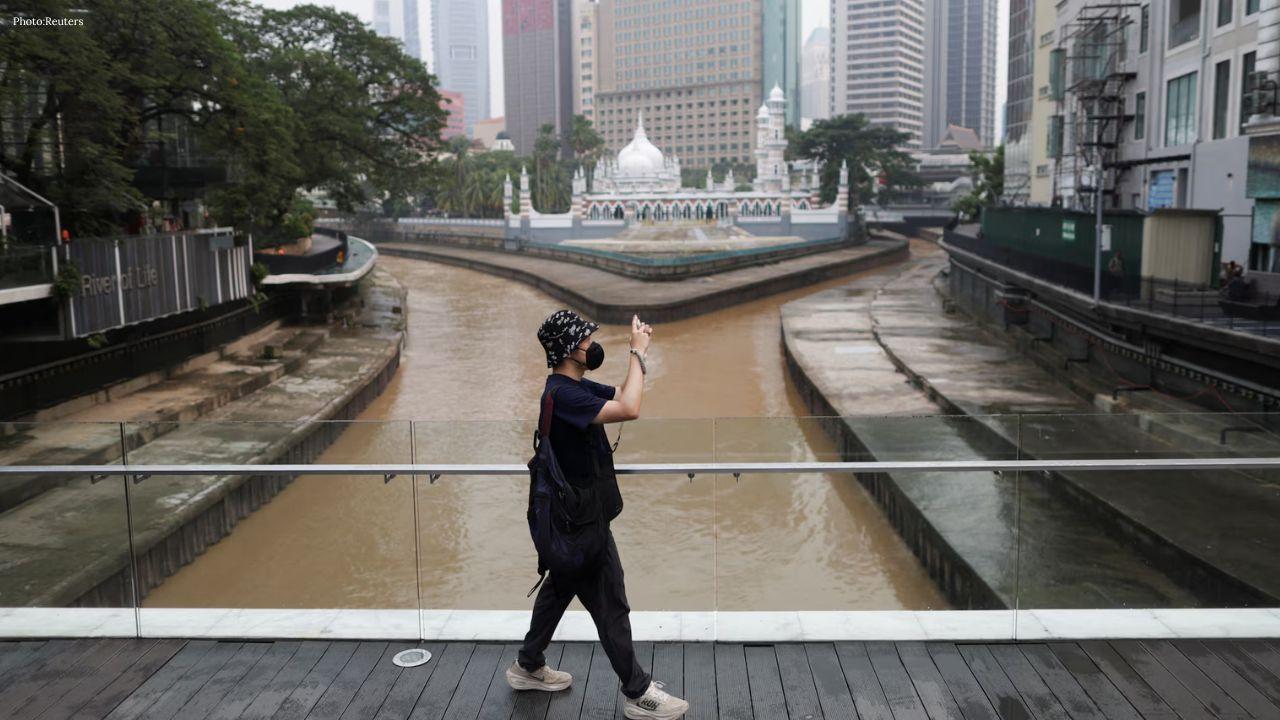
The central part of Singapore was among the areas affected by worsening air quality, while transboundary haze was also reported in parts of Malaysia and southern Vietnam.
The deterioration is linked to dry weather and fire hotspots in parts of Indonesia, particularly Sumatra and Kalimantan. Smoke and haze can travel across borders under suitable atmospheric conditions.









G7 to Hold AI Cybersecurity Exercises to Protect Financial Systems
G7 finance leaders will conduct AI cybersecurity exercises to prepare for cyber attacks and protect

Spain's Diego Poncelet Sets Skateboarding World Speed Record
Spain's Diego Poncelet reaches 151.83 km/h in a record-breaking downhill skateboard run in Canada, s

Hyundai Recalls 94,622 US Vehicles Over Potential Fire Risk
Hyundai recalls 94,622 US vehicles over overheating seat motors. Check affected Genesis models, fire

Nvidia Pledges $250 Million for UK AI Safety Research
Nvidia will provide $250 million in computing resources over five years to support AI safety researc

Jacob Bethell Returns as England Name Squads for Australia Tour
England name ODI and T20 squads for the Australia tour, with Jacob Bethell returning from injury and

Beauden Barrett Opens Up About Mental Struggles During All Blacks Exile
Beauden Barrett discusses his confidence struggles after missing six tests, his return against Austr