You have not yet added any article to your bookmarks!
Join 10k+ people to get notified about new posts, news and tips.
Do not worry we don't spam!
Post by : Meena Ariff
Aylwin Lam, a father whose daughter exhibited excessive smartphone use, spent months trying to scale back her screen time. His Primary 5 student often reacted with frustration when asked to stop using her device, leading her school to express concerns regarding her social interactions.
Through persistent efforts, her daily YouTube viewing plummeted from hours to just about 15 minutes. Lam's experience highlighted the ease with which children can fall into unhealthy routines, prompting him to advocate that young students should refrain from phone use entirely.
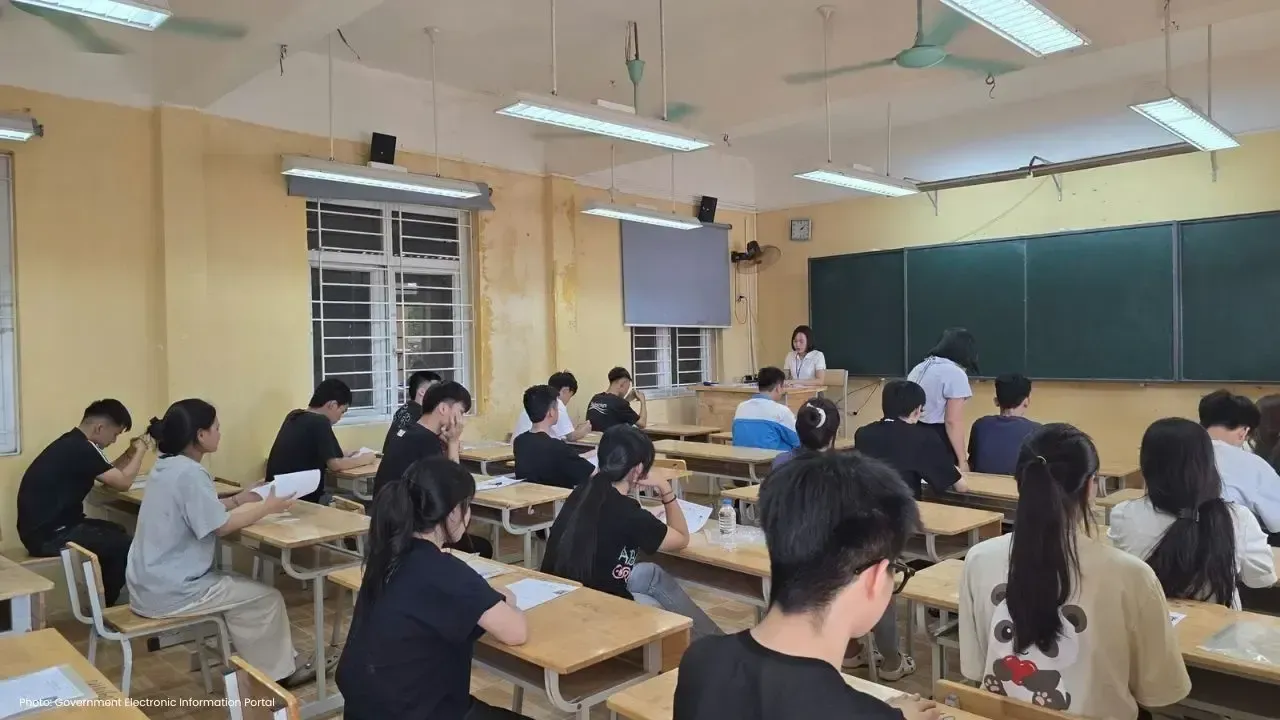
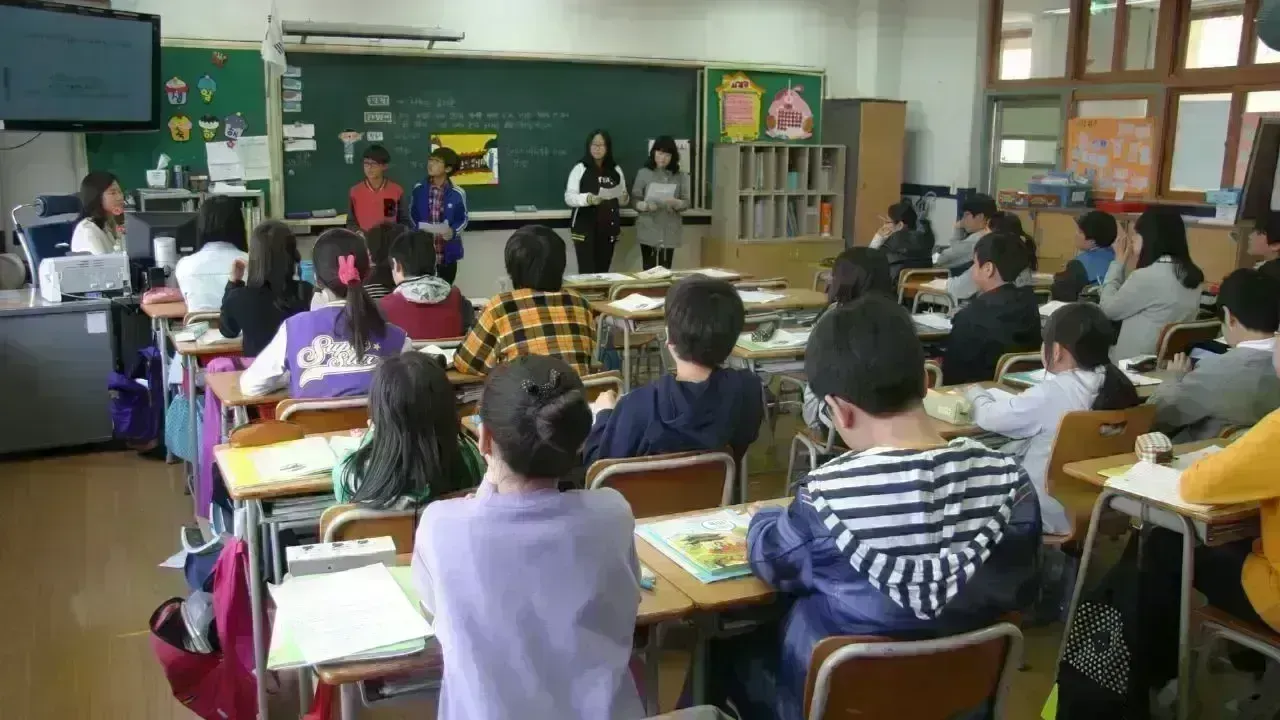
This sentiment resonates with many parents, driving support for new rules aimed at restricting smartphone and smartwatch usage in schools. Starting January 2026, secondary school students will be prohibited from using these devices during the school day—including recess and co-curricular activities. Mobile phones must be stored in bags or designated areas. Primary schools have already been implementing similar guidelines since early 2025.
While parents and educators largely endorse this shift, questions arise about the feasibility of consistent enforcement.
Concerned parents worry that allowing phones in bags could lead to rule-breaking. Lam believes storing them in lockers would enforce rules better, although he recognizes that children often find ways to circumvent regulations. Another father noted that his sons still reply to messages during school hours, raising doubts about oversight. Some parents even resort to providing fake phones for their children to submit, keeping the real devices hidden.
Compounding challenges are personal learning devices issued by schools, like tablets or laptops. Although only authorized apps are allowed, students sometimes access messaging platforms via web browsers or quickly switch tabs. Breaks, such as restroom visits, are also utilized as opportunities to check their phones.
Many teachers acknowledge the real anxiety among parents concerning device overuse, leading them to seek guidance on managing students' digital habits. Although phones are typically banned during class, exceptions may occur when a student forgets or fails to charge their learning device. Educators anticipate stricter enforcement will follow the new rules, yet maintaining awareness of every student's compliance is a challenge. Classrooms and hallways often brim with activity, and students are sometimes reticent to report infractions for fear of mockery.
Some teachers suggest that effective monitoring may demand more staff, a resource that many schools lack. Others contend that successful rules hinge on students understanding their rationale rather than perceiving them as punishments. With many students already attempting to hide devices under desks, mere enforcement may not suffice.
Parents familiar with strict rules from primary school anticipate a seamless transition. One mother noted her daughter is accustomed to leaving messages through the general office or waiting until after school to check texts, ensuring communication flows smoothly.
Experts assert that the upcoming measures will foster healthier routines for students. Studies indicate that excessive screen time can adversely impact behavior, attention, and emotional health. The restrictions aim to safeguard time for face-to-face learning and interactions, shielding students from digital distractions and social media pressures.
Some parents have observed the positive impacts of such regulations. One father noted his daughters cultivated healthier habits while studying abroad, where mobile phones were off-limits during school hours. However, upon returning, he saw them slipping back into constant connectivity. While he supports the new guidelines, he hopes schools will provide a brief, supervised time for students to inform parents of pickup arrangements.
Regardless of concerns, many families remain hopeful that these updated rules will nurture healthier lifestyles and alleviate the constant demands of digital connectivity.









Lamborghini Catches Fire on Singapore's ECP, Causing Heavy Traffic
A Lamborghini caught fire on Singapore's ECP, causing heavy traffic and bus delays. No injuries were

Bangkok Airport Duty-Free Area Flooded by Pipe Burst
A burst water pipe flooded the duty-free shopping area at Bangkok's Suvarnabhumi Airport on July 16,

Nine Monks Killed in Thailand Pickup Truck Tragedy
An 11-year-old boy driving a pickup truck crashed into monks during a pilgrimage in northeastern Tha

Anwar Congratulates Xi on CPC's 105th Anniversary
Malaysia reaffirms strong ties with China as PM Anwar Ibrahim sends a congratulatory letter to Presi

Thai Agriculture Team Reviews 2026 Farm Development Plans
Agriculture Ministry officials inspected livestock and organic rice projects in Nakhon Sawan to moni

Thailand, Canada Boost Ties in PM-Level Phone Talks
Thailand and Canada agreed to strengthen trade, security, OECD cooperation and ASEAN-Canada FTA talk