
You have not yet added any article to your bookmarks!
Join 10k+ people to get notified about new posts, news and tips.
Do not worry we don't spam!
Post by : Rohit Dhiman
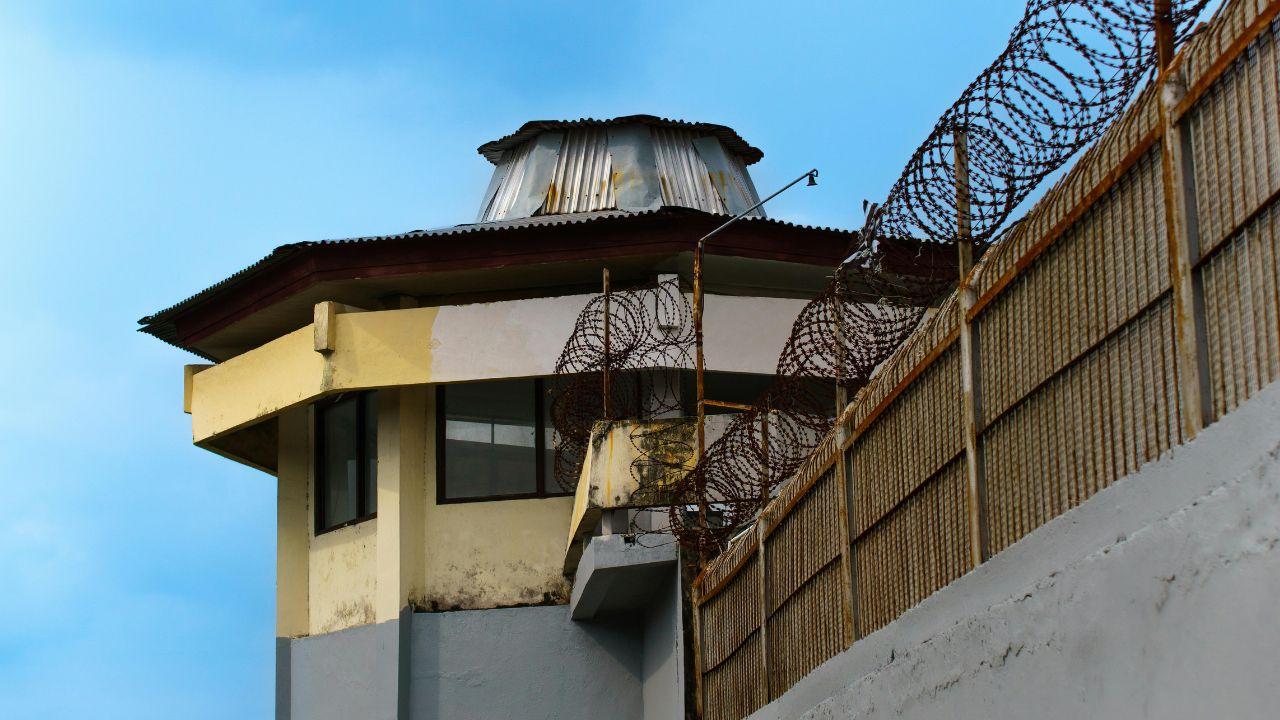
Singapore’s prison system is adjusting to a noticeable demographic shift as the number of older inmates continues to rise. In 2025, roughly one in six inmates was aged 60 or above, up from about one in 10 in 2019, according to figures from the Singapore Prison Service (SPS). The share aged 65 and above also climbed sharply, increasing from 3.7% to 8.7% over the same period. The change broadly reflects Singapore’s ageing population, but it is creating new demands inside the prison system. Older inmates are more likely to require medical attention, assistance with mobility and support for other age-related conditions.
SPS officers say some elderly prisoners live with chronic illnesses, physical limitations and, in certain cases, early signs of dementia. This means prison staff need additional skills and patience to support them safely. One response has been the Assisted Living Correctional Unit (ALCU), where the average inmate is around 60 years old. The facility is designed to accommodate people who need greater assistance because of age-related conditions. Cells in the unit include features such as handrails, metal commodes for people who have difficulty squatting and shower facilities that can be used while seated. The system can also convert additional cells into assisted-living spaces if demand increases.
Read Also: Putin Visits Disputed Kuril Island, Drawing Strong Protest From Japanz
The support system does not rely entirely on prison staff. Selected younger inmates who have suitable caregiving experience can be paired with older prisoners who have mobility difficulties. These inmates, known as attendants, receive financial incentives as well as certain privileges, including access to snacks, coffee and bread. The arrangement provides practical assistance to older prisoners while giving suitable younger inmates responsibilities within the correctional environment.
Changing prison facilities is only one part of the issue. For many older inmates, life after release can be difficult, particularly when they have limited family support or health and mobility concerns. The Singapore Prison Service’s Throughcare Management Services for Elderly Offenders (TMSEO) programme focuses on rehabilitation and reintegration for older offenders and former inmates, including those with mobility challenges. The programme is run by Care Community Services Society. It received more than 150 referrals during the two-and-a-half years covered in the report, with around 35% of those referred facing housing-related difficulties. For people without relatives or a stable place to live, support organisations may help arrange sheltered accommodation or transitional housing.
Finding accommodation is not the only obstacle. Older former inmates may also have to rebuild relationships, search for employment and adjust to everyday life after years behind bars. The latest figures cited by SPS show that 21.9% of people released from prison in the 2023 cohort reoffended within two years, compared with 21.3% for the previous cohort. Social-service workers say returning to the community can sometimes feel more difficult than prison life itself. Former inmates may face stigma because of their criminal records, while declining health can make independent living even harder. Volunteers working with elderly former offenders are trained to understand challenges such as reduced eyesight, hearing loss, weaker dexterity and difficulties managing medication.
Social workers and prison officers also highlight the importance of dignity. Older former inmates may return to communities where they have very few people to depend on, leaving them vulnerable to loneliness and isolation. SPS officers believe greater understanding from society could help reduce the stigma surrounding people who have previously served prison sentences, particularly those who struggled with drug addiction.
Some former offenders have managed to rebuild their lives by finding work and a sense of purpose. One example is 59-year-old Upu Badarudin, who spent 10 years in prison for drug-related offences before being released in 2020. He later opened a barbershop and began mentoring former offenders, while also employing ex-inmates who struggle to find jobs. For him, having a business created structure, responsibility and a reason to avoid the influences that previously contributed to his offending. His experience reflects a broader message from rehabilitation workers: support from the community can matter greatly, but sustainable change also depends on an individual’s willingness to acknowledge past mistakes and build a different future.
Singapore’s changing inmate demographics are pushing the prison system to look beyond security and confinement. Medical care, accessible facilities, rehabilitation, housing, employment and social support are becoming increasingly important parts of managing an ageing prison population. As more inmates reach older age, the challenge will not end when their sentences do. Helping them return to society with dignity, stability and meaningful support could be equally important in reducing isolation and the risk of returning to prison.










PM Modi Pays Tribute to Mahatma Gandhi, Urges People to Support Khadi
PM Modi pays tribute to Mahatma Gandhi on Gandhi Jayanti and urges citizens to support Khadi and the

Amazon Seeks to Offload $8 Billion in Nvidia Chips to Investors
Amazon plans to move $8 billion in Nvidia chips to investors, using a new financing model to strengt

Samsung Raises Galaxy S26 Prices as Memory Chip Costs Rise
Samsung raises Galaxy S26 prices in South Korea as rising memory chip costs put pressure on smartpho

Lewis Hamilton Calls Singapore Grand Prix One of F1's Toughest Races
Lewis Hamilton discusses the demanding Singapore Grand Prix and brings Plus44 and Almave to Singapor

Denmark's Pandora Opens World's Largest Jewellery Factory in Vietnam
Pandora opens its largest jewellery factory in Vietnam, expanding global production, strengthening s

Gautam Gambhir Questions Batting-Friendly Pitches After India's Record ODI Chase
Gautam Gambhir questions batting-friendly ODI pitches after India’s record chase, calling for a bett

