You have not yet added any article to your bookmarks!
Join 10k+ people to get notified about new posts, news and tips.
Do not worry we don't spam!
Post by : Samjeet Ariff
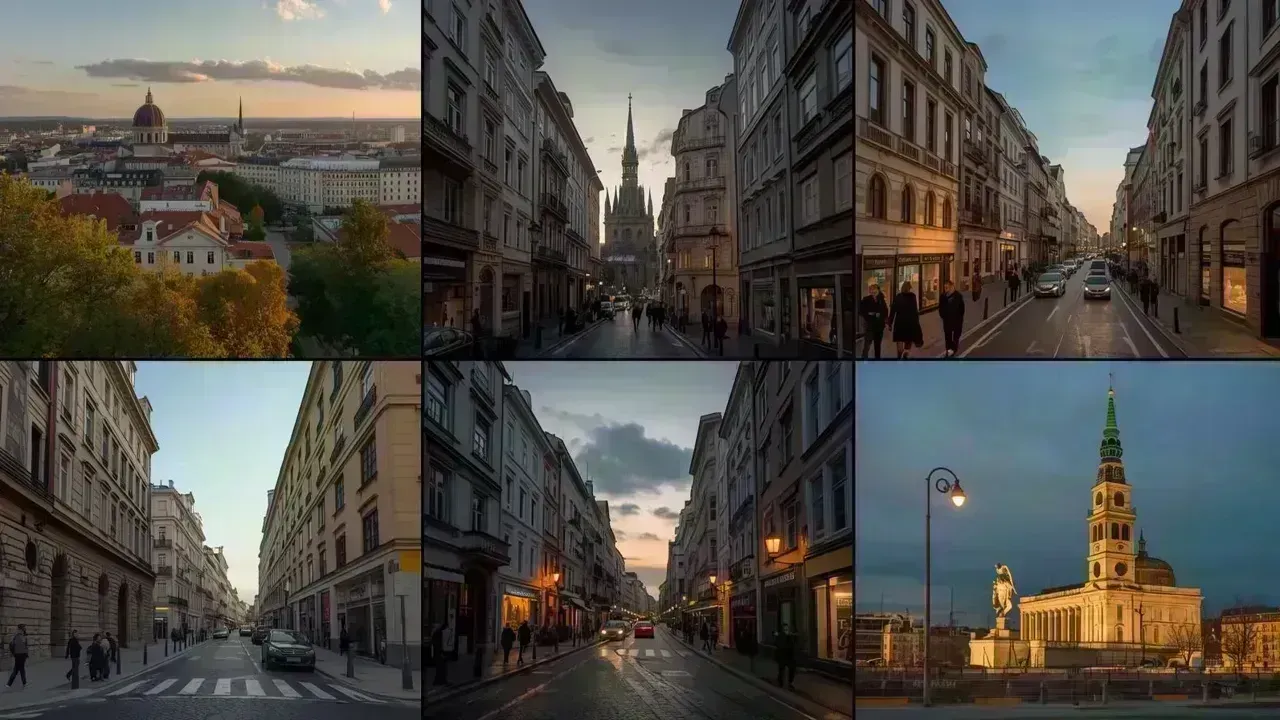
Embarking on a multi-city journey across Europe may seem daunting and pricey, but with strategic planning, it can be quite doable. A common error among travelers is to view Europe as a singular costly destination rather than a diverse collection of nations, each with distinct costs, transport options, and travel tips. Budget-conscious travels in Europe don’t compromise on experiences; they focus on informed choices.
This guide offers a step-by-step approach to crafting a cost-effective multi-city itinerary in Europe, detailing route selection, travel methods, lodging, dining, attractions, daily expenses, and practical savings techniques.
Travel costs can escalate when you're overly ambitious—attempting to see too much too quickly while prioritizing central accommodations and tourist-packed spots.
Here’s how budget travel can work for you:
Select regions over random city visits
Mix high-cost cities with budget options
Opt for a slower pace rather than rushing
Coordinate logistics prior to booking flights
The aim isn’t to check off every site, but to enjoy more while minimizing expenses.
Rather than randomly scattering cities across Europe, it’s wise to cluster them regionally.
Eastern Europe: Focus on Hungary, the Czech Republic, Poland, and Romania
Southern Europe: Think Portugal, Southern Spain, non-island regions of Greece, and Italy outside major urban centers
The Balkans: Consider Croatia, Albania, Montenegro, and Serbia
Central Europe: Austria, Slovenia, Slovakia (mixed budgets)
While Western Europe can still be included, limit it to a few excursions.
Transportation costs diminish remarkably when cities are close and well-connected.
Steer clear of zig-zagging routes
Travel in a coherent direction
Select cities that are train or bus friendly
Avoid backtracking
An example of an economical route:
Lisbon → Porto → Madrid → Barcelona → Nice → Milan
This helps cut down on flight reliance and conserves funds.
Fewer cities often lead to a richer travel experience.
2–4 days in large cities
1–2 days in minor towns
A minimum of 3 nights in base cities
For a 15-day venture, 5–6 cities is optimal. More than that may escalate transport costs and fatigue.
Flights typically consume a significant portion of your overall budget.
Book a flight into one city and out from another to avoid unnecessary travel costs.
Arriving in cities like Lisbon, Milan, Budapest, or Prague often proves cheaper than flying into Paris or London.
Make reservations 2–4 months ahead for the most competitive rates
Travel mid-week for better pricing
Avoid weekend departures
Minor adjustments in your itinerary can lead to substantial savings.
Low-cost carriers in Europe offer savings if managed astutely.
Travel with cabin luggage exclusively
Book seats together only as needed
Print boarding passes when necessary
Evaluate airport distances from city centers
A cheaper flight can incur higher transport costs.
Europe boasts one of the most efficient train and bus systems globally.
For short trips
Scenic travel routes
Taking overnight trains can be very cost-effective
Early reservations result in lower prices.
Budget-centered trips
Overnight travel options
Eastern and Southern Europe
Buses provide a slower, yet often more affordable, alternative compared to trains.
Hotels aren't your only avenue.
Hostels featuring private rooms
Local guesthouses
Low-cost hotels situated outside city hubs
Short-term apartment rentals
Choosing places 10–15 minutes from the city center can lead to substantial savings.
Lower lodging costs when you extend your stay.
Access weekly rates
Minimize frequent check-ins
Reduce transportation expenditure
Embracing slower travel can be the key to budget-friendly options.
Culinary experiences in Europe can be delightful and needn’t break the bank.
Grab breakfast from bakeries or supermarkets
Opt for lunch deals as opposed to dining out at dinner
Steer clear of eateries near major tourist spots
Dine where the locals do
Street food and local cafes can provide authentic charm at lower costs.
European supermarkets offer quality goods at reasonable prices.
Purchase snacks and beverages
Prepare simple meals
Pack fruits and bread for day outings
This alone can cut down daily costs by 30–40%.
It can get costly quickly when visiting popular sites.
Use city passes judiciously
Visit free museums on designated free-entry days
Explore neighborhoods on foot
Bypass overrated attractions
The real allure of Europe often lies outside ticketed locales.
The best experiences can come at no cost.
Participate in walking tours
Seek out public vistas
Wander through local markets
Discover historic districts
Free walking tours can be highly rewarding, with optional gratuities.
In-city transport costs can hinder your budget silently.
Walk whenever you can
Opt for daily or multiple-day transport passes
Steer clear of taxis
Leverage trams and buses
With proper planning, many European cities are walkable.
A typical daily budget (excluding flights):
Eastern Europe: €40–60
Southern Europe: €50–70
Western Europe: €70–100
Balancing different regions helps keep total costs manageable.
Over-scheduling activities
Frequent city changes
Delayed accommodation bookings
Transport location neglect
Carrying excess luggage
Keeping it simple is cost-effective.
Employ cards with no foreign transaction fees
Withdraw cash in bulk amounts
Steer clear of currency exchange counters
Tracking expenses lightly keeps overspending at bay
Maintain awareness without becoming obsessive.
Always be aware of:
City taxes
Luggage fees
Airport transfers
Attraction extras
Small fees accumulate quickly if overlooked.
Don’t miss out on popular destinations—just ensure there's balance.
Example:
Paris (3 days)
Prague (4 days)
Budapest (4 days)
Krakow (4 days)
This combination keeps your finances in check.
Your timing can be more crucial than the destination.
From April to early June
September to early November
Try to avoid peak summer unless necessary.
Rigid plans often lead to unnecessary expenses.
Incorporate buffer days
Steer clear of non-refundable bookings everywhere
Be open to local suggestions
Flexibility often results in cost savings and enriched experiences.
Arrive in Milan
Milan → Florence → Rome
Rome → Budapest (flight or overnight train)
Budapest → Vienna → Prague
Depart from Prague
This route balances culture, transport, and expenses effectively.
Budget travel signifies thoughtful spending, not compromise on quality. It’s about investing in what matters while saving in other areas.
Europe rewards those who plan. With meticulously chosen cities, optimized transport, smart accommodation choices, and balanced dining habits, you can experience one of the world’s most affordable travel opportunities.
A well-formulated itinerary enhances freedom instead of restricting it.
This article aims to provide valuable insights. Travel prices, visa regulations, transport availability, and accommodation costs may fluctuate based on various factors. Readers are encouraged to confirm current travel directives, pricing, and policies prior to making travel or financial commitments.







Meta Bans TikTok Ads on Facebook and Instagram in Seven Countries
Meta has banned TikTok ads in seven countries, escalating competition over social media users, adver

ASML and Zeiss Target Next-Generation Chip Technology in 10 Years
ASML and Carl Zeiss are developing Hyper NA technology to print smaller chip circuits, with the next

Rabada Misses First Australia Test as South Africa Pick Two Spinners
Kagiso Rabada misses the opener as South Africa vs Australia begins, with Anrich Nortje returning an

Starc Compares Australia's Tough Year to McIlroy's Major Sweep
Mitchell Starc says Australia winning three away Test series and the World Cup would match Rory McIl

France’s Sesterce Plans $11 Billion AI Data Centre in Finland
Sesterce plans a $11 billion AI data centre in Finland, with major expansion, green energy plans and

Danaher to Launch AI-Powered Autonomous Research Lab in 2027
Danaher plans an AI research lab for 2027, combining robotics and automation to speed up drug discov