You have not yet added any article to your bookmarks!
Join 10k+ people to get notified about new posts, news and tips.
Do not worry we don't spam!
Post by : Saif Rahman
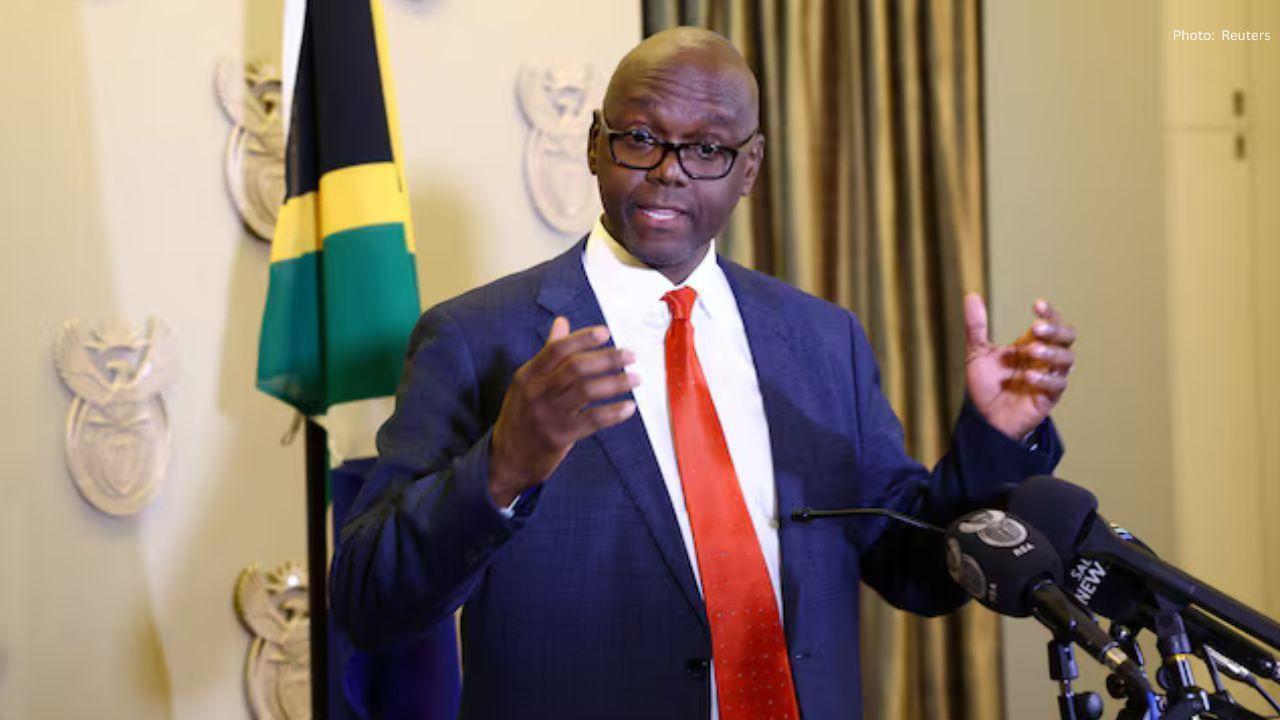
On Thursday, South Africa revealed plans to effectively “take a commercial break” from G20 activities while U.S. President Donald Trump presides over the group. This statement, issued by President Cyril Ramaphosa’s spokesperson Vincent Magwenya, came after it was confirmed that Pretoria would not receive an invitation to any G20 meetings during the U.S. leadership.
With the United States taking the helm of the G20 last week, it follows a year marked by escalating tensions between Washington and Pretoria. The U.S. did not participate in the recent G20 summit held in Johannesburg and has since clarified that South Africa will not be included in upcoming meetings, including the leaders’ summit scheduled for next year in Florida.
Magwenya approached this matter with a blend of levity and seriousness, expressing hope for a full return to engagement when the United Kingdom assumes the G20 presidency next year. Until that time, he quipped, the country would “take a commercial break until we resume normal programming.”
Though the comment was made in jest, it underscores the strained diplomatic atmosphere. President Trump has repeatedly aired false claims of a supposed “white genocide” in South Africa and has criticized the nation's initiative towards reducing racial inequality, a fundamental tenet of its post-apartheid policies. Such statements have caused considerable frustration among South African officials and exacerbated tensions.
The U.S. also opposed the thematic focus of South Africa’s G20 presidency, which emphasized solidarity, equality, and sustainability—issues Pretoria deems crucial for global justice and collaboration. Trump's administration had made its opposition clear early on, yet uncertainty lingered about South Africa's inclusion in working meetings. This uncertainty was dispelled by recent comments from U.S. Secretary of State Marco Rubio, who stated that South Africa would “not be receiving an invitation” for any G20 discussions during the U.S. presidency.
As one of the founding members of the G20, South Africa's exclusion is uncustomary and strongly indicates political discord. Nevertheless, South Africa has expressed that it will not seek to counter the decision or lobby for support. Magwenya added that the government has already received expressions of solidarity from several other G20 nations who are at odds with Washington’s stance.
This significant diplomatic rift raises broader questions about the path of the G20 and the impact of global politics on its functioning. For now, South Africa appears poised to take a step back temporarily, anticipating a return to a more collaborative leadership next year. This incident highlights how political disagreements can affect even major economic forums, revealing the delicate interplay between national interests and global partnerships.
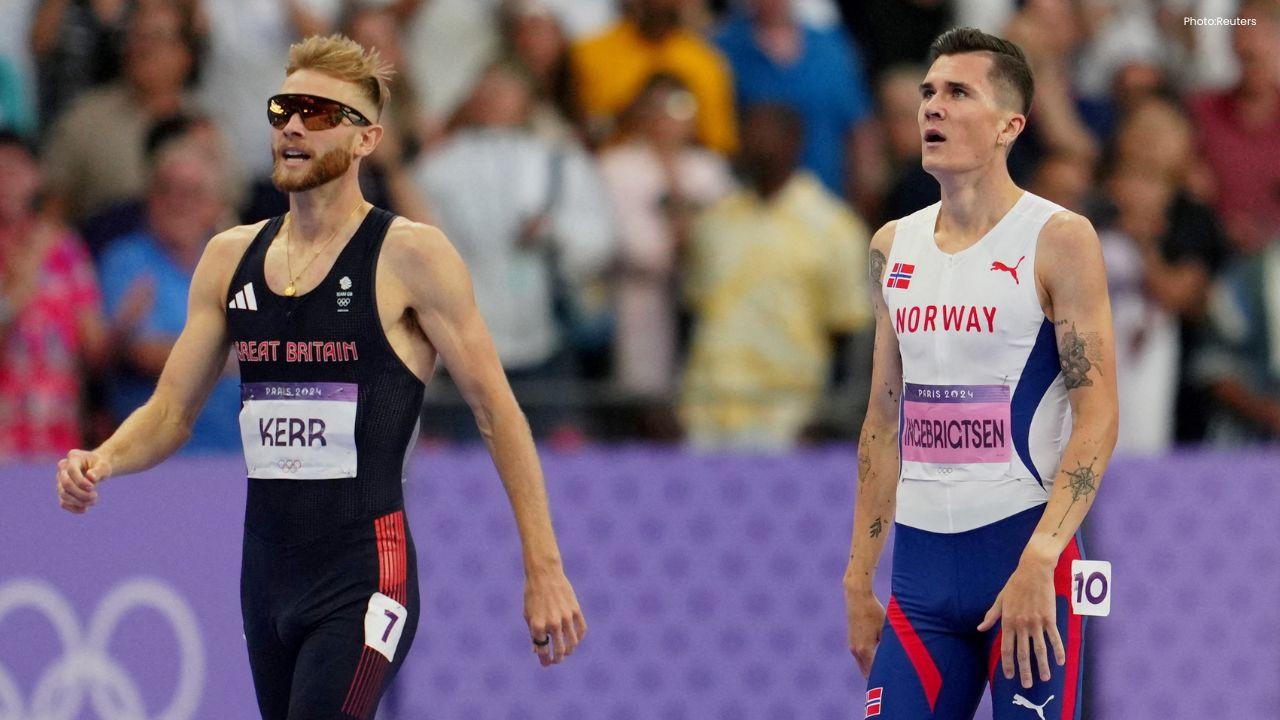


Josh Kerr and Jakob Ingebrigtsen Set for 1,500m Rivalry Rematch
Josh Kerr and Jakob Ingebrigtsen will renew their 1,500m rivalry at the Ultimate Championship in Bud

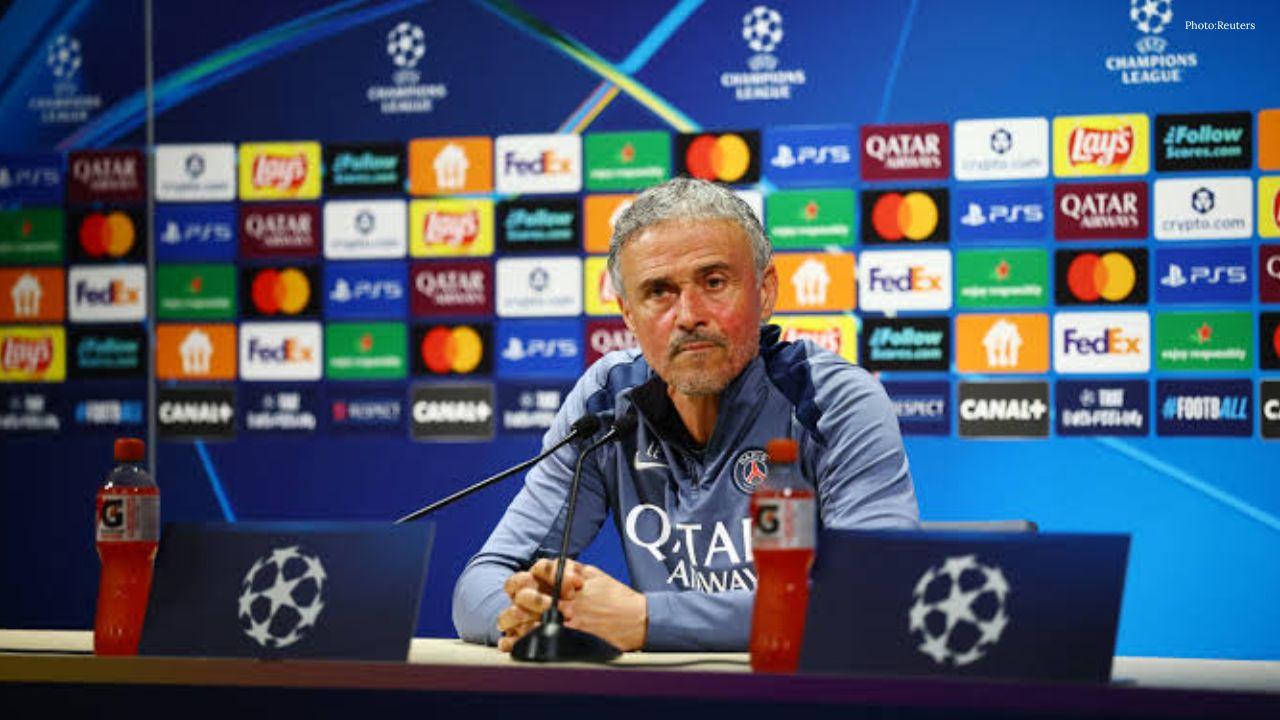
PSG Coach Luis Enrique Urges Players to Step Outside Comfort Zone
PSG coach Luis Enrique says players must leave their comfort zone and keep improving as the club tar

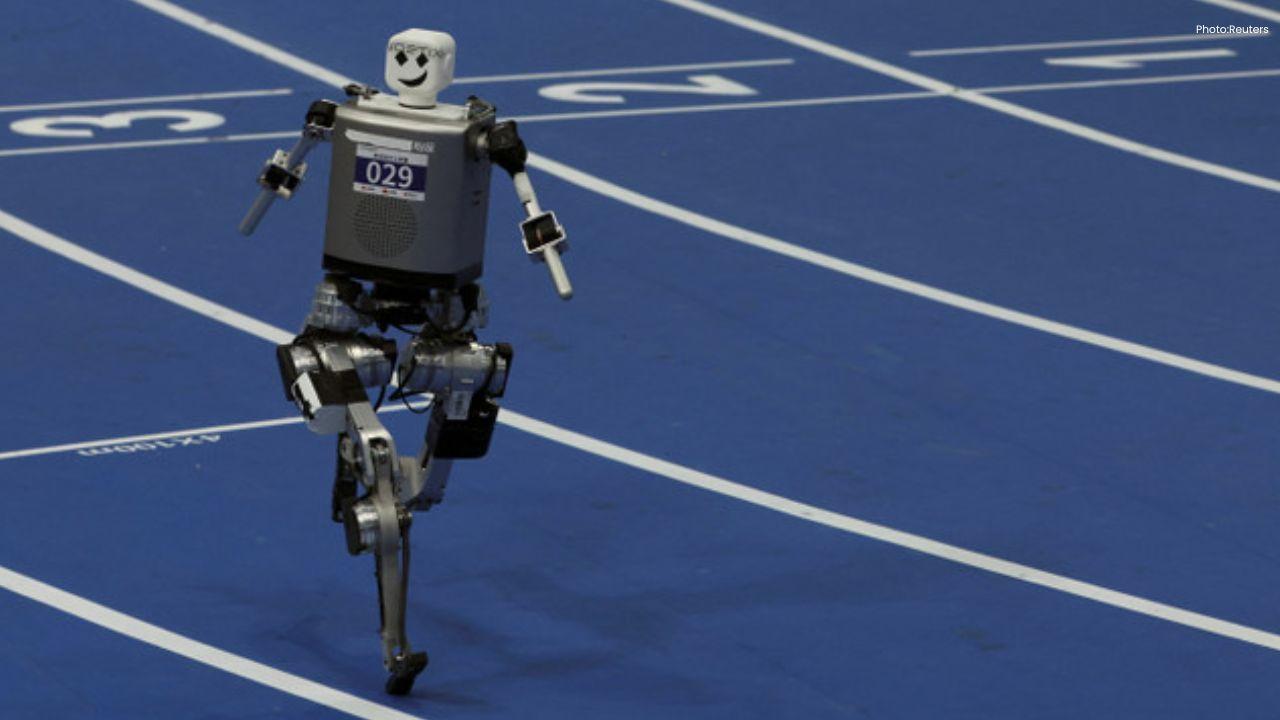
China’s Tiangong Sets New 400m Record at Robot Olympics
China’s Tiangong robot sets a new 400m record at the Robot Olympics, beating a South African robot i
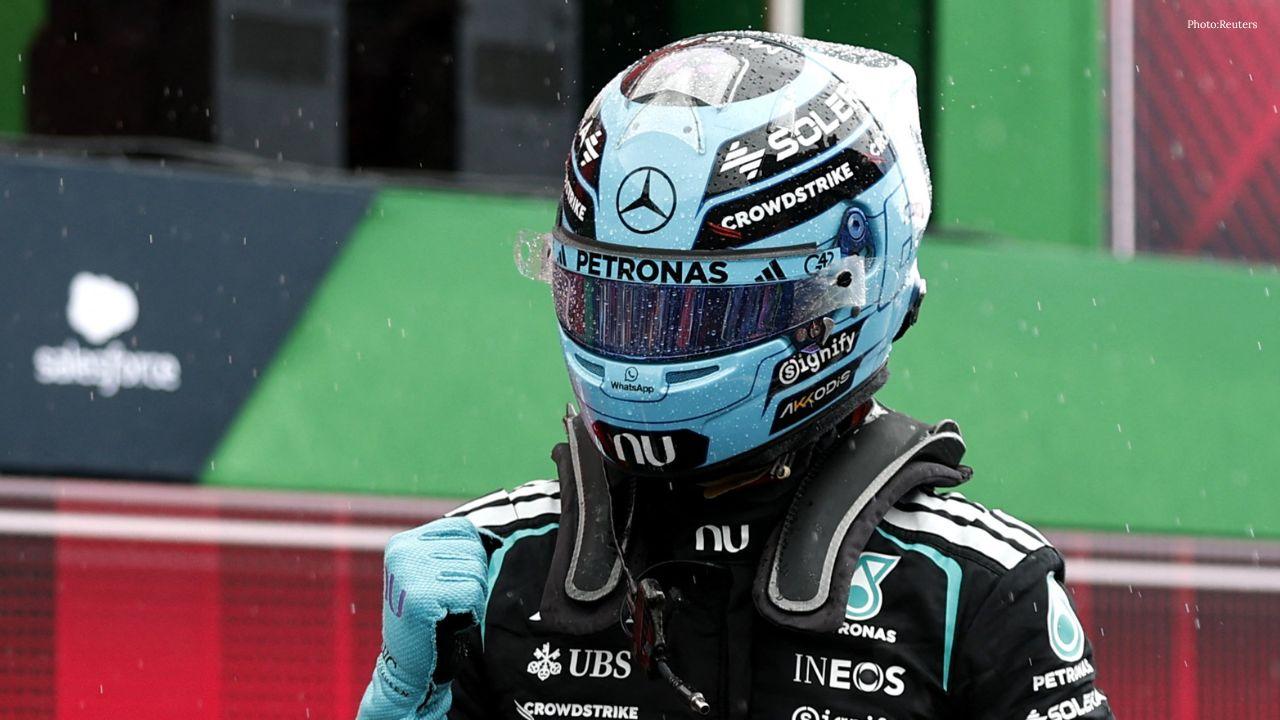
George Russell Wins Dutch GP Sprint, Boosts Mercedes Morale
George Russell wins the Dutch GP Sprint from pole as Mercedes teammate Kimi Antonelli extends his F1
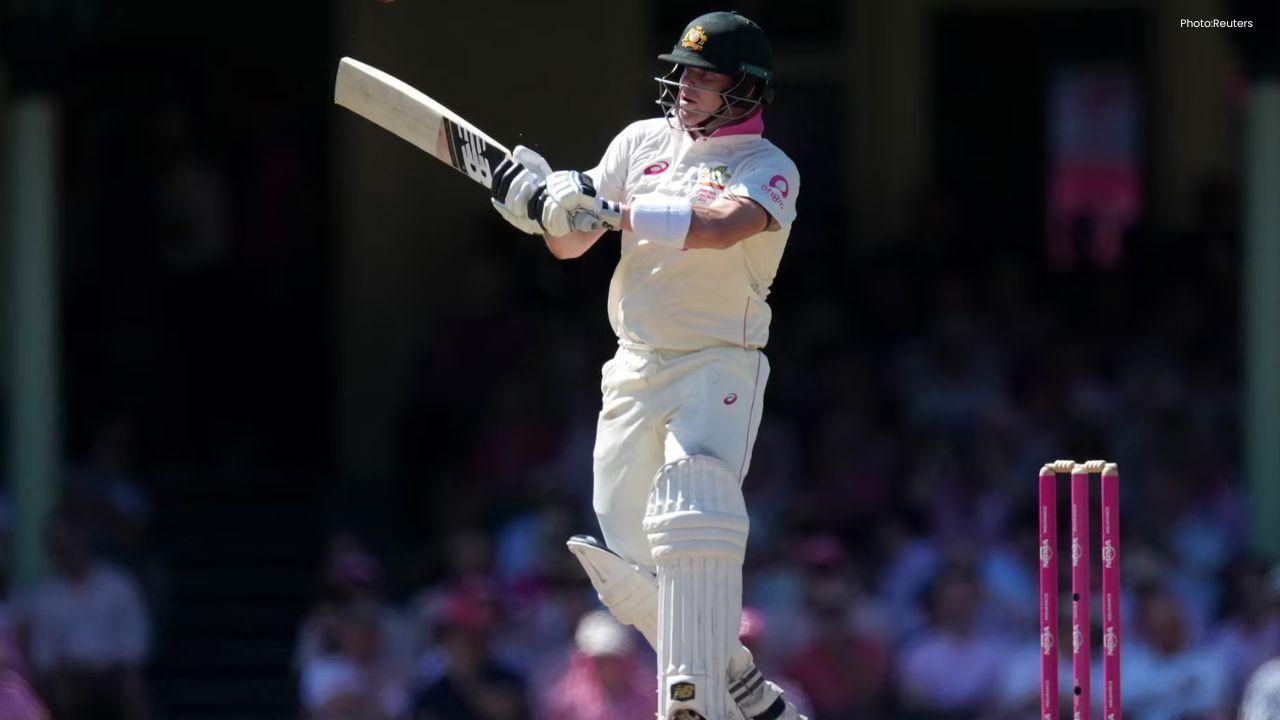
Australia 50/3 After Bangladesh Bowled Out for 64 in Second Test
Australia reached 50/3 after Bangladesh were bowled out for 64 in the second Test, with Mitchell Sta
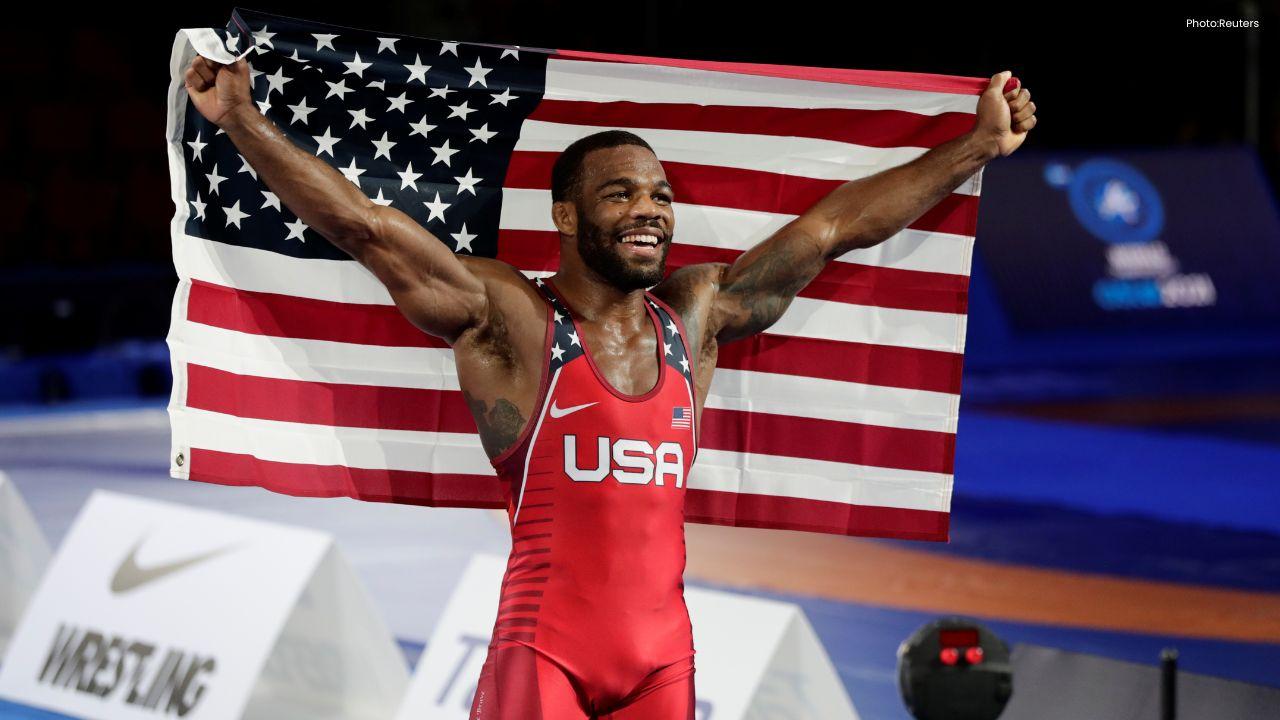
Jordan Burroughs Returns to Wrestling with 2028 Olympic Dream
Jordan Burroughs returns to wrestling with Real American Freestyle as the Olympic champion eyes a po