You have not yet added any article to your bookmarks!
Join 10k+ people to get notified about new posts, news and tips.
Do not worry we don't spam!

Post by : Rameen Ariff
South Korea’s central bank has addressed concerns over the weakening of the won and rising housing prices, stating that it would be an “overstatement” to attribute these issues solely to abundant liquidity in the domestic market. In a detailed report released on Tuesday, the Bank of Korea emphasized that other factors appear to have a more significant impact on exchange rates and property prices.
The central bank highlighted that increased overseas securities investments by South Korean residents and the practice of export companies holding foreign currency are influencing the value of the won more than domestic liquidity conditions. These dynamics, it noted, play a crucial role in the current economic landscape, affecting currency stability and market trends in the residential property sector.
Bank officials reassured the public and investors that liquidity levels in the local market remain manageable and are not the primary drivers of the observed fluctuations in the won or the housing market. Analysts suggest that while domestic liquidity can influence economic activity, external factors such as global investment flows and corporate currency strategies are increasingly shaping South Korea’s financial and real estate markets.
This explanation by the Bank of Korea comes amid heightened public and media scrutiny of the won’s depreciation and rapid price increases in urban housing. Economists are closely monitoring these trends, as South Korea seeks to balance economic growth with financial stability while navigating international financial pressures and domestic market conditions.
The central bank’s report underscores the complexity of factors affecting South Korea’s economy, highlighting that currency movements and property price changes are influenced by both internal policies and international financial behavior, making careful monitoring and strategic policy measures essential for sustaining long-term economic stability.








Josh Kerr and Jakob Ingebrigtsen Set for 1,500m Rivalry Rematch
Josh Kerr and Jakob Ingebrigtsen will renew their 1,500m rivalry at the Ultimate Championship in Bud

PSG Coach Luis Enrique Urges Players to Step Outside Comfort Zone
PSG coach Luis Enrique says players must leave their comfort zone and keep improving as the club tar

China’s Tiangong Sets New 400m Record at Robot Olympics
China’s Tiangong robot sets a new 400m record at the Robot Olympics, beating a South African robot i

George Russell Wins Dutch GP Sprint, Boosts Mercedes Morale
George Russell wins the Dutch GP Sprint from pole as Mercedes teammate Kimi Antonelli extends his F1
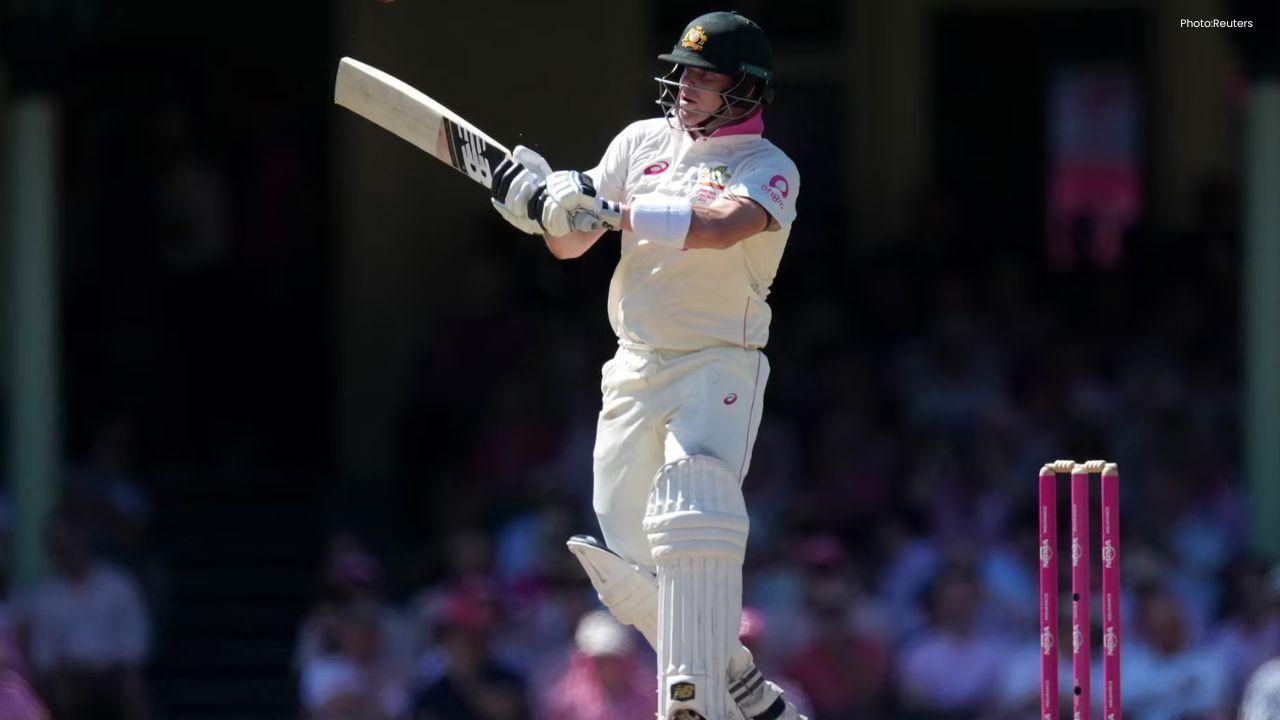
Australia 50/3 After Bangladesh Bowled Out for 64 in Second Test
Australia reached 50/3 after Bangladesh were bowled out for 64 in the second Test, with Mitchell Sta

Jordan Burroughs Returns to Wrestling with 2028 Olympic Dream
Jordan Burroughs returns to wrestling with Real American Freestyle as the Olympic champion eyes a po