You have not yet added any article to your bookmarks!
Join 10k+ people to get notified about new posts, news and tips.
Do not worry we don't spam!

Post by : Meena Ariff
South Korea’s special prosecution office has formally requested a 10-year prison sentence for former President Yoon Suk Yeol, marking a significant escalation in the legal proceedings against the ousted leader. This request is the first time that prosecutors have sought a jail term for Yoon since he stepped down from office, underscoring the gravity of the charges he faces. Among the allegations, the key charge involves attempted obstruction of his arrest following his controversial and unsuccessful bid to impose martial law during a politically volatile period.
Prosecutors allege that in January, Yoon Suk Yeol took extreme measures to block investigators from detaining him. According to the charges, Yoon barricaded himself inside the presidential compound to evade arrest, an action viewed as a deliberate attempt to impede the work of law enforcement and judicial authorities. This incident unfolded amid heightened political tensions in the country, fueled by Yoon’s contentious decision to try to impose martial law—a move widely criticized by political opponents and civil society alike as an authoritarian overreach.
The prosecution's demand for a decade-long prison sentence forms part of a comprehensive investigation encompassing multiple allegations against Yoon Suk Yeol. These charges reflect serious accusations that raise questions about the former president’s conduct while in office and the extent to which he may have undermined democratic norms and legal processes. The case highlights South Korea’s ongoing efforts to ensure that even the highest-ranking officials are held accountable under the law, reinforcing the principle of legal equality.
South Korea has a history of prosecuting former presidents, reflecting a political culture where public figures are subject to judicial scrutiny after their terms end. This latest case against Yoon is particularly significant, as it touches upon fundamental issues of governance, rule of law, and political accountability. Observers and analysts believe the outcome of this trial will send a strong message regarding the country’s commitment to democracy and transparency.
If found guilty, Yoon Suk Yeol could face a lengthy prison sentence, potentially changing the political landscape in South Korea. The special prosecution office’s move to seek a 10-year sentence indicates the seriousness with which they are pursuing justice in this case.
As the legal process continues, the nation watches closely, recognizing that the verdict will have far-reaching implications—not only for Yoon personally but also for the future conduct of political leaders and the robustness of South Korea’s democratic institutions.




Lamborghini Catches Fire on Singapore's ECP, Causing Heavy Traffic
A Lamborghini caught fire on Singapore's ECP, causing heavy traffic and bus delays. No injuries were

Bangkok Airport Duty-Free Area Flooded by Pipe Burst
A burst water pipe flooded the duty-free shopping area at Bangkok's Suvarnabhumi Airport on July 16,
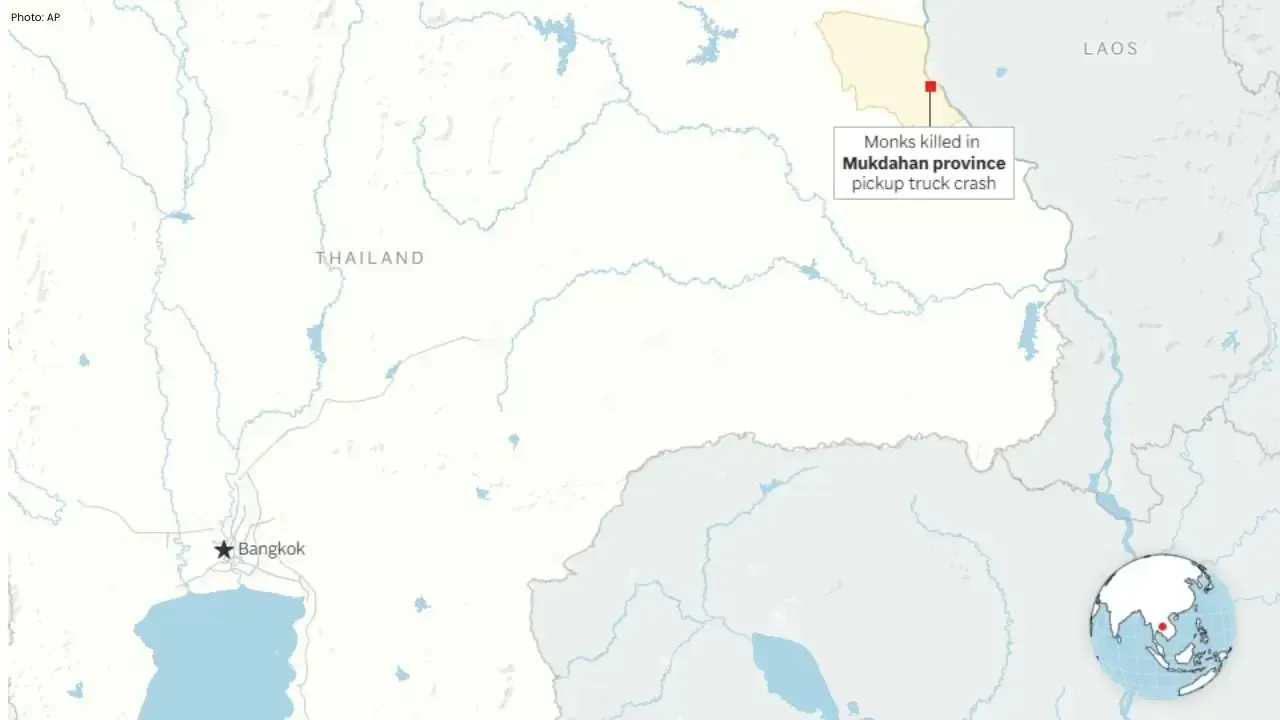
Nine Monks Killed in Thailand Pickup Truck Tragedy
An 11-year-old boy driving a pickup truck crashed into monks during a pilgrimage in northeastern Tha
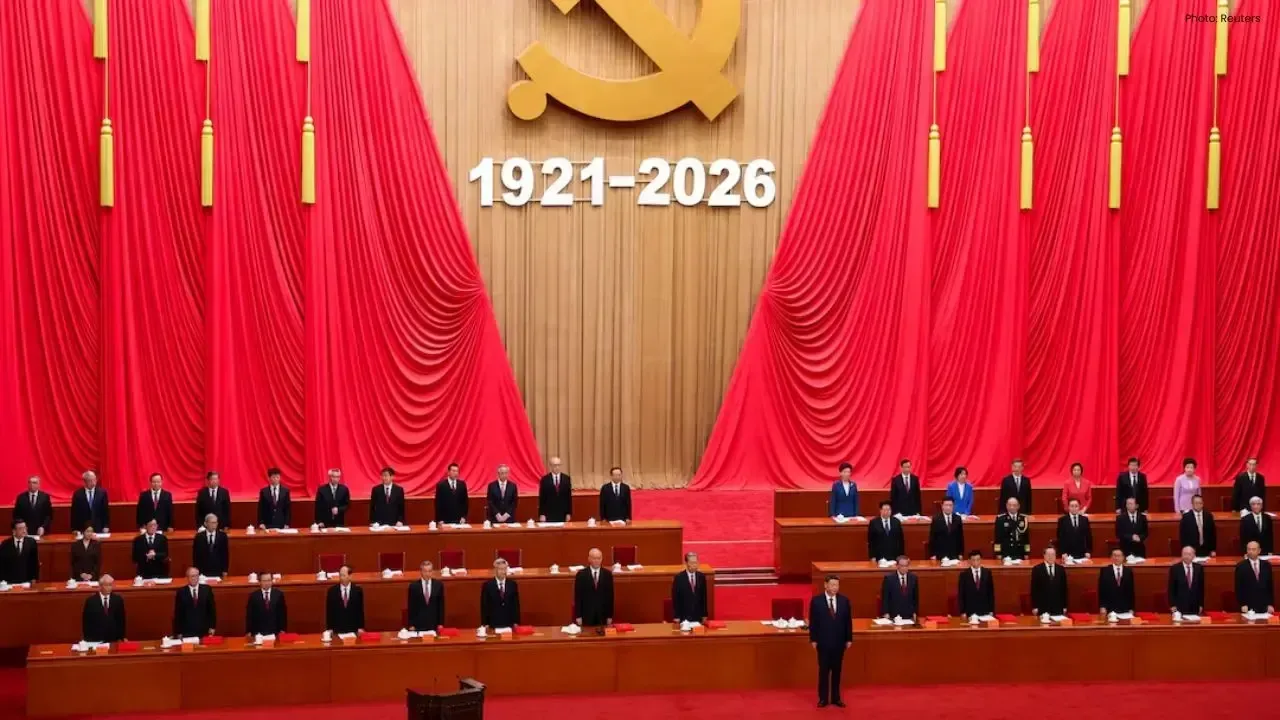
Anwar Congratulates Xi on CPC's 105th Anniversary
Malaysia reaffirms strong ties with China as PM Anwar Ibrahim sends a congratulatory letter to Presi
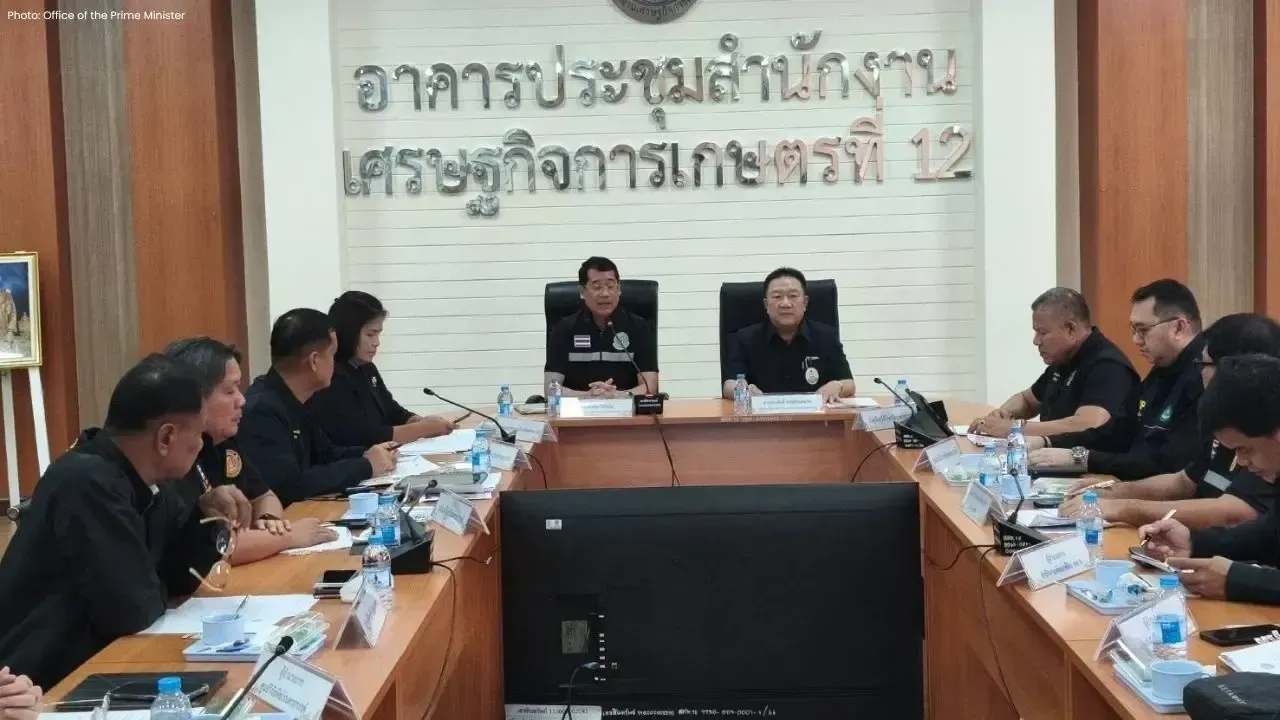
Thai Agriculture Team Reviews 2026 Farm Development Plans
Agriculture Ministry officials inspected livestock and organic rice projects in Nakhon Sawan to moni
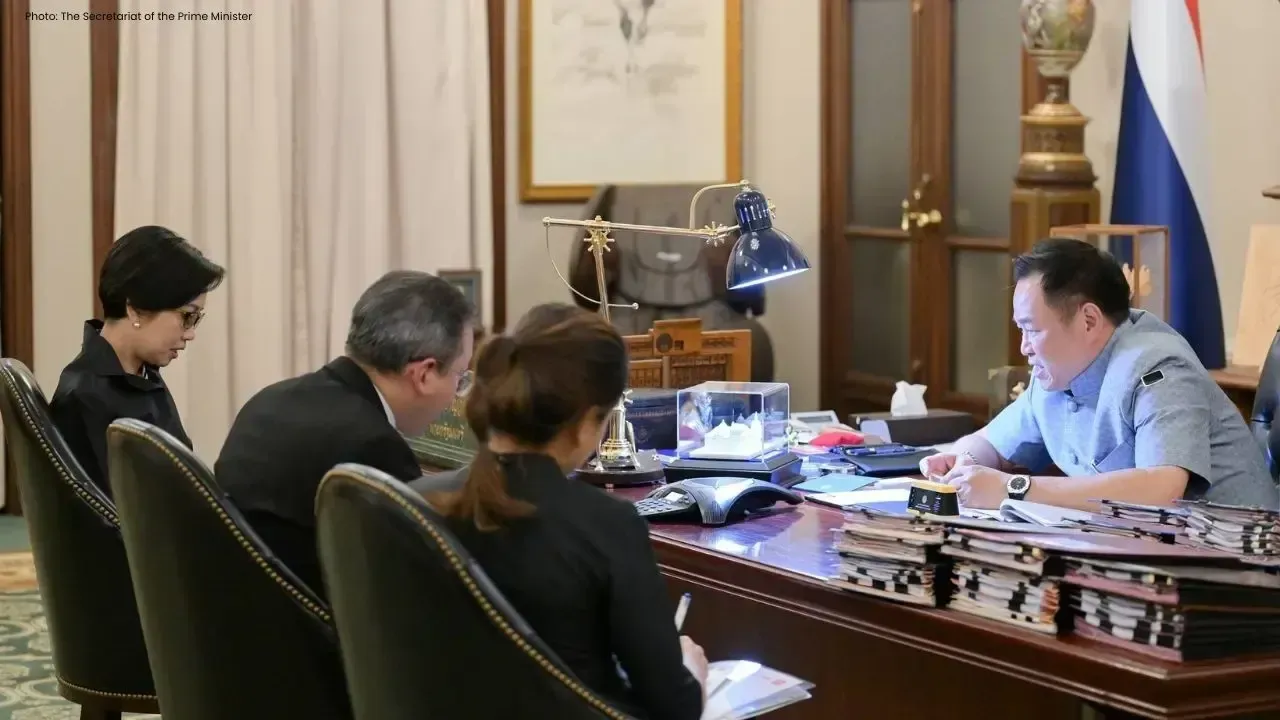
Thailand, Canada Boost Ties in PM-Level Phone Talks
Thailand and Canada agreed to strengthen trade, security, OECD cooperation and ASEAN-Canada FTA talk