You have not yet added any article to your bookmarks!
Join 10k+ people to get notified about new posts, news and tips.
Do not worry we don't spam!
Post by : Saif Rahman
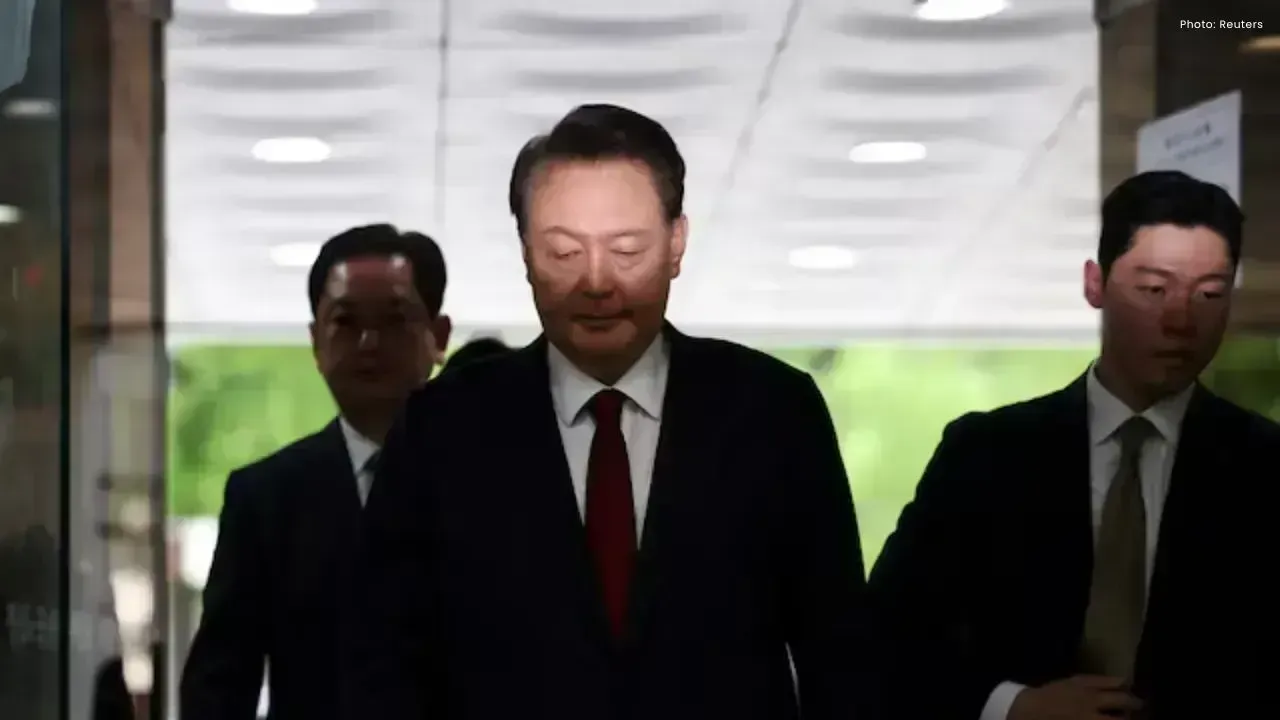
The political landscape in South Korea is once again volatile as prosecutors seek to overturn a recent court ruling affecting former President Yoon Suk Yeol. On Thursday, the special prosecution team announced that it has filed an appeal following the five-year prison sentence issued by the Seoul Central District Court for charges including obstructing law enforcement from carrying out an arrest during his controversial attempt to impose martial law.
The court deemed Yoon guilty, asserting that he interfered with the duties of law enforcement. Legal analysts note that under South Korean law, such actions could warrant up to ten years of imprisonment. Prosecutors argue that the imposed sentence fails to capture the gravity of Yoon's actions.
This case is intricately tied to Yoon's disputed efforts to assert martial law while in office, which critics claim lacked justification and sparked significant public outcry concerning the integrity of democracy and constitutional rights. The failed attempt led to thorough investigations into Yoon's actions both during and after the incident.
Prosecutors contend that Yoon exploited his authority to hinder law enforcement's efforts to apprehend him after investigations commenced. They argue that such actions diminished public confidence and set a concerning precedent, particularly as it involved a sitting president. It has been emphasized that leaders must be subjected to the same laws as all citizens, and any attempts to evade legal consequences should be met with strict measures.
In tandem with the appeal, a South Korean court is scheduled to evaluate a request from prosecutors for a detention warrant concerning Yoon. The upcoming hearing will determine if he should be kept in custody during the appeal process, with judges tasked with reviewing evidence to decide on the necessity of his detention to maintain legal integrity.
Reactions from the public have been divided. Some view the court’s decision as a testament to the principle that no one is above the law, including former leaders. Others argue the sentence is too lenient considering the seriousness of obstructing justice and jeopardizing democratic structures. The appeal has reignited national discussions regarding justice, accountability, and adherence to the rule of law.
South Korea has historically held its past leaders accountable legally, often igniting strong emotions and political strife. However, many experts contend these proceedings illustrate the resilience of the country's democratic framework. The forthcoming decision from the appellate court will be scrutinized closely, as it could establish significant precedents for future cases involving high-ranking officials.
As legal developments unfold, the nation anticipates the eventual ruling. Regardless of whether the sentence is modified or confirmed, the outcome will resonate profoundly within South Korea's judicial framework and its democratic commitments. The situation surrounding former President Yoon Suk Yeol serves as a stark reminder that even the most powerful figures are subject to the law.






George Russell Wins Dutch GP Sprint, Boosts Mercedes Morale
George Russell wins the Dutch GP Sprint from pole as Mercedes teammate Kimi Antonelli extends his F1

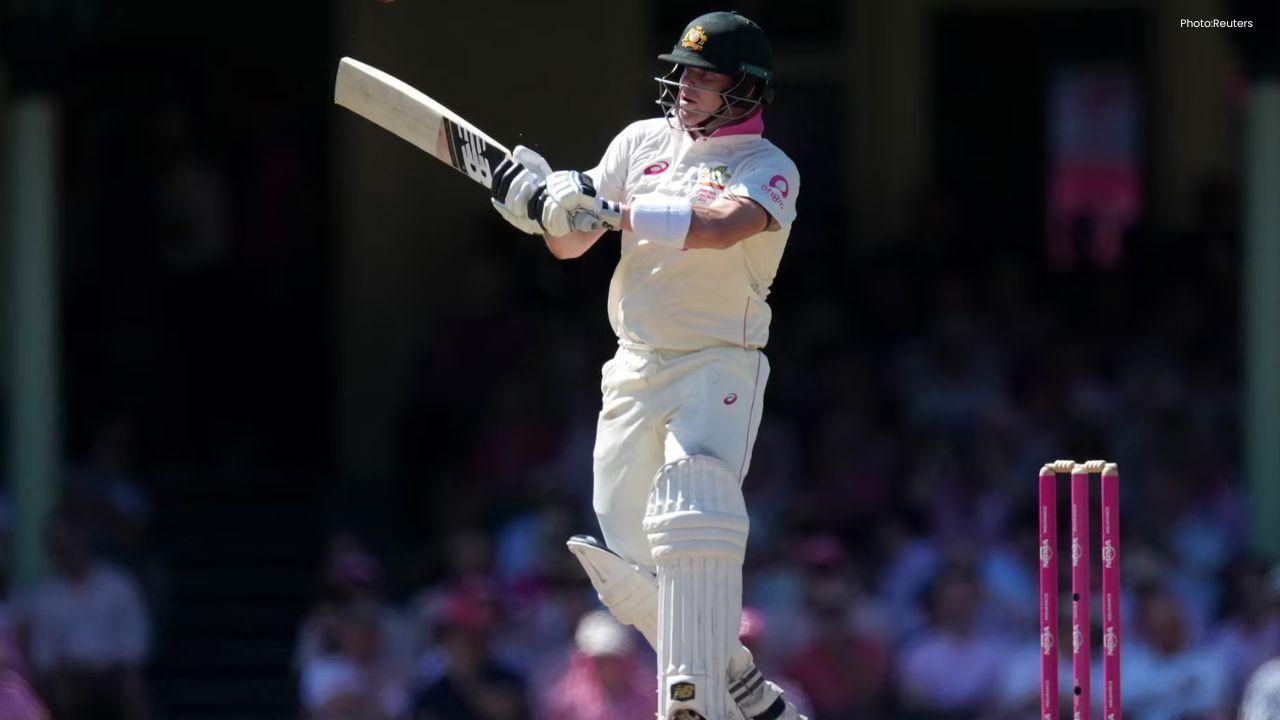
Australia 50/3 After Bangladesh Bowled Out for 64 in Second Test
Australia reached 50/3 after Bangladesh were bowled out for 64 in the second Test, with Mitchell Sta

Jordan Burroughs Returns to Wrestling with 2028 Olympic Dream
Jordan Burroughs returns to wrestling with Real American Freestyle as the Olympic champion eyes a po
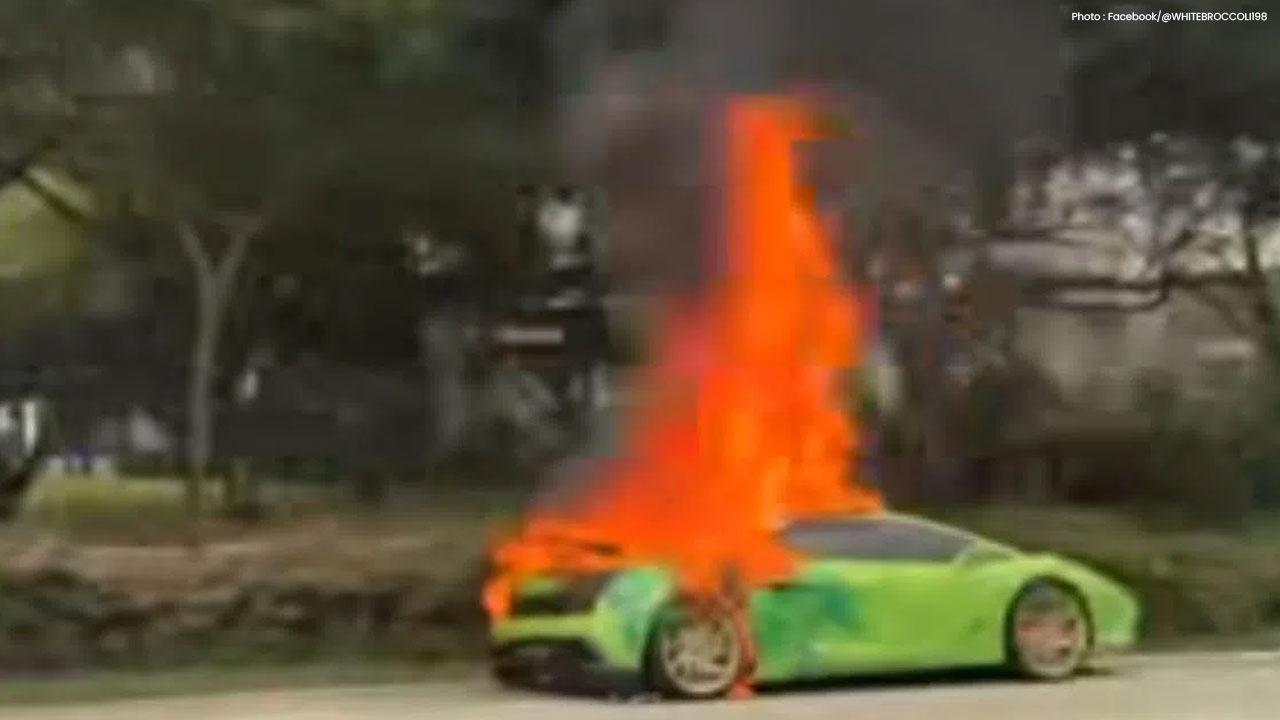
Lamborghini Catches Fire on Singapore's ECP, Causing Heavy Traffic
A Lamborghini caught fire on Singapore's ECP, causing heavy traffic and bus delays. No injuries were

Bangkok Airport Duty-Free Area Flooded by Pipe Burst
A burst water pipe flooded the duty-free shopping area at Bangkok's Suvarnabhumi Airport on July 16,
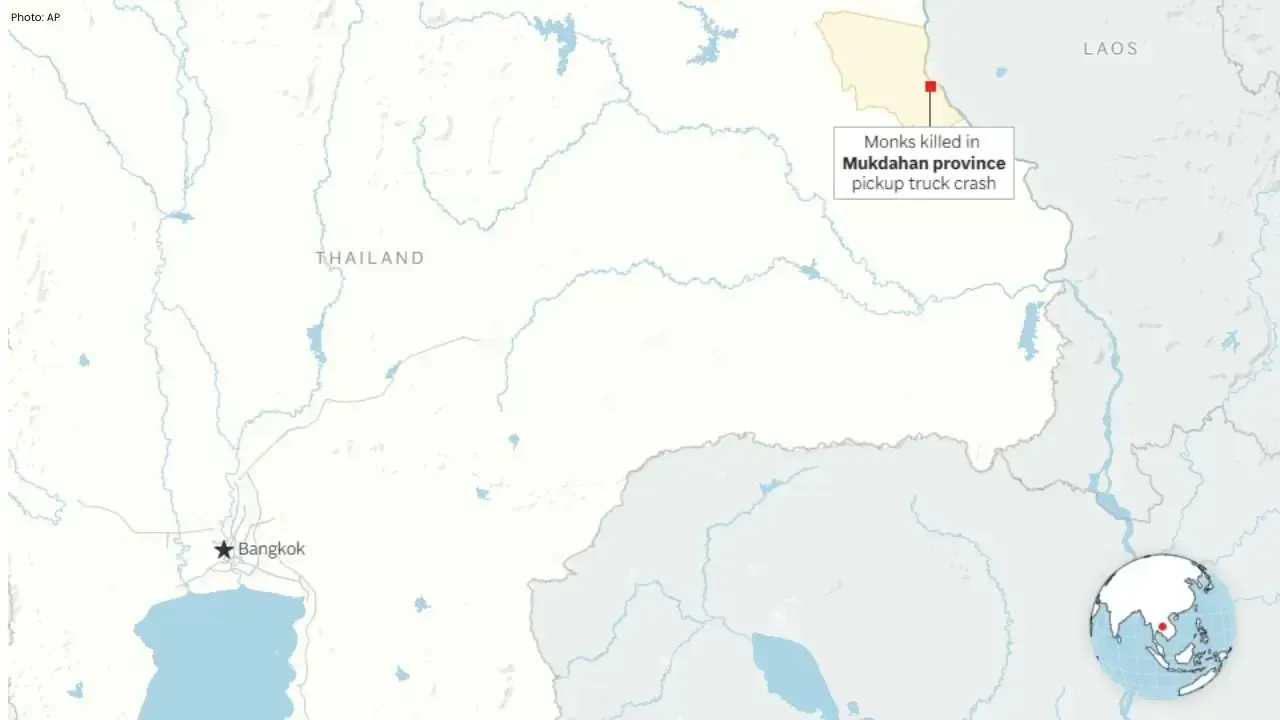
Nine Monks Killed in Thailand Pickup Truck Tragedy
An 11-year-old boy driving a pickup truck crashed into monks during a pilgrimage in northeastern Tha