You have not yet added any article to your bookmarks!
Join 10k+ people to get notified about new posts, news and tips.
Do not worry we don't spam!
Post by : Rameen Ariff
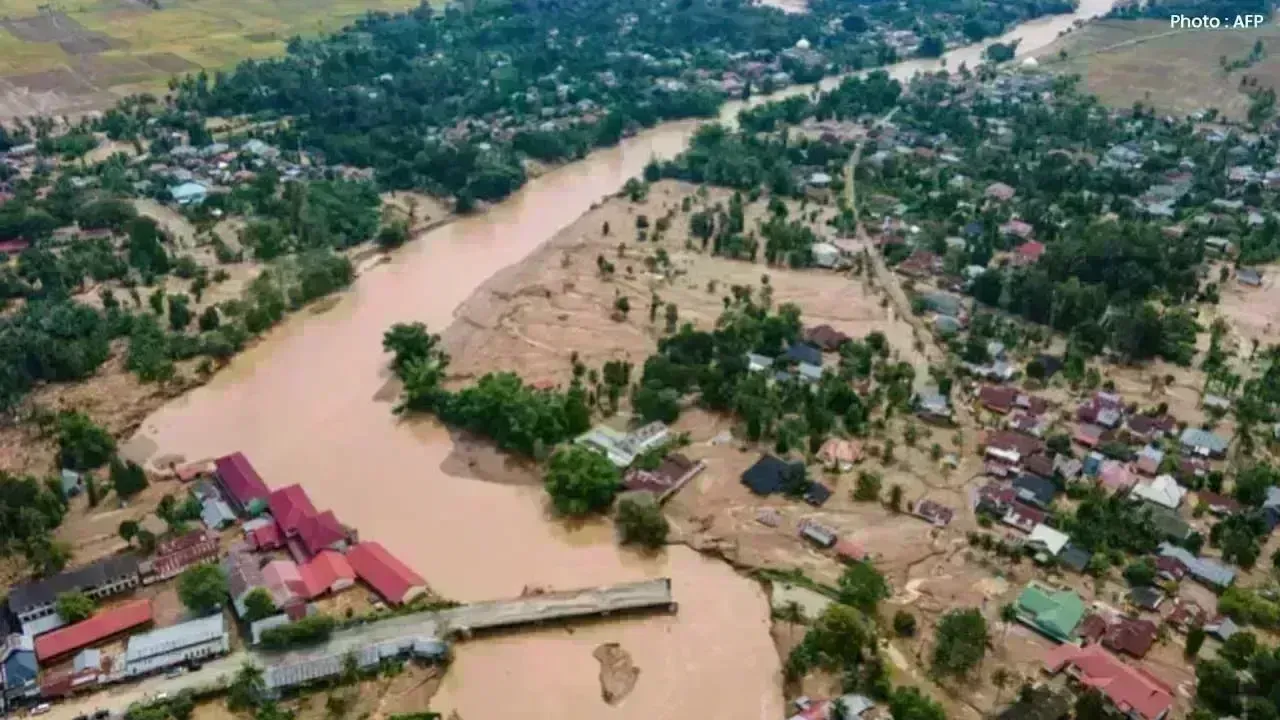
Sri Lanka is facing one of its most devastating floods in recent decades, with the death toll rising to 69 and 34 people still reported missing. The severe weather has caused widespread destruction, leaving thousands of homes damaged and forcing thousands to seek temporary shelter.
Troops, helicopters, and navy boats have been deployed across the country to rescue people trapped by rapidly rising waters. Residents have been plucked from rooftops, trees, and villages cut off by relentless floods and mudslides. The Disaster Management Centre (DMC) reported that many victims in the central region were buried alive as mudslides swept through this week, highlighting the intensity of the disaster.
Rainfall has been exceptionally heavy, with some areas receiving up to 360 millimetres in just 24 hours. The Kelani River, which flows into the Indian Ocean near the capital Colombo, breached its banks, further worsening the flooding. Local residents described the situation as unprecedented. V. S. A. Ratnayake, 56, from Kaduwela near Colombo, said, "I think this could be the worst flood in our area for three decades. I remember a flood in the 1990s when my house was under seven feet of water."
Thousands of homes have been affected, with over 18,000 people relocated to temporary shelters. In the northern Anuradhapura district, an Air Force helicopter airlifted a man who climbed a coconut tree to escape the surging waters.
Authorities have warned that more rain is expected in the coming days as Cyclone Ditwah moves from Sri Lanka’s north toward the south of India. The DMC cautioned that flood levels may surpass those seen in 2016, when 71 people lost their lives nationwide.
Indian Prime Minister Narendra Modi expressed condolences to the families of the victims and assured that New Delhi was sending urgent aid. "We stand ready to provide more aid and assistance as the situation evolves," he said.
The floods have also affected tourists visiting the tea-growing central regions, many of whom were evacuated to Colombo for safety. Sri Lanka relies on monsoon rains for hydroelectricity and irrigation, but experts warn that climate change is increasing the frequency and severity of such floods.
This week’s floods mark the highest weather-related toll in the country since June last year, when heavy rains killed 26 people. Comparatively, the worst flooding in the country since the turn of the century occurred in June 2003, claiming 254 lives.
As rescue operations continue, authorities are urging residents to remain vigilant and cooperate with relief efforts. The government, military, and disaster management teams are working tirelessly to save lives and prevent further damage.






Lamborghini Catches Fire on Singapore's ECP, Causing Heavy Traffic
A Lamborghini caught fire on Singapore's ECP, causing heavy traffic and bus delays. No injuries were

Bangkok Airport Duty-Free Area Flooded by Pipe Burst
A burst water pipe flooded the duty-free shopping area at Bangkok's Suvarnabhumi Airport on July 16,
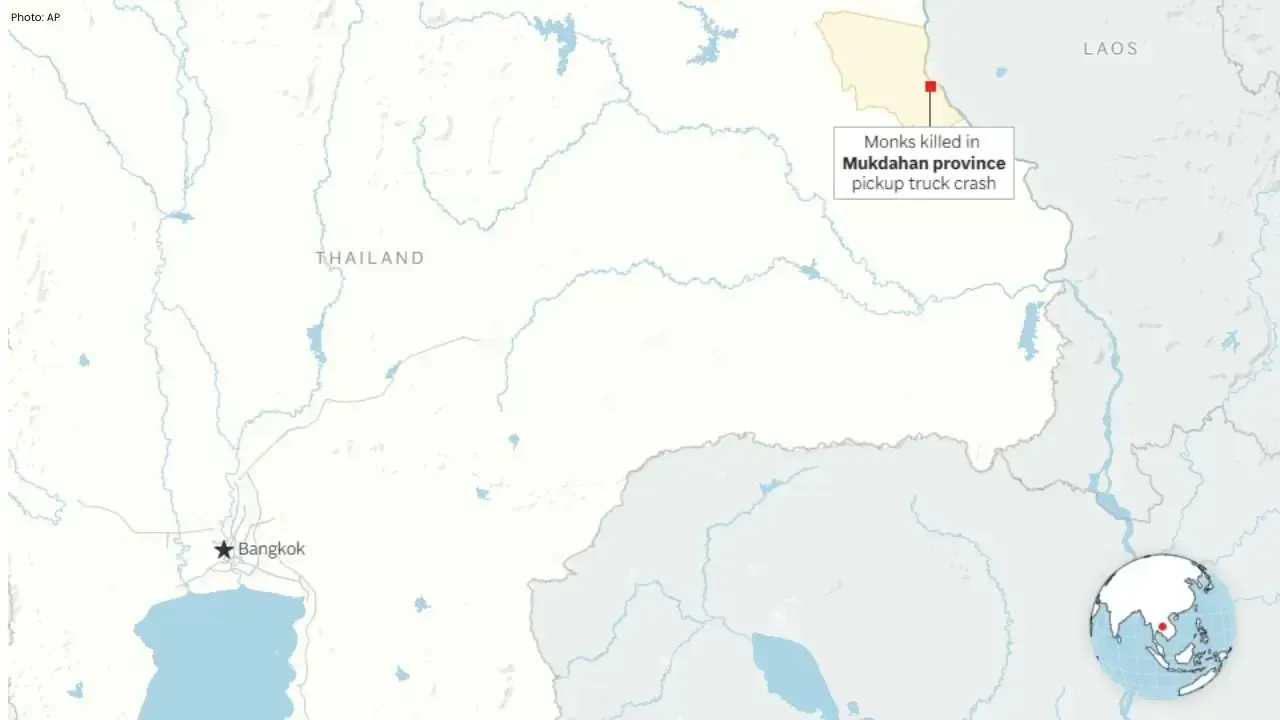
Nine Monks Killed in Thailand Pickup Truck Tragedy
An 11-year-old boy driving a pickup truck crashed into monks during a pilgrimage in northeastern Tha

Anwar Congratulates Xi on CPC's 105th Anniversary
Malaysia reaffirms strong ties with China as PM Anwar Ibrahim sends a congratulatory letter to Presi
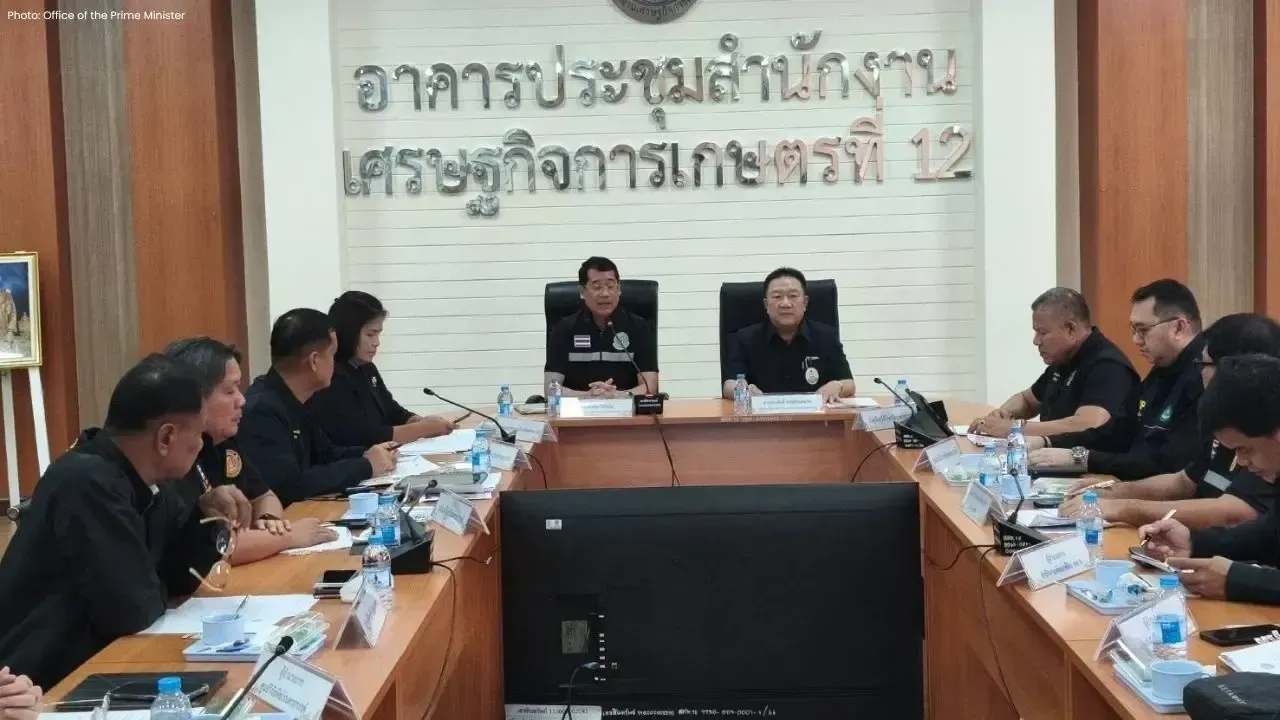
Thai Agriculture Team Reviews 2026 Farm Development Plans
Agriculture Ministry officials inspected livestock and organic rice projects in Nakhon Sawan to moni

Thailand, Canada Boost Ties in PM-Level Phone Talks
Thailand and Canada agreed to strengthen trade, security, OECD cooperation and ASEAN-Canada FTA talk