
You have not yet added any article to your bookmarks!
Join 10k+ people to get notified about new posts, news and tips.
Do not worry we don't spam!
Post by : Badri Ariffin
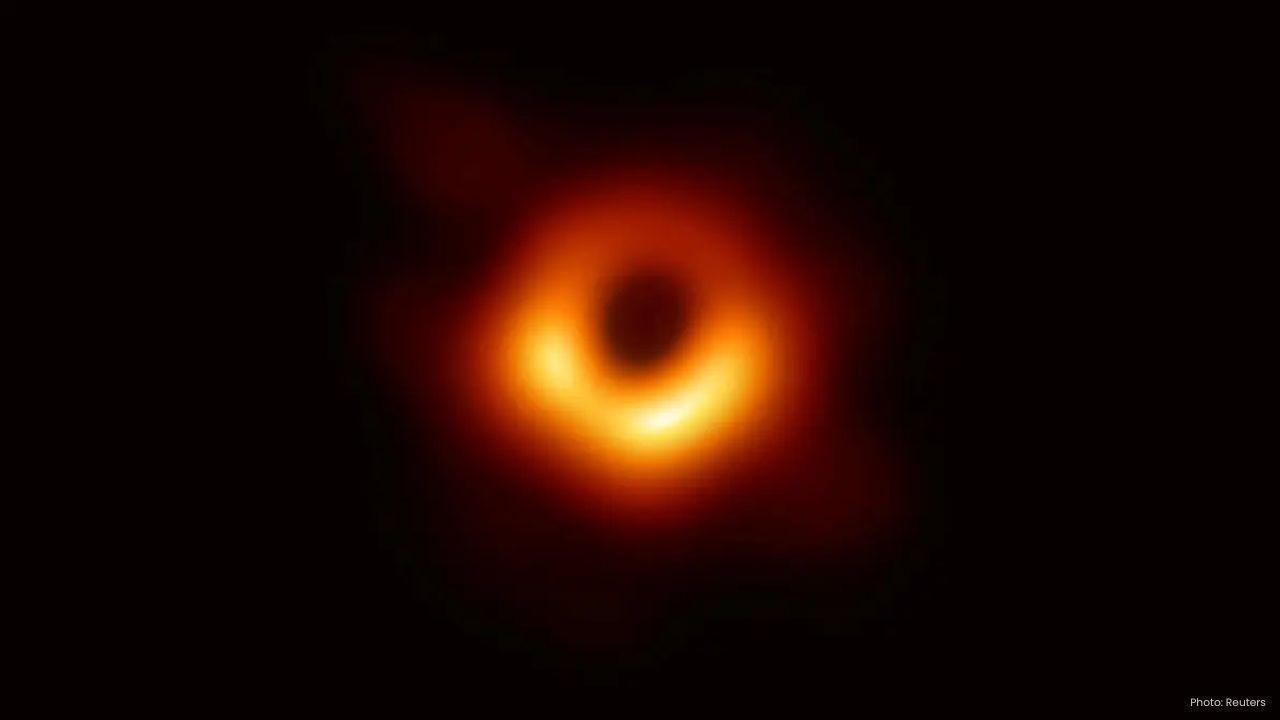
Bengaluru: A groundbreaking study by astronomers at the Indian Institute of Astrophysics (IIA) has revealed how supermassive black holes located in the centers of galaxies can significantly inhibit the formation of new stars, transforming our understanding of galaxy development.
The roots of IIA trace back to an observatory established in 1786 in Madras, later relocated to Kodaikanal in 1899, making it a pioneer in India’s astronomical research. Through the use of advanced observational techniques, the institute has provided insights into one of the universe’s most enigmatic processes.
The study focuses on active galactic nuclei (AGN) — highly energetic cores of galaxies that are fueled by matter falling into supermassive black holes, which can be millions of times heavier than the Sun. These areas emit substantial radiation and often produce high-speed jets that can significantly alter their environments.
Co-author Professor C S Stalin emphasized that innovative instrumentation such as integral field spectroscopy has made this research feasible. “These advanced tools enable us to examine regions at exceptionally small scales that traditional imaging could not address, allowing us to investigate the intricate relationship between AGN and their host galaxies,” he noted.
The research team analyzed a subset of 538 AGN, integrating optical data from the Sloan Digital Sky Survey (SDSS) with radio observations from the Very Large Array (VLA). This multifaceted approach unveiled distinct patterns: the radiation and jets produced by black holes can instigate powerful gas outflows, depriving galactic centers of the materials essential for star formation.
Lead researcher Payel Nandi highlighted the extensive nature of this study. “Previous research was often limited to individual galaxies or small samples. By examining hundreds of AGN in a systematic manner, we revealed strong correlations between black hole activity, gas outflows, and the suppression of star birth,” she stated.
Findings indicate that high-speed gas outflows are over twice as prevalent in galaxies exhibiting observable radio emissions (56%) compared to those without (25%). This suggests that black hole-driven feedback is a vital factor in controlling the growth and evolution of galaxies.
“This research provides a more comprehensive view of why certain galaxies cease star formation while others flourish,” Nandi added. The study also underscores the value of utilizing data across multiple wavelengths to fully comprehend the factors shaping galaxies.









Michael Bracewell Chooses Casual Contract, Targets BBL Opportunity
Michael Bracewell moves to a casual contract as he eyes a BBL opportunity while remaining available

Tuchel Says Alex Scott Can Challenge Declan Rice for England Midfield Spot
Thomas Tuchel says Alex Scott can challenge Declan Rice for an England midfield place after his impr

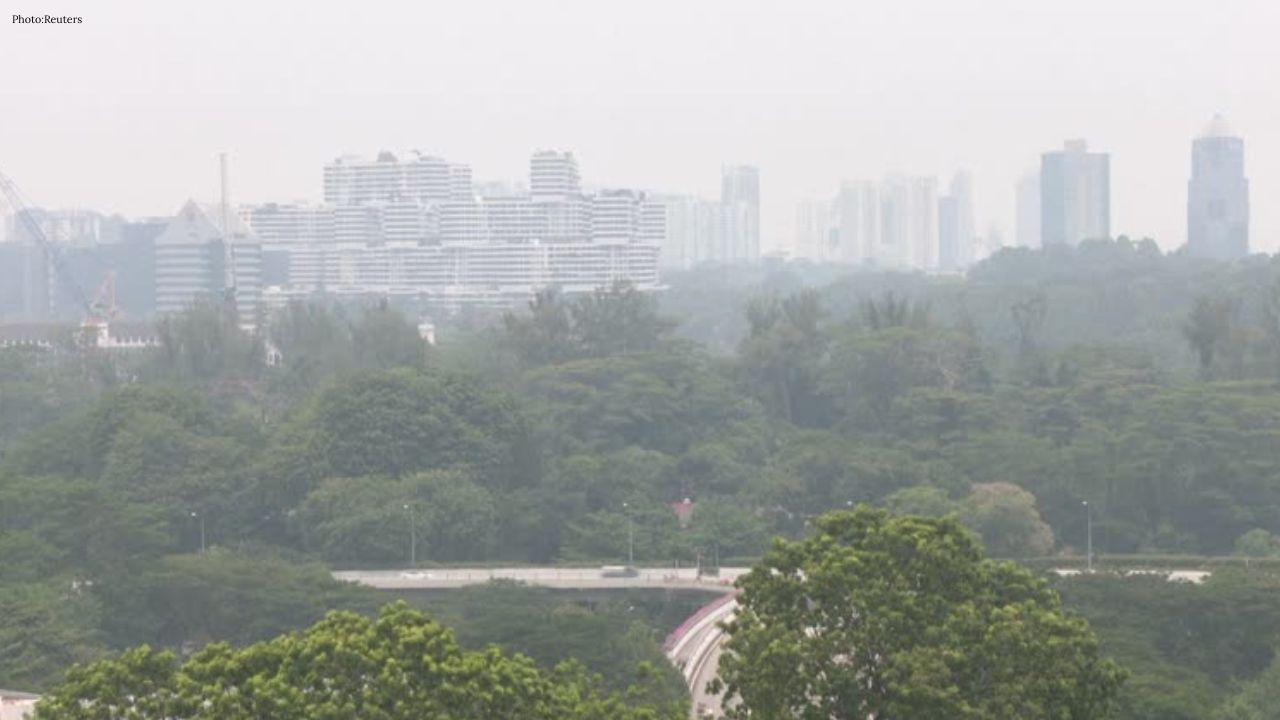
Air Quality Turns Unhealthy in Central and Western Singapore Amid Haze
Singapore haze pushes PSI above 100 in central and western areas as smoke from regional hotspots rai

PM Modi Pays Tribute to Mahatma Gandhi, Urges People to Support Khadi
PM Modi pays tribute to Mahatma Gandhi on Gandhi Jayanti and urges citizens to support Khadi and the

Amazon Seeks to Offload $8 Billion in Nvidia Chips to Investors
Amazon plans to move $8 billion in Nvidia chips to investors, using a new financing model to strengt

Samsung Raises Galaxy S26 Prices as Memory Chip Costs Rise
Samsung raises Galaxy S26 prices in South Korea as rising memory chip costs put pressure on smartpho

