You have not yet added any article to your bookmarks!
Join 10k+ people to get notified about new posts, news and tips.
Do not worry we don't spam!
Post by : Anis Farhan
Food trends usually arrive quietly, grow steadily, and then explode into mainstream consciousness. The swicy flavor trend has taken a different route — loud, fast, and impossible to miss. From hot honey drizzled on fried chicken to chili-infused chocolate bars and spicy mango snacks flooding social media, swicy has become one of the most searched and talked-about food flavor profiles right now.
The word itself is a blend of sweet and spicy, but the concept is anything but new. Cultures across the world have paired heat and sweetness for centuries. What makes swicy different in 2026 is how intentionally it is being branded, marketed, and scaled — especially in fast food, packaged goods, and digital food culture.
The real question is not whether swicy is popular, but whether it is the next defining culinary trend or simply a viral phase riding social media hype.
Swicy refers to foods that balance sugar-based sweetness with capsaicin-driven heat. The contrast is the key: sweetness softens the burn, while spice sharpens the flavor, creating a layered sensory experience.
Common swicy combinations include:
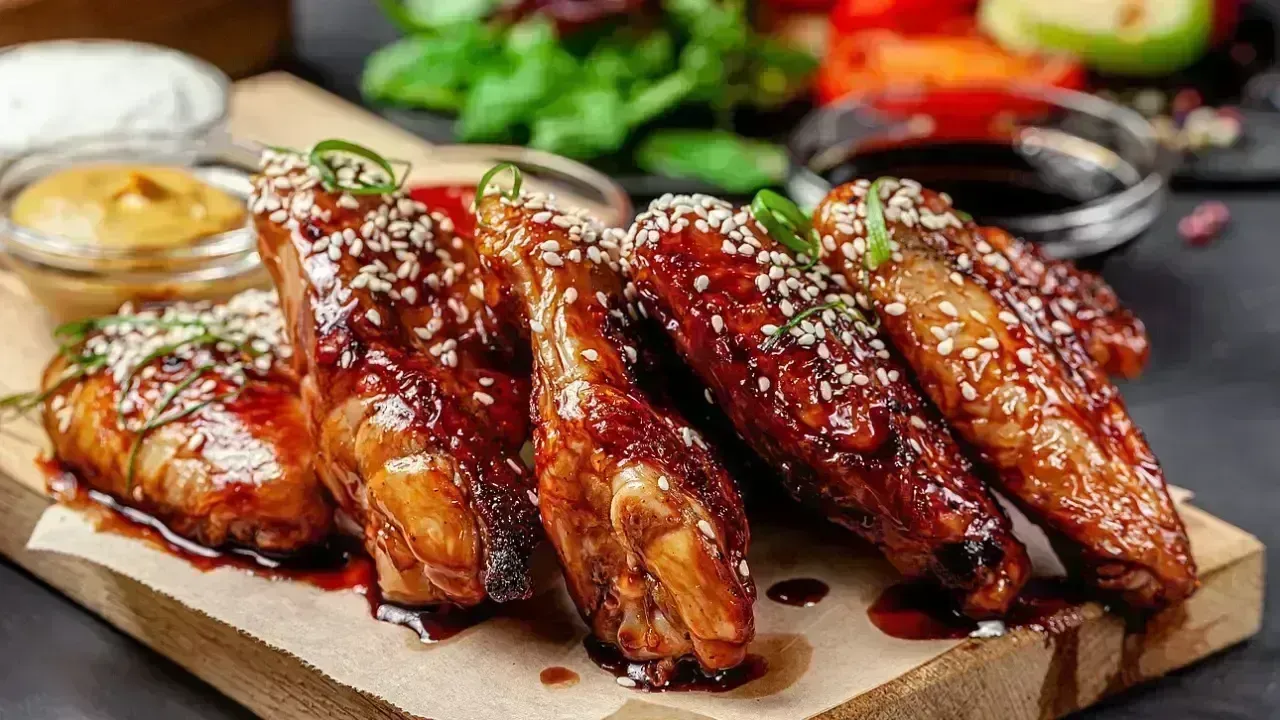
Hot honey and fried foods
Chili and chocolate
Sweet chili sauces
Spicy fruit snacks
Sugar-glazed dishes with heat-forward sauces
Unlike purely spicy foods that focus on intensity, swicy aims for pleasure, balance, and repeatability.
Global taste preferences are evolving rapidly. Consumers are no longer satisfied with one-dimensional flavors. They want contrast, complexity, and surprise. Swicy delivers all three.
Search behavior shows people actively looking for:
“Sweet and spicy snacks”
“Hot honey recipes”
“Spicy dessert ideas”
This curiosity reflects a broader shift toward adventurous but approachable eating.
Platforms like short-form video apps and food-focused content hubs thrive on reaction-based eating. Swicy foods are perfect for this environment:
The sweetness invites a bite
The spice triggers a reaction
The balance encourages another taste
Food creators often film first bites, facial expressions, and exaggerated reactions — all of which perform exceptionally well online.
This has turned swicy from a flavor into a content engine.
For restaurants, swicy is a low-risk innovation. It does not require unfamiliar ingredients — just a remix of existing ones.
Examples of swicy menu strategies include:
Adding hot honey to existing fried items
Introducing sweet chili glazes
Launching limited-time swicy sauces
Because sweetness tempers spice, these items appeal to a wider audience than traditional spicy foods.
Packaged food brands have embraced swicy faster than any other sector. Shelves are filling with:
Sweet chili chips
Spicy fruit gummies
Chili-infused chocolate
Hot honey bottles
Sweet-spicy nut mixes
These products benefit from:
Strong shelf appeal
Clear flavor messaging
Easy sampling
Once consumers try one swicy product, they are more likely to seek others — creating a flavor ecosystem.
From a neurological standpoint, swicy flavors activate multiple pleasure pathways at once:
Sweetness triggers dopamine release
Spice releases endorphins
The contrast keeps the brain engaged
This combination creates what food scientists often describe as “controlled stimulation” — exciting, but not overwhelming.
That is why swicy foods are often described as addictive in a positive sense.
While “swicy” is a modern label, the flavor pairing is ancient:
Southeast Asian cuisines pair sugar and chili regularly
Latin American snacks combine fruit, salt, and spice
East Asian sauces often balance heat with sweetness
Middle Eastern dishes use honey and spice together
What is new is the Western branding and mass commercialization of the concept.
One of the most unexpected developments is the rise of swicy desserts. Searches for spicy desserts have surged, especially among younger audiences.
Popular examples include:
Chili chocolate brownies
Spicy caramel sauces
Hot honey ice cream
Pepper-infused pastries
Desserts were once considered off-limits for heat, but swicy has rewritten those rules.
Although still niche, swicy beverages are emerging:
Spicy margaritas with fruit syrups
Chili-infused sodas
Sweet-spicy mocktails
Mango-chili smoothies
These drinks rely on controlled spice levels, ensuring refreshment rather than discomfort.
It is true that younger consumers are driving swicy’s visibility. They:
Seek novelty
Share food experiences online
Enjoy bold sensory contrasts
However, swicy’s appeal goes beyond age. Its customizable heat level allows it to adapt across demographics, making it more sustainable than extreme spice trends.
Spice is often associated with:
Metabolism support
Reduced sugar reliance
Appetite regulation
When combined with natural sweeteners like honey or fruit, swicy foods are sometimes perceived as more balanced than purely sugary snacks.
This perception — whether scientifically accurate or not — boosts consumer confidence.
Swicy offers brands several advantages:
A catchy, memorable name
Clear flavor positioning
Cross-category versatility
Viral-friendly storytelling
It also allows brands to refresh existing products rather than invent entirely new ones.
One risk is overdoing the spice. When heat overwhelms sweetness, products lose mass appeal.
Brands that fail with swicy often:
Focus on shock value
Ignore balance
Misjudge spice tolerance
The success of swicy depends on precision, not intensity.
Several indicators suggest swicy is more than a short-lived trend:
Adoption across multiple food categories
Integration into mainstream menus
Global cultural compatibility
Strong consumer repeat interest
Unlike novelty flavors, swicy fits naturally into everyday eating.
Past spicy trends focused on:
Heat challenges
Shock consumption
Short-term virality
Swicy, by contrast, focuses on enjoyment and balance, making it more likely to stick.
Expect future swicy products to explore:
Regional chili varieties
Natural sweeteners
Fermented heat sources
Layered spice profiles
Swicy will likely mature from novelty into culinary craftsmanship.
People are searching for:
“Hot honey recipe”
“Sweet spicy sauce at home”
“Chili chocolate DIY”
This indicates that swicy is not just being consumed — it is being recreated.
Swicy reflects how modern consumers think:
They want contrast
They reject extremes
They value experience
In many ways, swicy mirrors modern lifestyle preferences — bold but balanced, exciting but comforting.
The rise of the swicy flavor is not accidental. It sits at the intersection of psychology, culture, marketing, and evolving taste preferences. Its success lies in balance — not just between sweet and spicy, but between novelty and familiarity.
Swicy is approachable, adaptable, and emotionally engaging. Whether in a restaurant dish, a packaged snack, or a home-cooked experiment, it offers something people crave right now: flavor with feeling.
So, is swicy the next big culinary trend? All signs suggest it already is — and it may be here to stay.
This article is an analytical exploration of emerging culinary trends based on observed consumer behavior, food industry patterns, and search interest. It is intended for informational purposes only.










Danaher to Launch AI-Powered Autonomous Research Lab in 2027
Danaher plans an AI research lab for 2027, combining robotics and automation to speed up drug discov

Musk Welcomes German Support for Tesla Driver Assistance Tech as EU Approval Push Continues
Elon Musk welcomes Germany's backing for Tesla FSD as the company seeks EU approval amid speed, safe

Microsoft and Nvidia CEOs to Unveil AI Laptop at San Francisco Event
Microsoft and Nvidia showcase a new AI laptop with RTX Spark chips as they push powerful local AI co

Man to face charges over perfume thefts at Changi Airport
A 47-year-old man faces charges over perfume theft at Changi Airport after six items worth nearly S$

Google Signs 3.6-GW Power Deal With Constellation Energy in US
Google signs a 3.6-GW power deal with Constellation Energy, including nuclear power upgrades to supp

Harmanpreet Kaur Steps Down as India Captain Across All Formats
Harmanpreet Kaur steps down as India captain across all formats after a remarkable leadership journe