
You have not yet added any article to your bookmarks!
Join 10k+ people to get notified about new posts, news and tips.
Do not worry we don't spam!
Post by : Samjeet Ariff
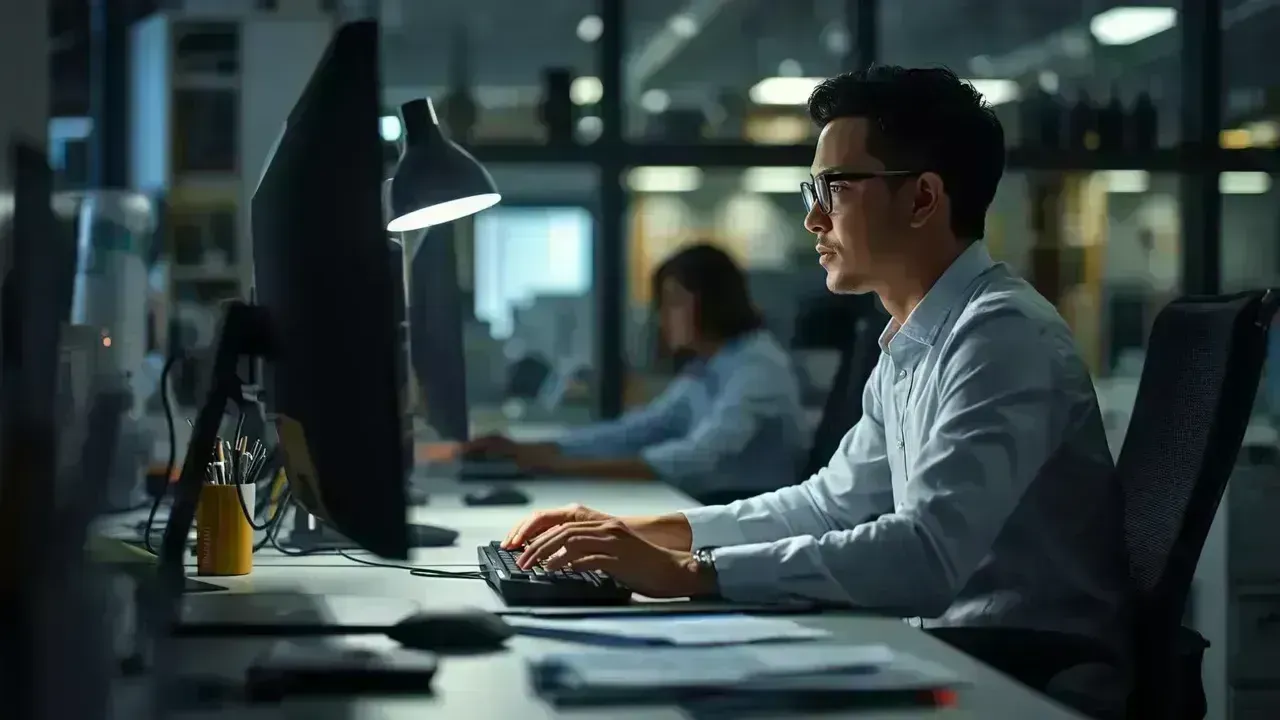
Extended sitting has become a common aspect of daily life, particularly among office workers, remote employees, students, and those engaged in screen-centric activities. While sitting doesn’t inherently pose health risks, continuous hours spent sitting for extended periods can adversely influence both physical and mental wellness. These adverse effects stealthily accumulate, often becoming evident only as discomfort transforms into chronic health challenges.
Technological advancements, structured office jobs, remote working environments, internet entertainment, and reduced physical activities have dramatically increased the time we spend seated each day. Many individuals find themselves sitting for eight to twelve hours daily at their desks, while commuting, and during leisure time at home. Even those who maintain a regular exercise regimen may still face health risks if large portions of their day are spent sitting.
Prolonged sitting exerts continuous pressure on the spinal column, particularly affecting the lower back and neck. Poor postural habits, such as slumping or leaning, place undue strain on spinal muscles and discs. Over time, these factors may lead to chronic neck stiffness, back pain, rounded shoulders, and diminished spinal flexibility, exacerbated by weak core muscles.
Extended sitting slows circulation, particularly in the lower extremities. This condition may result in leg and foot swelling and escalate the likelihood of developing varicose veins. Ineffective circulation limits oxygen transport to muscles and organ systems, contributing to overall fatigue and discomfort.
Sitting for extended periods curtails calorie expenditure. Even with unchanged dietary habits, reduced mobility leads to a dip in metabolic rates, which can increase weight gain risks. Fat accumulation, especially around the midsection, can heighten the probability of lifestyle-related health issues.
Lengthy periods of sitting are linked with elevated blood pressure, unhealthy cholesterol concentrations, and poor glycemic control, all of which raise the risk of cardiovascular diseases over time—even in individuals who seem to maintain a healthy weight.
Inactivity leads to muscle weakening. Tightening of hip flexors, weakening glute muscles, and decreasing joint mobility can disrupt walking patterns and overall physical strength, raising the risk of injuries.
Long sitting periods can impede digestion, triggering bloating, acidity, and constipation. Improper posture may compress abdominal organs, hindering normal digestive function.
Widespread sedentary lifestyles have been associated with higher levels of stress. Limited physical movement restricts the release of mood-enhancing brain chemicals, making it increasingly difficult to manage stress.
Extended sitting can reduce cerebral blood flow, leading to mental fatigue and diminished concentration. Individuals often report experiencing brain fog and reduced productivity during prolonged desk work.
Inactive lifestyles have been linked to increased instances of anxiety and depressive symptoms. Spending extensive periods seated limits opportunities for movement and interaction with diverse environments, both of which are essential for emotional balance.
Prolonged daytime sitting diminishes physical fatigue, making it challenging to achieve restful sleep at night. Poor sleep quality may further hamper mental health, resulting in a vicious cycle of weariness and diminished motivation.
Though extended sitting might seem conducive to productivity, it often results in reduced efficiency. Physical discomfort, stiffness, and mental fatigue can curtail attention spans and increase mistakes. Over time, persistent pain and stress contribute to burnout, absenteeism, and lower workplace satisfaction.
Chronic neck or back pain, frequent headaches, stiffness when standing, low energy, poor sleep, mood fluctuations, and gradual weight increases may indicate that substantial sitting is affecting your health. Neglecting these signs can allow minor issues to escalate into major health problems.
Standing, stretching, or engaging in brief walking sessions every thirty to sixty minutes can greatly enhance circulation and relieve muscle stiffness, making short, frequent breaks more effective than fewer, longer ones.
Utilizing ergonomic seating arrangements, keeping feet flat on the floor, maintaining a neutral spine alignment, and positioning screens at eye level can alleviate strain on the neck and back.
Engaging in simple activities such as walking, stretching, or light strength training throughout the day combats the adverse effects of a sedentary lifestyle. Consistent small movements create a significant impact.
Exercises designed to fortify core, back, and gluteal muscles promote better posture and reduce the stress associated with prolonged sitting.
Adequate water intake encourages movement, facilitating regular breaks while supporting overall bodily functions such as circulation and digestion.
Incorporating physical activity into daily routines, such as walking meetings or standing work, can lower overall sitting times.
Short periods dedicated to deep breathing or relaxation during breaks can help restore focus and alleviate stress accumulation.
Frequent breaks from screens can minimize eye strain and cognitive fatigue, while temporary changes in surroundings can refresh mental energy.
Sedentary routines may foster feelings of isolation, particularly in remote work contexts. Regular social interactions can nourish emotional health.
Minimizing extended periods of sitting is crucial not just for physical health but also for sustaining long-term mental well-being. Regular movement bolsters heart health, regulates metabolism, fosters emotional stability, and sharpens cognitive function. Small, consistent changes can yield substantial health benefits over time.
The impacts of prolonged sitting stretch beyond physical constraints, significantly affecting mental health as well. While the demands of modern living frequently necessitate extended sitting, awareness and proactive strategies can mitigate many adverse effects. By prioritizing movement, improving posture, and integrating regular breaks, individuals can support a healthier, more energetic lifestyle without drastic changes.
This content is drafted solely for general informational purposes and is not a substitute for professional medical guidance. Individuals dealing with persistent discomfort or mental health issues should seek advice from qualified healthcare experts.









Google Signs 3.6-GW Power Deal With Constellation Energy in US
Google signs a 3.6-GW power deal with Constellation Energy, including nuclear power upgrades to supp

Harmanpreet Kaur Steps Down as India Captain Across All Formats
Harmanpreet Kaur steps down as India captain across all formats after a remarkable leadership journe

Michael Bracewell Chooses Casual Contract, Targets BBL Opportunity
Michael Bracewell moves to a casual contract as he eyes a BBL opportunity while remaining available

Tuchel Says Alex Scott Can Challenge Declan Rice for England Midfield Spot
Thomas Tuchel says Alex Scott can challenge Declan Rice for an England midfield place after his impr

Air Quality Turns Unhealthy in Central and Western Singapore Amid Haze
Singapore haze pushes PSI above 100 in central and western areas as smoke from regional hotspots rai

PM Modi Pays Tribute to Mahatma Gandhi, Urges People to Support Khadi
PM Modi pays tribute to Mahatma Gandhi on Gandhi Jayanti and urges citizens to support Khadi and the

