You have not yet added any article to your bookmarks!
Join 10k+ people to get notified about new posts, news and tips.
Do not worry we don't spam!
Post by : Mikael Ariff
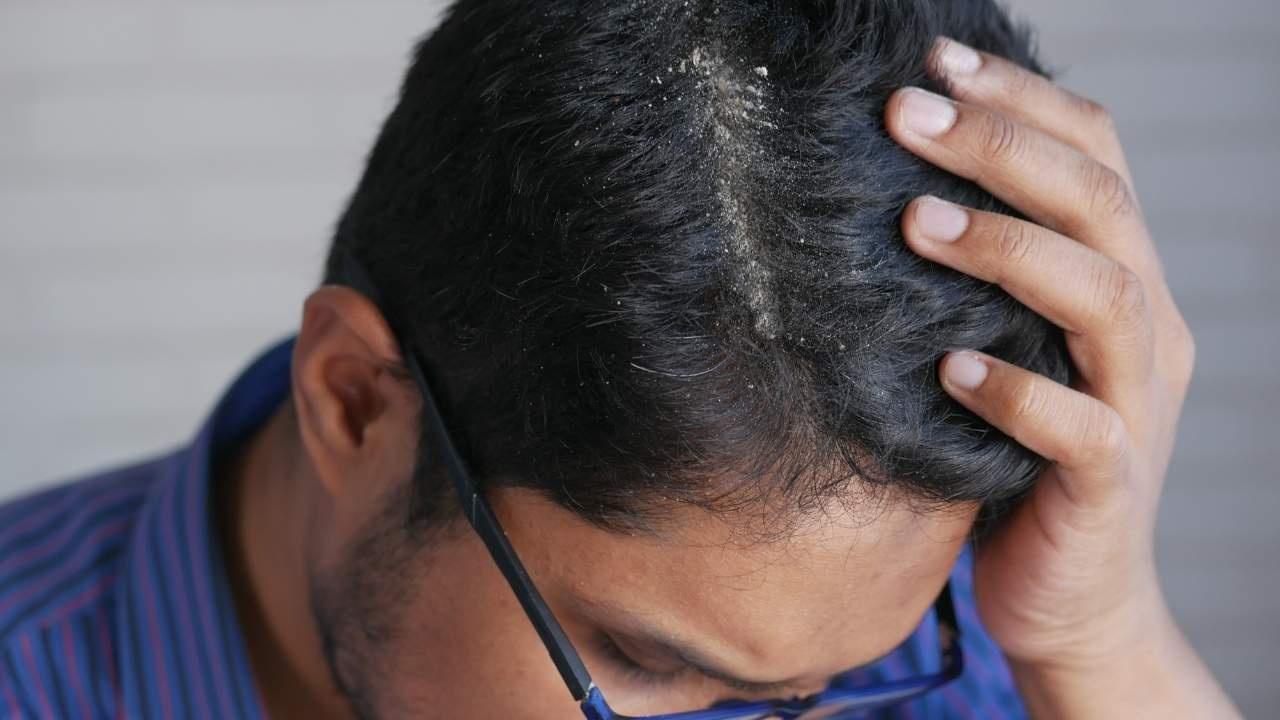
Winter ushers in cozy attire and hot beverages, yet it also accompanies a common nuisance — dandruff. Many individuals dread the appearance of white flakes and itchy scalps during the colder months, which can be both uncomfortable and socially awkward.
According to dermatologists, winter dandruff primarily stems from environmental factors rather than poor hygiene. The chill in the air, coupled with the drying effects of indoor heating, robs the scalp of its natural moisture. Meanwhile, utilizing hot water and harsh shampoos exacerbates the issue, leading to a parched and flaky scalp.
The silver lining is that you can easily manage dandruff at home. By making a few consistent adjustments to your routine, you can revive your scalp’s health and savor the season without the burden of flakes.
An understanding of the underlying causes of winter dandruff can simplify your approach to resolving the issue.
As temperatures drop, humidity decreases. Chilly outdoor air and heated interiors siphon moisture from your skin and scalp, causing dryness, itchiness, and flaking.
Although long, hot showers are tempting during winter, they significantly deplete the natural oils of your scalp. This loss leads to dryness, irritation, and increased flakiness.
A natural yeast, Malassezia, resides on all scalps. Under dry and unbalanced conditions, this yeast multiplies swiftly, worsening dandruff.
Wearing hats or scarves for extended periods can trap sweat, heat, and oil, creating optimal conditions for dandruff-promoting microbes.
Thus, while winter may feel pleasant to you, it can be quite distressing for your scalp.
Your scalp deserves just as much attention in winter as your skin does.
How to do it:
Warm two to three tablespoons of coconut or olive oil.
Gently massage it into your scalp for 5–10 minutes.
Leave it on for an hour or overnight.
Rinse away using a mild shampoo.
Repeat two to three times a week.
Why it works:
Coconut and olive oils replenish lost moisture while soothing itchiness. Furthermore, their antifungal properties help combat dandruff-causing microbes.
The shampoo you select can drastically influence your scalp health. Steer clear of harsh, drying formulas; instead, explore gentle anti-dandruff shampoos.
Key Ingredients to Seek:
Zinc Pyrithione: Tackles bacteria and fungus.
Ketoconazole: Regulates yeast that causes dandruff.
Salicylic Acid: Exfoliates dead skin flakes.
Tea Tree Oil: Calms the scalp and minimizes irritation.
Pro Tip:
Limit washing your hair to two to three times a week during winter to prevent over-drying.
Incorporate into your meals:
Omega-3 fatty acids from fish, walnuts, and flaxseeds for hydration.
Vitamin B and Zinc to support scalp wellness.
Ample water to ensure hydration for both you and your scalp.
Avoid:
Excessive sugar, dairy, and processed foods, which can lead to oil buildup and worsen dandruff.
Nutrient-rich food promotes your scalp's healing process and enhances hair strength.
Your scalp requires protection from harsh winter elements, similar to your facial skin.
Actions to take:
Opt for soft, breathable hats or scarves crafted from cotton or wool blends.
Frequent washing to keep them free from oil and sweat accumulation.
Avoid snug caps that might trap moisture and heat.
Bonus Tip:
Utilize lukewarm water for hair washing instead of hot water and finish with a quick cool rinse to seal moisture in.
If you lean towards home treatments, consider these effective and gentle solutions:
Aloe Vera Gel: Apply fresh aloe vera gel to your scalp for 20 minutes before washing. It alleviates irritation and diminishes flakes.
Apple Cider Vinegar: Combine one part vinegar with two parts water and apply to the scalp for 10 minutes. It balances scalp pH and limits fungal growth.
Yogurt and Lemon Mask: Blend two tablespoons of yogurt with one teaspoon of lemon juice. Apply for 30 minutes, then rinse. It nourishes the scalp and enhances shine.
Employ these remedies one or two times a week for optimal results.
If you face persistent dandruff, dense flakes, or experience redness and hair loss, it’s time to seek advice from a dermatologist. These symptoms may indicate seborrheic dermatitis or eczema, both of which require professional intervention.
A specialist can provide medicated shampoos or treatments to expedite your recovery.
Massage your scalp with oil 2 to 3 times weekly.
Utilize a gentle anti-dandruff shampoo.
Refrain from very hot showers.
Maintain a balanced diet rich in vitamins and Omega-3s.
Wear protective headgear without overheating.
Following these guidelines for several weeks can significantly minimize flakes and discomfort, ensuring a calm scalp and healthy hair.
Although winter dandruff can be bothersome, it's manageable once you grasp its causes. Consistently keeping your scalp moisturized, clean, and safeguarded is essential. Pamper it like your skin; a little diligence works wonders.
With these straightforward strategies, you can confidently embrace the winter season, free from flakes and irritation. Healthy, vibrant hair stems from a well-cared-for scalp.
This article serves informational purposes only and does not replace professional medical advice. Results may differ based on individual scalp types and health conditions. If you experience persistent dandruff, intense itching, redness, or hair loss, please seek guidance from a qualified dermatologist for tailored treatment and care.










G7 to Hold AI Cybersecurity Exercises to Protect Financial Systems
G7 finance leaders will conduct AI cybersecurity exercises to prepare for cyber attacks and protect

Spain's Diego Poncelet Sets Skateboarding World Speed Record
Spain's Diego Poncelet reaches 151.83 km/h in a record-breaking downhill skateboard run in Canada, s

Hyundai Recalls 94,622 US Vehicles Over Potential Fire Risk
Hyundai recalls 94,622 US vehicles over overheating seat motors. Check affected Genesis models, fire

Nvidia Pledges $250 Million for UK AI Safety Research
Nvidia will provide $250 million in computing resources over five years to support AI safety researc

Jacob Bethell Returns as England Name Squads for Australia Tour
England name ODI and T20 squads for the Australia tour, with Jacob Bethell returning from injury and

Beauden Barrett Opens Up About Mental Struggles During All Blacks Exile
Beauden Barrett discusses his confidence struggles after missing six tests, his return against Austr