You have not yet added any article to your bookmarks!
Join 10k+ people to get notified about new posts, news and tips.
Do not worry we don't spam!
Post by : Meena Ariff
Photo: Reuters
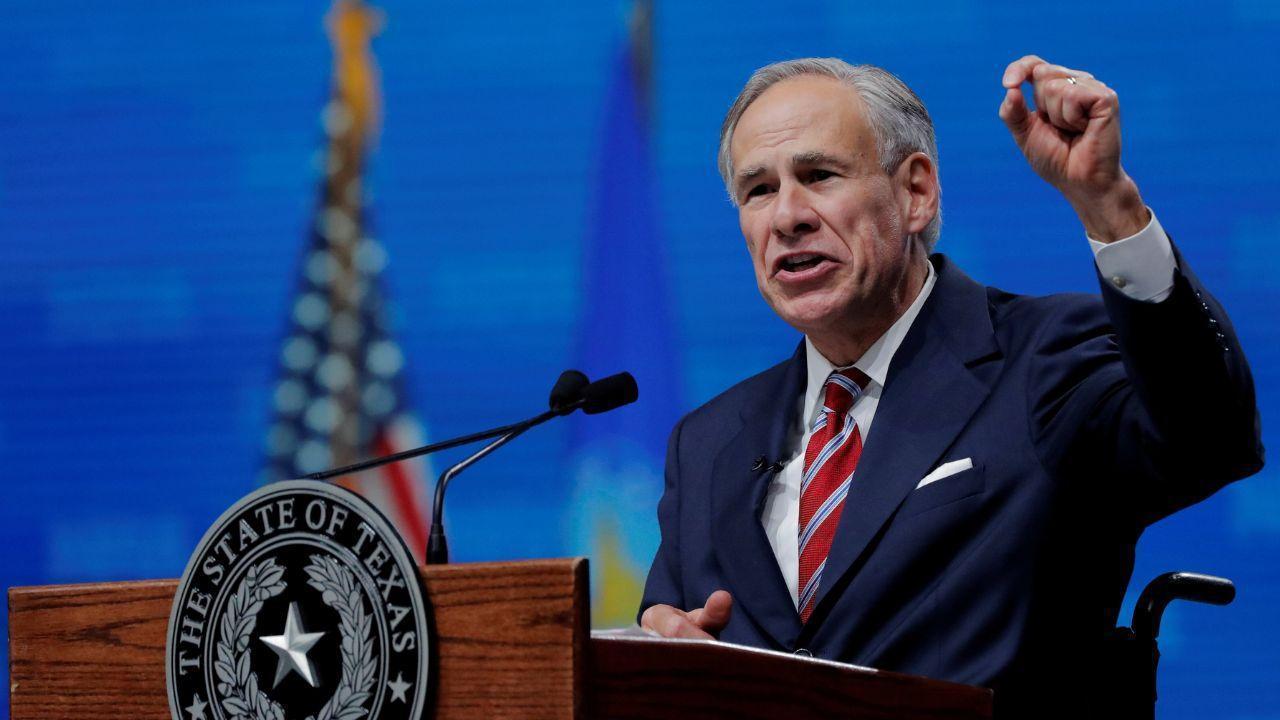
Texas has officially passed a new law that stops citizens from China, Iran, North Korea, and Russia from buying property in the state. Governor Greg Abbott signed the bill into law on Saturday, more than two years after it was first introduced. The law will go into effect on September 1.
This new law, known as Senate Bill 17 (SB17), says that people, companies, and government bodies from the four countries are not allowed to buy land in Texas. However, U.S. citizens and green card holders are not affected by this rule.
People from these countries who hold valid U.S. visas are still allowed to buy property, but only if they live there themselves. This means they cannot buy land for business or investment purposes.
Supporters of the law believe it is important to protect Texas from foreign threats. They are worried that countries like China might use Texas land to spy or influence the state.
State Senator Lois Kolkhorst, who wrote the bill, said, “For three years, I have worked hard to protect our land, homes, oil, gas, and other natural resources from being bought by countries that are not friendly to the U.S.”
She first introduced the bill in late 2022, but it didn’t pass at that time. The earlier version of the bill also tried to block green card holders from buying land, which caused a lot of anger and protests. The new version changed that rule, allowing green card holders to own property.
According to a 2023 report by the U.S. Department of Agriculture:
Chinese owners hold around 277,336 acres of land across the U.S. That’s less than 1% of all foreign-owned land in the country. Texas alone has 123,708 acres owned by Chinese businesses or individuals, which is about 45% of the total Chinese-owned land in the U.S.
Not everyone agrees with the new law. Many people, including Democratic lawmakers and Asian-American groups, say the law is unfair and harmful. They believe it could lead to discrimination against people just because of how they look or where they come from.
Bethany Li, a civil rights leader, explained the issue like this: “If a landlord in Texas hears about this law, they might wrongly think it’s not safe to rent to anyone who looks Chinese. This can hurt innocent people who are U.S. citizens or legal residents.”
Alice Yi, a community leader in Texas, said that several Asian-American groups are planning to take legal action to stop the law. A similar lawsuit has already been filed in Florida, where people from several countries are banned from buying land.
As of mid-June, 63 similar bills have been proposed in 15 other states, all trying to limit land purchases by foreign citizens, especially from China.
In Arizona, lawmakers also tried to pass a bill to ban Chinese government-owned companies from buying land. But that bill was vetoed by the governor, who said the law would not stop spying and might cause unfair treatment of people.
At the national level, the U.S. government is also looking at ways to control how much land is bought by foreign citizens.
In early June, a U.S. lawmaker said that the country needs stronger laws to stop China from using American land for spying or future threats. The Department of Agriculture is already working on a plan to limit Chinese access to farmland across the U.S.
This new law in Texas is expected to bring long court battles and strong political debates. While some see it as a step to protect national security, others believe it may lead to unjust treatment of Asian-American communities.
As the September 1 deadline approaches, legal experts and community leaders are closely watching how this law will affect Texans, property rights, and the future of foreign investment in the state.






Josh Kerr and Jakob Ingebrigtsen Set for 1,500m Rivalry Rematch
Josh Kerr and Jakob Ingebrigtsen will renew their 1,500m rivalry at the Ultimate Championship in Bud

PSG Coach Luis Enrique Urges Players to Step Outside Comfort Zone
PSG coach Luis Enrique says players must leave their comfort zone and keep improving as the club tar

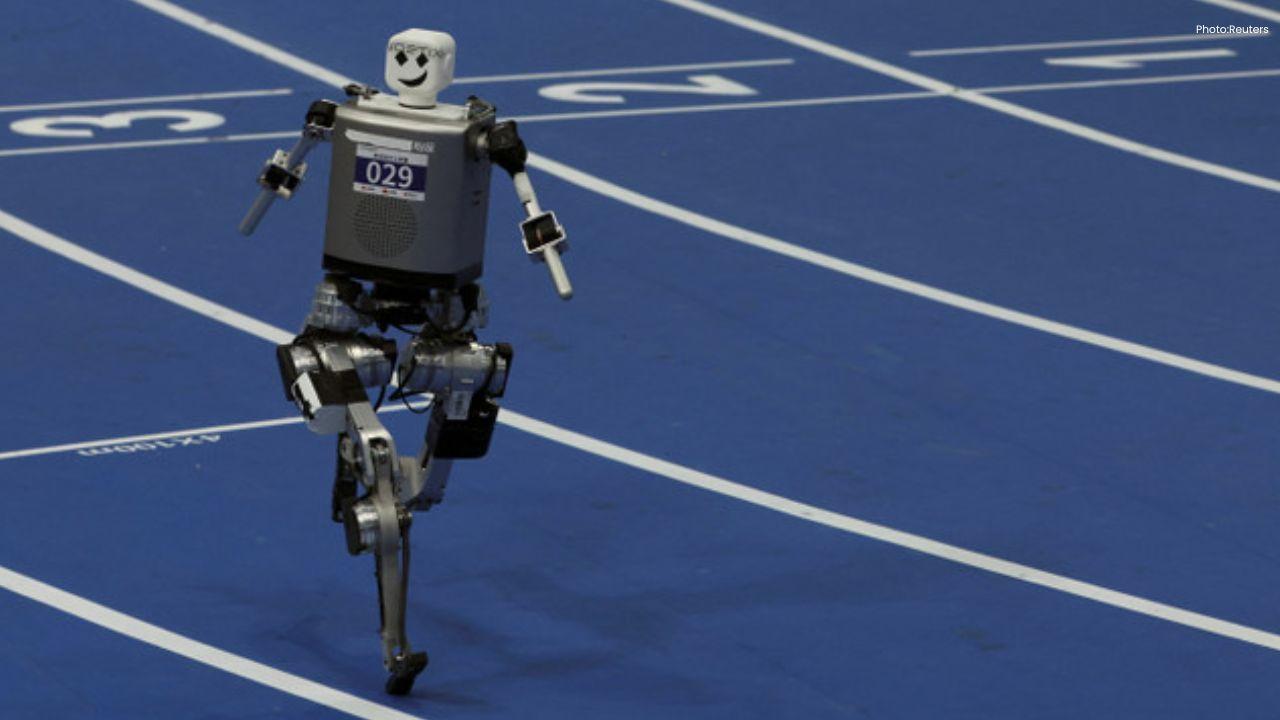
China’s Tiangong Sets New 400m Record at Robot Olympics
China’s Tiangong robot sets a new 400m record at the Robot Olympics, beating a South African robot i

George Russell Wins Dutch GP Sprint, Boosts Mercedes Morale
George Russell wins the Dutch GP Sprint from pole as Mercedes teammate Kimi Antonelli extends his F1

Australia 50/3 After Bangladesh Bowled Out for 64 in Second Test
Australia reached 50/3 after Bangladesh were bowled out for 64 in the second Test, with Mitchell Sta
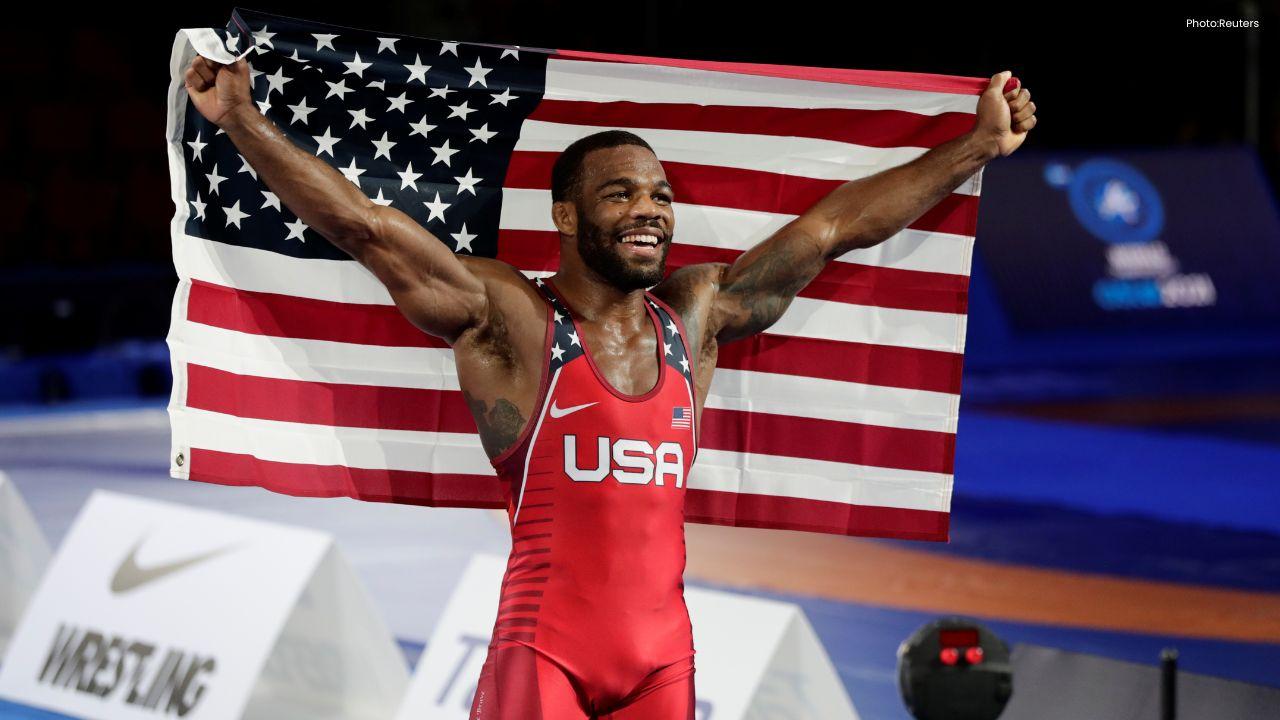
Jordan Burroughs Returns to Wrestling with 2028 Olympic Dream
Jordan Burroughs returns to wrestling with Real American Freestyle as the Olympic champion eyes a po