You have not yet added any article to your bookmarks!
Join 10k+ people to get notified about new posts, news and tips.
Do not worry we don't spam!
Post by : Saif Rahman
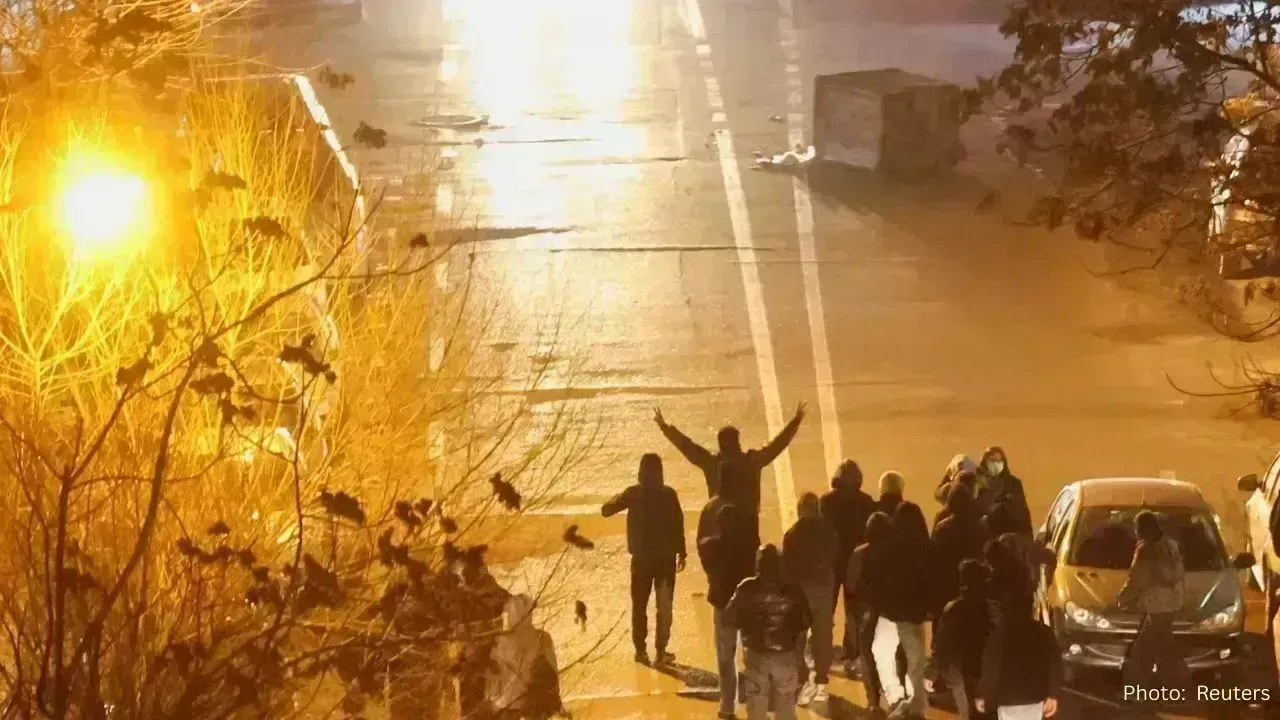
Protests have erupted across Iran, sparked by economic distress and currency devaluation, yet the streets are met with resilience from the clerical rulers. Citizens demand transformation, but the ruling class remains solid amid the turmoil, which has persisted for weeks.
Experts attribute this tenacity to the cohesive strength of Iran’s security apparatus. Integral to this framework are the Revolutionary Guards and the Basij militia, boasting nearly a million active members committed to the regime. Their widespread presence renders it exceedingly challenging for unrest to topple the government solely through public demonstrations.
As reported by an Iranian official to Reuters, approximately 2,000 fatalities have been documented during these protests, although human rights organizations cite lower figures. Meanwhile, a significant number of individuals have been detained. The forceful response from authorities has deterred many citizens from participating despite lingering discontent.
According to analysts, the success of protests often hinges on factions of the state beginning to disintegrate. In Iran, we have yet to observe significant defections among elite military, intelligence, or political figures. In the absence of such fissures, the regime can withstand criticism, albeit weakened.
Supreme Leader Ayatollah Ali Khamenei, now in his 86th year, has navigated multiple protest waves since 2009, marking this as the fifth significant revolt during his leadership. Each moment of unrest has proven the regime's capability to reconstitute and preserve authority, even as it loses public confidence.
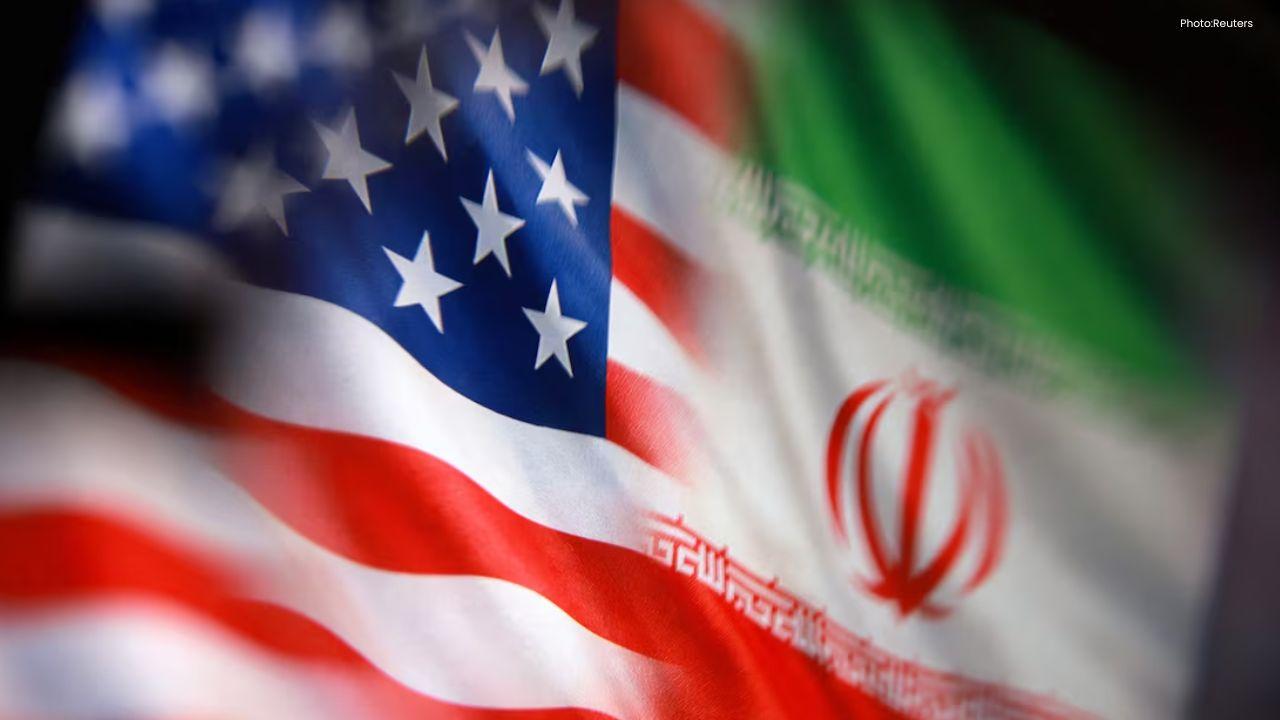
The impact of foreign pressure compounds these challenges. U.S. President Donald Trump has vocalized concerns regarding Iran’s handling of the protests, underlining that military strategies remain an option. These statements follow prior strikes by Israel and the U.S. targeting Iran’s nuclear initiatives and senior officials. Nonetheless, experts contend that foreign threats are unlikely to dismantle the regime unless they puncture divisions within its core.
Iran’s crises are multifaceted, extending well beyond the current protests. Economic sanctions have inflicted severe damage, leaving minimal prospects for rapid recovery. Allies in the so-called “Axis of Resistance” are faltering due to conflicts in Lebanon, Syria, and Gaza, and the nation’s nuclear ambitions have encountered significant hindrances.
Yet survival does not equate to stability. Many scholars assert that Iran is grappling with one of its most profound crises since the 1979 revolution. Public trust has plummeted, and frustration brews beneath the surface. What began as economic grievances has evolved into a broader repudiation of clerical dominance.
As it stands, the leadership continues its hold on power, controlling the military, judiciary, and vital institutions. Until this equilibrium is disrupted, Iran’s rulers are likely to persevere, amidst a landscape of profound division and pressure.






George Russell Wins Dutch GP Sprint, Boosts Mercedes Morale
George Russell wins the Dutch GP Sprint from pole as Mercedes teammate Kimi Antonelli extends his F1

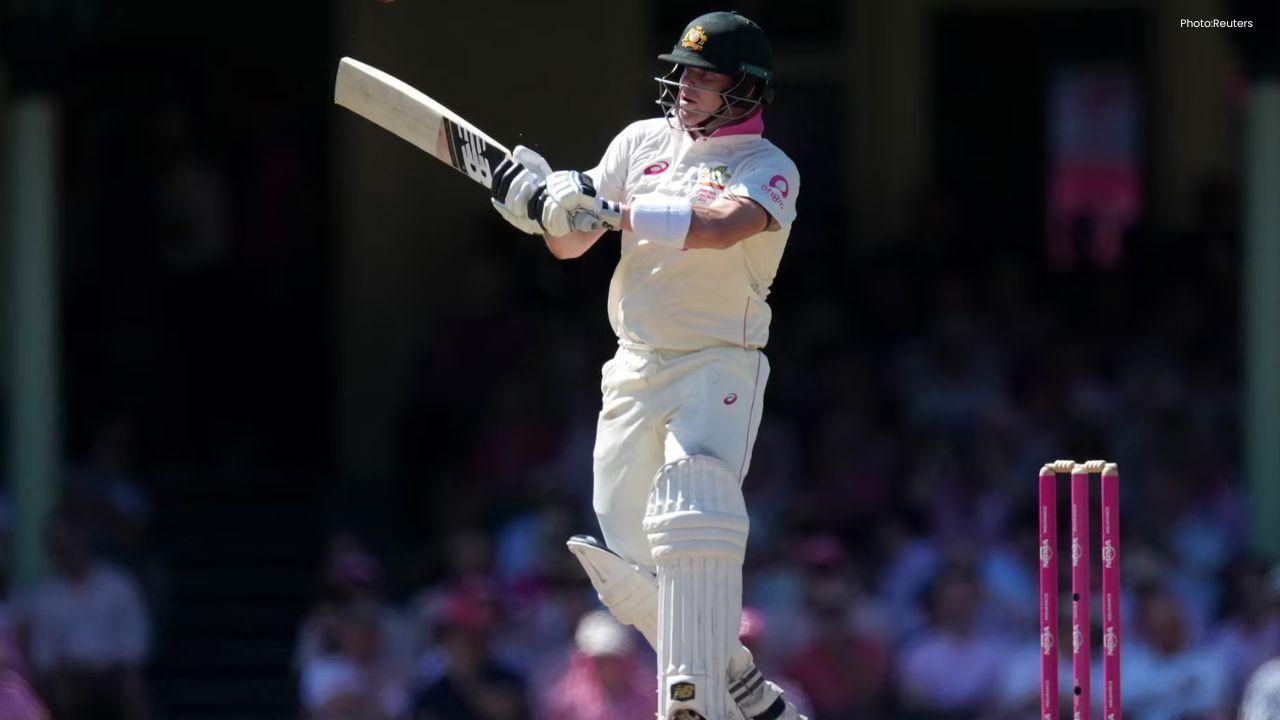
Australia 50/3 After Bangladesh Bowled Out for 64 in Second Test
Australia reached 50/3 after Bangladesh were bowled out for 64 in the second Test, with Mitchell Sta

Jordan Burroughs Returns to Wrestling with 2028 Olympic Dream
Jordan Burroughs returns to wrestling with Real American Freestyle as the Olympic champion eyes a po

Lamborghini Catches Fire on Singapore's ECP, Causing Heavy Traffic
A Lamborghini caught fire on Singapore's ECP, causing heavy traffic and bus delays. No injuries were

Bangkok Airport Duty-Free Area Flooded by Pipe Burst
A burst water pipe flooded the duty-free shopping area at Bangkok's Suvarnabhumi Airport on July 16,
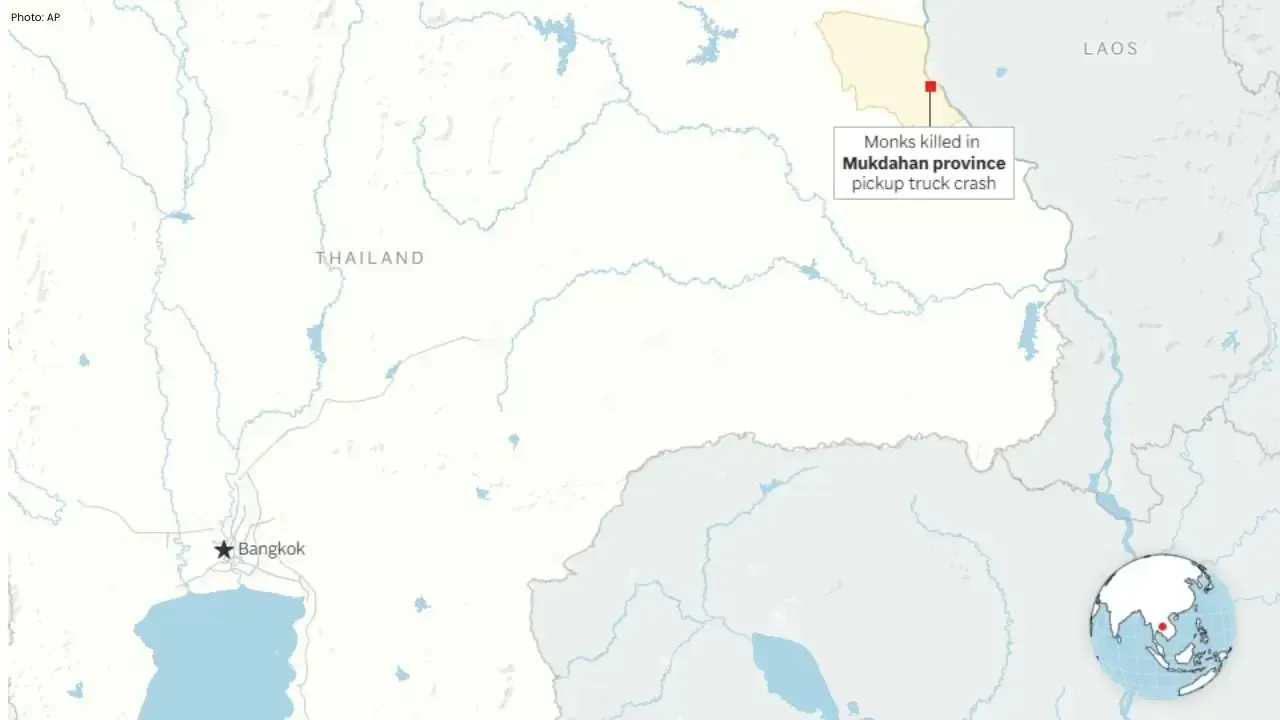
Nine Monks Killed in Thailand Pickup Truck Tragedy
An 11-year-old boy driving a pickup truck crashed into monks during a pilgrimage in northeastern Tha