You have not yet added any article to your bookmarks!
Join 10k+ people to get notified about new posts, news and tips.
Do not worry we don't spam!
Post by : Samjeet Ariff
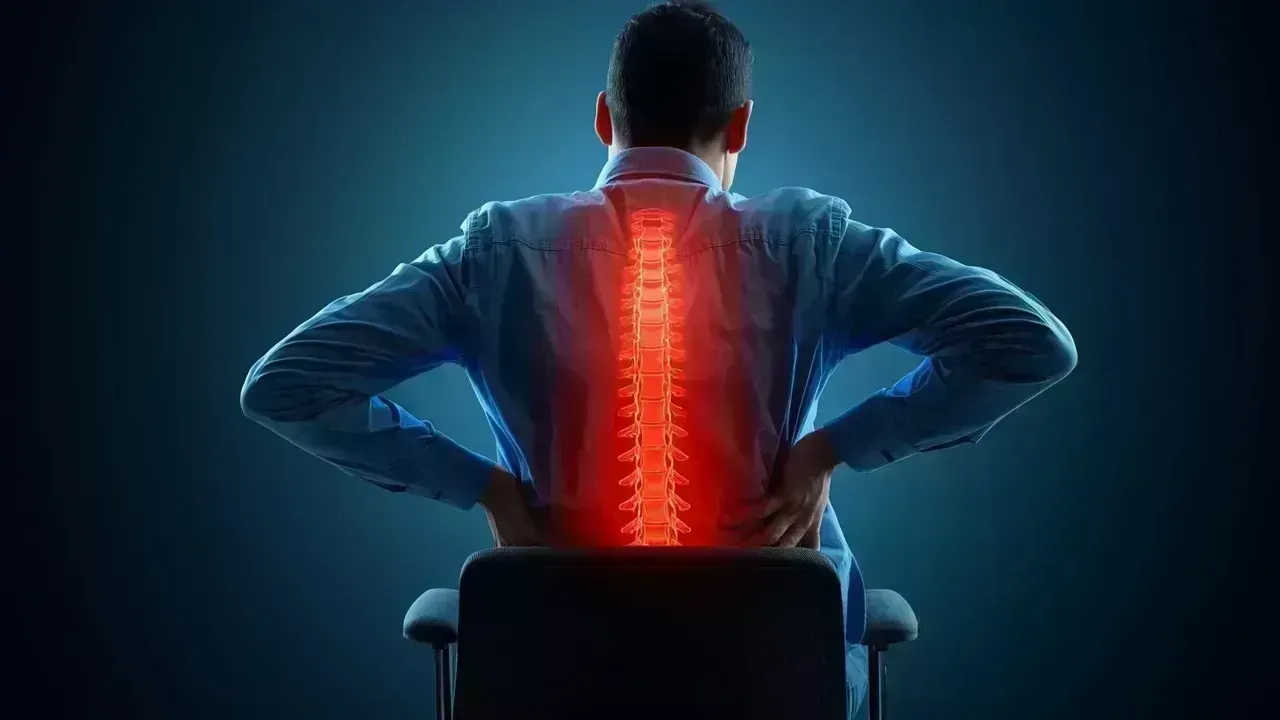
For many office workers, students, and remote employees, long hours of sitting have become routine. While initially comfortable, long periods of sitting exert ongoing pressure on the spine, muscles, and joints. This cumulative strain leads to stiffness, muscle imbalances, diminished blood circulation, and strain across the back. Back pain from prolonged sitting ranks among the most prevalent health concerns today.
Numerous individuals suffer from back pain without prior injury, often attributing it to the hidden influence of extended sitting. Whether hunched over a desk, lounging on a couch, or scrolling on a smartphone, inadequate sitting practices can silently harm spinal health. This article highlights the reasons behind back pain from prolonged sitting and presents feasible, realistic lifestyle modifications that do not demand drastic exercise routines.
The human body is inherently designed for movement, not remaining stationary for extended durations.
Prolonged sitting shifts more weight onto the lower back compared to standing.
• The spine faces unnatural compression
• Intervertebral discs undergo pressure
• Natural lumbar curvature is compromised
This situation can trigger pain and rigidity in the lower back.
Inactivity results in muscle weakening.
• Core muscles become less active
• Back muscles diminish in strength
• Postural support lessens over time
Weak muscles fail to bolster the spine appropriately.
Extended sitting results in tightness of certain muscles.
• Hip flexors restrict due to excessive bending
• Hamstrings lose their elasticity
• Muscle imbalances arise
This imbalance can misalign the spine, leading to discomfort.
Remaining in a seated position hampers blood circulation.
• Muscles receive inadequate oxygen
• Toxins build up within tissues
• Recovery slows significantly
Poor blood flow exacerbates muscle soreness and overall discomfort.
Slouching exerts extra tension on the spine.
• Rounded shoulders stress the upper back
• Forward head posture strains the neck
• Lower back loses its natural support
This habit can foster chronic pain in the long run.
Sitting without back support amplifies tension.
• Lower back muscles experience continuous strain
• The spine’s natural curve diminishes
• Fatigue accumulates quickly
Insufficient support escalates discomfort.
Extended periods of screen use worsen posture.
• Leaning towards screens
• Decreased blinking leads to stiffness
• Static body positioning
This habit detrimentally impacts the back and neck.
Improper seating can lead to imbalance.
• Sofas lacking support
• Working from beds or the floor
• Uneven seating arrangements
Such alternatives fail to maintain spinal alignment.
Recognizing initial symptoms helps avoid exacerbation.
• Pain heightens following extended sitting
• Relief is felt after standing or walking
• Stiffness manifests in the lower back and hips
• Tension arises in the shoulders and neck
These signals point to posture-related strain.
Proper posture serves as the bedrock for back health.
• Keep back straight and shoulders down
• Feet should rest flat on the ground
• Ensure a natural curve in the lumbar region
• Position screens at eye level
Correct posture alleviates spinal pressure.
Ergonomic support is crucial.
• Opt for a chair with lumbar support
• Heighten chair for knees to align with hips
• Keep keyboard and mouse at elbow height
A well-organized workspace safeguards against back issues.
Frequent movement combats stiffness.
• Stand or walk every 30 to 45 minutes
• Engage in brief stretching during breaks
• Refrain from extended sitting sessions
Regular movement revitalizes muscles and joints.
Simple stretching alleviates tension.
• Neck and shoulder rolls
• Back extension stretches
• Hip flexor stretches
• Hamstring stretches
Stretching enhances flexibility and mitigates pain.
A strong core fortifies the spine.
• Be mindful of standing posture
• Activate the core while seated
• Incorporate light bodyweight exercises
Strengthened core muscles ease back strain.
Consider work-from-home habits carefully.
• Avoid working from your bed or sofa
• Use a desk and supportive seating
• Maintain good posture even while on calls
Consistency at home helps avert pain.
Overall movement supports spine health.
• Walk regularly
• Practice light stretching routines
• Engage in household chores
An active lifestyle counteracts the effects of sitting.
High stress can lead to muscle tension.
• Practice deep breathing exercises
• Minimize mental pressure
• Ensure a work-life balance
Relaxed muscles promote quicker healing.
Sleeping habits influence back recovery.
• Choose a supportive mattress
• Avoid sleeping on your stomach
• Keep spine alignment neutral
Proper sleep posture aids recovery.
Hydration is vital for spinal discs.
• Consume plenty of water
• Limit excessive caffeine
• Support disc flexibility
Sufficient hydration decreases stiffness.
Consult healthcare professionals if pain persists.
• Pain extending for multiple weeks
• Experiencing numbness or tingling
• Severe or worsening discomfort
• Pain affecting your daily routine
Timely intervention can avert complications.
Prioritizing prevention simplifies treatment.
• Be aware of your posture
• Stay active regularly
• Avoid extended sitting
• Strengthen your core muscles
Daily practices shield spinal health.
While medication may offer temporary relief, posture correction and movement focus on the underlying issues. Sustainable back health relies on lifestyle adaptations rather than transient pain alleviation methods.
Grasping the connection between prolonged sitting and back pain is essential for addressing it. Long sitting weakens muscles, compresses the spine, and disrupts healthy posture, resulting in discomfort and rigidity. By enhancing sitting posture, maintaining activity levels, instituting regular breaks, and embracing supportive daily routines, one can mitigate and prevent back pain naturally. Small, consistent adjustments to sitting behaviors can secure spinal well-being and elevate overall quality of life.
This article serves informational purposes only and is not a substitute for medical advice. Those experiencing significant or ongoing back pain should reach out to a qualified health professional for a proper diagnosis and treatment plan.










France’s Sesterce Plans $11 Billion AI Data Centre in Finland
Sesterce plans a $11 billion AI data centre in Finland, with major expansion, green energy plans and

Danaher to Launch AI-Powered Autonomous Research Lab in 2027
Danaher plans an AI research lab for 2027, combining robotics and automation to speed up drug discov

Musk Welcomes German Support for Tesla Driver Assistance Tech as EU Approval Push Continues
Elon Musk welcomes Germany's backing for Tesla FSD as the company seeks EU approval amid speed, safe

Microsoft and Nvidia CEOs to Unveil AI Laptop at San Francisco Event
Microsoft and Nvidia showcase a new AI laptop with RTX Spark chips as they push powerful local AI co

Man to face charges over perfume thefts at Changi Airport
A 47-year-old man faces charges over perfume theft at Changi Airport after six items worth nearly S$

Google Signs 3.6-GW Power Deal With Constellation Energy in US
Google signs a 3.6-GW power deal with Constellation Energy, including nuclear power upgrades to supp